


Accueil
Pregnancy, Breastfeeding, and Pumping: The Ultimate Guide for Moms
What Is the Best Portable Breast Pump: A Comprehensive Guide to Modern Pumping
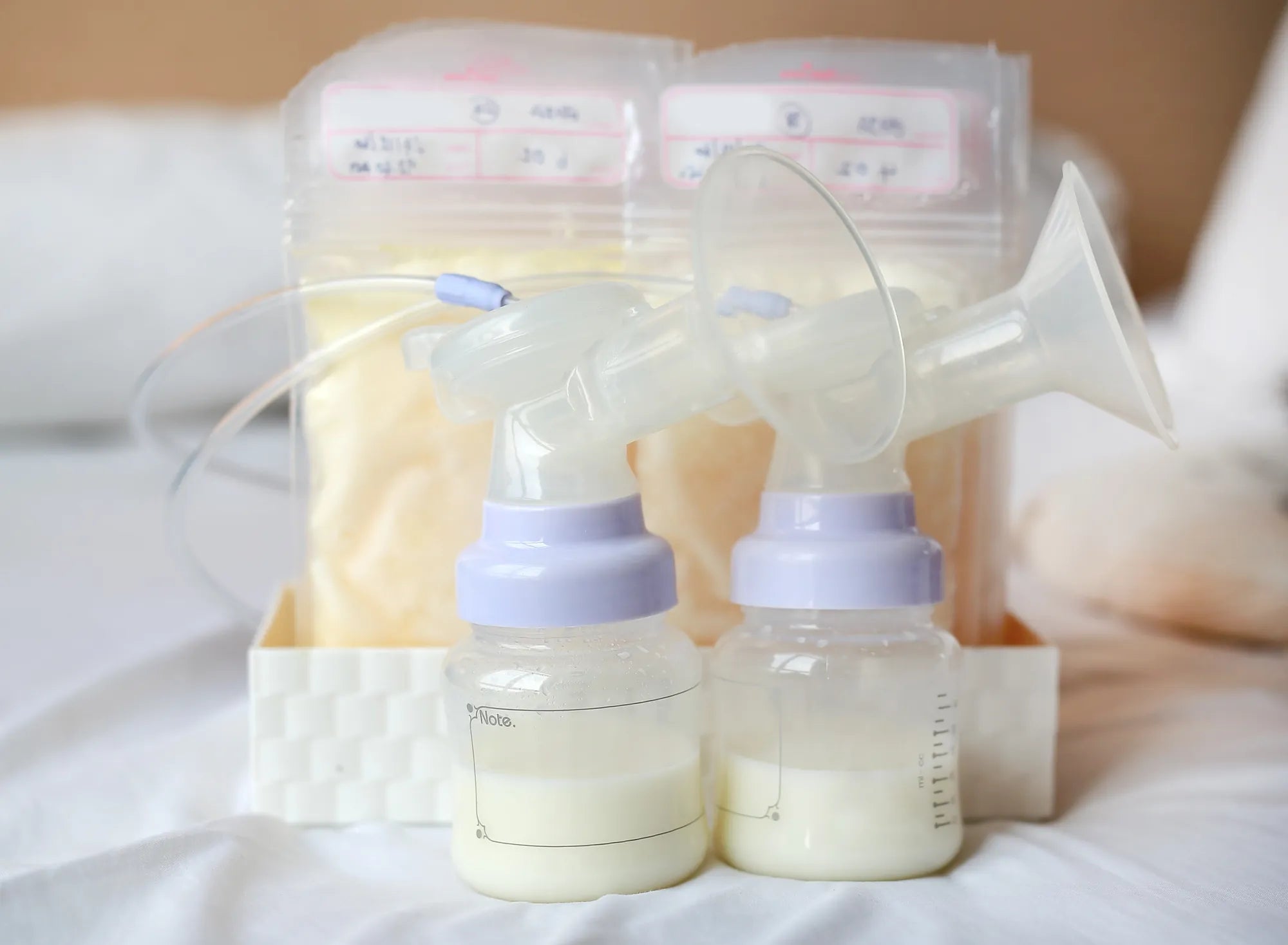
What Is the Best Portable Breast Pump: A Comprehensive Guide to Modern Pumping
Finding the best portable breast pump can feel overwhelming, but it’s a decision that grants you freedom and flexibility in your breastfeeding journey. This comprehensive guide will demystify your options, providing a clear, data-driven framework for evaluation. You will learn to identify key features, compare pump types, and match technology to your unique lifestyle, ensuring your choice supports both effective milk expression and your daily life.
Introduction to Portable Breast Pumps: Redefining Mobility for Nursing Moms
A portable breast pump is a compact, often battery-powered device designed for milk expression away from a power outlet. Unlike traditional plug-in hospital-grade models, portability prioritizes mobility without necessarily sacrificing performance. The core innovation lies in integrating powerful motors into smaller, lighter units or creating self-contained wearable designs.
This shift addresses the needs of modern parents who are not stationary. The primary benefits are profound: true mobility allows pumping during commutes, at the workplace, or while caring for other children. Flexibility means adapting your pumping schedule to life's demands, not the other way around. Discreetness, achieved through quiet operation and wearable designs, provides privacy and reduces stress.
Understanding this evolution is key. What is the best portable breast pump is not a one-size-fits-all answer but a personal equation. This guide will explore the technical features that matter, compare the main categories of pumps, and provide scenario-based advice to help you solve that equation for yourself. The goal is to equip you with the knowledge to select a pump that feels like a liberating tool, not a tether.
Key Features to Look for in a Portable Breast Pump: The Buyer's Checklist
Evaluating a portable pump requires looking beyond marketing claims to tangible specifications and design philosophy. These features collectively determine efficiency, comfort, and practicality, forming the foundation of a satisfactory pumping experience. A high-quality pump balances these elements seamlessly.
Your checklist should prioritize performance metrics, portability parameters, and health-conscious design. Overlooking any one area can lead to frustration, discomfort, or ineffective milk removal. Let's break down these non-negotiable characteristics.
Efficiency and Suction Power: Performance is Paramount
Effective milk removal is the primary function of any pump. Look for a motor that offers hospital-grade suction strength—typically measured in mmHg (millimeters of mercury)—in a portable package. Adjustable settings are crucial; multiple modes (like stimulation and expression) and levels within each mode allow you to mimic your baby's nursing pattern and find your personal comfort zone.
Cycle speed variability is another key factor. A faster cycle mimics a baby's initial rapid suckling to trigger let-down, while a slower, deeper cycle is for milk expression. This customization is vital for comfort and yield. The myth that portable means less powerful is outdated; many modern models match the performance of their plug-in counterparts.
True Portability and Discreet Design: The Freedom Factors
Portability is defined by size, weight, and power source. A truly portable pump should be easy to carry in a bag or wear on your body. Battery life is critical; look for a pump that can complete several full pumping sessions on a single charge, with options for USB-C charging for ultimate convenience.
Noise level, measured in decibels (dB), is a major component of discretion. A quiet pump (often below 45 dB) allows for use in shared spaces or near a sleeping baby without drawing attention. The pinnacle of discreet design is the wearable pump, where all components fit inside your bra, eliminating dangling bottles and tubes for true hands-free, invisible use.
Comfort and Safety: Non-Negotiable Foundations
Comfort starts with the breast shield, or flange. An improper fit is a leading cause of pain and low output. Many brands now offer multiple flange sizes or soft, flexible silicone inserts to ensure a correct, comfortable seal. The material safety is absolute; all components contacting skin or milk must be BPA-free and made from food-grade, medical-grade silicone.
Ergonomic design that mimics a baby's natural suckling rhythm through gentle, rhythmic suction protects breast tissue and can help maintain supply. Features like a closed-system design prevent milk from backing into the tubing and motor, a critical safety and hygiene standard. Comfort and safety are not luxuries; they are essential for sustainable pumping.
Types of Portable Breast Pumps: Finding Your Fit
The market offers distinct categories of portable pumps, each with a different approach to balancing power, discretion, and convenience. Understanding these types is the first step in narrowing your search. Your daily routine, pumping frequency, and personal preferences will naturally align with one style over another.
From all-in-one wearables to compact electrics, each design has inherent strengths and trade-offs. There is no universally "best" type, only the best type for your specific situation. This comparison will clarify those core differences.
All-in-One Wearable Pumps: Ultimate Discretion
These pumps feature a motor and collection cups contained within a single, cap-like unit that fits directly inside your nursing bra. They represent the peak of hands-free, discreet technology, requiring no external tubes, cords, or dangling bottles. You can pump while working, walking, or tending to household tasks.
The primary benefit is unparalleled freedom of movement and privacy. However, considerations include collection capacity per cup (often 5-7 oz) and the slightly more involved cleaning process for the integrated components. Their compact size can sometimes mean a trade-off in maximum suction power compared to some larger portable motors, though top-tier models like the MomMed S21 have closed this gap significantly with award-winning performance.
Portable Electric Pumps with Separate Bottles
This category includes traditional-style electric pumps that have been miniaturized. They consist of a small, battery-powered motor connected via tubing to flanges and detachable collection bottles. They offer a familiar user experience with often highly customizable settings for suction and cycle speed.
These pumps typically strike an excellent balance between proven power and enhanced portability. They are easier to clean than all-in-ones as bottles and flanges are separate. The trade-off is less discretion, as you are connected to a motor (which can be clipped to a waistband) with bottles hanging from your chest, limiting mobility during a session.
Manual Pumps as a Portable Option
A manual breast pump is operated by hand, using a squeeze lever or handle to create suction. It is the definition of ultra-portable—silent, lightweight, and requiring no power source. It serves as an excellent emergency backup, for occasional relief, or for moms who respond exceptionally well to manual expression.
The significant limitation is physical effort and efficiency. Regular, full pumping sessions can be tiring for the hands and wrists, and output is generally lower and less consistent than with an electric pump. For exclusive pumpers or those needing to establish supply, a manual pump is not recommended as a primary device but remains a valuable tool in a comprehensive feeding toolkit.
Making the Choice: How to Select Your Best Portable Breast Pump
With an understanding of features and types, the next step is personalization. The "best" pump is the one that integrates seamlessly into your individual life. This decision-making framework uses common scenarios to highlight which features should rise to the top of your priority list.
Consider your daily environment, support system, and long-term feeding goals. A pump is an investment in your breastfeeding journey and your well-being; aligning it with your reality is key to success and satisfaction.
For the On-the-Go Working Mom
Your priorities are discretion, reliability, and efficiency. A wearable all-in-one pump is often the ideal choice, as it allows for pumping during commutes, in meetings (with a loose cover), or at your desk without interrupting workflow. Look for models with a long battery life (enough for 2-3 full sessions), ultra-quiet operation, and a secure, comfortable fit.
Suction power must be sufficient to effectively empty your breasts during potentially shorter, more time-pressured sessions. A pump like the MomMed S21 double wearable is engineered for this scenario, offering hospital-grade performance in a discreet, in-bra design, helping you maintain your supply without compromising your professional life.
For the Primary Caregiver Needing Flexibility at Home
If you are primarily at home but chasing toddlers or managing a household, your needs center on speed, comfort, and easy integration. A portable electric pump with separate bottles might be ideal, as it can be moved from room to room easily. Quick, efficient sessions are crucial, so prioritize pumps with a fast let-down mode and effective expression settings.
Easy-to-clean parts are a must to fit into a busy day. Comfort for frequent use is paramount, so look for pumps with soft silicone flanges and highly adjustable settings to prevent nipple soreness. The ability to pump one side at a time while holding a baby can also be a significant benefit.
Considering Your Budget and Pumping Goals
Financial practicality matters. Assess your planned duration of breastfeeding and pumping. If you are an exclusive pumper or plan to pump multiple times daily for many months, investing in a high-performance, durable model is cost-effective over time. For occasional or shorter-term use, a mid-range model may suffice.
Always check your insurance coverage; under the Affordable Care Act, many insurers cover the cost of a breast pump. Also, confirm if the pump is FSA/HSA eligible. Remember, the cost encompasses not just the device but also replacement parts like valves and membranes, which are consumable items.
Portable Breast Pump Comparison: Key Models at a Glance
This table provides a snapshot comparison of common pump styles based on the critical features discussed. It is a starting point for visualization, but always verify the latest specifications directly from manufacturers.
| Pump Type | Best For | Key Advantages | Considerations |
|---|---|---|---|
| All-in-One Wearable (e.g., MomMed S21) | Working moms, discretion, maximum mobility | True hands-free use, ultra-discreet, no tubes or cords | Collection capacity per cup, slightly more parts to clean |
| Portable Electric with Bottles | Primary caregivers at home, customizable sessions | Strong, proven suction power, easy to clean separate parts, often more adjustable | Less mobile during use, more visible |
| Manual Pump | Backup, occasional use, travel | Silent, inexpensive, no power needed, ultra-compact | Physically tiring, less efficient, not for primary use |
Why MomMed’s Wearable Pumps Are Engineered for Modern Moms
As a trusted maternal and baby care brand, MomMed specializes in innovative solutions that address the real-world challenges of motherhood. Our approach to portable pumping is rooted in deep understanding, leading to products that blend performance, comfort, and thoughtful design. We believe the right pump should empower, not constrain.
Our product development focuses on the pain points expressed by thousands of moms: the need for effective milk removal that fits into a dynamic life, the desire for comfort during frequent use, and the demand for safe, reliable technology. This user-centric philosophy guides every feature.
Award-Winning, Hospital-Grade Performance Anywhere
The MomMed S21 Double Wearable Breast Pump is the culmination of this philosophy, recognized with multiple industry awards for innovation. It debunks the compromise between power and portability. Engineered with a hospital-grade suction motor miniaturized into its sleek cups, it delivers a powerful, adjustable, and rhythmic suction pattern designed to stimulate let-down and express milk effectively.
This performance ensures that moms can rely on it as a primary pump, maintaining milk supply even with a busy, on-the-go schedule. The awards validate our commitment to creating a portable device that doesn't ask you to sacrifice output for convenience.
The Ultimate in Discreet Comfort: Hands-Free Design
The core of MomMed's wearable pump design is the seamless integration into your life. The S21 fits securely and comfortably inside your standard nursing bra, with a low-profile design that is virtually undetectable under clothing. This grants complete freedom of movement—you can work, care for siblings, or simply relax.
Comfort is enhanced by soft, flexible, food-grade silicone flanges that gently seal and adapt, paired with multiple suction modes and levels to find your perfect, comfortable setting. It’s a system designed for the physical and logistical reality of pumping, turning what can be a stressful chore into a manageable, integrated part of your day.
Safety and Support Built-In
Safety is non-negotiable. All MomMed breast pumps, including the S21 and S12 models, are constructed with BPA-free, food-grade materials that meet stringent safety standards. The closed-system design is essential, creating a barrier that prevents milk backflow into the tubing and motor, ensuring hygiene and the longevity of the pump.
Our support extends beyond the product. We provide resources on flange fitting, pumping schedules, and managing common concerns like engorgement or low supply. MomMed stands as a partner in your journey, offering reliable, innovative products and the knowledge to use them effectively, helping you navigate motherhood with greater confidence.
Portable Breast Pump FAQ: Your Questions Answered
Q: Can a portable wearable pump really be my primary pump?
A: Absolutely. Modern high-quality wearable pumps like the MomMed S21 are designed with strong, hospital-grade motors capable of effective, frequent milk removal. The key is ensuring it has adjustable settings to find your optimal comfort and efficiency, much like a traditional pump. Many exclusive pumpers successfully use wearables as their primary device.
Q: How do I clean and maintain my portable pump?
A> Daily, all parts that contact milk (flanges, valves, membranes, collection bottles/cups) should be washed with warm, soapy water and air-dried. Sterilize according to the manufacturer's instructions, typically by steaming or boiling. For portable pumps, ensure the motor unit itself is never submerged. Wipe it with a damp cloth. Regularly inspect and replace soft parts like valves and backflow protectors every 4-8 weeks or if you notice a decrease in suction.
Q: What is the typical battery life, and can I use it while charging?
A: Battery life varies. A good wearable or portable pump should offer 2-3 full pumping sessions (approx. 90-120 minutes of total runtime) on a single charge. Many models now feature USB-C charging for convenience. Most pumps can be used while plugged in and charging, but always check your specific model's manual, as this can help preserve battery health for future cord-free use.
Q: How do I know if my flange size is correct?
A> Your nipple should move freely in the tunnel of the flange without rubbing the sides, and only a small amount of areola should be pulled in. Signs of a wrong size include persistent pain, redness, swelling, blanching (white tips) of the nipple, or low milk output. Many brands, including MomMed, offer printable sizing guides or multiple flange size options to ensure a proper, comfortable fit.
Q: Is it normal for output to vary between a portable pump and my baby or a larger pump?
A> Some variation is normal, especially as you and your body adjust to the new pump's rhythm and suction pattern. However, a well-designed portable pump should still allow you to effectively empty your breasts. Ensure you are using correct settings (stimulation mode to trigger let-down), are relaxed, and have a proper flange fit. If output is consistently and significantly lower, consult a lactation consultant to troubleshoot.
Empowering Your Feeding Journey with the Right Pump
The search for the best portable breast pump culminates in a deeply personal choice that empowers your unique motherhood experience. It’s about selecting a tool that aligns with your body's needs, your daily rhythm, and your breastfeeding goals. By prioritizing hospital-grade efficiency, true discreet portability, and unwavering standards of comfort and safety, you invest in more than a device—you invest in your freedom, confidence, and well-being.
Remember, the right pump is the one that feels less like a medical device and more like a seamless extension of your life, quietly supporting you as you nurture your baby. It should reduce stress, not create it. Whether you choose a wearable for ultimate discretion or a powerful portable electric for customizable sessions, your informed decision is the first step toward a more flexible and manageable feeding journey.
Ready to find the pump that fits your life? Shop the MomMed collection at mommed.com for all your breastfeeding and pregnancy needs, from our award-winning S21 wearable pump to essential nursing accessories and baby care essentials, all designed with the trusted quality and innovative spirit that modern moms deserve.