


Accueil
Pregnancy, Breastfeeding, and Pumping: The Ultimate Guide for Moms
What Is the Average Flange Size for Breast Pump? Your Guide to the Perfect Fit
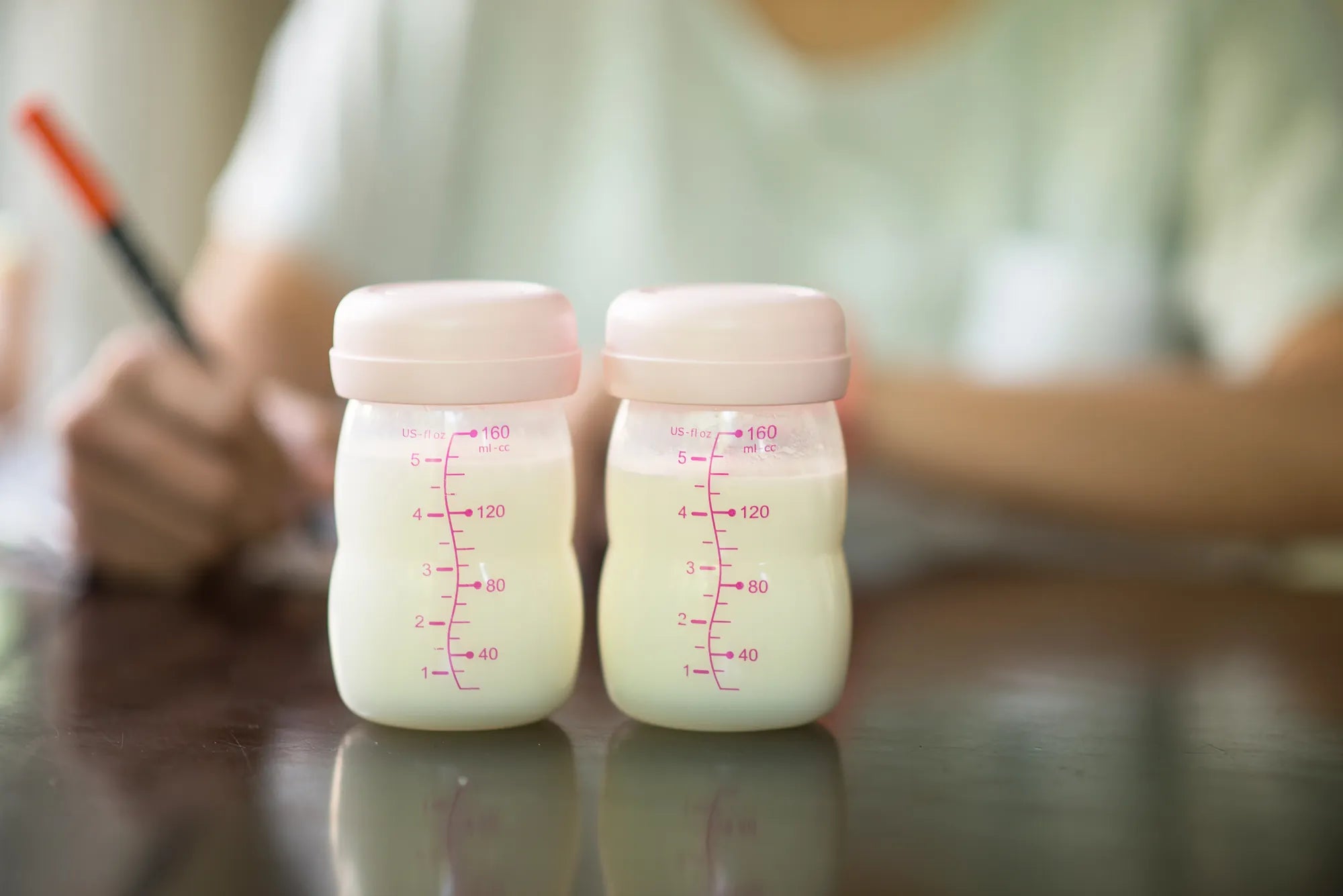
What Is the Average Flange Size for Breast Pump? Your Guide to the Perfect Fit
Finding the Perfect Fit for Comfortable Pumping
If you've ever experienced sharp nipple pain, frustratingly low milk output, or a general sense of inefficiency while using your breast pump, the culprit is likely not you or your pump—it's probably the flange. The breast pump flange, or shield, is the most personal and critical interface between your body and the machine. Getting its size wrong can turn a manageable task into a painful ordeal and undermine your milk supply.
So, what is the average flange size for a breast pump? The short, industry-standard answer is 24mm or 27mm, as these are the sizes most commonly included in pump kits. However, this 'average' is a starting point, not a destination. For many, it's the beginning of a journey to find their true, individual fit. This article will dismantle the myth of the one-size-fits-all average and provide you with the data-driven knowledge and practical steps to find your perfect flange size.
Your comfort and efficiency are paramount. A correctly fitted flange should not cause pain, should allow for effective milk removal, and should protect your breast health. We'll explore the anatomy of a flange, detailed measurement techniques, and the tangible signs of incorrect sizing. As a trusted maternal and baby care brand, MomMed is dedicated to helping moms and moms-to-be with reliable, comfortable, and innovative products, starting with the foundational principle of a proper fit for a better pumping experience.
What Is a Breast Pump Flange and Why Does Size Matter?
A breast pump flange is the funnel-shaped, often plastic or silicone component that fits directly over your nipple and surrounding areola. It forms the seal necessary for the pump to create suction. Its primary functions are threefold: to create an airtight chamber for vacuum, to allow your nipple to move freely within the tunnel to stimulate milk ejection (let-down), and to channel the expressed milk into the collection bottle or bag.
The importance of precise sizing cannot be overstated. Think of it like running shoes; even the best, most technologically advanced shoe will cause blisters and pain if it's the wrong size. The flange is no different. Its fit directly impacts your physical comfort, milk yield, and long-term breastfeeding success.
An incorrectly sized flange is a leading cause of nipple damage, low milk supply, and pumping aversion. When the fit is off, the pump's mechanics work against your physiology rather than with it. This mismatch can lead to a cascade of issues, from minor discomfort to medical complications like mastitis. Understanding flange function is the first step in advocating for your own comfort and efficacy.
The Consequences of a Flange That Is Too Large
If the flange tunnel is too wide for your nipple, excess areolar tissue is drawn into the tunnel during pumping. This doesn't just feel uncomfortable—it's inefficient. The suction is applied to the areola rather than being focused on the nipple and milk ducts deep within the breast. This can lead to poor milk drainage, leaving milk behind which signals your body to produce less. Symptoms include edema (swelling) of the areola, bruised feeling, and a sense that you're pumping for a long time with little output.
The Consequences of a Flange That Is Too Small
A flange that is too small is often more immediately painful. The nipple rubs against the sides of the tunnel with each pump cycle, causing friction, swelling, and compression of the milk ducts at the base of the nipple. This compression can physically block milk flow, leading to clogged ducts. Visible signs include nipple blanching (turning white at the tip), redness, cracking, and a burning sensation during and after pumping. Persistent use of a too-small flange is a direct path to nipple trauma.
So, What Is the "Average" Flange Size?
Based on population studies and product design conventions, the most frequently cited average nipple diameter falls between 17mm and 25mm. Consequently, most breast pump manufacturers, aiming for the broadest initial fit, package their pumps with 24mm and sometimes 27mm flanges. This has led to the widespread perception that 24mm is the 'standard' or 'normal' size.
Authoritative breastfeeding resources like La Leche League International and KellyMom consistently note that while these sizes fit a significant portion of people, they are by no means universal. The data shows a wide natural variation in nipple anatomy. Relying on the pre-packaged size is, for many, akin to assuming everyone wears a medium T-shirt.
It is critical to state unequivocally: 'Average' is not a recommendation. Your unique anatomy is what matters, not the statistical mean. Using the average size because it came in the box, without verifying the fit, is the most common mistake new pumping parents make. The goal is not to fit into the average, but to find the measurement that allows your nipple to move freely without pulling in areola or rubbing the sides.
The following table illustrates the typical flange size range and how the common 'average' compares to the reality of necessary individual sizing:
| Measurement Focus | Common "Average" / Default | Reality & Recommended Range | Key Takeaway |
|---|---|---|---|
| Nipple Diameter | Assumed to be ~17-21mm | Actual range: 13mm to 30+ mm | Assumptions are often incorrect. |
| Included Flange Size | 24mm or 27mm | May fit only ~40-50% of users correctly | The boxed size is a starting guess. |
| Ideal Flange Tunnel Size | Not specified | Nipple diameter + 0-4mm (typically 1-3mm extra space) | You must measure to calculate. |
| Need for Two Sizes | Rarely discussed | Very common; breasts are often asymmetrical | Prepare to size each breast independently. |
How to Measure Your Nipple for the Correct Flange Size
Accurate measurement is a simple yet transformative process. You will need a flexible measuring tape or a printable nipple ruler (available from many breastfeeding websites and brands like MomMed). Do not measure your areola—focus solely on the nipple itself, the protruding part.
The best time to measure is after a pumping session or after a warm shower when the nipple is in a more natural, elongated state. If you measure while the nipple is relaxed and flat, you will get an undersized measurement. Place the ruler or tape at the base of the nipple, where it meets the areola. Measure the diameter (the width across the circle) in millimeters. Do this several times for consistency.
The golden rule for flange sizing: the internal diameter of the flange tunnel should be approximately 1-3 millimeters larger than your measured nipple diameter. This small buffer space is essential. It allows the nipple to expand and move freely during pumping without friction on the sides, but is not so large that areola is sucked in. For example, a nipple measuring 18mm would typically need a 19mm, 21mm, or possibly a 24mm flange, depending on individual tissue elasticity.
If your measurement falls between standard sizes (e.g., you measure 20mm), it is generally recommended to round up to the next available size (21mm) rather than down, to avoid compression. Remember, this is not a one-time event. Your nipple size can change due to postpartum healing, hormonal shifts, time of day, and pumping frequency, so periodic re-evaluation is wise. MomMed offers detailed sizing guides and customer support to assist you through this process.
Signs Your Current Flange Size Is Incorrect
Your body provides clear feedback. Learning to interpret these signals is crucial for adjusting your setup. Pain is not a normal part of pumping; it is the primary indicator that something is wrong, most often the flange fit.
Signs the Flange Is Too Large
During pumping, you will see a significant portion of your areola being pulled into the tunnel of the flange. After pumping, you may notice a swollen, doughnut-like ring around the base of your nipple where the areola was stretched. Output may be surprisingly low despite strong suction settings and a full feeling in your breasts beforehand. You might also hear a breaking suction sound frequently, as the seal is poor.
Signs the Flange Is Too Small
The nipple rubs against the sides of the tunnel throughout the session. Upon removing the flange, the nipple may appear blanched (white at the tip), have red or purple friction lines, or be misshapen. Pain is often present during the entire pumping session, not just at the beginning. The base of the nipple may look swollen or constricted, like a lipstick shape, indicating duct compression. Milk flow may start strong but quickly taper off due to this compression.
Finding Your Fit with MomMed: Comfort and Innovation Built In
Understanding the critical role of flange fit directly informs the design philosophy behind MomMed breast pumps. The award-winning S21 Double Wearable Breast Pump and other models are engineered to support personalized comfort from the ground up. It starts with the materials: all breast pump parts that contact skin or milk are made from soft, BPA-free, food-grade silicone. This material is gentle on sensitive, postpartum skin and provides a better seal than hard plastic alone.
While the pump itself offers hospital-grade suction strength and an ultra-quiet, discreet motor, its performance is fully unlocked only with the correct flange fit. MomMed pumps feature adjustable multiple suction modes and levels, allowing you to find a comfortable, effective rhythm that works in harmony with your properly sized flange. You can start with a gentle, high-frequency stimulation mode to trigger let-down and then switch to a slower, deeper expression mode—all customizable to what feels right for your body.
The wearable, hands-free design of pumps like the S21 acknowledges that pumping mothers need mobility and convenience. However, MomMed believes convenience should never come at the cost of comfort or efficacy. A wearable pump with an ill-fitting flange is still an uncomfortable pump. Therefore, the brand emphasizes education on proper fit, offering a range of resources so you can pair innovative technology with personalized, pain-free application. The goal is to make pumping a sustainable, integrated part of your life, not a dreaded chore.
Beyond the Flange: Other Factors for Effective Pumping
While flange size is the cornerstone of comfortable pumping, other elements work synergistically to create an optimal experience. The vacuum setting is paramount; always start at the lowest comfortable setting and increase gradually only as needed. High suction does not equal more milk—effective, rhythmic removal does. Using a pure, food-safe lubricant like refined coconut oil or a dedicated nipple cream on the flange rim can significantly improve comfort and seal.
Regular maintenance of your pump parts is non-negotiable. Worn-out valves, membranes, or duckbills lose suction efficiency, forcing you to increase vacuum to achieve the same effect, which can exacerbate fit issues. Replace these soft parts according to the manufacturer's guidelines (typically every 1-3 months with frequent use). Your mental and physical state also affects output. Practicing relaxation techniques, looking at your baby or a photo, gentle breast massage before and during pumping (known as hands-on pumping), and ensuring you are hydrated and nourished all contribute to better let-downs and yields.
This holistic view is part of MomMed's supportive approach. Pumping is not just a mechanical process; it's a physiological and emotional one. By addressing flange fit, pump settings, maintenance, and maternal well-being, you build a robust framework for successful milk expression.
Frequently Asked Questions (FAQ)
Q1: Is it common to need two different flange sizes for each breast?
A: Yes, it is very common. Breasts are often asymmetrical, and it's normal for nipples to differ in size. You should measure and fit each breast independently. Using two different flange sizes is a sign of attentive, personalized care, not an anomaly.
Q2: Can my flange size change over time?
A: Absolutely. Flange size can change due to postpartum edema subsiding, changes in breastfeeding frequency, weight fluctuation, hormonal shifts (like during menstruation or pregnancy), and simply over time as tissue elasticity changes. Re-measure every 4-8 weeks or if you notice new discomfort or a drop in output.
Q3: Where can I buy different flange sizes?
A> Many brands, including MomMed, sell individual flanges or sizing kits that include a range of sizes (e.g., 17mm, 19mm, 21mm, 24mm, 27mm). These kits are an excellent investment to find your perfect fit without buying multiple full sets. Specialty breastfeeding retailers and online marketplaces also carry them.
Q4: Are there special flanges for flat or inverted nipples?
A: Yes. Options include softer, more flexible silicone flanges that can help draw the nipple out, or smaller-diameter 'nipple formers.' Pumping itself can also help draw out inverted nipples over time. For persistent challenges, consulting an International Board Certified Lactation Consultant (IBCLC) is highly recommended for personalized solutions.
Q5: I'm between sizes. Should I go up or down?
A: The general rule is to err on the side of slightly larger rather than smaller. For instance, if your nipple is 19mm and you're choosing between a 19mm and a 21mm flange, try the 21mm first. A little extra space is preferable to compression and rubbing. The 1-3mm of extra space is a guideline, and tissue elasticity varies, so you may need to try both to see which feels and performs better.
Your Comfort Is Key to Your Pumping Journey
The pursuit of the 'average' flange size is a diversion from what truly matters: your unique, individual fit. Dismissing pain as 'normal' or accepting low output as 'just how your body is' often means enduring an incorrect flange size. The evidence is clear—taking the time to measure accurately and interpret your body's signals is the single most impactful step you can take toward pain-free, efficient pumping and protecting your long-term milk supply.
This process empowers you. It transforms pumping from a passive, potentially distressing activity into an active, optimized part of your feeding routine. With the right fit, a comfortable, innovative pump like MomMed's becomes a true partner in your journey, offering the reliability and discretion you need without compromising on performance or comfort.
Your feeding journey deserves a foundation of comfort and confidence. Start by throwing out the assumption of 'average' and embracing the precision of what's right for you. Use the guidance here to measure, assess, and adjust. For a supportive partner in this journey, from finding your perfect flange to exploring wearable pump technology, shop the MomMed collection at mommed.com for all your breastfeeding and pregnancy needs.