


Accueil
Pregnancy, Breastfeeding, and Pumping: The Ultimate Guide for Moms
What Breast Pump Has the Strongest Suction: A Comprehensive Guide to Effective Milk Removal
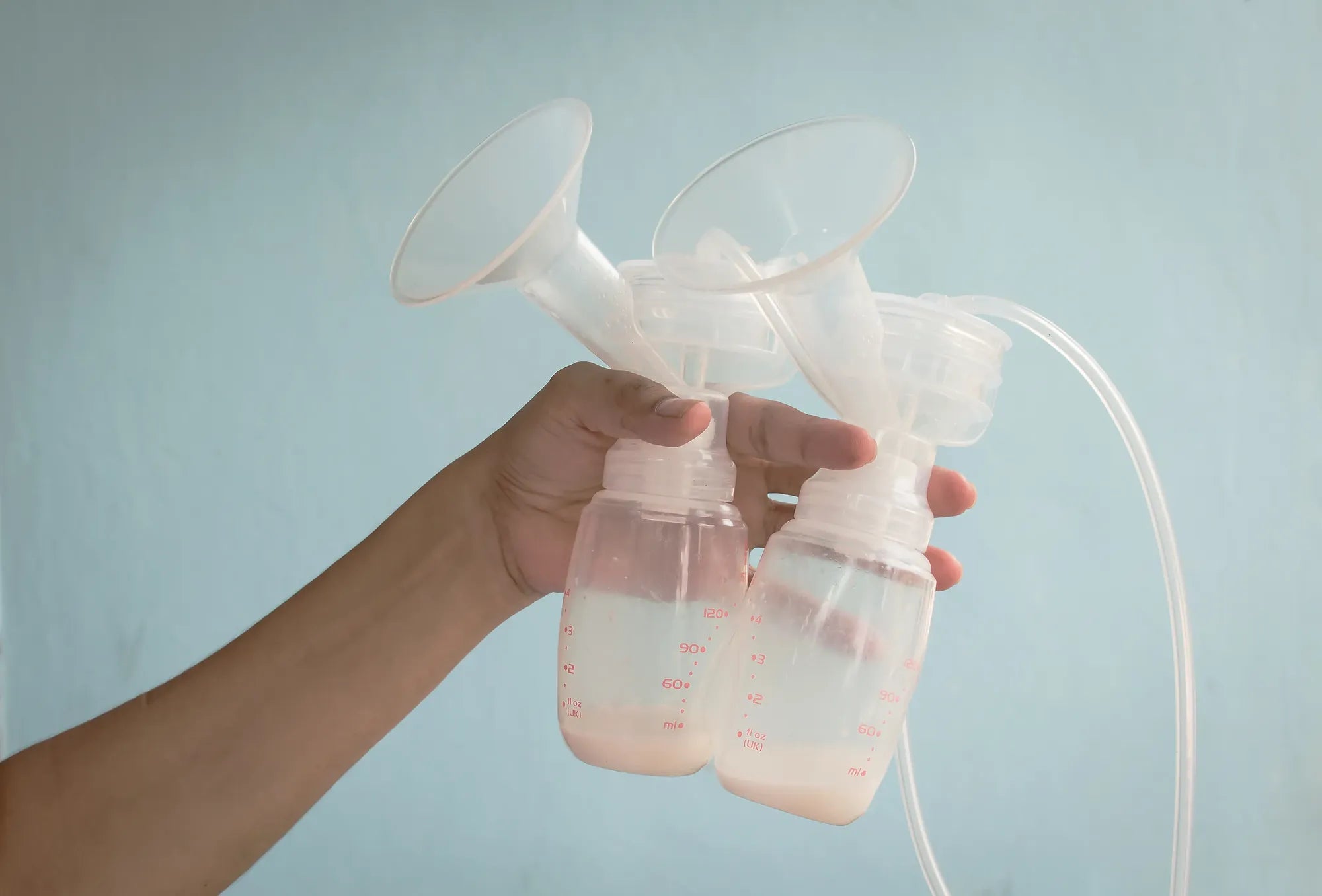
What Breast Pump Has the Strongest Suction: A Comprehensive Guide to Effective Milk Removal
Introduction: Understanding Suction Strength in Breast Pumps
For many pumping parents, the search begins with a single question: what breast pump has the strongest suction? The assumption is straightforward—more suction power must equal faster and more complete milk removal. However, the reality of effective pumping is far more nuanced. Suction strength, measured in millimeters of mercury (mmHg), is just one component in a complex equation of comfort, rhythm, and physiology.
This comprehensive guide will move beyond the spec sheet to explore what makes a breast pump truly effective. We will define key terms, compare technologies, and provide a data-driven framework for choosing a pump. The goal is not simply to identify the pump with the highest mmHg rating but to help you find the one that delivers the right, effective suction for your body and lifestyle. Finding this balance is the key to a sustainable and successful pumping journey.
What Does "Strongest Suction" Really Mean for Pumping?
Suction strength refers to the vacuum level a pump can generate to draw milk from the breast. It's a physical measurement, but its perception is highly personal. A pump listed with a maximum of 300 mmHg does not mean you should or could use it at that setting. Effective pumping hinges on stimulating the milk ejection reflex (let-down), which is governed by the hormone oxytocin, not brute force.
Excessively high suction can cause pain, tissue damage, and vasospasm, which can inhibit let-down and reduce output. The optimal suction is strong enough to mimic a baby's efficient suckling rhythm—a rapid, lighter pull to initiate let-down, followed by a slower, deeper, rhythmic pull to remove milk. Therefore, the strongest suction for you is the highest comfortable level that efficiently empties your breasts.
Hospital-Grade vs. Personal-Use Pumps: A Suction Comparison
The classification often leads to assumptions about power. Hospital-grade pumps, designed for multi-user rental with separate kits, are built for durability and strong, consistent performance. They often have a broader suction range, potentially reaching higher maximum mmHg (e.g., 250-300 mmHg).
Modern personal-use pumps, including advanced wearable and portable models, are engineered for single-user, daily use. Their design prioritizes a balance of effective suction, comfort, and portability. Many top-tier personal pumps, like the MomMed S21, offer a suction range that matches or thoughtfully approaches hospital-grade performance (e.g., 50-280 mmHg) but are optimized with cycling patterns that make this power feel natural and effective for long-term use.
Key Features That Influence Effective Milk Removal
Raw suction power is meaningless without the features that harness it correctly. The best pumps integrate several technologies to work in harmony with your body's physiology.
Adjustable Settings: The Key to Customized Comfort
The ability to fine-tune both vacuum level and cycle speed is non-negotiable. A pump should offer a stimulation mode (fast, light cycles) to trigger let-down and an expression mode (slower, stronger cycles) to drain the breast. Multiple levels within each mode allow for daily adjustment based on fullness and sensitivity.
For instance, the award-winning MomMed S21 Double Wearable Breast Pump features a fully adjustable suction range and multiple cycle modes. This allows a parent to start low and gently increase to their "effective maximum"—the point of strong pull without pain—which is far more productive than using a pump with a single overpowering setting.
Flange Fit and Comfort: The Unsung Hero of Efficiency
An incorrect flange size is the primary cause of pain and poor output. A flange that is too large or too small will create a poor seal, causing friction, reducing vacuum efficiency, and potentially damaging nipple tissue. Even the world's strongest pump will underperform with ill-fitting flanges.
Investing in a pump brand that prioritizes fit is crucial. MomMed provides detailed sizing guides and designs its pump parts, like the comfortable, BPA-free silicone flanges on the S21, to create an optimal seal. This ensures the suction power is applied correctly to the breast tissue, maximizing comfort and milk flow.
Evaluating Pump Types: Wearable, Portable, and Stationary
Understanding the general performance profile of each pump category helps set realistic expectations and align them with your lifestyle needs.
The Rise of Wearable Pumps: Balancing Power and Discretion
Early wearable pumps faced criticism for weaker suction. Modern iterations have closed this gap significantly. Advanced wearables now incorporate powerful, miniaturized motors and sophisticated vacuum systems. The MomMed S21, for example, is engineered to deliver hospital-grade performance in a silent, cordless, and hands-free design.
This proves that strong, effective suction is fully compatible with ultimate portability. For parents who need to pump on the go, during work, or while caring for other children, a high-performance wearable can be the most practical and powerful choice for maintaining milk supply.
Why Hospital-Grade Performance Matters in a Personal Pump
"Hospital-grade performance" signifies a pump capable of generating a strong, consistent, and hygienic vacuum over thousands of hours of use. This reliability is critical for establishing and maintaining milk supply, especially for exclusive pumpers or those with low supply concerns.
When a personal-use pump is described as having hospital-grade performance, like MomMed's core models, it means it is built to that standard of durability and consistent suction strength. You gain the reliability needed for long-term feeding goals without being tethered to a wall outlet or a rental unit.
A Data-Driven Comparison: Suction and Features at a Glance
This table compares general pump categories based on typical suction characteristics, key features, and ideal use cases. Specific model specs, like those for MomMed pumps, demonstrate how advanced wearables bridge historical gaps.
| Pump Type | Typical Suction Range | Key Features | Best For | Considerations |
|---|---|---|---|---|
| Hospital-Grade (Rental) | High (250-320 mmHg) | Maximum power, multi-user durability, consistent performance | Establishing supply, exclusive pumping, low milk supply | Not portable; requires rental; often noisy |
| Stationary Double Electric | Moderate-High (220-280 mmHg) | Strong suction, often programmable settings, reliable | Primary daily pumping at home or work | Limited mobility; requires AC power |
| Advanced Wearable (e.g., MomMed S21) | Moderate-High (50-280 mmHg) | Hands-free, silent, portable, hospital-grade performance, adjustable modes | Active parents, workplace pumping, discreet sessions | Battery life; requires proper fit for optimal output |
| Single Electric / Manual | Low-Moderate | Portable, affordable, simple operation | Occasional use, travel backup, relieving engorgement | Slower output; not ideal for exclusive pumping |
Finding Your "Strongest" Match: A Mom-Centric Guide
Choosing a pump is a personal decision. This step-by-step guide focuses on your individual scenario to determine which pump will be the most powerfully effective for you.
Questions to Ask Before You Buy (Beyond Suction Strength)
- Frequency of Use: Will this be your primary method of feeding (exclusive pumping) or for occasional sessions (e.g., at work)?
- Lifestyle Needs: Do you need hands-free capability to multitask? Is discreet, quiet pumping important?
- Comfort Factors: Are you prone to nipple sensitivity or vasospasm? A pump with gentle, incremental settings is vital.
- Output Goals: Are you focusing on building or maintaining a robust supply, or simply creating a occasional stash?
Answering these will steer you toward the right category. A parent needing to pump during a commute will prioritize a wearable like the S21, while someone pumping in a dedicated nursery might opt for a stationary model.
Prioritizing Comfort and Efficiency for Long-Term Success
The most powerful pump in the world is useless if it's too painful or inconvenient to use regularly. Consistency is the true driver of milk supply. Therefore, the best pump seamlessly integrates into your life, feels comfortable, and performs reliably every time.
Features that reduce friction—like intuitive controls, easy-to-clean parts, long battery life, and a comfortable, secure fit—are what make a pump "strong" in the long run. They empower you to stick to your schedule, which is ultimately what determines your pumping success.
FAQs: Breast Pump Suction Answered
Q1: Is a pump with the highest mmHg rating always the best?
A: No. Comfort and rhythm are crucial for triggering let-downs. A pump with a slightly lower maximum but better cycle customization will often yield better results than an uncomfortably strong pump.
Q2: Can strong suction damage breast tissue?
A: Yes, if used improperly. Starting at the highest setting or using an incorrectly sized flange can cause pain, bruising, tissue trauma, and blocked ducts. Always start low and increase slowly to a comfortable, effective level.
Q3: My wearable pump doesn't list an extremely high mmHg rating. Is it effective?
A> Absolutely. Modern wearables like MomMed's are engineered for efficiency. They use optimized suction patterns and motor technology to provide effective milk removal at comfortable vacuum levels, prioritizing sustainable use over a raw maximum number.
Q4: How do I know if the suction is strong enough for me?
A: Key signs include: a strong, rhythmic pull without sharp pain; seeing a steady milk flow (not just drops); and feeling softer, well-drained breasts after a session (typically 15-20 minutes). If you experience pain or see minimal output, check flange fit and adjust settings.
Q5: Why does my output vary with the same suction setting?
A> This is normal. Milk supply fluctuates based on time of day, hydration, stress, and your menstrual cycle. The baby's feeding patterns also affect fullness. Focus on comfort and consistent emptying rather than comparing output volume across different sessions.
Conclusion: Strength, Comfort, and Confidence in Your Choice
The journey to answer what breast pump has the strongest suction reveals that true power lies in personalized effectiveness. It's the harmonious combination of adjustable strength, physiological rhythm, perfect fit, and seamless integration into your life. The strongest pump for you is the one that empowers you to meet your feeding goals with confidence and comfort.
Innovation in breast pump design, exemplified by trusted brands like MomMed, has made hospital-grade performance and hands-free convenience a reality. By choosing a pump that aligns with your body's needs and your daily routine, you invest in the consistency that sustains your milk supply and your well-being. Your pumping journey deserves a partner engineered for real-world strength.
Shop the MomMed collection at mommed.com for all your breastfeeding and pregnancy needs, and discover wearable breast pumps that deliver the trusted performance and comfort you deserve.