


Accueil
Pregnancy, Breastfeeding, and Pumping: The Ultimate Guide for Moms
Is Pumping Breast Milk Considered Breastfeeding? The Definitive Guide
Is Pumping Breast Milk Considered Breastfeeding? The Definitive Guide
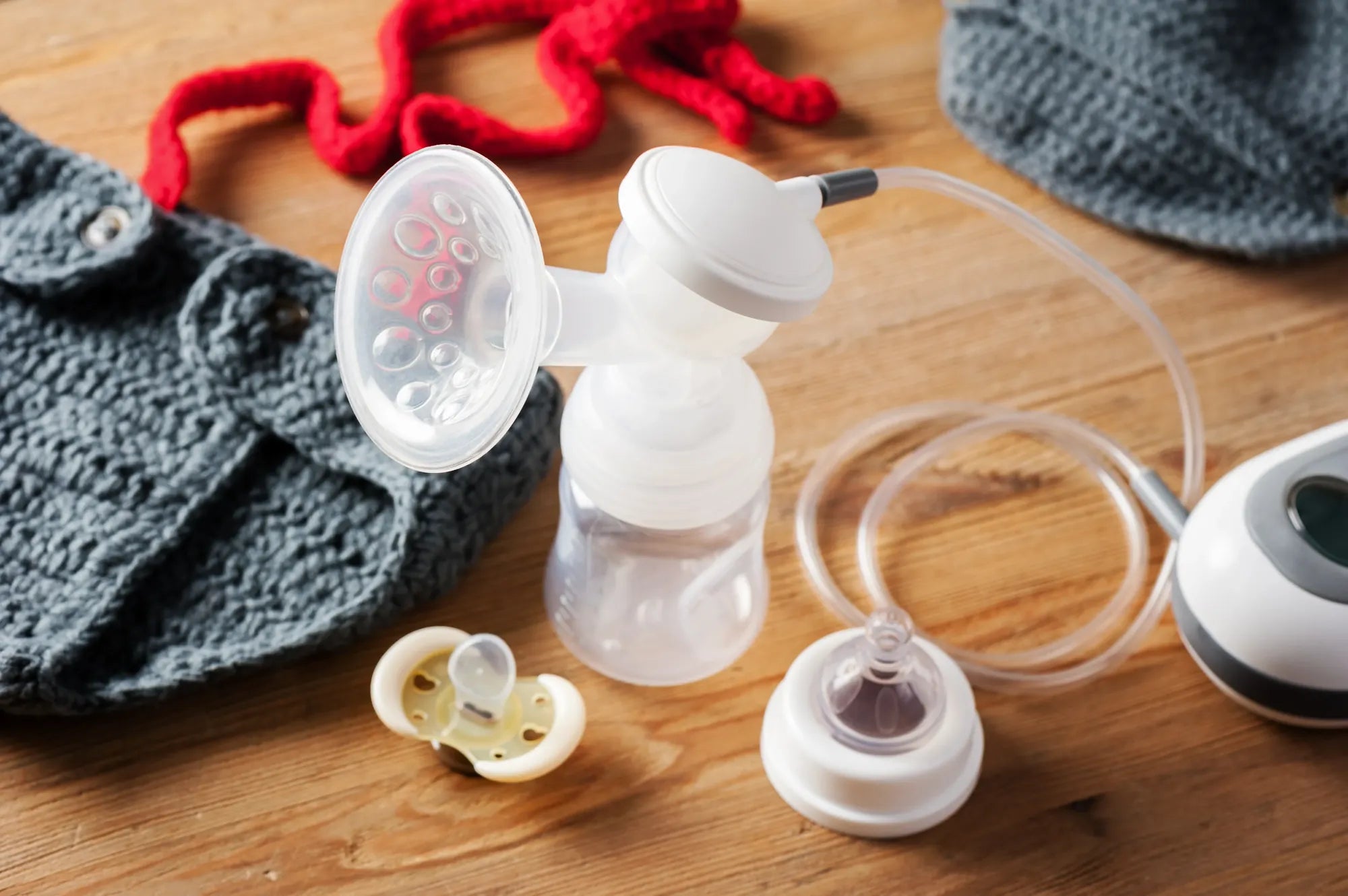
For countless new parents, a pressing question arises: is pumping breast milk considered breastfeeding? This query touches on identity, validation, and the very definition of a successful feeding journey. The short, definitive answer from leading health organizations is yes. Providing your baby with your own expressed human milk is a fundamental form of breastfeeding. This article will explore the facts, dismantle myths, and provide the evidence-based clarity you need to confidently define your own path. You'll learn how pumping aligns with breastfeeding's core goals, understand the key similarities and differences, and discover how modern innovation supports every method of providing human milk.
What Truly Defines "Breastfeeding"?
To understand if pumping counts, we must first define the term. Medically and according to global health authorities like the World Health Organization (WHO) and the American Academy of Pediatrics (AAP), "breastfeeding" encompasses feeding a child human milk. This includes milk consumed directly from the breast and milk expressed and fed via bottle, cup, or syringe.
The core objective is nutritional and immunological: providing species-specific nourishment. The method of transfer is a secondary consideration. The Academy of Breastfeeding Medicine states clearly that the provision of human milk is the critical factor, whether at the breast or from a bottle.
Lactation consultants emphasize that breastfeeding is not a binary activity but a spectrum. On one end is exclusive direct nursing; on the other is exclusive pumping (EP), with countless combinations in between. All points on this spectrum involve the physiological process of lactation and the provision of human milk.
Therefore, if you are expressing milk and feeding it to your child, you are participating in breastfeeding. You are a breastfeeding parent. This inclusive definition validates the immense effort and dedication pumping requires.
Pumping as Breastfeeding: The Unbreakable Biological Link
Pumping is not a separate category; it is a technological extension of the breastfeeding process. The biological similarities are profound and undeniable.
First, the milk is identical. Expressed breast milk contains the same live antibodies, stem cells, enzymes, and perfectly tailored nutrition as milk consumed directly. It dynamically changes to meet your baby's needs, fighting infections and supporting brain development, regardless of how it's delivered.
Second, pumping maintains milk supply through the same principle: stimulation and drainage. Regular, effective pumping signals your body to produce more milk, just as a baby's nursing would. This hormonal feedback loop (involving prolactin and oxytocin) is activated by both a baby's suckling and a quality breast pump's simulation.
Third, the health benefits for the parent remain. Lactation lowers the risk of breast and ovarian cancers, type 2 diabetes, and postpartum depression. These protective effects are linked to the act of producing milk, not exclusively to direct nursing.
Finally, bonding is preserved, though the context shifts. Bonding occurs during the feeding interaction—through eye contact, skin-to-skin contact, and responsiveness—not solely through the breast. A parent who bottle-feeds expressed milk can provide all these crucial emotional connections.
Key Differences: The Practical Realities of Pumping vs. Nursing
While biologically equivalent in outcome, the experiences of direct nursing and pumping have distinct practical realities. Understanding these helps in planning and setting realistic expectations.
| Aspect | Direct Nursing at the Breast | Pumping & Feeding Expressed Milk |
|---|---|---|
| Mechanics | Baby's latch and suckling pattern. | Pump suction cycle and flange fit. |
| Time & Logistics | Often on-demand; no equipment cleanup. | Session-based; requires pump setup, cleaning, and milk storage. |
| Milk Supply Signal | Direct, dynamic baby-led feedback. | Requires consistent pumping schedule to mimic demand. |
| Convenience & Mobility | Highly portable; milk always "ready." | Requires carrying equipment; milk needs warming. |
| Partner Involvement | Limited to feeding with expressed milk. | High; others can do most feeding sessions. |
| Cost | Minimal (potentially nursing aids). | Initial pump investment and ongoing accessory costs. |
One significant difference is the let-down reflex. Some parents find it easier to trigger with their baby's smell or cry than with a pump. However, techniques like looking at baby photos or using pumps with stimulation modes can help.
Another is the management of a milk stash. Pumping introduces the tasks of labeling, storing, freezing, and thawing milk—a logistical layer absent in exclusive direct nursing.
Despite these differences, neither method is superior. They are tools in the same toolbox, each with its own learning curve and advantages that suit different lifestyles and circumstances.
The Indispensable Role of Pumping in Modern Infant Feeding
Pumping is not merely an alternative; it is often the cornerstone that enables a long-term breastfeeding relationship. It provides critical solutions for common 21st-century challenges.
For parents returning to work, pumping is legally protected (under laws like the PUMP Act in the US) and biologically essential to maintain supply and provide milk for their child during separations. It bridges the gap between biological need and professional life.
It enables vital partner and family bonding through feeding. This shared responsibility can improve family dynamics and give the lactating parent crucial rest, especially important for recovery or managing postpartum mood disorders.
In clinical scenarios, pumping is non-negotiable. For premature infants in the NICU, for babies with anatomical challenges like tongue-tie, or for parents managing low supply or oversupply, pumping is a medical tool to achieve feeding goals where direct nursing may be initially difficult or impossible.
Ultimately, pumping provides autonomy and flexibility. It allows a parent to attend an appointment, get longer sleep, or simply have their body to themselves for a few hours, which is vital for mental health and sustainable parenting.
Optimizing Your Pumping Experience: Evidence-Based Strategies
Success with pumping relies on technique and consistency, much like learning to nurse directly. Implementing best practices can maximize output and comfort.
Flange fit is paramount. An incorrectly sized flange (the tunnel that fits over the nipple) is a leading cause of low output, pain, and damage. The nipple should move freely without rubbing, and little areola should be pulled in. MomMed pumps include multiple flange size options to ensure a proper, comfortable fit.
Establish a consistent pumping schedule. Mimicking a baby's feeding rhythm—typically 8-12 times in 24 hours for a newborn—is key to establishing and maintaining supply. Even if milk isn't flowing, the stimulation signals your body to produce.
Utilize hands-on pumping techniques. Gently massaging the breasts before and during pumping, and using breast compression while pumping, can significantly increase milk yield and efficiency.
Ensure your pump is functioning correctly. Check valves and membranes regularly for wear, as these small parts are critical for creating effective suction. A pump with multiple expression modes can help trigger let-down and then effectively drain the breast, mimicking a baby's natural pattern.
MomMed: Engineering Solutions for the Pumping Parent
At MomMed, we believe the right tools should empower your journey, not complicate it. Our philosophy centers on creating reliable, innovative, and comfortable products that address the real-world challenges of pumping, making it a more integrated and positive part of your life.
As a trusted maternal and baby care brand, we specialize in products that support families from pregnancy through feeding. Our focus is on safety, comfort, and intuitive design, helping moms and moms-to-be navigate their unique paths with confidence.
The MomMed S21 Wearable Pump: Redefining Mobility and Discretion
The award-winning MomMed S21 Double Wearable Breast Pump exemplifies our commitment to innovation. Winner of multiple industry awards for design and functionality, it transforms the pumping experience by offering true, cordless freedom.
Its in-bra, hands-free design allows for complete mobility. You can care for your older child, prepare a meal, or even work at your desk while pumping. This seamless integration reduces the feeling of being "tethered" to a pump and helps normalize pumping as part of a dynamic day.
Performance Engineered for Comfort and Efficiency
Comfort directly impacts output and consistency. The S21 features adjustable suction modes and levels, allowing you to personalize sessions for effective let-down and comfortable expression. Finding your body's ideal rhythm is straightforward and intuitive.
Despite its compact size, it delivers hospital-grade performance. The powerful, ultra-quiet motor ensures efficient milk removal, which is critical for maintaining supply. The discretion afforded by its quiet operation provides peace of mind in shared spaces.
Uncompromising Safety in Every Component
Every part that contacts milk in MomMed pumps is constructed from BPA-free, food-grade silicone and plastic. This commitment to safety ensures that your milk—and your baby—are protected from harmful chemicals. The soft silicone flanges are designed for comfort during longer sessions.
This combination of safety, performance, and freedom makes modern wearable pumps like the S21 a game-changer, effectively narrowing the experiential gap between pumping and other daily activities.
Frequently Asked Questions: Addressing Core Concerns
Will pumping reduce my milk supply?
Not if done effectively and consistently. Supply is based on demand. Regular, thorough drainage via pumping signals your body to produce milk. Issues with supply while pumping are often related to infrequent sessions, poor flange fit, or a pump with inadequate suction.
Can I exclusively pump (EP) from birth?
Yes. Many parents choose or need to exclusively pump. The key is to begin pumping frequently (about every 2-3 hours) from the start to establish a robust supply, just as you would with a newborn nursing. Consulting a lactation consultant can help create an effective EP plan.
Is the nutritional value of pumped milk different?
No. The core nutritional and immunological composition is identical. Proper handling (refrigeration, freezing, gentle warming) preserves these properties. Some vitamin levels may decrease slightly with long-term frozen storage, but the milk remains vastly superior to formula in its bioactive components.
Does pumping affect the bond with my baby?
Bonding is about connection, not a specific body part. Feeding times—whether at the breast or with a bottle of your milk—are prime opportunities for skin-to-skin contact, eye contact, and responsive interaction. Pumping can even enhance bonding by allowing other family members to participate in feeding, strengthening the baby's overall support network.
How do I know if my pump is effective?
Signs of an effective pump session include: feeling a let-down (tingling, release), seeing milk flow in streams (not just drops), breasts feeling softer afterward, and consistently yielding enough milk for your baby's needs. Discomfort should be minimal. If output is consistently low or pain is significant, check flange fit, pump parts, and consider consulting an IBCLC.
Embracing Your Personal Feeding Journey
The question "is pumping breast milk considered breastfeeding?" is rooted in a desire for validation. The evidence is clear: providing your child with your own human milk is the definitive act of breastfeeding. The path you take—exclusively at the breast, exclusively pumping, or a combination—is a personal logistics strategy, not a measure of your commitment or love.
Your success is defined by a healthy, nourished baby and a parent who feels supported and sustainable in their choice. Modern tools are designed to support this spectrum of need. Whether you need the discreet mobility of a wearable pump for returning to work or a reliable electric pump for establishing supply, the goal is to find what makes your journey workable and positive.
Focus on the incredible fact that you are providing the biological gift of your milk. Every drop is a testament to your dedication. Let go of rigid definitions and embrace the one that fits your life and your family. Your journey, however it unfolds, is valid and worthy of celebration.
Shop the MomMed collection at mommed.com for innovative, comfortable breast pumps like the award-winning S21, pregnancy tests, and baby care essentials designed to support you at every stage.