


Accueil
Pregnancy, Breastfeeding, and Pumping: The Ultimate Guide for Moms
How to Use Silicone Breast Pump: A Comprehensive Guide for Modern Moms
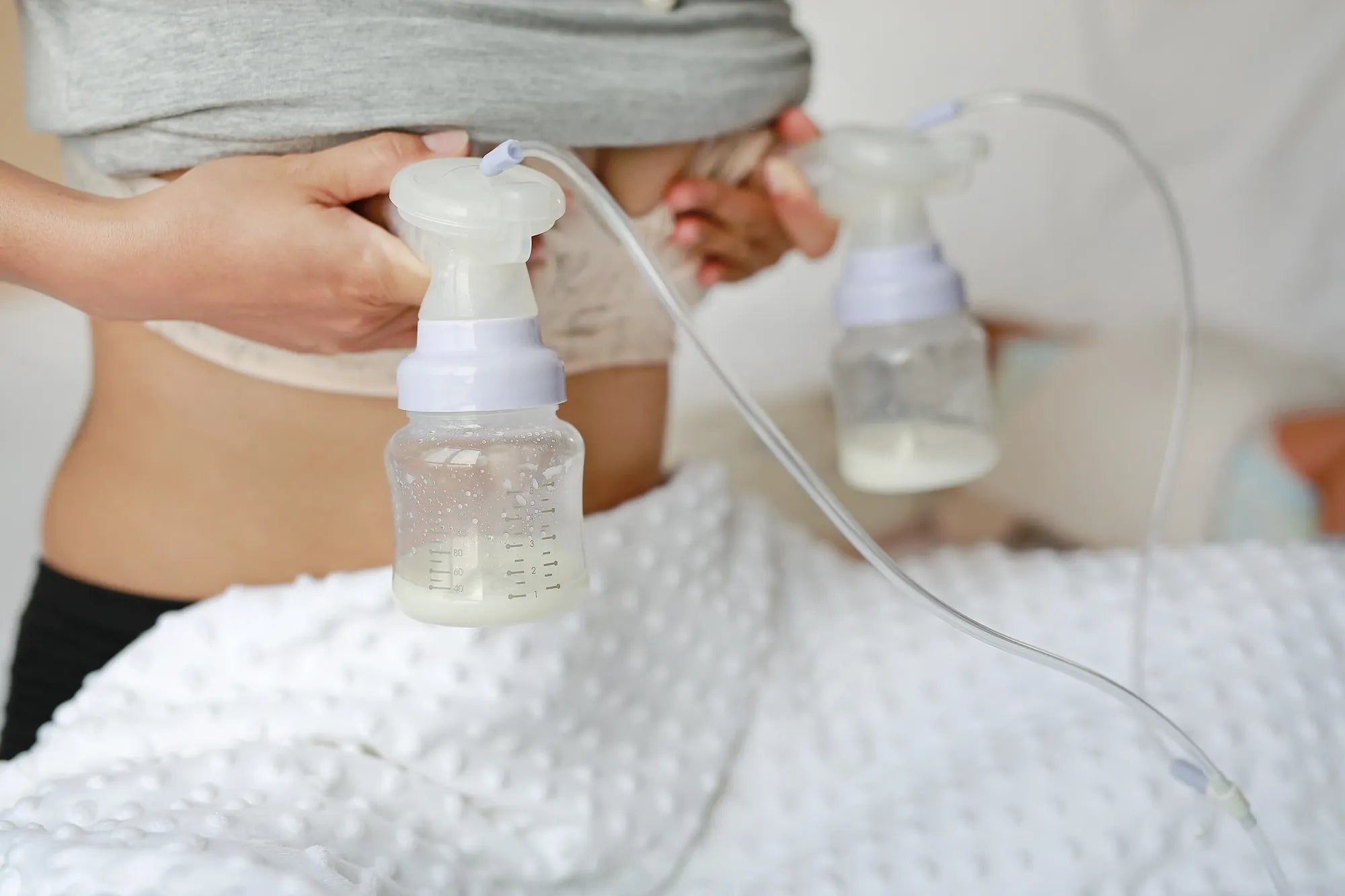
How to Use Silicone Breast Pump: A Comprehensive Guide for Modern Moms
Introduction: Embracing Convenience and Comfort with Silicone Breast Pumps
Navigating the world of breastfeeding and pumping can feel overwhelming for new parents. Amidst the array of electric pumps and complex accessories, the silicone breast pump stands out for its elegant simplicity. This guide, How to Use Silicone Breast Pump, will provide a complete roadmap for mastering this discreet and effective tool. We'll cover everything from the basic mechanics to advanced techniques for comfort and output.
Silicone breast pumps offer a unique blend of affordability, portability, and silent operation. They are an excellent solution for relieving engorgement, catching valuable let-down milk, or providing a quick pumping session without the fuss of machinery. As a trusted maternal and baby care brand, MomMed is dedicated to providing reliable, comfortable, and innovative products. Our commitment to using BPA-free, food-grade silicone ensures safety for both mom and baby, supporting every step of your feeding journey.
What is a Silicone Breast Pump and How Does It Work?
A silicone breast pump is a manual, suction-based device, distinct from electric pumps or manual piston pumps. It typically consists of a single piece of soft, flexible silicone formed into a breast-shaped cup or bulb with a spout for milk collection. The core principle is simple physics: creating a vacuum to mimic a baby's natural latch and suckling action, which stimulates the milk-ejection reflex, or let-down.
To understand how to use silicone breast pump technology, picture the device. You press the flange firmly against your breast to form an initial seal. Then, by squeezing and releasing the bulb or body of the pump, you create suction. This gentle, rhythmic negative pressure draws the nipple and surrounding tissue slightly into the flange, encouraging milk ducts to release milk. The milk then flows directly into the pump's reservoir, ready for storage.
This passive, intuitive method is often less intimidating than operating an electric pump. It relies on your control over the suction strength and rhythm, allowing for a highly personalized and responsive pumping experience. The design's simplicity means there are minimal parts to assemble, clean, or potentially malfunction.
Why Choose a Silicone Breast Pump? Key Benefits for Modern Moms
The decision to incorporate a silicone pump into your routine is supported by several compelling advantages. Its silent operation is a game-changer for pumping discreetly beside a sleeping baby or partner, or in shared spaces. There are no motors, beeps, or whirring sounds—just quiet efficiency.
Extreme portability is another major benefit. Weighing mere ounces and fitting easily into a diaper bag or purse, a silicone pump is the ultimate on-the-go tool. It requires no batteries, cords, or charging, making it perfect for quick relief during outings, at work, or while traveling. For moms using a pump primarily to catch let-down from the opposite breast during nursing, its simplicity is unmatched.
From a practical standpoint, ease of cleaning is a significant perk. With only one primary piece (and sometimes a separate cap or valve), it can be quickly washed with soap and warm water. This reduces the time and stress associated with cleaning multiple pump parts and bottles. Furthermore, its affordability makes it an accessible entry point into pumping or a cost-effective backup to a primary electric pump.
Perhaps one of its most valued roles is in building a milk stash without waste. Many mothers experience a strong let-down in one breast while their baby feeds on the other. A silicone pump gently placed on the non-nursing breast can effortlessly collect this otherwise leaked milk, effortlessly adding ounces to your freezer stash over time.
Step-by-Step Guide: How to Use Your Silicone Breast Pump Effectively
Mastering the technique is crucial for comfort and effectiveness. This step-by-step guide on how to use silicone breast pump devices will ensure you get the most out of every session.
Preparing Your Pump and Yourself
Begin with hygiene. Wash the pump thoroughly with mild soap and warm water before first use and after every session. Ensure it is completely dry before storage to prevent mold. For your own comfort and to encourage let-down, try to relax. Take a few deep breaths, have a glass of water nearby, and consider applying a warm compress to your breasts or taking a warm shower beforehand to help milk flow more easily.
Achieving the Perfect Seal and Suction
Center the flange of the pump over your nipple and areola. Press the entire rim firmly and evenly against your breast to create an initial airtight seal. To initiate suction, firmly squeeze the bulb or body of the pump and hold it compressed. While maintaining pressure on your breast with one hand, release the bulb with the other. You should feel a gentle tug as the suction is established. The pump should stay attached on its own. If it falls off, reposition and try again, ensuring your breast and the pump rim are dry for better adhesion.
Expressing and Collecting Milk
Once secured, milk will typically begin to flow into the collection chamber within a minute or two, especially if you are already experiencing let-down. You do not need to continue squeezing the bulb; the sustained suction does the work. A session can last anywhere from 5 to 15 minutes per breast, or until the flow significantly slows. You can gently massage your breast from the chest wall toward the nipple with your free hand to help empty ducts more fully.
Removing the Pump and Storing Your Milk
To remove the pump safely, break the seal by gently sliding a clean finger between the pump's flange and your skin. Do not simply pull it off, as this can be uncomfortable. Carefully pour the collected milk into a sterile storage bag or bottle. Label it immediately with the date and time. Follow standard milk storage guidelines: refrigerate for up to 4 days or freeze for longer storage.
MomMed's Pro Tips for Maximum Comfort and Output
Beyond the basics, a few expert strategies can enhance your experience. Using your silicone pump on the opposite breast while your baby nurses is one of the most effective ways to collect milk, as the baby's suckling triggers a simultaneous let-down. This is a cornerstone technique for effortlessly building a stash.
Establish a consistent, gentle rhythm. If your model allows, you can create a pumping pattern by softly squeezing and releasing the bulb in a slow, mimicking a baby's suckling pattern to further stimulate supply. Always prioritize comfort; the suction should feel like a firm but not painful pull. Discomfort often indicates a broken seal or too much suction—readjust immediately.
MomMed designs its products with maternal comfort in mind. Our silicone pumps feature ergonomic shapes and ultra-soft, food-grade materials that conform to your body. For moms seeking a primary pumping solution, combining the use of a silicone pump with a MomMed wearable electric pump like the award-winning S21 offers the ultimate flexibility—hands-free efficiency when needed and simple, silent relief at other times.
Silicone Breast Pump Care & Maintenance: Keeping It Safe for Baby
Proper care is non-negotiable for your baby's safety. After each use, disassemble if possible (some are one piece) and wash all parts that contact breast milk with hot, soapy water. Use a bottle brush to clean the interior reservoir thoroughly. Rinse well under running water.
For periodic sanitizing, follow the manufacturer's instructions. Most silicone pumps, including MomMed's, are safe to boil, steam, or clean with approved sanitizing solutions. Ensure the pump is completely air-dried before storing it in a clean, dry place. Never store it while damp, as moisture promotes bacterial and mold growth.
Regularly inspect your pump for signs of wear, such as tears in the silicone, a weakened bulb that won't hold suction, or cloudiness. A compromised pump can harbor bacteria and lose effectiveness. Replacing it periodically is important for hygiene and performance. Investing in a pump made with high-quality, durable, food-grade silicone, like those from MomMed, ensures longevity and peace of mind.
Silicone Pump vs. Electric Pump: Which is Right for You?
Choosing between pump types depends on your individual needs, goals, and lifestyle. The following comparison highlights the best use cases for each.
| Feature | Silicone Breast Pump | Electric Breast Pump (e.g., MomMed S21 Wearable) |
|---|---|---|
| Primary Use Case | Occasional use, relieving engorgement, catching let-down, quick sessions, backup. | Primary/regular pumping, maintaining milk supply, hands-free convenience, double pumping. |
| Operation & Noise | Manual, completely silent. | Motorized, produces a low hum; wearable models are very discreet. |
| Portability | Extremely high; fits in a small bag, no power needed. | Portable (wearable) to stationary; requires battery or outlet. |
| Efficiency & Speed | Good for stimulation and let-down; may not fully empty all ducts as quickly. | High; designed for efficient, complete emptying with adjustable cycles and suction. |
| Cost | Very affordable. | Higher initial investment. |
| Hands-Free | Yes, once suction is established. | Yes, especially with wearable pumps and a supportive bra. |
For many mothers, the ideal setup includes both. A silicone pump handles spontaneous let-down and quick relief, while an electric pump like the MomMed S21 manages scheduled pumping sessions to build a stash or replace feedings. Understanding how to use silicone breast pump in tandem with an electric model empowers you to meet all your feeding challenges.
Frequently Asked Questions About Silicone Breast Pumps
Q: Can I fully empty my breast with a silicone pump?
A: While effective for stimulation and collection, a silicone pump may not be as efficient as a high-quality electric pump at fully emptying all milk ducts, especially for those with supply concerns. It is excellent for relief, catching let-down, and occasional use. For maintaining supply when exclusively pumping, an electric pump is generally recommended.
Q: Is it painful to use a silicone breast pump?
A> When used correctly, it should not be painful. Discomfort or pinching usually indicates an incorrect seal, improper flange placement, or too much suction. Break the seal and reapply gently. The sensation should be a firm tug, similar to a baby nursing. If pain persists, consult a lactation consultant to assess flange fit and technique.
Q: How much milk can I expect to collect per session?
A> Output varies greatly based on time of day, fullness of breasts, and individual supply. When used to catch let-down during a feeding, 1-3 ounces (30-90 mL) per session is common. When used for a dedicated pumping session, output may be less than with an electric pump but can still provide significant relief and milk for a bottle.
Q: Can I use it if I have a low milk supply?
A> Yes, it can be a helpful tool. Frequent, gentle use can provide additional stimulation to help increase supply. However, for diagnosed low supply, a hospital-grade or high-quality double electric pump is often the clinical recommendation for maximum stimulation and removal. Always work with a lactation consultant for a personalized plan.
Q: Are MomMed silicone pumps dishwasher safe?
A> For specific care instructions, always refer to your product manual. Generally, MomMed's BPA-free silicone components are top-rack dishwasher safe. However, hand washing with warm, soapy water is recommended for longevity and to ensure every crevice is clean. They are also safe for sterilization via steam bags or boiling water.
A Simple Tool for a Smoother Breastfeeding Journey
Mastering how to use silicone breast pump effectively unlocks a new level of flexibility in your breastfeeding routine. This uncomplicated, empowering tool can alleviate pressure, prevent waste, and contribute to your feeding goals with minimal fuss. Whether you're a new mom navigating early engorgement or an experienced parent looking for a discreet on-the-go solution, the silicone pump is a valuable ally.
Remember, the best feeding toolkit is one that adapts to your life. Combining the simplicity of a silicone pump with the advanced efficiency of a wearable electric pump offers comprehensive support. Trust in products designed with your comfort and your baby's safety as the top priority. Shop the MomMed collection at mommed.com for all your breastfeeding and pregnancy needs, and embrace your journey with confidence and support.