


Accueil
Pregnancy, Breastfeeding, and Pumping: The Ultimate Guide for Moms
How to Treat Engorged Breasts When Pumping: A Comprehensive Guide
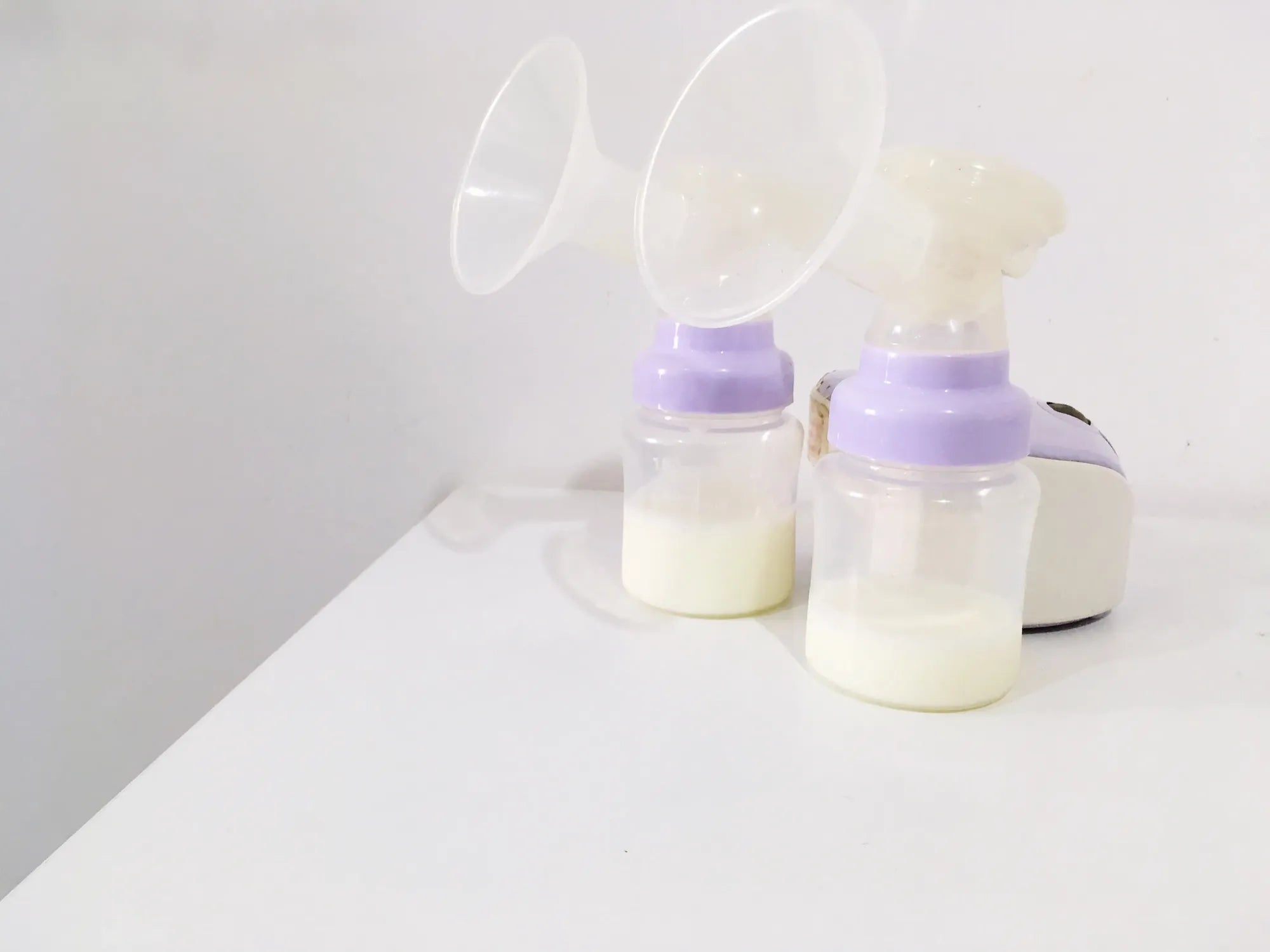
How to Treat Engorged Breasts When Pumping: A Comprehensive Guide
Introduction to Breast Engorgement and Pumping
Breast engorgement is a common, yet often intensely painful, experience for lactating individuals, characterized by overfull, hard, swollen, and tender breasts. It occurs due to a combination of increased blood flow, lymph fluid, and milk production, typically as your milk "comes in" a few days postpartum or when milk removal is insufficient. For pumping parents, engorgement can feel like a double-edged sword: the pump is the primary tool for relief, but using it incorrectly on engorged tissue can exacerbate discomfort and hinder milk flow.
This comprehensive guide is designed to walk you through a compassionate, effective protocol. We will cover the physiological causes, immediate pre-pumping softening techniques, how to optimize your pumping session for maximum relief, and essential between-session care. The goal is to transform pumping from a daunting task into a powerful solution for engorgement, helping you regain comfort and confidence in your feeding journey.
Understanding the Causes and Symptoms of Engorgement
Effective treatment begins with understanding why engorgement happens. The primary trigger is a mismatch between milk production and removal. In the early days, hormonal shifts cause a surge in milk volume. Later, engorgement often results from going too long between feedings or pumping sessions, an abrupt change in routine, or sudden weaning. Even a baby sleeping longer stretches can lead to morning engorgement.
Symptoms extend beyond simple fullness. You may experience breasts that are hard, tight, shiny, and warm to the touch. The areola can become so swollen that the nipple flattens, making latching or achieving a proper pump seal difficult. Some people report a low-grade fever (often called "milk fever") and throbbing pain. It's crucial to distinguish normal engorgement from a blocked duct or mastitis.
A blocked duct presents as a specific, tender lump in one breast, while mastitis involves flu-like symptoms (fever over 101.3°F, chills, body aches) alongside a red, wedge-shaped, painful area. Engorgement typically affects both breasts more uniformly and, while painful, shouldn't cause high fever or systemic illness. Recognizing these differences guides your response.
Pre-Pumping Strategies: Softening and Preparation
Attempting to pump on fully engorged, rock-hard breasts is often ineffective and painful. The swelling can compress milk ducts, preventing milk flow. Taking 5-10 minutes for gentle preparation can dramatically improve pumping outcomes and comfort. This step is non-negotiable for effective treatment.
Warm Compresses and Gentle Massage
Apply a warm, moist compress to your breasts for 5-7 minutes before pumping. The warmth helps stimulate the let-down reflex (milk ejection reflex) by encouraging oxytocin release. Avoid excessive heat, which can increase inflammation. Follow this with gentle breast massage. Using your fingertips, make small, circular motions starting at the chest wall and moving toward the nipple, like you're coaxing milk forward. This manual stimulation further primes your body for let-down.
Hand Expression and Reverse Pressure Softening
Hand expression is a critical skill. Before attaching the pump flange, gently hand-express a small amount of milk—just enough to soften the areola. This relieves some pressure and makes flange attachment easier. For severely swollen areolas, use Reverse Pressure Softening (RPS).
To perform RPS, place two fingers on either side of your nipple and apply steady, gentle pressure straight back toward your chest wall. Hold for about 60 seconds. This temporarily moves swelling inward and upward, allowing the nipple to protrude for a better pump seal. This technique, recommended by lactation consultants, can be a game-changer for achieving effective suction during engorgement.
Optimizing Your Pumping Session for Engorgement Relief
With softened breasts, you can now use your pump as an effective tool for relief. The right equipment, settings, and technique are paramount. The objective is efficient milk removal without causing additional trauma or stimulating an oversupply that could perpetuate the cycle.
Choosing the Right Pump and Settings
A pump with customizable, gentle settings is ideal for engorged breasts. Start every session in let-down or massage mode—a setting with rapid, light suction cycles designed to trigger your milk ejection reflex. Only switch to expression mode once you see milk flowing steadily. Never start at maximum suction; this can damage swollen tissue, cause pain, and inhibit let-down.
For many, a comfortable, hospital-grade wearable pump like the MomMed S21 Double Wearable Breast Pump is an excellent choice. Its ultra-quiet motor and adjustable, rhythmic suction patterns allow for a relaxed pumping experience, which is essential for oxytocin release. The hands-free design also lets you apply gentle breast compression during the session to help drain all areas.
Ensuring a Perfect Flange Fit
Flange fit is always important, but it's critical during engorgement. Swelling can temporarily change your nipple size, and an incorrect flange will cause friction, reduce milk output, and worsen swelling. Your nipple should move freely within the tunnel without rubbing the sides, and only a small amount of areola should be drawn in.
MomMed provides a range of flange sizes with their pumps, recognizing that a one-size-fits-all approach doesn't work. Taking a moment to measure your nipple diameter (or reassess during engorgement) and select the correct flange ensures comfortable, efficient milk removal, protecting your nipple health during this sensitive time.
Pumping Frequency and Duration
To resolve engorgement, increase pumping frequency while potentially shortening duration. Aim to pump every 2-3 hours, even at night, for about 15-20 minutes per session. The goal is to remove enough milk to feel comfortable, not to drain the breast completely, which can signal your body to produce even more.
Consistency is more effective than occasional marathon sessions. This regular removal reduces pressure gradually, helps maintain milk supply, and gives your body the clear signal that milk is being needed regularly, which can help regulate production to match demand.
Soothing Care Between Pumping Sessions
What you do between pumps is just as important for reducing inflammation and pain. This care focuses on cooling, support, and safe pain management to help your body recover.
The Power of Cold: Cold Packs and Cabbage Leaves
After pumping, apply cold therapy to reduce swelling and numb pain. Use a cold pack wrapped in a thin cloth or chilled cabbage leaves. Green cabbage leaves have natural properties that may help reduce inflammation. Chill leaves in the refrigerator, crush the veins slightly, and place them inside your bra against your breasts for 15-20 minutes. Discard after use. Repeat 2-3 times a day. The cold constricts blood vessels, reducing edema and providing significant relief.
Supportive Bras, Positioning, and Pain Relief
Wear a supportive, well-fitting nursing or pumping bra that is not tight or restrictive. Avoid underwire, which can compress ducts. When resting or sleeping, try to lie on your back or side with a pillow for support to avoid putting direct pressure on your breasts.
For pain and inflammation, over-the-counter ibuprofen (Advil, Motrin) is generally considered safe during lactation and can be highly effective. It reduces inflammation in the breast tissue, not just masks pain. Always confirm with your healthcare provider before taking any medication. Staying hydrated and resting as much as possible also supports your body's healing process.
Comparing Engorgement Management Strategies
The table below summarizes the core approaches, their purpose, and key implementation tips to help you build an effective routine.
| Strategy | Primary Purpose | Key Implementation Tips |
|---|---|---|
| Warm Compress & Massage | Stimulate let-down reflex, soften tissue pre-pump. | Apply for 5-7 min. Use gentle, circular motions toward nipple. |
| Reverse Pressure Softening (RPS) | Reduce areolar swelling for better pump flange seal. | Apply steady inward pressure around nipple base for 60 sec. |
| Frequent, Short Pumping | Relieve pressure regularly without over-stimulating supply. | Pump every 2-3 hrs for 15-20 min. Start in massage mode. |
| Post-Pump Cold Therapy | Reduce inflammation, swelling, and pain. | Use cold pack or chilled cabbage leaves for 15-20 min after pumping. |
| Ibuprofen & Supportive Bra | Manage systemic inflammation and provide physical support. | Use OTC meds per doctor's advice. Wear a non-restrictive, supportive bra. |
When to Seek Help: Blocked Ducts and Mastitis
While engorgement is often manageable at home, it can progress to more serious conditions. Vigilance is key. A blocked duct is a localized, tender lump with possible redness. Continue frequent milk removal, massage the lump toward the nipple during pumping or feeding, and apply warmth before and cold after.
Mastitis is a breast infection that requires medical attention. Symptoms include a firm, red, painful breast area (often wedge-shaped), fever over 101.3°F, chills, and body aches. If you suspect mastitis, contact your healthcare provider immediately. You will likely need antibiotics. Crucially, continue to remove milk from the affected breast through pumping or feeding; stopping can worsen the infection.
Any persistent, severe pain, open cracks on the nipples, or pus in milk are also signs to consult a lactation consultant or doctor. Professional support can address underlying issues like poor flange fit or pumping technique.
Frequently Asked Questions (FAQ)
Can pumping too much cause engorgement?
Not directly. Engorgement is caused by milk not being removed. However, pumping in a way that creates a significant oversupply can set up a cycle where your breasts become overfull more easily if you miss a session. The key is to pump for comfort and to match your baby's needs, not to "empty" completely at every session, which signals maximum production.
How long does it take for engorgement to go away with pumping?
With consistent, effective pumping and the soothing techniques outlined, you should feel significant relief within 24 to 48 hours. The hardness and pain should gradually subside as regular milk removal is re-established. Full resolution as your supply regulates may take a few more days.
Is it safe to use a wearable pump like the MomMed S21 for engorgement?
Yes, absolutely. In fact, a high-quality wearable pump like the MomMed S21 can be ideal. Its hospital-grade, adjustable suction allows you to start gently on the sensitive massage mode. The hands-free, cordless design means you can easily apply a warm compress or perform gentle breast massage before and during your session, which is crucial for engorgement management. Its comfort and discretion can reduce stress, further supporting milk let-down.
Should I pump even if only a little milk comes out when engorged?
Yes. The initial goal during severe engorgement is not volume but pressure relief. Even small amounts removed can soften the areola and reduce duct compression, making subsequent sessions more productive. The stimulation also tells your body to release oxytocin, which can help with let-down. Be patient and consistent.
Can I prevent engorgement when I need to stop pumping or wean?
Yes, through gradual weaning. Slowly reduce the length and/or frequency of your pumping sessions over several weeks. This gives your body time to decrease milk production gradually, minimizing engorgement. If needed, hand-express just enough for comfort during this process, as full pumping sessions would continue to signal for milk production.
Conclusion: Embracing Comfort and Confidence
Breast engorgement while pumping is a challenging but surmountable hurdle. The path to relief combines proactive softening techniques, smart pumping practices with the right equipment, and diligent aftercare. Remember the core sequence: warm and massage to prepare, pump gently and frequently with a perfect flange fit, and follow with cold therapy and support. Trusted, comfortable tools make this process easier. A pump like the MomMed S21, designed with a mother's comfort in mind, can be a reliable partner in navigating this phase, offering the gentle, customizable, and hands-free operation that engorged breasts need.
Be patient with your body. This is a temporary adjustment period. By responding with knowledge and compassion, you can effectively manage engorgement, protect your milk supply, and continue your feeding journey with greater comfort and confidence. You have the strategies and the strength to find relief.
Shop the MomMed collection at mommed.com for all your breastfeeding and pregnancy needs, including the S21 Wearable Pump and a full range of flange sizes designed for comfort and effective milk removal.