


Accueil
Pregnancy, Breastfeeding, and Pumping: The Ultimate Guide for Moms
How to Sit When Pumping Breast Milk: A Comprehensive Guide for Comfort & Output
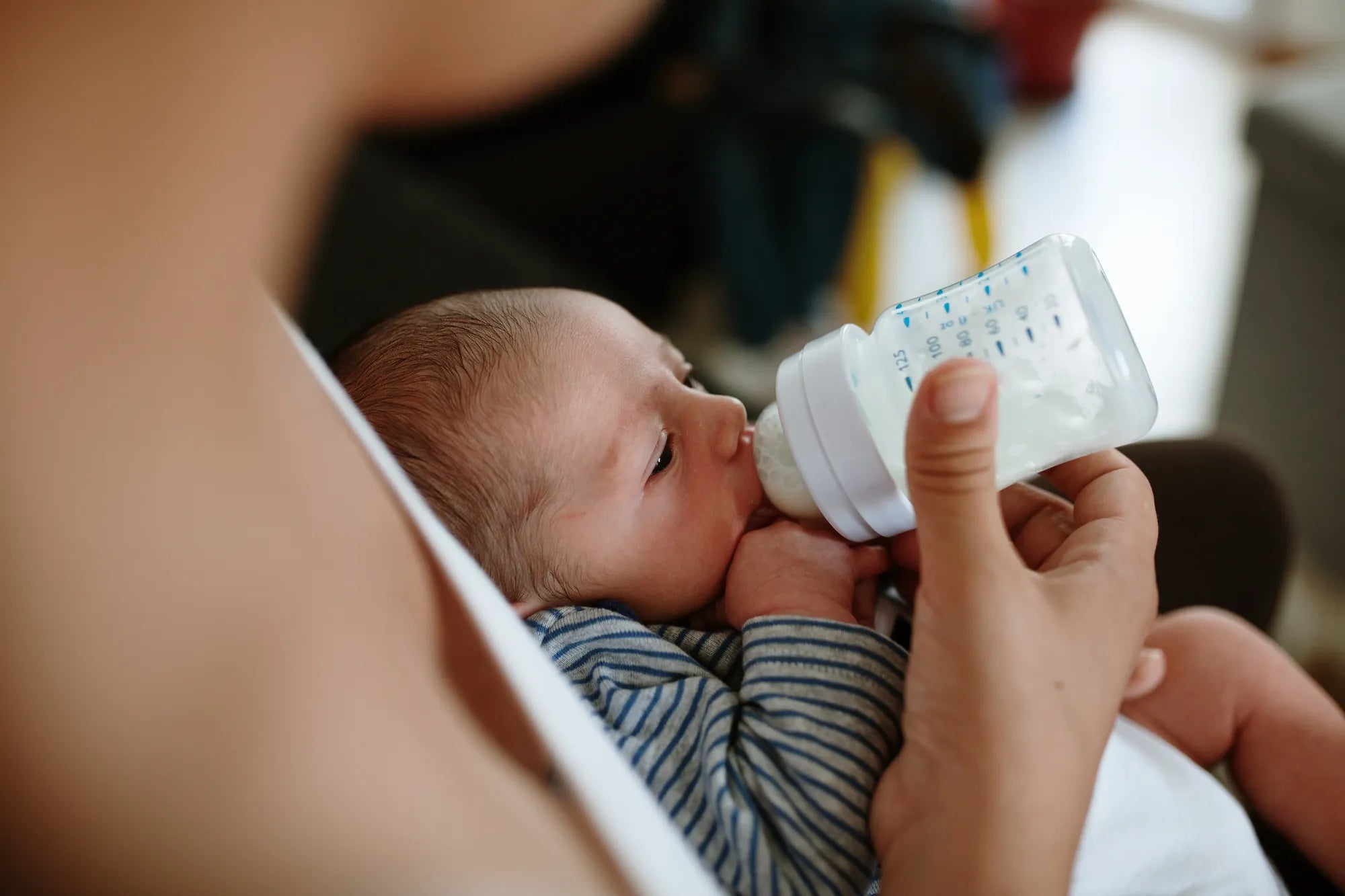
How to Sit When Pumping Breast Milk: A Comprehensive Guide for Comfort & Output
You’ve researched the best breast pump, mastered flange sizing, and perfected your pumping schedule. Yet, a nagging ache in your neck, shoulders, or back persists after every session. The culprit is often overlooked: your posture. How to sit when pumping breast milk is a critical component of a sustainable, comfortable, and effective routine. This guide provides a data-driven, step-by-step approach to creating an ergonomic setup that protects your body and can even enhance your milk output by promoting relaxation and let-down.
Introduction: Why Your Pumping Posture Matters
Pumping breast milk is a physical act that, when done repeatedly with poor alignment, can lead to musculoskeletal strain. A study in the Journal of Human Lactation notes that musculoskeletal complaints are common among lactating parents, often exacerbated by static, strained positions during feeding or pumping. Proper posture is not a luxury; it's a preventative health measure.
Beyond avoiding pain, your seated position directly impacts your pumping success. The milk ejection reflex, or let-down, is mediated by the hormone oxytocin. Stress, discomfort, and physical tension can inhibit oxytocin release. Sitting in a cramped, hunched position signals stress to your body, potentially delaying let-down and reducing the volume of milk expressed in a session.
Optimizing how you sit is about creating a ritual of comfort that tells your body it's safe to release milk. As a brand dedicated to supporting mothers, MomMed designs products—from our wearable pumps to nursing pillows—with this holistic comfort in mind, helping you build a pumping routine that cares for your body as much as it nourishes your baby.
The Biomechanics of an Ideal Pumping Position
The goal is to maintain the spine's natural 'S' curve. This alignment distributes weight evenly, minimizes disc pressure, and allows your diaphragm to expand fully for relaxed breathing. Your posture should be supported, not sustained by muscle effort.
Key anatomical points of contact must be considered. Your feet should be supported, your pelvis should be in a neutral tilt, and your shoulders should be stacked over your hips, not rounded forward. This position prevents the common forward head posture that strains the cervical spine and trapezius muscles.
Bringing the pump to you is a fundamental principle. Leaning forward to reach flanges or bottles places immense strain on the lower back. Instead, your setup should allow you to sit fully back in your chair with the collection containers held securely close to your body, eliminating the need to bend.
Finally, symmetry is crucial. Ensure both sides of your body are equally supported. Uneven weighting, like leaning to one side to hold a phone, can create muscle imbalances and pain over time, especially during the repetitive nature of pumping.
How to Sit When Pumping: A Step-by-Step Ergonomic Setup
Follow this sequence to build your optimal pumping station every time. Consistency in setup leads to consistency in comfort.
Step 1: Selecting and Positioning Your Chair
Choose a chair with firm lumbar support. Dining chairs, sturdy armchairs, or ergonomic office chairs are ideal. Avoid deep, soft couches or beds for primary pumping sessions, as they encourage slouching and provide poor support. The chair height should allow your feet to rest flat on the floor.
Position yourself to sit all the way back in the chair so the backrest supports your entire spine. Your buttocks should touch the chair back. If there's a gap between your lower back and the chair, that's where a lumbar pillow or rolled towel is essential.
Step 2: Optimizing Support with Pillows and Props
Use a small pillow or specially designed lumbar roll to fill the space between your lower back and the chair. This maintains the natural inward curve of your spine. Place a pillow on your lap to bring your baby, a book, or your pump controls closer, reducing the need to bend forward.
Support your arms. If your chair has armrests, use them. If not, place pillows beside you to support your elbows and forearms, preventing your shoulders from hiking up toward your ears. This relaxes the upper trapezius and neck muscles.
Consider foot support. If your feet don't rest flat, use a small footstool, a stack of books, or a yoga block. Keeping your knees level with or slightly above your hips helps maintain a neutral pelvic tilt, the foundation of good spinal posture.
Step 3: Attaching Flanges and Managing Tubing
Lean forward only briefly to position the breast shields correctly. Once attached, sit back fully into your supported position. Ensure tubing is organized and not pulling the flanges sideways, which can break suction and cause discomfort. A hands-free pumping bra is non-negotiable for posture; it holds the flanges securely, freeing your hands and arms.
With a traditional pump, place the motor on a stable surface beside or slightly behind you to prevent cord tension. The goal is to create a stable, hands-free system where you can fully recline into your chair's support without adjusting or holding anything.
Common Pumping Posture Mistakes and Corrective Solutions
Identifying and correcting these common errors can bring immediate relief.
Mistake 1: The Hunch. Rounding the shoulders and upper back forward to look down at the bottles. Correction: Use a pillow on your lap to elevate the bottles to your eye line. Set up a mirror in front of you to monitor flow without looking down.
Mistake 2: The Neck Crane. Straining the neck forward or to the side for prolonged periods, often while watching TV or a baby monitor. Correction: Position screens at eye level. Perform gentle chin tucks every few minutes to reset neck alignment.
Mistake 3: The Tense Hold. Manually holding flanges in place because the bra isn't supportive or the flange fit is poor. Correction: Invest in a high-quality, adjustable hands-free bra. Ensure you are using the correct flange size—MomMed offers sizing guides and multiple flange options to prevent this issue.
Mistake 4: The Asymmetrical Slouch. Leaning to one side to tend to a baby or use a phone. Correction: Keep essentials within easy reach on both sides. If you need to hold your baby, use a breastfeeding pillow for support and ensure your own posture remains centered.
Transforming Posture with Wearable Pumping Technology
Wearable breast pumps represent a paradigm shift in postural ergonomics. By eliminating external tubing and large collection bottles that hang from your chest, they decouple the act of pumping from a stationary, tethered position.
MomMed's award-winning S21 Double Wearable Breast Pump exemplifies this innovation. Its compact, all-in-one design fits inside a standard nursing bra. With no cords or external motors, you are free to sit upright in any supportive chair—or even stand and move gently—without compromising your setup. This mobility allows for natural postural shifts and prevents the static muscle fatigue associated with being 'locked' into one position.
The psychological impact is significant. The ability to move about, even to complete light tasks, reduces the feeling of being confined. This decrease in perceived stress can facilitate a quicker, more robust let-down reflex. The quiet, discreet operation of pumps like the S21 further contributes to a relaxed state, making it easier to maintain a comfortable, open posture.
Posture Showdown: Traditional vs. Wearable Pumping
The following table contrasts the postural implications of each pump type.
| Posture Factor | Traditional Electric Pump (Tethered) | Wearable Pump (e.g., MomMed S21) |
|---|---|---|
| Spinal Alignment | Often encourages forward lean to manage bottles/motor; risk of hunching. | Enables true upright sitting; spine remains in neutral alignment. |
| Shoulder & Neck Freedom | Restricted by tubing; shoulders may round forward. | Complete freedom; shoulders can stay relaxed and down. |
| Mobility During Session | Extremely limited; shifting position risks breaking suction. | High; can stand, walk, stretch, or shift seating without interruption. |
| Arm & Hand Usage | Often needed to stabilize bottles or adjust settings. | Completely hands-free after initiation. |
| Setup for Let-down | Can be stressful due to complex setup and immobility. | Simplified setup promotes relaxation, aiding oxytocin release. |
Advanced Tips for Specific Scenarios
Pumping at a Desk/Office: Use an ergonomic office chair. Ensure your keyboard and monitor are positioned so you can type with elbows at 90 degrees and view the screen at eye level while pumping. A wearable pump is invaluable here for maintaining professionalism and comfort.
Pumping After a C-Section: Posture is crucial for protecting your incision. Focus on deeply supported sitting. Use ample pillows for lumbar and lateral support. A footstool is highly recommended to avoid pressure on the abdomen when planting feet. Lean back at a slight recline if upright sitting is uncomfortable.
Pumping While Caring for Other Children: Safety first. A wearable pump allows you to move quickly if needed. Create a safe, enclosed "nest" on the floor with pillows against a wall for support, keeping toys and the child within arm's reach without requiring you to twist or lean unsafely.
Managing Existing Back Pain: Consult a physical therapist. Incorporate gentle, pumping-friendly stretches like seated cat-cows and shoulder rolls before and after sessions. Heat packs on the upper back or lower back before pumping can relax tight muscles and improve posture.
FAQ: Your Pumping Posture Questions Answered
Q: Can I pump lying down or reclining?
A: Yes, but with important caveats. A fully reclined position is possible with a secure hands-free bra and wearable pumps are ideal for this. Ensure your head, neck, and spine are aligned and supported with pillows. Be cautious with traditional pumps to prevent milk backflow into tubing.
Q: How can I actually relax my shoulders while pumping?
A> Before starting, perform shoulder circles: inhale as you lift shoulders to ears, exhale as you roll them back and down. Consciously check in every few minutes during pumping, releasing any tension. Proper arm support is the most effective long-term solution.
Q: What is the single best investment for better pumping posture?
A> A high-quality, adjustable hands-free pumping bra. It is the cornerstone that enables all other postural corrections by freeing your hands and securing the setup.
Q: Does posture really affect my milk output?
A> Absolutely. Research and anecdotal evidence from lactation consultants strongly suggest a link. Discomfort and stress elevate cortisol, which can inhibit oxytocin. A comfortable, supported posture reduces physical stress, promoting a better environment for let-down and efficient milk removal.
Q: I have to pump in the car often. Any tips?
A> Park safely first. Recline the seat slightly. Use a lumbar support pillow and a neck pillow if needed. A wearable pump is the safest and most practical choice for this scenario, allowing you to remain properly buckled.
Building a Sustainable, Pain-Free Pumping Routine
Your pumping journey is a marathon, not a sprint. Integrating these postural principles is an investment in your long-term physical well-being. Consistency is key; taking the extra minute to properly set up your chair and supports pays dividends in comfort and output over weeks and months of pumping.
Listen to your body. If you feel pain, stop and reassess your setup. Minor adjustments in pillow placement or chair height can make a profound difference. Consider your pumping posture as a dynamic element of your routine that can be tweaked and improved.
The right tools empower better posture. From the ergonomic design of MomMed's wearable pumps that grant true postural freedom, to our nursing bras engineered for secure, hands-free support, every product is developed with the physical comfort of the pumping parent as a priority. Combining knowledge with innovative tools creates an optimal experience.
Mastering how to sit when pumping breast milk transforms it from a chore to be endured into a mindful, comfortable act of self-care. It protects your body during a demanding phase of motherhood and supports your feeding goals. Your comfort is not secondary to your output; it is the pathway to achieving it. For gear that supports your posture and your journey, shop the MomMed collection at mommed.com for all your breastfeeding and pregnancy needs.