


Accueil
Pregnancy, Breastfeeding, and Pumping: The Ultimate Guide for Moms
How to Put on Wearable Breast Pump: A Step-by-Step Guide for Hands-Free Freedom
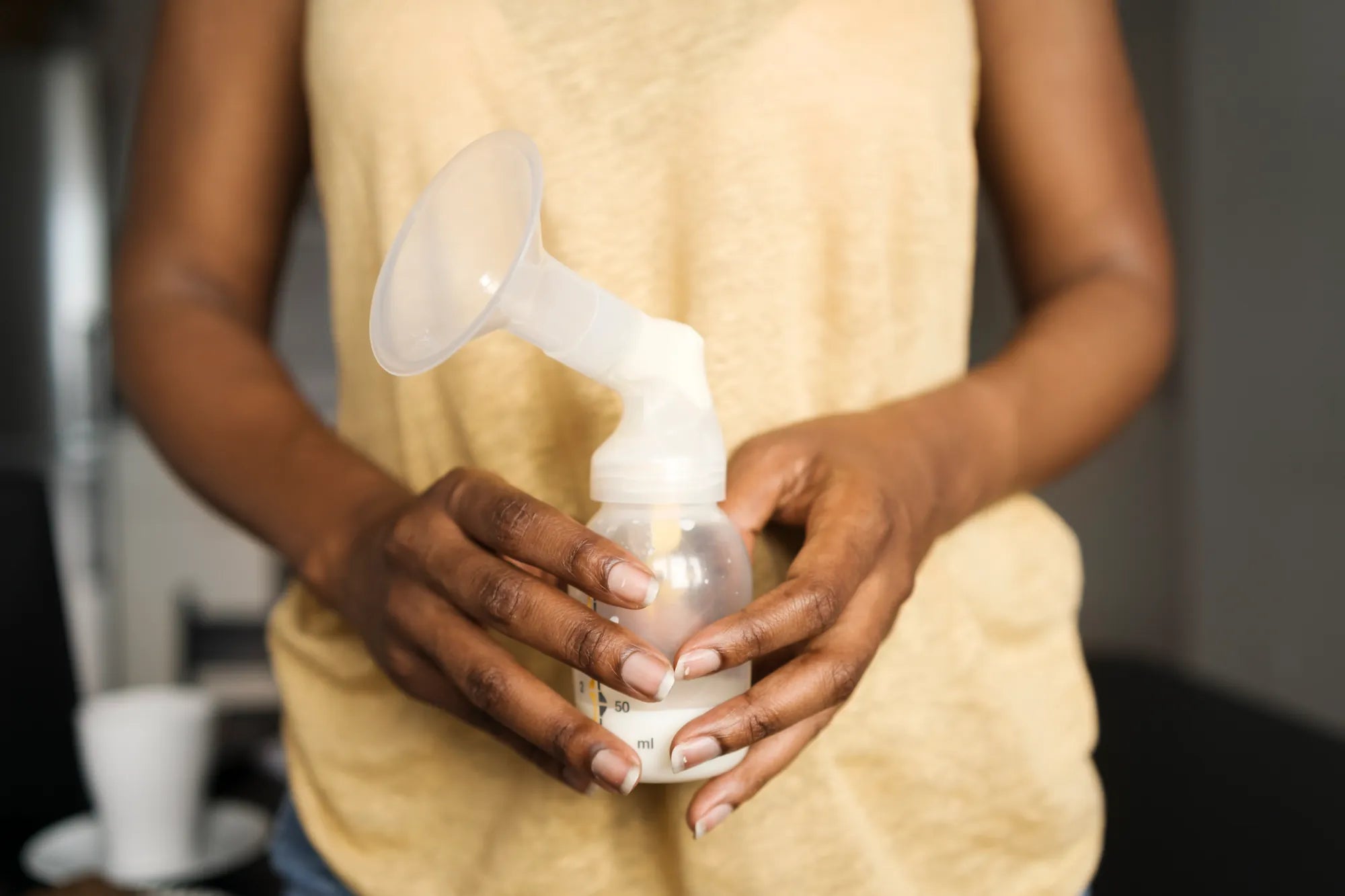
How to Put on Wearable Breast Pump: A Step-by-Step Guide for Hands-Free Freedom
Introduction: Embracing Hands-Free Pumping with Confidence
Mastering how to put on a wearable breast pump correctly is the key to unlocking true feeding flexibility. A proper fit ensures comfort, efficiency, and the ability to maintain your milk supply while on the move. This guide demystifies the process, transforming what might seem intimidating into a simple, repeatable routine.
We'll walk you through every step, from pre-pump preparation to post-session care, with a focus on the award-winning MomMed S21 Double Wearable Breast Pump. Trusted by thousands of moms, MomMed specializes in creating reliable, comfortable, and innovative products that support every stage of the maternal journey, from pregnancy tests to feeding gear.
By the end of this guide, you'll feel confident in your ability to secure your pump for optimal performance. The goal is to make pumping a seamless part of your day, whether you're working, caring for older children, or simply enjoying a moment of hands-free freedom.
Before You Begin: Essential Preparation for a Successful Session
Proper preparation sets the stage for an effective and comfortable pumping session. Rushing this stage can lead to poor output, discomfort, or even issues like clogged ducts. Start by ensuring you are in a relaxed state, as stress can inhibit your let-down reflex.
Hygiene is non-negotiable. Always wash your hands thoroughly with soap and water before handling any pump parts. Assemble all clean, dry components on a clean surface. For the MomMed S21, this includes the pump motors, collection cups, flanges, valves, diaphragms, backflow protectors, and tubing.
Confirm your pump is fully charged. A wearable pump's primary advantage is cordless mobility, which is lost if the battery dies mid-session. The MomMed S21 offers up to 2.5 hours of pumping time on a single charge, providing ample power for multiple sessions.
Have a glass of water and a snack nearby. Hydration and nutrition are directly linked to milk production. Wear a supportive nursing bra or a pumping bra designed to hold wearable pumps securely. A proper bra is crucial for maintaining the pump's position and seal.
Step-by-Step Guide: How to Put On Your MomMed Wearable Breast Pump
This core section breaks down the process into clear, manageable steps. Follow them in order to ensure a secure, comfortable, and efficient fit every time you pump.
Step 1: Assemble and Position the Flanges
Begin by attaching the correct flange size to the collection cup. MomMed pumps use BPA-free, food-grade silicone flanges for safety and comfort. Using the wrong flange size is a leading cause of nipple pain, discomfort, and reduced milk output.
Your nipple should move freely in the tunnel without rubbing the sides, and only a small amount of areola should be drawn in. MomMed provides a sizing guide; if in doubt, consult a lactation consultant. Once selected, ensure the flange clicks or screws securely onto the collection cup.
Angle the flange slightly downward and outward, mimicking the natural position a baby's mouth would take. This alignment helps milk flow efficiently into the collection cup and is more anatomically comfortable for most women.
Step 2: Secure the Pump into Your Nursing Bra or Cami
With the flanges assembled, carefully insert each pump unit into your bra cup. A dedicated pumping bra with strategic openings is highly recommended, as it provides the most secure hold. If using a regular nursing bra, ensure it is tight enough to support the pump's weight.
Position the collection cup so the flange is centered over your nipple. The bottom of the cup should sit comfortably against your rib cage. The goal is a snug fit that holds the unit in place without excessive pressure that could compress breast tissue or milk ducts.
For pumps like the MomMed S21 with a separate motor, ensure the slim motor is securely attached to the top or back of the bra, or placed in a pocket if your clothing has one. The ultra-quiet design allows for discreet placement without drawing attention.
Step 3: Center and Seal for Optimal Comfort & Efficiency
This is the most critical step for learning how to put on a wearable breast pump effectively. Once the unit is in your bra, use your hands to gently guide your nipple to the center of the flange tunnel. Misalignment here can cause pinching and poor suction.
Lean forward slightly. This allows your breast to fill the flange more completely. Press the collection cup gently against your breast to create an initial seal. The pump's suction will then maintain this seal. You should feel a gentle pull, not pain.
A proper seal is air-tight. If you hear a hissing sound or see milk leaking from the edges, break the seal by pressing the cup away from your breast and reposition. A poor seal drastically reduces suction efficiency and milk collection.
Step 4: Power On and Select Your Settings
Once both pumps are securely sealed, power on the device. The MomMed S21 features a simple LED touch interface. Always begin in 'Stimulation' or 'Let-Down' mode. This mode uses rapid, gentle suction cycles to trigger your milk ejection reflex.
Start at the lowest suction level that feels effective. The goal is comfort. You can gradually increase the suction after a minute or two, but never to a point of pain. After 2-3 minutes in stimulation mode, or when you see milk flowing steadily, switch to 'Expression' mode.
Expression mode uses slower, stronger pulls to efficiently drain the breast. Adjust the suction and cycle speed to a level that feels effective and comfortable. The entire process of how to put on a wearable breast pump culminates in finding your personal comfort zone within these customizable settings.
Pro Tips for Maximum Comfort and Output
Applying a small amount of nipple cream or pure coconut oil to the flange rim can create a better seal and reduce friction. Ensure any product used is safe for your baby and will not degrade the silicone.
Practice hands-on pumping (HOP). Gently massage your breasts before and during pumping, starting at the chest wall and moving toward the nipple. This can help release more milk and fully drain ducts, which is crucial for maintaining supply and preventing clogs.
Stay relaxed. Look at a photo or video of your baby, listen to calming music, or practice deep breathing. Stress hormones like cortisol can hinder let-down. The discreet, quiet operation of pumps like the MomMed S21 helps maintain a calm environment.
Pump for drainage, not time. While a typical session is 15-20 minutes per breast, continue for 2-3 minutes after the last drops of milk appear to ensure complete emptying. This signals your body to produce more milk.
Troubleshooting Common Wearable Pump Fit Issues
Even with the best guide on how to put on a wearable breast pump, issues can arise. Here are solutions to common problems.
Poor Suction or Leaking: This is almost always a seal issue. Ensure your breast is centered in the flange, the flange is the correct size, and the collection cup is pressed flush against your skin. Check that all valves and diaphragms are clean, dry, and properly installed.
Discomfort or Pain: Immediately reduce the suction level. Re-evaluate your flange size—pain often indicates it's too small. Ensure the pump is not tilted at an awkward angle in your bra, causing the flange to dig in. Nipple pain can also be a sign of thrush; consult a provider if it persists.
Minimal Milk Output: First, ensure you triggered let-down in stimulation mode. Check the seal. Are you relaxed and hydrated? Try breast massage and warmth applied before pumping. Output can also vary based on time of day; many women produce more in the morning.
Caring for Your MomMed Pump: Hygiene and Maintenance
Proper care protects your investment and, most importantly, your baby's health. After each use, immediately disassemble all parts that come into contact with breast milk: flanges, valves, diaphragms, and collection cups.
Rinse parts in cool water first, then wash with warm, soapy water using a bottle brush designed for pump parts. Rinse thoroughly. You can also use a dishwasher with a sanitize cycle for MomMed's top-rack dishwasher-safe parts, excluding the motors.
Allow all parts to air-dry completely on a clean drying rack before reassembling or storing. Do not store parts while damp, as this promotes mold growth. Regularly inspect parts for wear, like cracked tubing or stiff valves, and replace them as needed to maintain optimal suction.
Wearable Pump Comparison: Key Features at a Glance
Understanding different models can help contextualize the features that aid in a proper fit and use. The table below compares popular MomMed models.
| Feature | MomMed S21 (Double) | MomMed S12 (Single) | MomMed Swing (Electric) |
|---|---|---|---|
| Pump Type | Wearable, Cordless | Wearable, Cordless | Portable Electric (Corded/Cordless) |
| Hands-Free Design | Fully Contained in Bra | Fully Contained in Bra | Requires Bottles & Holding Bra |
| Suction Levels | 9 Levels, 4 Modes | 9 Levels, 4 Modes | 9 Levels, 2 Modes |
| Noise Level | Ultra-Quiet (<40dB) | Ultra-Quiet (<40dB) | Quiet |
| Battery Life | ~2.5 Hours | ~2.5 Hours | ~1.5 Hours |
| Ideal For | Full-time mobility, work, multitasking | Occasional on-the-go use, single pumping | Primary pump, powerful suction at home or office |
FAQ: Quick Answers to Common Questions
Q: Can I bend over while wearing a wearable pump?
A: With a proper seal and a supportive bra, you can perform light bending. However, significant bending or vigorous activity may break the seal or cause spills. It's best to remain relatively upright.
Q: How do I know my flange size is correct?
A> Your nipple should not rub the sides of the tunnel during pumping, and only a small portion of areola should be drawn in. Persistent pain, blanching (whitening) of the nipple, or poor output are signs of incorrect size. Measure your nipple diameter and add 2-4mm.
Q: Is it really quiet enough for public or work use?
A> Yes, models like the MomMed S21 operate at less than 40 decibels—quieter than a whisper. The sound is typically muffled by clothing, making it discreet for use in open offices, libraries, or while shopping.
Q: How often should I replace pump parts?
A> Valves and diaphragms (membranes) wear out fastest and should be replaced every 4-8 weeks with frequent use, as they lose elasticity and affect suction. Flanges and bottles last longer but replace if cracked or cloudy.
Q: Can I use a wearable pump as my primary pump?
A> Many mothers do, especially with a powerful, hospital-grade wearable like the MomMed S21. However, if you have low supply, are exclusively pumping, or are establishing supply in the early weeks, a traditional double-electric pump may be more efficient initially.
Conclusion: Your Freedom, On Your Terms
Mastering how to put on a wearable breast pump is a skill that grants you invaluable autonomy. It allows you to nourish your baby without being tethered to a wall outlet, blending feeding seamlessly into your active life. Remember, practice and patience are key; your comfort and efficiency will improve with each session.
Trust in equipment designed with a mother's real needs in mind. MomMed is committed to supporting this journey with innovative, reliable products like the S21 double wearable pump, helping you meet your feeding goals with confidence. Embrace the flexibility and reclaim your time.
Shop the MomMed collection at mommed.com for all your breastfeeding and pregnancy needs, from wearable pumps and pregnancy tests to essential nursing accessories and baby care products.