


Accueil
Pregnancy, Breastfeeding, and Pumping: The Ultimate Guide for Moms
How to Increase Breast Milk in One Day While Pumping: A Strategic Guide
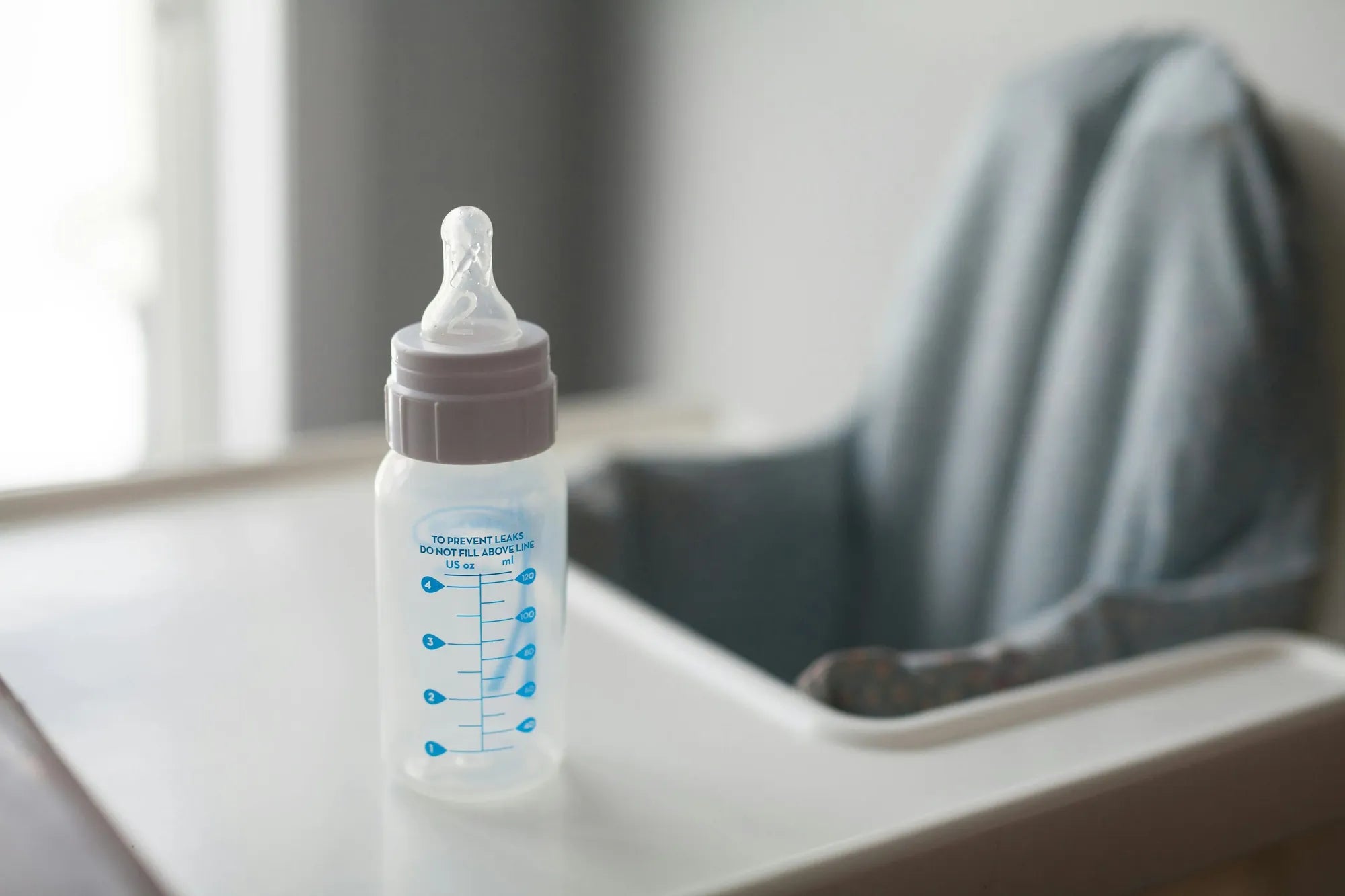
How to Increase Breast Milk in One Day While Pumping: A Strategic Guide
Introduction: Understanding the "One Day" Goal for Pumping Moms
When your pumping output dips or you need to build a stash fast, the question of how to increase breast milk in one day while pumping becomes urgent. The stress of low supply can feel overwhelming, but targeted, strategic actions within a 24-hour window can optimize your body's production and lay a crucial foundation for longer-term improvement. This guide is designed for the mom who needs a clear, actionable plan right now. While sustainable increases are built over weeks, the steps you take today can significantly influence your pumping yield tomorrow. We'll combine lactation science with practical tips, highlighting how the right tools—like comfortable, efficient breast pumps from trusted brands like MomMed—can support you in this critical mission.
The Science Behind Milk Production: Supply and Demand 101
Breast milk production operates on a simple but powerful principle: supply and demand. The more milk that is effectively removed from your breasts, the more your body is signaled to make. Prolactin, the primary milk-making hormone, is stimulated by nipple stimulation and emptying.
Pumping is a valid and powerful form of creating this "demand." However, not all pumping is equal. Inefficient removal—due to poor flange fit, infrequent sessions, or incomplete emptying—sends a weaker signal than a baby who nurses effectively. Your 24-hour mission is to supercharge that signal.
The goal is to mimic a growth spurt or cluster-feeding pattern through your pump. This intense period of demand tells your body, "We need more milk," prompting it to ramp up production. Understanding this biology is the first step to working with your body, not against it.
Your 24-Hour Action Plan: Strategic Steps to Maximize Pump Output
This plan is designed to be implemented from the moment you decide to act. Consistency and precision are key. Commit to following these steps as closely as possible for the next 24 hours to give your body the strongest possible message.
Your schedule should revolve around frequent milk removal. Aim to pump every 2-3 hours, including one session at night. If you normally pump 6 times a day, try for 8-10 sessions in this 24-hour period. Even if the volume seems small at first, the frequency is what matters most.
Power Pumping: The Gold Standard for Signaling More Production
Power pumping is the cornerstone of this plan. It simulates cluster feeding by using an extended, intermittent pumping session to boost prolactin levels. Replace one of your regular pumping sessions with this protocol.
A highly effective power pumping schedule is: Pump for 20 minutes, rest for 10 minutes, pump for 10 minutes, rest for 10 minutes, pump for a final 10 minutes. This creates a one-hour session of intense demand. The rest periods mimic a baby pausing, which can trigger additional let-downs.
Perform this power pump once in your 24-hour plan, ideally during a time when your natural prolactin levels are higher, such as in the early morning. Consistency is vital; continuing this practice for 3-5 days often yields the most noticeable cumulative increase.
Optimizing Every Pumping Session: Technique is Everything
Each regular session must be as effective as possible. Start with 2-3 minutes of gentle breast massage and/or a warm compress to encourage blood flow and let-down. Ensure your flange fit is perfect; a flange that is too large or small can reduce output by up to 50% and cause pain.
During pumping, use hands-on techniques. Massage your breasts from the chest wall toward the nipple, compressing gently to help drain the milk ducts. Don’t just watch the bottles; actively work to empty the breast. Pump for 2-5 minutes after the last drops of milk flow to signal further need.
The Hydration and Nutrition Quick-Fix
Dehydration is a direct barrier to milk production. Your goal is extreme hydration. Drink a large glass of water every time you pump. Carry a water bottle with you constantly. Your urine should be pale yellow.
Focus on lactogenic (milk-supporting) foods that are easy to prepare. A big bowl of oatmeal for breakfast, snacks with flaxseed or brewer’s yeast, and maintaining balanced protein intake can provide supportive nutrients. Avoid sudden, drastic diet changes or excessive caffeine, which can be dehydrating.
Creating the Ideal Environment: How Your Gear and Mindset Help
Your physical comfort and mental state directly influence your let-down reflex, which is controlled by the hormone oxytocin. Stress and discomfort inhibit oxytocin, while relaxation and comfort promote it. Your environment and equipment are not just accessories; they are active tools in your quest to increase breast milk in one day while pumping.
The Role of a High-Quality, Comfortable Pump
The right pump makes this intensive plan sustainable. A hospital-grade or high-quality double electric pump is essential for efficiency. Wearable pumps, like the MomMed S21 Double Wearable Breast Pump, are particularly advantageous for this plan.
Their hands-free, cordless design allows you to move during power pumping or regular sessions, reducing the feeling of being "tethered." This mobility can lower stress. The MomMed S21 offers adjustable suction levels and patterns to mimic a baby’s nursing, which is crucial for comfort during frequent use. Importantly, all MomMed pumps are made with BPA-free, food-grade silicone, ensuring safety for both you and your baby during this sensitive time.
Mastering the Mental Game: Stress vs. Let-Down
Before you pump, take 60 seconds to center yourself. Look at a photo or video of your baby, smell an item of their clothing, or practice deep, diaphragmatic breathing. Create a dedicated, comfortable "pumping station" with a supportive chair, snacks, and water.
During pumping, distract yourself from the output. Read a book, watch a show, or listen to a podcast. The anxiety of watching for milk can tense you up. Using a warm lactation massager on your breasts can also provide comforting physical stimulation that aids let-down.
What to Realistically Expect: Data and Managing Expectations
It is crucial to set realistic goals. While the question of how to increase breast milk in one day while pumping is valid, biology has its pace. A "success" in 24 hours might be a small but measurable increase in total daily output or simply establishing a stronger, more consistent let-down.
Some mothers may see an extra 0.5 to 1 ounce per day initially. The real growth often comes from repeating these strategic behaviors over 3-7 days. The table below illustrates a potential comparison, though individual results vary based on numerous factors.
| Factor | Typical Pumping Day (Baseline) | Strategic 24-Hour Plan (Goal) |
|---|---|---|
| Pumping Frequency | 6-7 sessions | 8-10 sessions + 1 power pump |
| Session Effectiveness | Passive pumping, possible incomplete emptying | Hands-on pumping, massage, ensured emptiness |
| Hydration Focus | Standard intake | High, intentional intake (water with every session) |
| Mental Environment | Possible stress, distraction | Dedicated relaxation techniques, comfortable gear |
| Potential 24-Hr Output Impact | Baseline output | Small increase (0.5-2 oz total), stronger signaling for future days |
The most important outcome is that you have powerfully reset your supply-and-demand signal. Consistency in the days following this intensive focus is what will translate this effort into a sustained higher supply.
Frequently Asked Questions (FAQs)
Q: Can certain foods or supplements increase milk in one day?
A: While foods like oats, flaxseed, and brewer's yeast provide supportive nutrients, no single food is a magic bullet for a one-day surge. The primary driver is frequent, effective milk removal. Herbal supplements like fenugreek or blessed thistle can take several days to potentially have an effect and may not work for everyone; some can even negatively impact supply. Always consult a lactation consultant or doctor before starting any supplement.
Q: I'm only getting drops when I pump. Is this plan for me?
A> Absolutely. The principles remain the same. Your focus should be on maximizing the signal you are sending. Ensure you have the correct flange size—this is often the issue. Pump every 2-3 hours without fail, even for just 15 minutes if only drops appear. Follow each pumping session with 5-10 minutes of hand expression to ensure complete emptiness, which is a critical signal.
Q: How soon after starting power pumping might I see a change?
A> Some mothers notice a slight increase in output within 24-48 hours. For many, a more noticeable change occurs after 2-3 days of consistent daily power pumping. Think of it as "priming the pump" of your own physiology; the first session starts the process.
Q: Is it safe to pump this frequently? Will I hurt my breasts?
A> With proper technique, it is safe. The key is using comfortable suction settings—just enough to express milk, not cause pain. Ensure perfect flange fit to avoid nipple damage. If you experience significant pain, redness, or fever, stop and consult a healthcare provider to rule out issues like mastitis.
Q: My pump doesn't seem to empty me well. What should I do?
A> First, verify your flange size. Most women need a size smaller than the standard 24mm or 28mm flange provided. Check your pump parts—duckbill valves and backflow protectors wear out and need regular replacement (every 4-12 weeks) to maintain suction. Consider trying a different pump cycle; a stimulation mode followed by a slower, deeper expression mode often mimics a baby best. A pump like the MomMed Swing Breast Pump offers multiple, adjustable modes to help find your perfect setting.
Beyond the First Day: Building a Sustainable Pumping Routine
Your 24-hour effort is a powerful jumpstart, but long-term success requires integrating these strategies into a sustainable routine. Identify which elements had the biggest impact for you—was it the power pumping, the hands-on technique, or the hydration focus? Make those your new non-negotiables.
Consider adopting a "power pump once a day" practice until you reach your supply goal. Continue to prioritize pumping frequency, even as you gradually space out night sessions as appropriate. Your body thrives on predictable, consistent demand.
Invest in equipment that supports your lifestyle and comfort for the long haul. A reliable, comfortable pump is not an expense; it's an investment in your breastfeeding journey and your baby's nutrition. Wearable technology can be transformative, allowing you to maintain your pumping schedule without being confined to one spot.
Conclusion: Your Journey to Confident Pumping Starts Today
Learning how to increase breast milk in one day while pumping empowers you with knowledge and a concrete plan. You now understand that the pillars of success are aggressive demand through frequency and power pumping, optimal technique for complete emptying, relentless hydration, and a calm, supported mindset. Today's focused effort is the strongest signal you can send to your body about your baby's needs. Trust the process, be patient with your unique physiology, and know that every ounce you produce is a testament to your dedication. For the tools that support a comfortable and effective journey, shop the MomMed collection at mommed.com for all your breastfeeding and pregnancy needs, from award-winning wearable pumps to essential nursing accessories.