


Accueil
Pregnancy, Breastfeeding, and Pumping: The Ultimate Guide for Moms
How to Gradually Stop Pumping Breast Milk: A Step-by-Step Guide for a Comfortable Transition
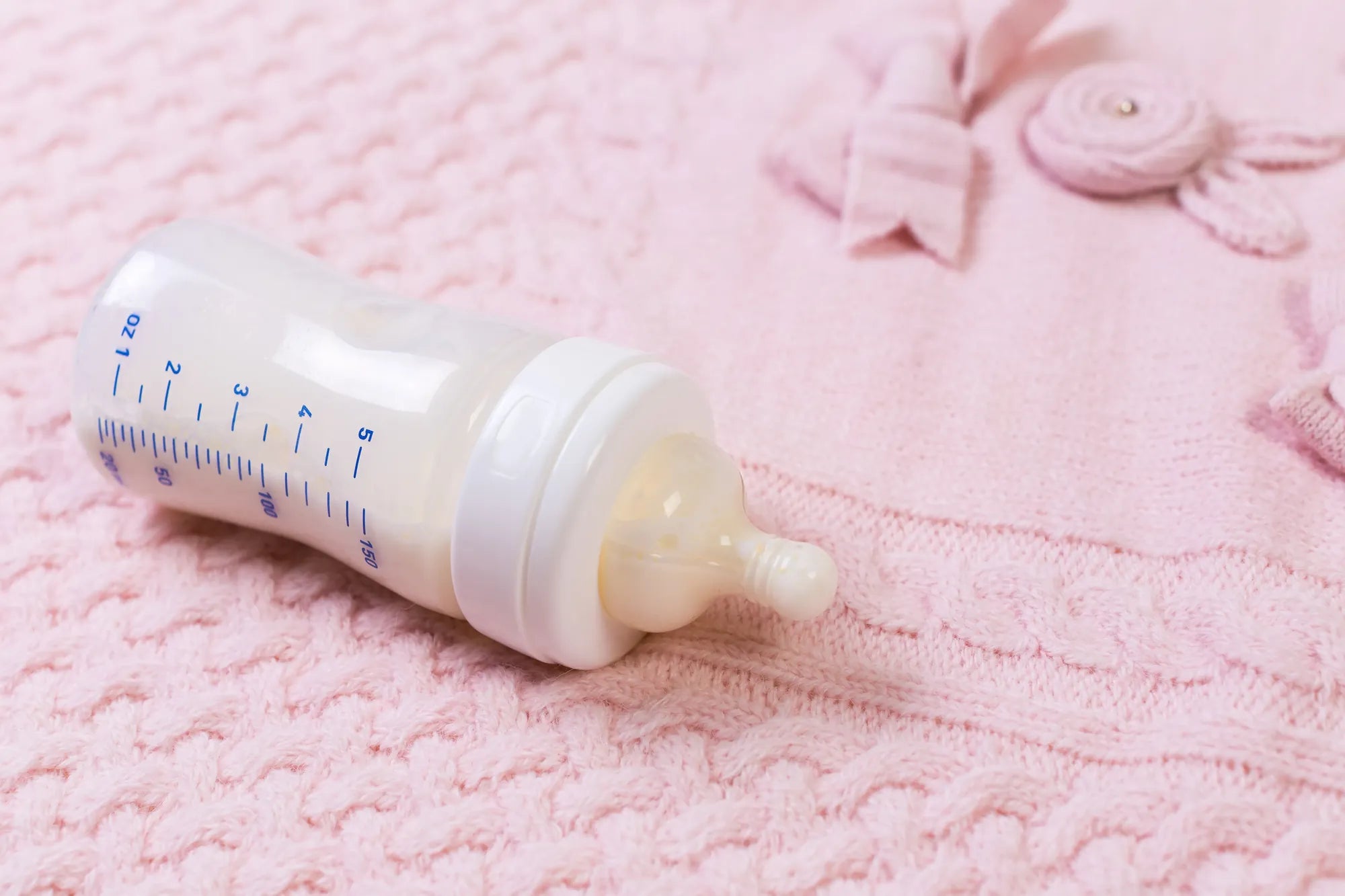
How to Gradually Stop Pumping Breast Milk: A Step-by-Step Guide for a Comfortable Transition
Embracing the Transition with Confidence
Deciding to stop pumping breast milk marks a significant milestone in your feeding journey. Whether you're reaching your personal goal, transitioning your baby, or responding to your body's cues, this phase deserves a plan as intentional as your pumping routine. Learning how to gradually stop pumping breast milk is the key to a healthy, comfortable transition for both you and your body.
An abrupt halt can lead to painful engorgement, clogged ducts, and even mastitis. A gradual step-by-step guide protects your physical well-being and provides emotional space to adjust. This guide will walk you through the evidence-based process, from assessing your starting point to finalizing the wean, ensuring you feel supported every step of the way.
As a trusted maternal care brand, MomMed understands this journey intimately. We specialize in innovative products like wearable breast pumps and supportive nursing accessories, designed to empower moms through every stage, including the thoughtful conclusion of pumping.
Why a Gradual Approach is Best for You and Your Baby
A gradual weaning strategy is rooted in physiology. Your milk production operates on a supply-and-demand system. Frequent, full removal signals your body to produce more. Suddenly stopping confuses this system, causing milk to build up rapidly in breast tissue, leading to intense pressure and inflammation.
A slow, deliberate reduction gives your body clear signals to ramp down production gently. This significantly lowers the risk of painful complications like plugged ducts and mastitis, which are not only uncomfortable but can derail the weaning process entirely if antibiotics become necessary.
Beyond physical health, a gradual approach supports emotional and logistical transitions. It allows your baby—or your routine of using stored milk—to adapt slowly to changing volumes. For you, it mitigates the hormonal shifts associated with dropping prolactin levels, which can sometimes impact mood.
This method also provides control and flexibility. If you experience discomfort, you can pause your timeline. If your plans change, a gradual process is easier to reverse than an abrupt stop. It’s the compassionate choice for your long-term health and peace of mind.
Assessing Your Starting Point and Setting a Realistic Timeline
Your weaning plan must begin with an honest assessment of your current pumping reality. The timeline for someone pumping eight times a day with a large output is vastly different from someone pumping twice a day as a supplement. Grab a log or recall your last few days to establish a baseline.
Key factors to note are your total number of daily pumping sessions and the average volume per session. Also, identify your most and least productive sessions. The middle-of-the-night pump is often a prime candidate to drop first, while the morning session, typically highest in volume, is usually one of the last to go.
A general rule is to allow 1-2 weeks of weaning time for every 2-3 regular pumping sessions you are eliminating. For a full-time pumper (7-8 sessions), a comfortable wean may take 3-6 weeks. A part-time pumper (2-3 sessions) might wean in 1-2 weeks. This is a guideline, not a rule—listen to your body above all.
Setting a flexible timeline reduces anxiety. View it as a target range rather than a rigid deadline. Factors like your sensitivity to engorgement, your baby's adaptability, and your personal schedule will influence the pace. The goal is steady progress, not perfection.
Step-by-Step Guide to Reducing Pumping Sessions
This core phase involves strategically eliminating sessions or reducing their length. The most common and effective method is to drop one full pumping session every 3-4 days. Choose a session that is less critical to your daily output or comfort, often a midday or late-evening session.
As you drop a session, slightly adjust the timing of the remaining sessions to maintain even spacing. This prevents any one interval from becoming too long too quickly. For example, if you drop a 2 PM session, you might move a 12 PM session to 1 PM and a 4 PM session to 3 PM to better bridge the gap.
An alternative or complementary method is to shorten the duration of each session by 2-5 minutes every few days. This is particularly useful if dropping a full session feels too abrupt. You might combine both strategies: first shorten all sessions, then begin dropping the shortest ones.
Throughout this process, your body will adapt. You may feel full at the time of the dropped session for a few days. This is normal. Mild fullness is expected; sharp pain or hard lumps are not and signal you may be moving too fast.
Mastering the "Pump to Comfort" Technique
As your sessions decrease, your pumping goal fundamentally shifts. You are no longer pumping to fully empty the breast to maintain supply. Instead, you are pumping just enough to relieve uncomfortable pressure—this is "pumping to comfort."
When you feel overly full, pump only until the feeling of tightness and pain subsides. This might mean pumping for 5-10 minutes instead of your usual 20. The key is to remove just enough milk to signal your body that excess isn't needed, without providing the strong "empty" signal that stimulates more production.
Products like the MomMed S21 Wearable Breast Pump are ideal for this phase due to their adjustable suction and comfort-focused design. You can use a gentle mode to achieve relief without over-stimulation. The hands-free nature also allows you to manage discomfort discreetly within your daily routine.
Resist the urge to pump until "dry." Even a small amount of milk left in the breast is okay and actually helps slow production. This technique is your primary tool for navigating the middle and late stages of weaning gracefully.
Managing Discomfort and Preventing Complications
Some discomfort during weaning is common, but severe pain is a sign to slow down. Proactive management is essential. For general engorgement, cold therapy is highly effective. Apply cold packs or chilled cabbage leaves to your breasts for 20 minutes at a time. The cold constricts blood vessels and milk ducts, reducing swelling and production.
For pain and inflammation, over-the-counter ibuprofen (consult your doctor first) can be helpful, as it reduces inflammation and is compatible with breastfeeding. Wear a supportive, but not tight, bra. Avoid underwires or anything that puts direct pressure on ducts, which can cause clogs.
If you feel a tender, hard lump—a sign of a clogged duct—act immediately. Use warmth *only* before feeding or pumping, followed by gentle massage toward the nipple. Then, employ the "pump to comfort" technique. Ensure your pump flanges, like MomMed's BPA-free silicone flanges, are the correct size, as improper fit can contribute to clogs.
Warning Signs of Mastitis: If a lump is accompanied by flu-like symptoms (fever, chills, body aches), redness in a wedge-shaped pattern, or intense, throbbing pain, you may have mastitis. Contact your healthcare provider immediately, as antibiotics are often required. Do not stop removing milk abruptly if you have mastitis; you must continue to drain the breast to resolve the infection.
Supporting Your Body and Mind Through the Transition
Weaning is a holistic transition. Physically, you can support your body by staying well-hydrated. While you may intuitively reduce calories, do so gradually. Sudden dietary changes can compound hormonal shifts. Some herbs like sage and peppermint are traditionally considered to have mild milk-suppressing properties and can be consumed in teas.
Emotionally, be prepared for a range of feelings. The drop in prolactin and other hormones can trigger mood swings or a sense of sadness, even if you are confident in your decision. Acknowledge these feelings as a normal part of the process. Celebrate the incredible work you accomplished through pumping.
Redirect the time and mental energy previously devoted to pumping into self-care. This is an ideal time to explore MomMed's baby care essentials, transitioning your focus as your baby grows. Leaning on your support system, whether a partner, friend, or online community of moms who have weaned, can provide invaluable reassurance.
Remember, your identity as a nurturing mother is not tied to milk production. Your bond with your child is built on countless interactions, of which feeding is just one part. This transition opens a new chapter in your relationship.
Frequently Asked Questions About Stopping Pumping
Q: How long does it take to fully dry up milk supply after the last pump?
A: After your final pump, it can take weeks to months for all milk production to cease. You may be able to express drops for months. The feeling of fullness should subside within 5-7 days after stopping, but occasional leakage, especially in the shower, can happen for much longer.
Q: Is it normal to still leak or express milk weeks after stopping?
A> Yes, this is entirely normal. Hormonal triggers (like hearing a baby cry), certain medications, or even sexual activity can cause a let-down reflex long after weaning. This does not mean your supply will fully return. Wearing breast pads can manage leaks discreetly.
Q: What should I do if I get a clogged duct or signs of mastitis during weaning?
A> Do not suddenly stop milk removal. For a clog, use warmth, gentle massage, and frequent, brief drainage (nursing or pumping to comfort). For mastitis symptoms (fever, redness, severe pain), contact your doctor immediately. You will likely need antibiotics and must continue to drain the affected breast.
Q: Can I restart pumping if I change my mind?
A> In many cases, yes. Relactation is possible, though it requires significant dedication—similar to establishing supply initially. It involves frequent stimulation (pumping or nursing every 2-3 hours). The sooner you restart after stopping, the easier it will be. Consulting an IBCLC is highly recommended.
Q: How do I transition my baby to formula or stored milk during this process?
A> Introduce the new milk source gradually. Replace one feeding per day with the new milk, then slowly increase. If using stored breast milk, mix it with formula if needed for taste transition. Ensure bottles and feeding gear, like MomMed's baby bottles designed for easy latch transition, are suitable for your baby.
Gradual vs. Abrupt Weaning: A Comparative Overview
| Factor | Gradual Weaning | Abrupt Weaning |
|---|---|---|
| Risk of Mastitis/Clogs | Low | Very High |
| Physical Discomfort | Mild to Moderate | Severe (Painful Engorgement) |
| Hormonal Shift | Slow, More Stable Mood | Sudden, Potential for Mood Swings |
| Control & Flexibility | High (Can pause or adjust) | Low (Once stopped, hard to reverse) |
| Impact on Baby/Stash Use | Smooth, Adaptable Transition | Sudden, Possibly Disruptive Change |
| Recommended For | Almost all situations; the safest standard | Medical emergencies only, under doctor's care |
Your Feeding Journey is Unique and Valued
Mastering how to gradually stop pumping breast milk is an act of care—for your body, your baby, and your future self. By following this step-by-step guide, you honor the work you've done while moving forward with intention and minimal discomfort. The principle of gradual reduction is your most powerful tool for a healthy transition.
Every drop you pumped represented dedication. Now, as you close this chapter, carry that same strength forward. Whether you're transitioning to exclusive nursing, formula, toddlerhood, or a new phase of life, your role as a mother is defined by love, not by liters.
MomMed is proud to support you through all stages of motherhood. From the first moments with our early-detection pregnancy tests, through feeding with our award-winning, comfortable wearable pumps like the S21, to weaning and caring for your growing baby, we provide reliable, innovative products you can trust.
Ready for the next stage? Shop the MomMed collection at mommed.com for all your breastfeeding, weaning, and baby care essentials.