


Accueil
Pregnancy, Breastfeeding, and Pumping: The Ultimate Guide for Moms
How to Get Rid of Lumps in Breast While Pumping: A Complete Guide
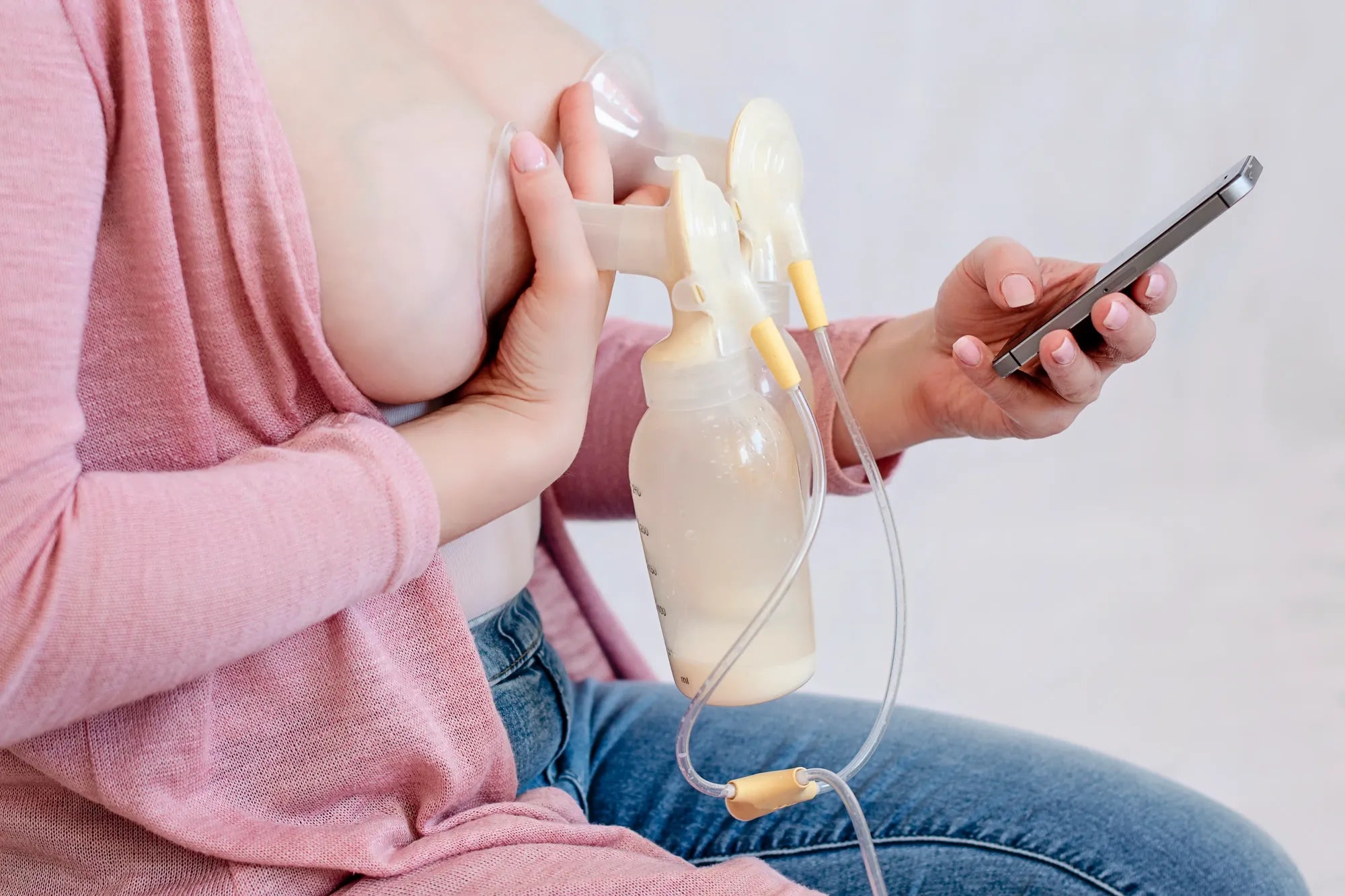
How to Get Rid of Lumps in Breast While Pumping: A Complete Guide
Introduction: Understanding Breast Lumps and Pumping
Discovering a lump in your breast while pumping can be alarming and painful. It’s a common hurdle many breastfeeding and pumping mothers face. These lumps are typically not a sign of a serious medical condition but are often indicators of a clogged milk duct, engorgement, or a milk blister (bleb).
Understanding how to get rid of lumps in breast while pumping is crucial for maintaining milk supply, comfort, and overall breast health. This guide will provide you with a clear, actionable plan. As a trusted brand in maternal care, MomMed is dedicated to supporting your journey with reliable, comfortable products designed to make pumping more effective and less stressful.
Why Do Lumps Form During Breast Pumping?
Lumps form when milk flow is obstructed within the breast's intricate network of ducts. The primary cause is incomplete milk removal. If your pump doesn't fully empty the breast, leftover milk can thicken and block a duct. This is often due to an incorrect flange size, which doesn't allow for proper nipple movement and effective milk extraction.
External pressure is another major contributor. Wearing a too-tight bra, sleeping on your stomach, or carrying a heavy bag can compress ducts. Skipping or delaying pumping sessions leads to engorgement, increasing pressure and the risk of clogs. Dehydration can thicken your milk, while stress and fatigue can impact let-down reflexes.
The mechanics of your pump play a pivotal role. A pump with insufficient or overly aggressive suction can fail to mimic a baby's efficient nursing pattern. This inefficiency leaves milk behind and can cause tissue trauma, leading to inflammation that further narrows the ducts. Effective, comfortable pumping is the cornerstone of prevention.
Step-by-Step Guide: How to Get Rid of Lumps While Pumping
When a lump appears, a systematic approach is key. This protocol focuses on softening the blockage, encouraging milk flow, and ensuring complete drainage. Consistency and gentleness are more effective than force.
Before You Pump: Preparation is Key
Begin with a warm compress applied to the affected breast for 5-10 minutes. The warmth helps to loosen the thickened milk within the duct. Follow this with gentle, targeted massage. Use your fingertips to make small, circular motions, starting behind the lump and moving toward the nipple.
Hydrate well by drinking a large glass of water. Dehydration is a common, overlooked factor in milk consistency. Try to relax and stimulate a let-down before pumping. Look at a photo of your baby, listen to calming music, or practice deep breathing to trigger oxytocin release.
During Your Pumping Session: Techniques for Maximum Relief
Start your pump on its lowest, most gentle setting, often a "massage" or "let-down" mode. This stimulates the milk ejection reflex without causing additional trauma. Once milk flows, you can gradually increase suction to a comfortable level that effectively removes milk.
Employ hands-on pumping. While the pump is running, use your free hand to massage the lumpy area firmly but gently, always stroking toward the nipple. You can also lean forward slightly so gravity assists in drainage. Changing your position or gently shaking your breast can help dislodge the clog.
Using a pump with customizable settings, like the MomMed S21 Double Wearable Breast Pump, is advantageous. Its adjustable multiple suction modes and levels allow you to start gently and find the perfect rhythm to coax out the clog without pain.
After Pumping: Ensuring the Lump Doesn’t Return
If the breast still feels full, finish with a few minutes of hand expression. This can often remove the last bit of thickened milk that the pump missed. Apply a cold pack or cool cabbage leaves to the breast for 15 minutes to reduce any inflammation and swelling.
Wear loose, comfortable clothing and a supportive but non-constricting nursing bra. Adhere strictly to your regular pumping schedule to prevent re-engorgement. If the lump persists slightly, repeat this entire process at your next session, paying extra attention to the affected breast.
Choosing the Right Pump to Prevent and Manage Lumps
The right breast pump is not just a convenience; it's a critical tool for breast health. A poor-fitting or inefficient pump is a primary contributor to clogged ducts and lumps. An ideal pump combines effective milk removal with supreme comfort to support complete drainage.
Key features to look for include hospital-grade suction strength that ensures thorough emptying, not just stimulation. Ultra-quiet, portable performance reduces stress, which can inhibit let-down. Most importantly, the pump must be comfortable to use for extended periods without causing tissue damage.
The MomMed S21 Double Wearable Breast Pump is engineered to address these exact needs. Its hands-free, wearable design eliminates external pressure from holding bottles or traditional pump parts against your chest. All components that touch skin or milk are made from BPA-free, food-grade silicone, ensuring safety and comfort.
The customizable settings allow you to find a suction pattern that works for your body, promoting a full let-down and complete emptying. By mimicking a baby's natural nursing rhythm more closely, it helps prevent the incomplete milk removal that leads to lumps.
Comparison of Pump Features for Lump Prevention
| Feature | Why It Matters for Lumps | MomMed S21 Wearable Pump | Basic Single Electric Pump |
|---|---|---|---|
| Flange Fit & Customization | Incorrect size is a top cause of poor drainage. | Includes multiple flange size options (21mm, 24mm, 27mm). | Often one-size-fits-most, leading to poor fit. |
| Suction Modes & Levels | Gentle initiation and adjustable strength prevent trauma and ensure emptying. | 9 levels x 3 modes (27 combinations) for personalized comfort. | Limited settings, often only 1-2 modes. |
| Design & Pressure | External pressure from traditional pumps/hands can compress ducts. | True wearable, hands-free design applies no external pressure. | Requires holding flanges or wearing a constricting hands-free bra. |
| Portability & Stress Reduction | Stress inhibits let-down; portability maintains schedule. | Ultra-quiet, cordless, fits inside a nursing bra. | Often bulky, loud, and tethered to an outlet. |
| Efficiency & Cycle Time | Inefficient pumps leave milk behind, causing clogs. | Dual motors ensure strong, consistent suction for complete expression. | Single motor may lose efficiency, especially on second breast. |
When to Seek Help: Beyond Home Management
While most lumps respond to home care within 24-48 hours, certain symptoms indicate a need for professional medical intervention. It is crucial to recognize the signs of infection or a more serious blockage.
If you develop a fever of 101°F (38.3°C) or higher, chills, body aches, or flu-like symptoms, you may have mastitis, a breast infection. This requires prompt medical attention and likely antibiotics. Red streaks on the breast, or a breast that is hot, swollen, and intensely red, are also signs of infection.
Seek help if the lump becomes increasingly painful, grows significantly larger, or does not improve after 2-3 days of consistent, diligent home treatment. A lactation consultant can assess your pumping technique, flange fit, and provide advanced manual strategies. Never ignore a persistent lump; consulting your doctor or an IBCLC ensures your health and milk supply are protected.
Frequently Asked Questions (FAQs)
Q: Can a wearable pump like the MomMed S21 really help with clogged ducts?
A>Yes, absolutely. A high-quality wearable pump like the MomMed S21 can be highly effective. Its key advantage is the elimination of external pressure from traditional flanges and bottles, which can compress ducts. The customizable, gentle suction initiation helps soften clogs, and its efficient dual-motor system is designed for complete emptying, which is the ultimate goal for resolving and preventing clogs.
Q: How long should I pump on a clogged duct?
A>Pump as you normally would, but you may need to extend the session by 5-10 minutes on the affected side. The goal is not marathon pumping but effective emptying. Use hands-on techniques during the session. If the breast isn't soft afterward, follow with hand expression. Avoid pumping for excessively long periods, as this can cause nipple trauma.
Q: Is it safe to use vibration/massage devices on a breast lump?
A>Using a vibrating massager (like an electric toothbrush or a lactation-specific massager) on the lump before and during pumping is a technique recommended by many lactation consultants. The vibration can help break up the thickened milk plug. Always use it gently over the skin, moving toward the nipple, and never directly on the nipple itself. Discontinue if it causes pain.
Q: Can my diet cause lumps while pumping?
A>Diet is rarely a direct cause, but it can be a contributing factor. The most significant dietary link is dehydration, which thickens milk. Ensure you drink plenty of water. Some anecdotal reports suggest a high saturated fat intake (like from fatty meats and dairy) may make milk slightly thicker, but evidence is limited. A balanced diet and adequate hydration are your best bets.
Q: Should I pump more frequently if I have a lump?
A>Yes, but with strategy. You want to maintain your schedule to prevent engorgement, but you can add one extra, shorter session (10-15 minutes) focused on the affected breast to help move the clog. The key is consistent, effective removal, not just more frequent pumping. Emptying the breast thoroughly at each session is more important than adding many incomplete sessions.
Empowered Pumping for a Healthier Journey
Dealing with lumps while pumping can be a challenging part of the breastfeeding journey, but it is a manageable one. Armed with the knowledge of why clogs form and a proven step-by-step protocol for relief, you can tackle this issue with confidence. Remember that prevention is rooted in consistent, complete milk removal and unparalleled comfort during pumping.
Investing in equipment designed for your health and comfort makes a profound difference. MomMed creates products like the award-winning S21 wearable pump to empower mothers, offering innovative solutions that align with lactation science. Your comfort and your baby's nutrition are paramount.
You have the power to navigate these challenges. Trust your body, use these techniques, and don't hesitate to seek support from professionals when needed. For a pumping experience that prioritizes your comfort and effectively supports your milk supply, shop the MomMed collection at mommed.com for all your breastfeeding and pregnancy needs.