


Accueil
Pregnancy, Breastfeeding, and Pumping: The Ultimate Guide for Moms
How Often Can You Breast Pump a Day: A Comprehensive Guide for Every Goal
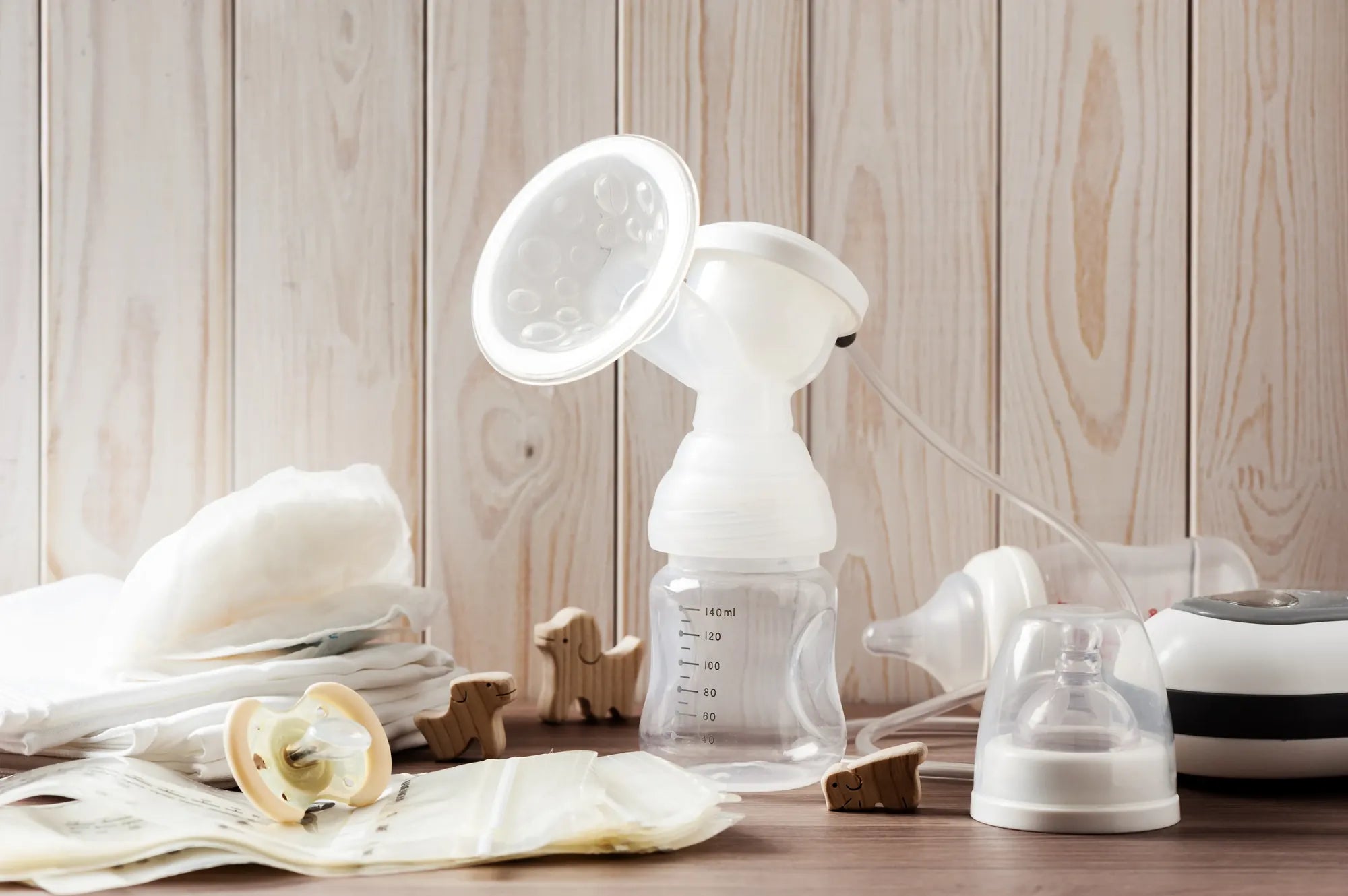
How Often Can You Breast Pump a Day: A Comprehensive Guide for Every Goal
Determining how often you can breast pump a day is one of the most common and crucial questions for a pumping parent. The answer isn't a single magic number, but a flexible framework shaped by your baby's age, your milk supply, and, most importantly, your personal goals. This comprehensive guide will provide you with the data-driven insights and practical strategies used by lactation consultants, helping you build a sustainable and effective pumping routine that supports both your baby's needs and your well-being.
Understanding Your "Why": How Pumping Goals Dictate Frequency
Your primary reason for pumping is the most significant factor in determining your daily schedule. A one-size-fits-all approach doesn't work because the physiological demands differ vastly between establishing a supply and maintaining one.
Frequent, effective milk removal in the early weeks is critical for building a robust long-term supply. Your body uses this feedback to calibrate how much milk to produce.
Conversely, once your supply is well-established, the frequency can often be adjusted with strategic planning without jeopardizing output. Understanding this core principle is the first step to creating a routine that works for you, not against you.
For Establishing or Increasing Milk Supply
If your goal is to initiate, build, or rebuild your milk supply, frequency is your most powerful tool. The general guideline is to aim for 8 to 12 sessions of milk removal per 24 hours.
This includes both direct breastfeeding and pumping sessions. Consistency, especially during the night when prolactin (the milk-making hormone) levels are higher, is paramount. A technique called "power pumping"—mimicking a cluster-feeding pattern with intervals like 20 minutes pumping, 10 minutes rest, 10 minutes pumping, 10 minutes rest, 10 minutes pumping—can be highly effective when done once a day for several days.
For Maintaining Milk Supply While Away from Baby
When you are separated from your baby, whether returning to work or for other reasons, the goal is to maintain your existing supply. The golden rule here is to "replace and match."
You should aim to pump each time your baby would normally feed. For most infants, this translates to pumping every 2 to 4 hours, or about 6 to 8 times in a 24-hour period. Missing sessions can signal your body to produce less milk.
Using a reliable, efficient pump like the MomMed S21 Wearable Breast Pump can make maintaining this schedule more manageable, as its discreet, hands-free design allows for pumping in various settings without interrupting your workflow.
For Creating a Stash or Occasional Bottle Feeding
If you are primarily breastfeeding directly and only need milk for occasional bottles or to build a freezer stash, your frequency will be lower. The strategy is to add 1 to 2 extra pumping sessions per day, not replace feeds.
The most effective time for this is typically in the morning, about 30-60 minutes after your first nursing session of the day, when milk supply is naturally at its peak. This approach minimizes interference with your baby's direct feeding and your body's natural supply-and-demand rhythm.
A Stage-by-Stage Pumping Frequency Guide
Your baby's age and developmental stage provide the essential context for your pumping schedule. The following table outlines general recommendations, which should be personalized in consultation with a healthcare provider or IBCLC.
| Stage | Primary Goal | Recommended Daily Pumping Frequency | Key Considerations |
|---|---|---|---|
| Newborn (0-3 Months) | Establishing Supply | 8-12 times (including nursing) | Do not go longer than 4-5 hours at night without removal. Consistency is critical. |
| Established Supply (4-6+ Months) | Maintaining Supply | 5-7 times (or as needed to replace missed feeds) | Focus on total daily volume. Baby's efficiency may allow for longer intervals. |
| Introducing Solids (6+ Months) | Gradual Adjustment | 4-6 times, aligned with milk feeds | As solid food intake increases, milk removal frequency may naturally decrease. |
| Weaning Process | Reducing Supply | Gradually decrease frequency and/or session length | Drop one session every few days to minimize engorgement and mastitis risk. |
The Newborn Phase (0-3 Months)
This phase is all about setting a strong foundation. Frequent stimulation tells your body to ramp up production. Aim for 8 to 12 sessions of milk removal every 24 hours.
If you are exclusively pumping from the start, this means pumping at least 8 times a day, with no single stretch longer than 4-5 hours at night. Double pumping (expressing from both breasts simultaneously) is highly recommended to save time and increase prolactin release.
The Established Supply Phase (4-6 Months and Beyond)
Around 3-4 months postpartum, your supply typically transitions from hormonally driven to primarily controlled by local factors in the breast (autocrine control). This "regulation" means your breasts may feel softer, but it doesn't indicate low supply.
You may find you can maintain your total daily milk volume with fewer sessions—perhaps 5 to 7 pumps per day. The focus shifts from sheer frequency to the effectiveness and completeness of each session.
The Weaning and Back-to-Work Transition
Transitions require planning. When returning to work, map your pumping schedule to match your baby's typical feeding times. A wearable pump like the MomMed S21 can be invaluable here, offering discretion and mobility.
For weaning, the process is the reverse of establishing supply: gradually reduce the frequency and/or duration of your pumping sessions over several weeks to avoid clogged ducts and allow your body to slow production comfortably.
Signs You're Pumping Too Little or Too Much
Listening to your body is as important as following a schedule. Both under-pumping and over-pumping have distinct signals that warrant adjustment.
Indicators You May Need to Pump More Often
A noticeable decrease in your usual output per session over several days is a primary sign. Your baby may seem unsatisfied after feeds or want to nurse more frequently when you are together.
Physical signs include frequent feelings of fullness or engorgement that aren't relieved by your current schedule, which indicates your body is ready to make more milk than you're removing. These are cues to reassess, not indicators of failure.
Indicators You Might Be Overdoing It
While less common, pumping too frequently or for too long can lead to an oversupply, which carries its own challenges like recurrent clogged ducts, mastitis, and forceful let-down that may distress your baby.
If pumping is consuming an excessive amount of your time and leading to burnout or impacting your ability to rest and bond with your baby, it's a sign to reevaluate the necessity of each session. Balance is key to sustainability.
Optimizing Your Sessions: Quality Over (Just) Quantity
The effectiveness of each pumping session is paramount. A 20-minute efficient pump can yield more than a 40-minute uncomfortable one. Quality hinges on comfort, proper technique, and the right equipment.
Maximizing Comfort and Efficiency with the Right Pump
A pump that fits your life and your body is non-negotiable. MomMed breast pumps, such as the S21 model, are designed with this in mind. Their wearable, closed-system design allows for hands-free operation, which can reduce stress and even improve milk ejection reflex for some users.
Features like multiple suction modes and cycles let you mimic a baby's natural nursing pattern, leading to more effective milk removal. Ensuring you have the correct flange size—a common oversight—is critical for comfort and output; MomMed provides sizing guides and multiple flange options to help.
Creating a Supportive Pumping Environment
Your mental state directly impacts your let-down. Create a relaxing ritual: look at photos or videos of your baby, practice deep breathing, or listen to calming music. Gentle breast massage before and during pumping can help mobilize milk.
Stay hydrated and nourished. View your pump not as a tether, but as a tool that provides freedom. The ultra-quiet motors in MomMed pumps are engineered to offer discretion, making it easier to pump in shared spaces or while your baby sleeps nearby.
The Impact of Pumping Frequency on Milk Composition and Supply
Frequent pumping does more than just maintain volume; it influences the nutritional profile of your milk. Research indicates that milk produced at different times of day has varying levels of certain components, like melatonin at night to help regulate baby's sleep.
Maintaining a routine that includes a night session helps preserve these circadian rhythms in your milk. Furthermore, consistent emptying ensures your baby continues to receive milk with higher fat content (hindmilk), which is crucial for growth and satisfaction.
Common Challenges and Evidence-Based Solutions
Every pumping journey encounters hurdles. Having a toolkit of solutions can prevent temporary challenges from derailing your entire routine.
Dealing with Low Output Despite Frequent Pumping
First, check your equipment. Pump parts like valves and membranes wear out and need regular replacement—often every 4-12 weeks—to maintain optimal suction. Reevaluate your flange fit; a size that's too large or too small can drastically reduce output.
Review your hydration, calorie intake, and stress levels. Incorporating hands-on pumping techniques (massaging breasts while pumping) can increase yield by 48% according to some studies.
Managing Time and Logistics
Pumping can feel time-consuming. Strategies like double pumping, using a pumping bra, and preparing a dedicated station with water, snacks, and phone charger can streamline the process.
For working parents, wearable pumps are a game-changer. The MomMed S21, for instance, fits inside a standard bra, allowing for mobility and discretion, turning commute time or desk work into productive pumping sessions.
Frequently Asked Questions (FAQ)
Can I pump too often and cause harm?
Harm from pumping is almost never due to frequency itself, but rather to using excessive suction or ill-fitting flanges, which can cause tissue damage and pain. Frequent milk removal is the signal to make more milk. However, pumping around the clock without rest can contribute to maternal exhaustion, so balance is essential.
How long should I wait between pumping sessions?
For a full-time pumping parent, intervals of 2 to 4 hours during the day are typical, with one longer stretch of 4-6 hours at night. It's often more helpful to listen to your body's cues (fullness) and follow your baby's feeding pattern than to watch the clock rigidly.
What if my output decreases even with frequent pumping?
A sudden drop may indicate a pump parts issue, illness, hormonal changes (like the return of your period), or increased stress. Methodically troubleshoot: replace valves/membranes, ensure proper flange fit, focus on hydration and nutrition, and try power pumping for a few days. If the issue persists, consult an IBCLC.
Is it okay to pump only 4 times a day?
This depends entirely on your stage and goals. For many parents with a well-established supply after 4-6 months, 4 sessions may be sufficient to maintain output, especially if each session is thorough and baby nurses directly at other times. In the early weeks, 4 sessions would likely be insufficient to build a full supply.
How do I know if I'm emptying my breasts properly when pumping?
Signs of effective emptying include breasts feeling noticeably softer and lighter after a session, a slowing of milk flow to drips, and a change in the spray pattern to droplets. You should also see a mix of foremilk and fattier hindmilk in your collection bottle. If your breasts still feel firm or lumpy after pumping, hands-on massage can help.
Conclusion: Finding Your Unique Rhythm
Determining how often you can breast pump a day is a personal equation balancing biology, lifestyle, and goals. Start with evidence-based guidelines, but remain flexible and attuned to the feedback from your own body and your baby. Remember, the best schedule is the one that is sustainable for you and reliably provides nourishment for your child. Trusted, comfortable tools are fundamental to this journey. MomMed is committed to supporting you with innovative, thoughtfully designed products like the S21 Wearable Breast Pump, helping you navigate every stage of feeding with confidence and comfort. Explore solutions designed for real-life parenting at mommed.com.