


Accueil
Pregnancy, Breastfeeding, and Pumping: The Ultimate Guide for Moms
How Much Breast Milk Comes Out When Pumping: A Comprehensive Guide for Every Mom
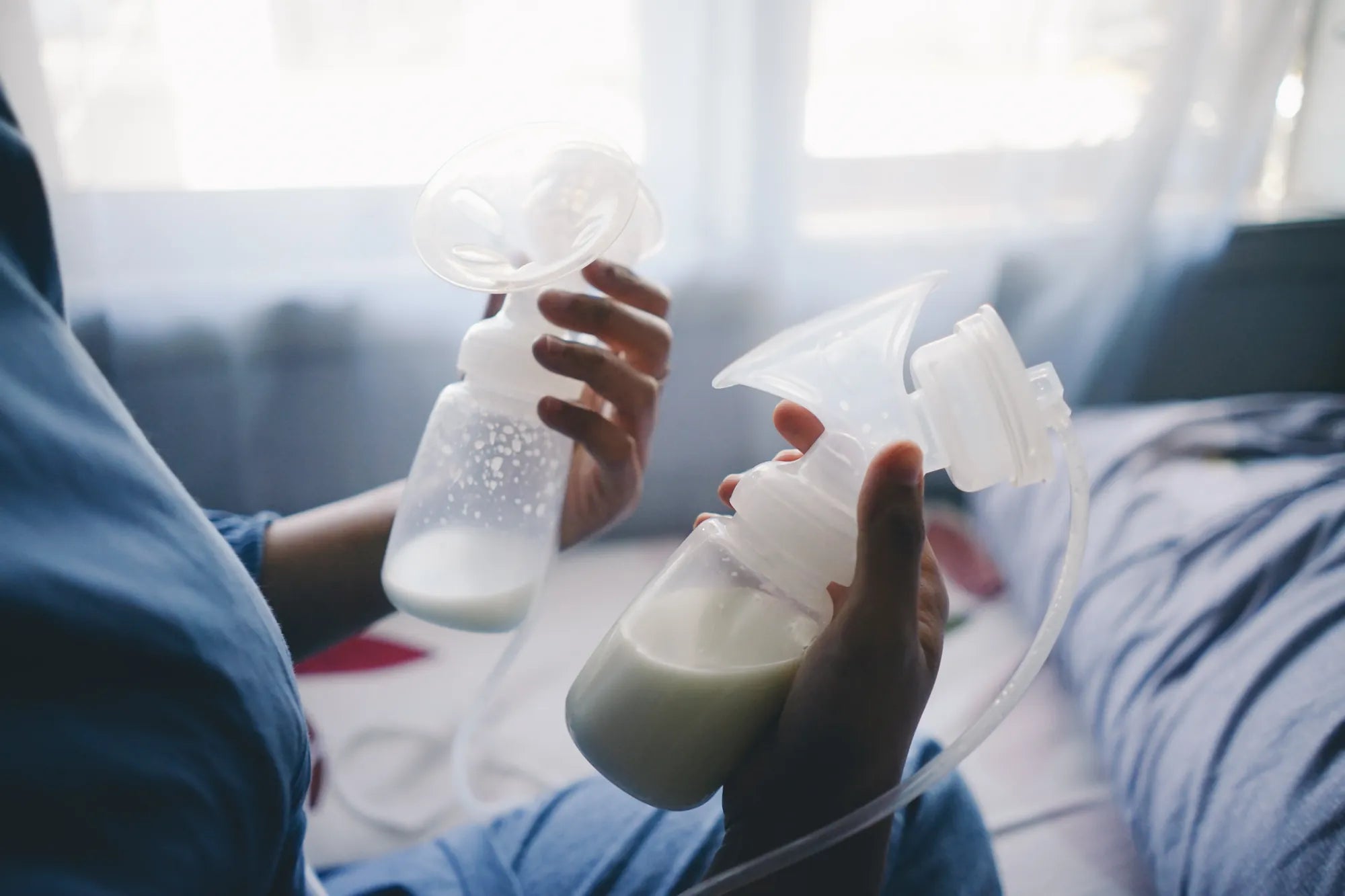
How Much Breast Milk Comes Out When Pumping: A Comprehensive Guide for Every Mom
If you've ever stared at the bottles after a pumping session wondering, "Is this enough?" you're not alone. Understanding how much breast milk comes out when pumping is one of the most common sources of anxiety for breastfeeding parents. This comprehensive guide will provide clear, data-driven answers, debunk myths, and offer practical strategies to help you navigate your unique journey with confidence and science-backed knowledge.
Understanding Your Pumping Output: The Spectrum of Normal
The amount of milk a parent expresses can vary dramatically from person to person and even from session to session. For a single pumping session, it's typical to see a total yield ranging from 0.5 ounces (15 ml) to 4 ounces (120 ml) or more, with the total for both breasts combined often averaging between 2-4 ounces (60-120 ml). This variation is perfectly normal and is influenced by a complex interplay of physiological and practical factors.
It is crucial to understand that a breast pump, no matter how advanced, is a mechanical device mimicking a baby. A baby's suckling is often more efficient at removing milk due to the direct skin-to-skin contact and the hormonal response it triggers in the parent. Therefore, it's common to pump less milk than your baby might take directly from the breast during a feeding. This difference does not automatically indicate a low supply.
Your body's milk production operates on a supply-and-demand system. The more frequently and effectively milk is removed—whether by baby or pump—the more your body is signaled to produce. Consistency and effective removal are the cornerstones of maintaining or building your output when pumping.
What Is a "Normal" Amount of Breast Milk When Pumping?
Defining a single "normal" amount is misleading, as normal encompasses a wide range. For mothers who are exclusively pumping for a full-term infant, a common benchmark is to produce roughly 25 to 35 ounces (750 to 1050 ml) of milk per 24-hour period by the time the baby is about one month old. This breaks down to about 1 to 1.5 ounces per hour.
For individual sessions, consider these averages as loose guidelines, not rules. An early morning session after a longer sleep stretch might yield 4-6 ounces or more, while an afternoon session might yield 2-3 ounces. The key metric for assessing overall supply is the total 24-hour output, not the yield of any single pump.
It's also important to note the size of a newborn's stomach. On day one, it's about the size of a cherry, holding just 5-7 ml. By day three, it's the size of a walnut, holding about 22-27 ml. This perspective helps contextualize early pumping amounts, which may start as small drops of colostrum.
Key Factors That Influence Your Pumping Output
Your pumping yield is not a fixed number but a result of several variables. Understanding and optimizing these can make a significant difference in both output and comfort.
Time of Day and Your Body's Natural Rhythm
The hormone prolactin, which drives milk production, follows a circadian rhythm and is highest in the early morning hours, typically between 1 a.m. and 5 a.m. Consequently, many parents find their largest pumping output occurs during a first morning session. Output generally tends to decrease as the day progresses, which is a normal biological pattern, not a sign of failing supply.
Pump Fit, Flange Size, and Comfort
This is arguably the most critical technical factor. An incorrectly sized flange can drastically reduce output and cause pain. The flange is the funnel-like part that fits over your breast. Your nipple should move freely in the tunnel without rubbing the sides, and only a small amount of areola should be pulled in during suction.
Using a flange that is too large or too small can impede milk flow and damage tissue. MomMed breast pumps, including the popular S21 Wearable model, come with multiple flange size options and are made from soft, BPA-free, food-grade silicone to ensure both safety and a comfortable, effective fit for efficient milk removal.
Your Pump's Settings and Technique
Effective pumping involves more than just turning the machine on. Most pumps have two phases: a stimulation mode (quick, light suction to trigger let-down) and an expression mode (slower, stronger pulls to remove milk). Starting in stimulation mode for 1-2 minutes until milk flows is key.
Additionally, hands-on pumping techniques can increase output by 50% or more. This involves gently massaging the breast before and during pumping, using compression while pumping, and leaning forward slightly. The suction level should be set to the highest comfortable setting, not the highest possible setting, as pain can inhibit let-down.
Frequency and Consistency of Sessions
To establish and maintain a full milk supply when exclusively pumping, mimicking a newborn's feeding pattern is essential. This typically means pumping 8-12 times in 24 hours, including at least once at night, especially in the early months. Consistency tells your body there is a consistent demand for milk.
Skipping sessions, especially overnight, can signal your body to reduce production. For working parents pumping during the day, maintaining a consistent schedule (e.g., every 3-4 hours) is vital for sustaining output.
Hydration, Nutrition, and Stress Levels
While not the primary driver of supply, your overall well-being provides the foundation for milk production. Dehydration can negatively impact output, so drinking to thirst is recommended. Adequate caloric intake from a balanced diet supports the energy-intensive process of lactation.
Perhaps the most significant factor is stress. High levels of cortisol, the stress hormone, can directly inhibit the release of oxytocin, which is necessary for the milk let-down reflex. Creating a relaxed pumping environment is not a luxury; it's a strategy for better output.
Tracking Your Output: What to Look for Beyond Ounces
Obsessing over every milliliter can be counterproductive. Instead, adopt a broader view of tracking. Focus on the total volume expressed over a full 24-hour period rather than comparing individual sessions. This provides a much more accurate picture of your overall supply.
Your tracking goals should align with your feeding objectives. If you are pumping to provide a day's worth of milk for a baby at daycare, your target is meeting their daily intake. If you are building a freezer stash, your goal is an extra surplus beyond daily needs, which may be just 1-2 ounces a day.
Also track your baby's output: wet and dirty diapers are the ultimate indicator of adequate intake. A baby who is producing 5-6+ wet diapers and having regular bowel movements is likely getting enough milk, regardless of the exact ounces you pump per session.
A Comparison of Pumping Output Factors
| Factor | Positive Impact on Output | Negative Impact on Output |
|---|---|---|
| Flange Fit | Correct size allows free nipple movement and efficient milk removal. | Incorrect size causes pain, friction, and poor drainage. |
| Pump Quality & Type | Hospital-grade or high-quality wearable pumps (e.g., MomMed S21) offer efficient, comfortable cycles. | Weak motors or poor suction patterns fail to empty the breast effectively. |
| Session Timing | Pumping in the early morning (high prolactin) and consistent frequency. | Infrequent, irregular sessions, especially skipping overnight. |
| Mental State | Relaxation, looking at baby/pictures, warmth, and comfort. | Stress, anxiety, pain, watching the bottles, and clock-watching. |
| Hydration & Health | Drinking to thirst, balanced nutrition, and managing health conditions. | Dehydration, extreme dieting, or illnesses like mastitis. |
MomMed's Pumping Technology: Designed for Efficiency and Comfort
MomMed understands that the right tools can transform the pumping experience. Our products are engineered to directly address the common barriers to optimal output. The award-winning S21 Double Wearable Breast Pump features hospital-grade suction strength in a discreet, cordless design, allowing for effective milk removal without being tethered to an outlet.
Its multiple stimulation and expression modes, along with nine adjustable suction levels, allow you to personalize your session for maximum comfort and efficiency—key for triggering let-down. The hands-free, wearable design reduces the stress and inconvenience of traditional pumping, helping you relax more easily. When you're more comfortable and less stressed, your body is better able to release oxytocin and milk.
Every MomMed pump, from the S21 to the S12 Single Wearable and Swing models, is constructed with BPA-free, food-grade materials, prioritizing your baby's safety and your peace of mind. By combining innovation with a deep understanding of a parent's needs, MomMed provides reliable solutions to support your feeding goals.
When to Seek Guidance: Signs of Concern vs. Normal Variation
While variation is normal, certain signs warrant consultation with an International Board Certified Lactation Consultant (IBCLC) or your healthcare provider. Seek guidance if you experience a sudden, dramatic drop in output that doesn't recover with typical strategies (e.g., more frequent pumping, checking flange fit).
Other red flags include persistent pain during pumping or breastfeeding, signs of plugged ducts or mastitis (red, hot, painful breast segment with flu-like symptoms), or if your baby is not producing enough wet/dirty diapers or is not gaining weight appropriately. These professionals can assess for issues like tongue tie, ineffective pump use, or underlying medical conditions affecting supply.
Remember, minor daily fluctuations, slightly less output in the evening, or a one-off low-yield session are usually part of the normal ebb and flow of lactation and are not immediate causes for alarm.
Frequently Asked Questions (FAQs)
Why do I get less milk from pumping than from breastfeeding?
This is very common. A baby's suckling is a complex, interactive process that stimulates a powerful oxytocin release in the parent, enhancing let-down. Pumps are mechanical and cannot replicate this biological connection perfectly. Additionally, improper flange fit or pump settings can limit efficiency.
How can I increase my pumping output?
First, ensure your flange is correctly sized. Use a high-quality, double-electric pump like MomMed's wearable options. Pump frequently (8-12 times per 24 hours). Practice hands-on pumping with breast massage and compression. Try to relax: look at photos/videos of your baby, use warmth, and don't watch the bottles. Stay hydrated and ensure you're eating enough calories.
Is it normal for output to vary from session to session?
Absolutely. Variation is the rule, not the exception. Factors like time of day, how full your breasts are, your stress level, hydration, and how recently your baby fed all contribute to different yields from one session to the next. Focus on the 24-hour total.
How long should I pump per session?
Aim for about 15-20 minutes per session, or for 2-5 minutes after the last drops of milk flow. Pumping for too short a time may not fully empty the breast, while excessively long sessions (beyond 30 minutes) may not yield much more milk and could cause nipple irritation.
Can certain foods or supplements really boost my supply?
While no food is magic, some, like oatmeal, flaxseed, and brewer's yeast, are traditional galactagogues (substances believed to increase milk supply). Their effect is often mild and varies by individual. The most powerful "supplement" is increased, effective milk removal. Always consult a healthcare provider before taking herbal supplements.
Your Journey is Unique
The question of how much breast milk comes out when pumping doesn't have a single, universal answer. Your body, your baby, and your circumstances create a normal that is entirely your own. By focusing on effective removal, consistent demand, and your own comfort and well-being, you can work with your body to meet your feeding goals. Trust the process, be kind to yourself, and utilize tools that support you. For reliable, comfortable, and innovative pumping solutions designed to make this journey easier, shop the MomMed collection at mommed.com for all your breastfeeding and pregnancy needs.