


Accueil
Pregnancy, Breastfeeding, and Pumping: The Ultimate Guide for Moms
How Many Times Do I Pump Breast Milk: A Comprehensive Guide for Every Stage
How Many Times Do I Pump Breast Milk: A Comprehensive Guide for Every Stage
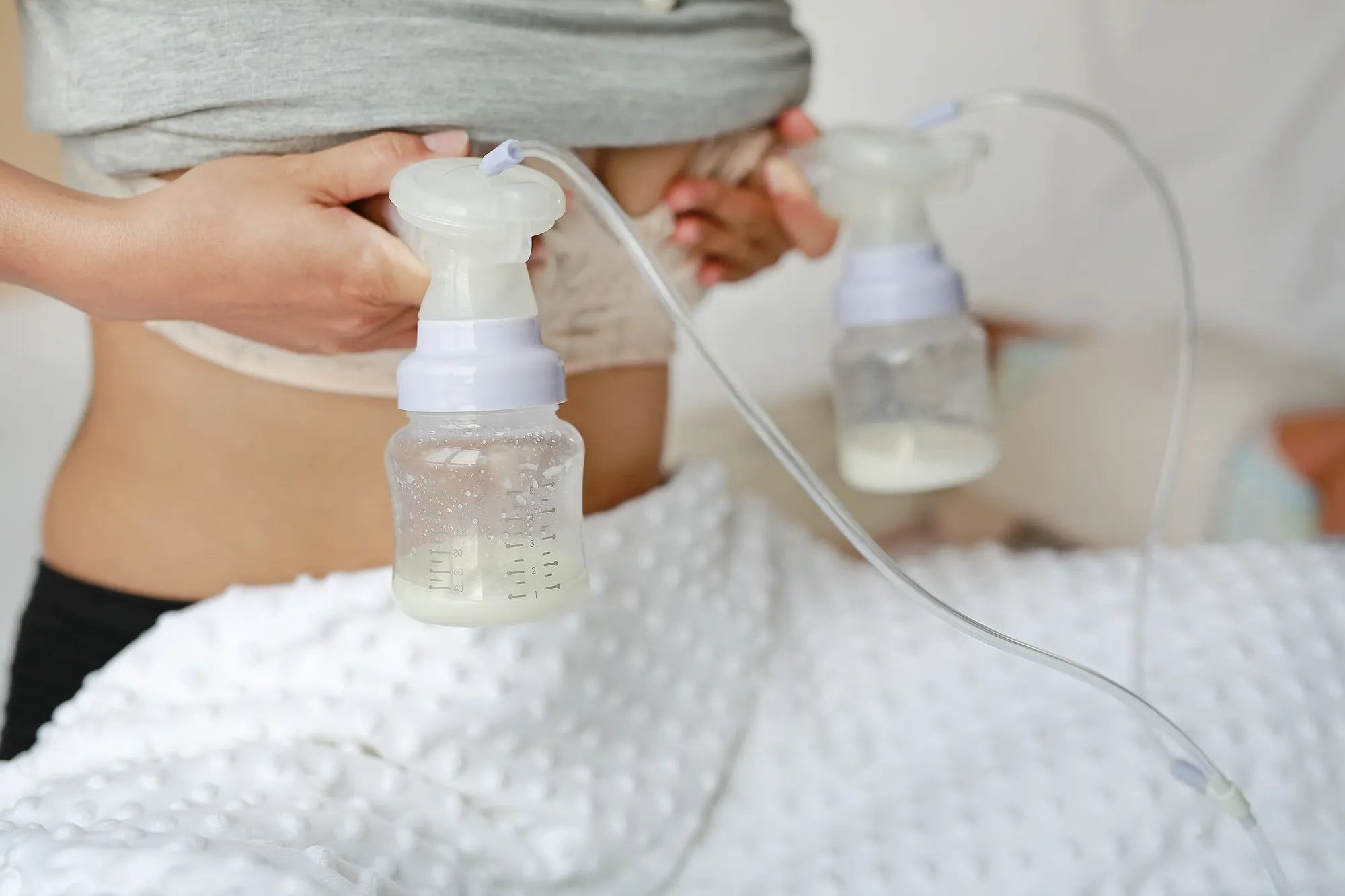
How many times do I pump breast milk? This is one of the most pressing questions for any pumping parent, and the answer is foundational to your milk supply, your schedule, and your peace of mind. Your pumping frequency is not a one-size-fits-all number; it's a personalized rhythm dictated by your baby's age, your body's physiology, and your specific feeding goals. This comprehensive guide will demystify the science and schedules, moving from basic principles to advanced optimization, so you can build a sustainable and effective routine. We'll explore how often to pump in the early weeks, how to maintain supply, and how innovative tools like MomMed's wearable breast pumps can provide the comfort and flexibility you need to succeed.
Understanding Your Pumping Journey: It's Personal
The journey of providing breast milk via pumping is a remarkable feat of modern parenting, blending biology with technology. It's essential to start by acknowledging that your optimal pumping frequency is uniquely yours. It depends on whether you are exclusively pumping, supplementing direct breastfeeding, preparing to return to work, or aiming to increase your milk supply.
This variability means that while guidelines provide a crucial starting point, listening to your body and your baby's needs is paramount. The core principle governing all pumping schedules is supply and demand: your body produces milk in response to its removal. More frequent and effective removal signals for more production.
Approaching pumping with a flexible, informed mindset reduces stress and increases success. Brands like MomMed, a trusted maternal and baby care brand, design products like their S21 Wearable Breast Pump with this need for adaptable, comfortable support in mind, helping moms navigate their unique paths.
Ultimately, your pumping frequency is a tool to achieve your feeding goals, whether that's providing every ounce for your baby or creating a stash for future separation. Let's define those goals to build your personalized blueprint.
Why Pumping Frequency Matters: The Science of Supply and Demand
At its heart, lactation is a physiological process driven by hormones, primarily prolactin (which stimulates milk production) and oxytocin (which triggers the let-down reflex). The frequency and completeness of milk removal are the primary regulators of this system. Each time milk is effectively removed from the breasts, it sends a chemical signal to your body to produce more.
This is why the general rule is to pump as often as a baby typically feeds. For a newborn, that's 8 to 12 times in 24 hours. Failing to remove milk frequently enough, especially in the early weeks, can signal your body that the milk isn't needed, potentially leading to a decreased supply. Conversely, increasing frequency can help boost a lagging supply.
The goal is to avoid prolonged periods of fullness, which can increase pressure in the breast tissue and slow down production over time. Consistent, frequent emptying keeps prolactin levels elevated and maintains healthy glandular function. It’s not just about volume per session but the cumulative signal sent by the total number of daily removals.
Setting Your Personal Pumping Goal
Your target frequency hinges on your specific situation. Here are the four most common scenarios and their foundational pumping schedules:
- Exclusive Pumping (EP): You are your baby's sole source of milk via a pump. This requires the most rigorous schedule, mimicking a newborn's feeding pattern closely, typically 8-12 times per 24 hours initially.
- Pumping for Return to Work/While Apart: You breastfeed when with your baby and pump to replace missed feedings. You'll typically pump once for every feeding your baby takes from a bottle while you're apart, usually 2-4 sessions during an 8-hour workday.
- Pumping to Increase Milk Supply: To boost output, you need to add more pumping sessions or increase the effectiveness of existing ones. Techniques like "power pumping" (simulating cluster feeding) are used temporarily alongside your regular schedule.
- Occasional Pumping for Comfort or Bottle Feeding: You may pump once a day to create a stash or to relieve engorgement. Frequency is ad-hoc but should still be consistent if building a freezer supply.
The Pumping Frequency Blueprint: By Stage and Scenario
This blueprint provides evidence-based starting points. Always adjust based on your output, comfort, and your baby's growth. Tracking sessions and output in an app or log can be incredibly helpful for identifying patterns.
The Early Weeks: Establishing Your Supply (0-8 Weeks)
The first two months are critical for building a robust, long-term milk supply. During this period, your body is calibrating how much milk to produce based on demand. Aim to pump 8 to 12 times per 24 hours, including at least one session between 1 a.m. and 5 a.m. when prolactin levels are naturally highest.
Even if you are also breastfeeding directly, adding pumping sessions after or between feeds can help stimulate greater production. Sessions don't need to be long—15-20 minutes is standard—but consistency is key. This intensive schedule helps establish a strong prolactin receptor network in your breast tissue.
Missing sessions during this phase can risk an undersupply. Using a comfortable, efficient pump like the MomMed S21, with its BPA-free, food-grade silicone flanges, can make this demanding period more manageable by reducing discomfort and allowing for a more natural, rhythmic expression.
Maintaining Supply: The Established Phase (After 8 Weeks)
Once your supply is "regulated" (typically around 8-12 weeks postpartum), you may find you can space sessions out slightly without losing output. Many parents settle into a rhythm of 5 to 7 pumping sessions per 24 hours, often aligning with their baby's feeding schedule.
At this stage, the total volume removed over 24 hours matters more than the exact spacing. Some may pump every 3-4 hours during the day and perhaps once at night, or drop the night pump if supply is well-established and baby sleeps longer stretches. This is where flexibility becomes more feasible.
Wearable pumps truly shine in this phase. The award-winning MomMed S21 Double Wearable Pump allows you to maintain your pumping schedule seamlessly while working, caring for older children, or handling household tasks, ensuring you don't miss a session due to a busy life.
Exclusive Pumping: A Full-Time Schedule
Exclusive pumping is a significant commitment, requiring discipline and support. A full-time schedule typically involves pumping every 2-4 hours, totaling 7-10 sessions per day. The goal is to match the total number of feeds a baby would take.
Here is a sample schedule for an exclusive pumper:
| Time | Session | Notes |
|---|---|---|
| 6:00 AM | Pump 1 | Morning output is often highest. |
| 9:00 AM | Pump 2 | |
| 12:00 PM | Pump 3 | Consider a hands-free pump for lunch breaks. |
| 3:00 PM | Pump 4 | |
| 6:00 PM | Pump 5 | |
| 9:00 PM | Pump 6 | |
| 12:00 AM | Pump 7 (Optional) | One night session may be needed to protect supply. |
Consistency is non-negotiable for EPers. Investing in a reliable primary pump and a wearable pump for mobility is crucial. The MomMed Swing Electric Breast Pump offers powerful, adjustable suction for primary sessions, while the S21 provides discreet freedom for sessions on the go.
Beyond the Clock: Key Signs You're Pumping Enough
While counting sessions is important, these tangible signs confirm your frequency is effective. How many times do I pump breast milk? Let your baby's health and your body's signals provide the ultimate answer.
- Baby's Growth and Diaper Output: A baby gaining weight appropriately along their growth curve and producing 5-6 wet diapers and 3-4 soiled diapers per day (after day 5) is the best indicator of sufficient milk intake, whether from breast or bottle.
- Total Daily Pumped Volume: Most exclusively pumping moms aim for a total of 25-35 ounces per day by one month postpartum, though this varies. Your total should generally match or slightly exceed what your baby consumes in a day.
- Comfort and Breast Softness: Your breasts should feel full before a pump and softer afterward. Chronic engorgement can indicate infrequent emptying, while never feeling full may signal a need to assess supply.
- Maintaining Supply Over Time: If you can consistently pump the same total volume each day for your baby's needs, your frequency is likely on target. A sudden drop may indicate a need for more sessions or a check on pump parts.
Optimizing Your Session: Quality Over Quantity
Efficient pumping can sometimes allow for slightly fewer sessions by maximizing output each time. Focusing on technique and settings is as important as frequency.
Mastering Pump Settings and Technique
Modern pumps like MomMed's feature multiple modes designed to mimic a baby's nursing pattern. Start with a stimulation mode (fast, light suction) for 2-3 minutes to trigger let-down. Then switch to expression mode (slower, deeper suction) to effectively drain the breast.
Suction should be strong enough to be effective but never painful. Using breast massage and compression before and during pumping—known as hands-on pumping—can significantly increase yield. Ensure your flange fit is correct; a flange that is too large or small can reduce output and cause nipple pain. MomMed pumps include multiple flange sizes for this reason.
Regularly inspect and replace pump parts that wear out, such as valves and membranes. A worn-out duckbill valve in a MomMed pump can drastically reduce suction efficiency, making sessions longer and less productive even if frequency is high.
The Power of Consistency and Routine
Your body thrives on predictability. Pumping at roughly the same times each day helps regulate your supply. If you need to boost supply, incorporate power pumping: pump for 20 minutes, rest for 10, pump for 10, rest for 10, pump for 10. Do this once a day for 3-5 days to mimic cluster feeding.
Staying hydrated and consuming enough calories is non-negotiable for milk production. Stress and fatigue can inhibit let-down, so finding ways to relax during pumping—listening to music, looking at photos of your baby—can improve output. The ultra-quiet motors in MomMed wearable pumps help create a calmer, more discreet pumping experience.
Common Pumping Frequency Challenges and Solutions
Every pumping journey encounters obstacles. Here’s how to troubleshoot common issues related to how many times you pump breast milk.
"I'm Not Pumping Enough Milk Per Session"
Low output per session is a frequent concern. First, reassess flange size—this is the most common fix. Ensure you're using stimulation mode correctly and are relaxed. Try incorporating heat on the breasts before pumping and gentle massage. Review your hydration and nutrition. Finally, check that all pump parts, especially the silicone valves and diaphragms, are intact and not worn out.
Balancing Pumping with a Busy Life
Adhering to a strict schedule while working, caring for a family, or managing a household is the top challenge for most. This is the primary problem wearable pumps are designed to solve. A pump like the MomMed S21 fits inside your bra, is whisper-quiet, and allows full mobility. You can pump during commutes, in meetings (with discretion), while cooking, or playing with your toddler, ensuring you never miss a critical session due to logistics.
Navigating Nighttime Pumping
Night pumps are essential for establishing supply but are exhausting. In the early weeks, try to keep one session between 1-5 AM. To make it easier, have a setup ready by your bed. Once your supply is well-regulated and your baby sleeps longer, you may be able to drop the night pump by ensuring you pump thoroughly right before bed and first thing in the morning. Monitor your total daily output to ensure it remains stable.
Frequently Asked Questions (FAQs)
How long should I pump each session?
A typical session lasts 15-20 minutes per breast, or about 15-30 minutes total for double pumping. However, you should continue for 2-3 minutes after milk stops flowing to ensure complete drainage and send a strong demand signal. Let milk flow, not the clock, be your primary guide.
Can I pump too often?
While rare, pumping too frequently (e.g., every hour for extended periods) can lead to oversupply, which carries risks like engorgement, mastitis, and a foremilk/hindmilk imbalance for your baby. It can also cause nipple soreness. For most, sticking to a schedule that mimics a baby's natural feeding pattern (every 2-4 hours) is optimal. Moderation and comfort are key.
What if my schedule doesn't fit the "ideal" frequency?
Some milk removal is always better than none. If you cannot achieve the ideal frequency, maximize the sessions you can have by ensuring they are highly effective (using correct settings, massage). Wearable pumps are invaluable for fitting sessions into an unpredictable day. Remember, many parents successfully feed their babies with non-ideal but consistent routines.
How does pumping frequency change when my baby starts solids?
As your baby consumes more solid foods after 6 months, their milk intake may gradually decrease. You can often drop one pumping session at this time without affecting your supply for the remaining milk feeds. Follow your baby's lead and your own comfort, dropping sessions slowly (one every few days) while monitoring output.
Do I need to pump at night if I am exclusively breastfeeding during the day?
If you are breastfeeding on demand during the day and night and your baby is gaining weight well, you likely do not need to add extra night pumping sessions. Your baby's direct feeding provides the necessary stimulation. Pumping at night in this scenario is usually only for building a freezer stash or if you feel uncomfortably full.
Conclusion: Charting Your Personalized Pumping Path
Determining how many times to pump breast milk is a dynamic process that evolves with your baby and your life. Start with the foundational principle of 8-12 sessions in the early weeks to build supply, then tailor your frequency to your personal goal—be it exclusive pumping, maintaining supply while apart, or occasional expression. Remember that consistent, effective removal is the engine of milk production, and the quality of your sessions matters deeply. Leveraging comfortable, innovative tools can transform this commitment. MomMed is dedicated to supporting this journey with reliable, thoughtfully designed products like the S21 Wearable Pump, which offers the freedom and discretion modern parents need. Trust your body, monitor your baby's cues, and know that with the right information and support, you can find a sustainable rhythm that works for your family.
Ready to build a more flexible and comfortable pumping routine? Shop the MomMed collection at mommed.com for all your breastfeeding and pregnancy needs, from award-winning wearable pumps and efficient electric pumps to essential nursing accessories and baby care essentials, all designed with your comfort and success in mind.