


Accueil
Pregnancy, Breastfeeding, and Pumping: The Ultimate Guide for Moms
How Manual Breast Pump Works: A Comprehensive Guide for Modern Moms
How Manual Breast Pump Works: A Comprehensive Guide for Modern Moms
Understanding how manual breast pump works empowers you with knowledge and control over your breastfeeding journey. This comprehensive guide will walk you through every aspect of manual expression, from the basic physics of suction to advanced techniques for maximizing output. Whether you're looking for a portable backup option or your primary pumping method, mastering the manual pump can provide flexibility, affordability, and precise control that many mothers value.
We'll explore the core components, proper usage techniques, maintenance protocols, and how manual pumps compare to their electric counterparts. As a trusted maternal and baby care brand, MomMed specializes in providing reliable, comfortable products for every stage of motherhood, from pregnancy test kits to innovative wearable pumps. Our goal is to give you the factual, evidence-based information you need to make confident feeding decisions.
The Core Mechanics: How a Manual Breast Pump Creates Suction
The fundamental principle behind how manual breast pump works involves creating a vacuum to mimic a baby's natural suckling action. When you compress the handle or lever, air is expelled from the pump's chamber. Releasing the handle creates negative pressure (vacuum) that gently draws the nipple and breast tissue into the flange, stimulating milk ejection.
This vacuum triggers the let-down reflex by activating nerve endings in the nipple and areola. These nerves signal the brain to release oxytocin, which causes the milk-producing cells (alveoli) to contract and push milk into the ducts. The process replicates the two-phase suckling pattern observed in infants: rapid, light suction to initiate let-down, followed by slower, deeper draws to express milk efficiently.
Manual pumps typically operate through one of two mechanisms: cylinder-style (where a plunger creates vacuum) or handle-style (where a squeeze handle operates a diaphragm). Both designs rely on the user's hand strength and rhythm to generate suction, offering direct tactile feedback that many mothers find helps them tune into their body's responses. The control is entirely in your hands—literally—allowing for immediate adjustment based on comfort and milk flow.
Proper technique is essential for effective operation. Research indicates that optimal expression occurs with cyclic vacuum patterns rather than constant suction, mimicking natural nursing rhythms. A 2019 study in the Journal of Human Lactation found that variable vacuum patterns increased milk yield by approximately 15% compared to static suction. Manual pumps naturally facilitate this variability through user control.
Key Components and Their Roles
Every manual breast pump consists of several interconnected parts, each serving a specific function in the milk expression process. Understanding these components helps ensure proper assembly, use, and maintenance.
The breast shield or flange is the funnel-shaped piece that fits over your breast. Its primary role is to create a seal around the areola and provide a tunnel for nipple placement during pumping. Correct flange sizing is critical—too small causes nipple friction and pain, while too large reduces suction efficiency and may pull in excess areolar tissue. MomMed pumps include multiple flange sizes to accommodate anatomical diversity.
The valve and membrane system controls airflow and maintains vacuum. Typically, a one-way valve allows air to exit the bottle chamber when you compress the handle but prevents it from returning, creating sustained negative pressure. Some models use duckbill valves or silicone diaphragms that flutter rhythmically, simulating a baby's suckling pattern. This component is often the first to show wear and requires regular inspection.
The pump body or cylinder houses the mechanism that generates suction. In handle-style pumps, this contains a flexible diaphragm; in cylinder styles, it's a hollow chamber with a plunger. This component translates your hand motion into vacuum pressure. MomMed designs prioritize ergonomic handles to reduce hand fatigue during extended use.
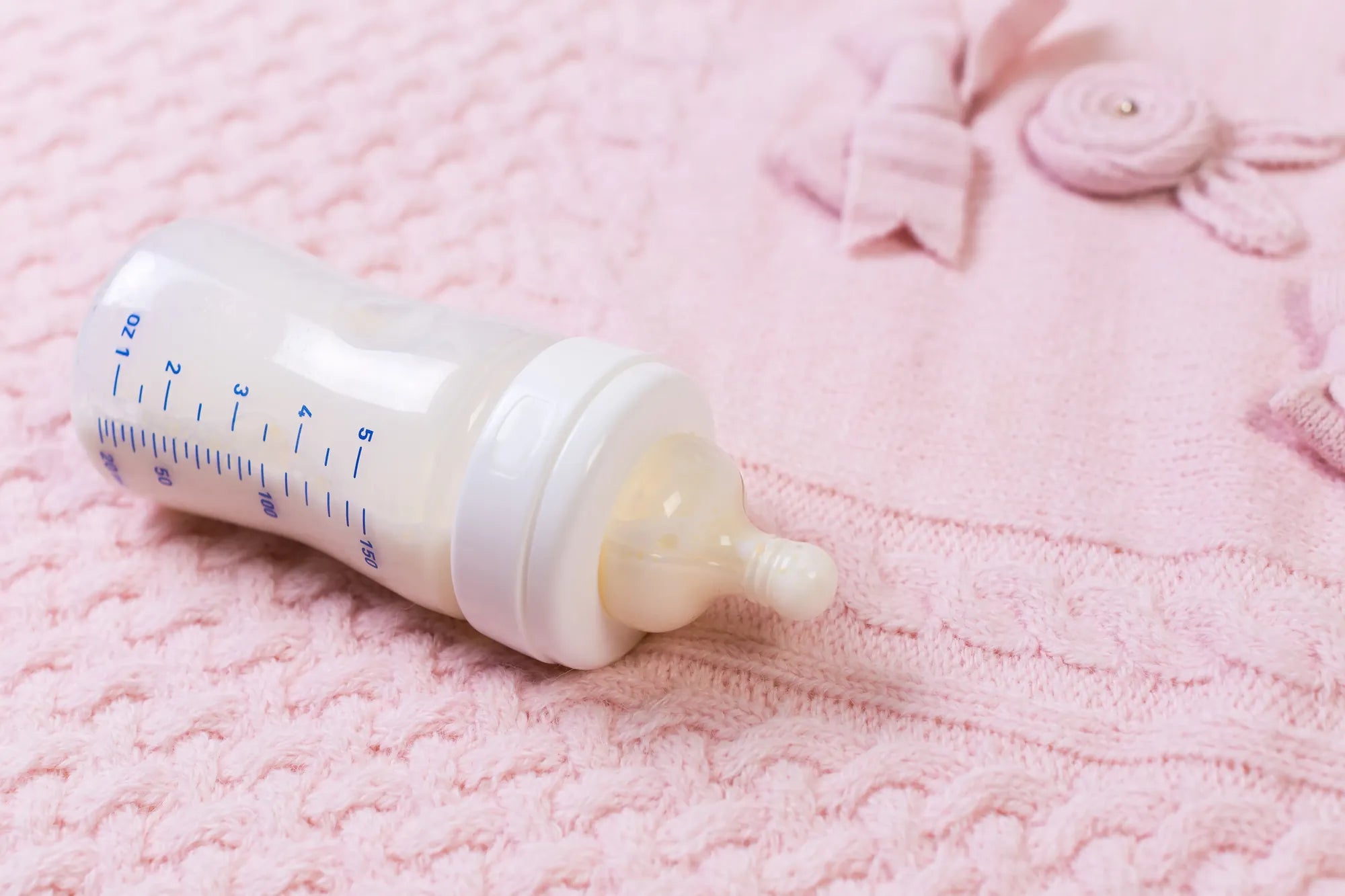
The collection bottle attaches below the flange to catch expressed milk. Most standard manual pumps use bottles compatible with other feeding systems. All MomMed collection containers are made from BPA-free, food-grade materials that are safe for milk storage and easy to clean. The bottle typically features measurement markings for tracking output.
Additional components may include comfort cushions (soft silicone inserts for the flange), backflow protectors (to prevent milk from entering the pump mechanism), and storage lids for the collection bottle. Keeping all parts clean and properly assembled ensures optimal performance and hygiene.
A Step-by-Step Guide to Using Your Manual Breast Pump
Effective manual pumping begins with preparation. Wash your hands thoroughly with soap and water before handling pump parts. Assemble all components according to the manufacturer's instructions, ensuring each piece is correctly connected and the valve is properly seated. Choose a comfortable, relaxed position in a quiet environment—stress can inhibit let-down. Have a glass of water nearby and consider having a photo or item of your baby to help stimulate oxytocin release.
Begin with breast massage to stimulate milk flow. Using your fingertips, gently massage from the outer breast toward the nipple in circular motions. This helps move milk from the alveoli into the ducts. Applying a warm compress for a few minutes before pumping can also encourage let-down. Some mothers find gentle nipple stimulation helpful for triggering the milk ejection reflex before even attaching the pump.
Position the flange centered over your nipple, ensuring your nipple moves freely in the tunnel without rubbing against the sides. Tilt slightly forward so gravity assists milk flow into the bottle. Create a seal by pressing the flange firmly against your breast—you should hear a slight hiss as air is displaced. Begin with rapid, gentle squeezes (about one per second) for 1-2 minutes to initiate let-down, mimicking a baby's initial quick sucks.
Once milk begins flowing (usually as droplets or streams), transition to slower, deeper squeezes. Maintain a rhythm: squeeze for 2-3 seconds, release for 2-3 seconds. Aim for 15-20 expression cycles per minute. Listen for the characteristic "whoosh-pause" sound of milk entering the bottle. Continue pumping until milk flow significantly slows, typically 15-20 minutes per breast, though this varies individually.
Switch breasts when flow diminishes, repeating the massage and two-phase pumping pattern. You may alternate breasts multiple times in a session to maximize output. After pumping, carefully break the seal before removing the flange to avoid discomfort. Record the time and volume if tracking supply. Immediately transfer milk to a storage container if not feeding right away, and properly clean all pump parts.
The Advantages of Choosing a Manual Breast Pump
Manual breast pumps offer distinct benefits that make them an excellent choice for many breastfeeding mothers. Their portability and discretion are unparalleled—with no cords, batteries, or motors, they can fit in any diaper bag or purse. This makes them ideal for occasional use at work, during travel, or in situations where electricity isn't available. Their quiet operation allows for discreet pumping in various settings without drawing attention.
Affordability represents another significant advantage. Manual pumps typically cost a fraction of electric or wearable models, making them accessible for families on a budget or those wanting a backup option. Despite their lower price point, quality manual pumps like those from MomMed are engineered for effective performance and durability when used correctly.
The simplicity of cleaning and maintenance reduces time and effort. With fewer parts and no electrical components, manual pumps can be quickly disassembled, washed, and air-dried. This streamlined design also means fewer places for milk residue to accumulate, promoting better hygiene. All MomMed pump parts are dishwasher-safe (top rack) for added convenience.
Precise user control allows mothers to adjust suction strength and rhythm instantly based on comfort and milk flow. This tactile feedback helps you respond to your body's signals, potentially reducing discomfort associated with automated settings that might not match your preferences. Many women find the hands-on connection facilitates better let-down response compared to passive electric pumping.
Manual pumps serve as excellent backup systems during power outages or when primary pumps malfunction. They're also valuable for addressing specific breastfeeding challenges like engorgement (gentle manual expression can soften areolas for better latch) or clogged ducts (targeted suction can help clear blockages). Their gentle nature makes them suitable for mothers with sensitive breasts or those recovering from mastitis.
Manual vs. Electric: Understanding Your Options
Choosing between manual and electric breast pumps depends on your individual needs, pumping frequency, and lifestyle factors. The following comparison highlights key differences to inform your decision.
| Feature | Manual Breast Pump | Electric/Wearable Pump |
|---|---|---|
| Primary Use Case | Occasional pumping, travel, backup, quick sessions | Frequent pumping, exclusive pumping, returning to work |
| Portability | Excellent (pocket-sized, no power needed) | Variable (wearable models are portable but need charging) |
| Noise Level | Very quiet (only mechanical sounds) | Quiet to moderate (motor hum) |
| Suction Control | Direct, immediate user control | Programmable settings with limited tactile feedback |
| Hands-Free Operation | No (requires one hand to operate) | Yes (with proper bra or wearable design) |
| Speed of Expression | Dependent on user rhythm; typically slower | Consistent, automated cycles; typically faster |
| Cost | Lower initial investment | Higher initial investment |
| Maintenance | Simpler, fewer parts | More complex, electrical components |
| Best For | Moms who pump occasionally, want precise control, or need maximum portability | Moms who pump regularly, need efficiency, or desire hands-free convenience |
Many mothers successfully use both types—a manual pump for flexibility and an electric or wearable model like the MomMed S21 for primary pumping sessions. The MomMed S21 Double Wearable Breast Pump offers hospital-grade suction with complete hands-free discretion, representing an innovative solution for mothers needing to multitask while maintaining milk supply.
Pro Tips for Effective and Comfortable Manual Pumping
Maximizing output while maintaining comfort requires technique refinement. Establish a consistent routine by pumping at approximately the same times daily, ideally when your milk production is naturally highest (typically morning). Even if you're not removing much milk initially, regular stimulation signals your body to maintain or increase supply. Consistency matters more than duration for establishing supply.
Implement breast compression during pumping to enhance milk flow. While maintaining suction with one hand, use your free hand to gently compress your breast from the outer areas toward the nipple. This manual technique helps drain milk more thoroughly, potentially increasing yield by 10-20%. Rotate compression around different quadrants to ensure all ducts are emptied.
Optimize your pumping rhythm based on your let-down pattern. Many women experience multiple let-downs per session. After the initial flow slows, switch back to rapid stimulation mode for 30-60 seconds to trigger another let-down, then return to expression mode. This "cluster pumping" technique can significantly increase total volume per session.
Address common challenges proactively. If experiencing nipple pain, ensure proper flange fit and apply purified lanolin or coconut oil to the flange rim before pumping. For low output, try pumping after a warm shower or while looking at your baby. If hands tire quickly, consider alternating hands or using a manual pump with an ergonomic handle design like MomMed's models.
Combine pumping with feeding when possible. Pump from one breast while nursing from the other (using a collection shell if needed) to take advantage of let-down synchronization. This "double pumping" approach saves time and often yields more milk than sequential pumping. Even with a manual pump, you can achieve this with practice and positioning.
Caring for Your Manual Breast Pump
Proper maintenance ensures pump efficiency, extends product lifespan, and protects your baby's health. Daily cleaning protocol begins immediately after use: disassemble all parts that contact breast milk (flange, valve, bottle, connectors). Rinse with cool water first to remove milk proteins, then wash with warm soapy water using a bottle brush designed for pump parts. Pay special attention to valves and membranes where milk residue can accumulate.
Sanitization frequency depends on your baby's age and health status. The CDC recommends sanitizing pump parts at least once daily for infants under 3 months, premature infants, or immunocompromised babies. For healthy older infants, thorough washing may suffice. Sanitize by boiling parts for 5 minutes, using a steam bag, or following manufacturer's guidelines. MomMed parts are compatible with all standard sterilization methods.
Drying and storage prevent microbial growth. Air-dry parts completely on a clean towel or drying rack before reassembly. Avoid using cloth towels that may transfer lint or bacteria. Store dry parts in a clean, covered container—not sealed plastic bags where moisture can accumulate. Consider having multiple sets of frequently used parts to rotate between cleanings.
Regular inspection identifies wear before it affects performance. Check valves monthly for stiffness, cracks, or misshapen flaps that could compromise suction. Examine flanges for tears in silicone cushions. Test suction by placing your finger over the flange opening and squeezing the handle—you should feel strong, consistent vacuum. Replace worn parts promptly; MomMed offers replacement part kits for all pump models.
Troubleshooting common issues maintains optimal function. If suction weakens, check valve placement and ensure all connections are tight. If milk backs up into the tubing or pump mechanism, verify the valve is installed correctly and replace if damaged. Never use petroleum-based lubricants on pump parts as they can degrade silicone; use only approved breast milk or food-grade oils if lubrication is needed.
Frequently Asked Questions About Manual Breast Pumps
How long does it take to pump with a manual pump?
A complete pumping session typically takes 30-45 minutes when including both breasts, preparation, and cleanup. Active expression per breast usually requires 15-20 minutes, though this varies based on milk supply, let-down efficiency, and experience level. Initially, sessions may take longer as you develop technique. Many mothers find manual pumping takes slightly longer than electric pumping but offers greater control that can improve milk removal efficiency over time.
Can I use a manual pump to establish or increase my milk supply?
Yes, manual pumps can effectively establish and increase milk supply when used correctly and consistently. The key principles are frequent removal (8-12 times per 24 hours, including night sessions) and complete breast drainage. Manual pumps allow for targeted compression and varied suction patterns that can stimulate production. For significant supply increases, consider "power pumping" sessions: pump for 20 minutes, rest 10, pump 10, rest 10, pump 10—mimicking cluster feeding patterns that boost prolactin.
How do I know if the flange is the right size?
Proper flange fit ensures your nipple moves freely without friction and minimal areola is pulled into the tunnel. During pumping, only the nipple and a small portion of areola should enter the tunnel—not breast tissue. Your nipple should not rub against the sides, and there should be no blanching (whitening) or pain. Measure your nipple diameter (without stimulation) and add 2-4mm for the correct flange size. MomMed provides sizing guides and multiple flange options with each pump to ensure proper fit.
Why am I not getting much milk with my manual pump?
Low output can result from several factors: incorrect flange size, improper technique, insufficient let-down stimulation, timing issues, or underlying supply concerns. Ensure you're using rapid stimulation mode initially, practicing breast compression, and pumping when breasts feel full. Relaxation is crucial—stress inhibits oxytocin. Try pumping after nursing or during morning hours when prolactin is highest. If output remains consistently low despite technique adjustments, consult a lactation professional to evaluate potential issues like ineffective milk transfer or hormonal factors.
Is it normal for my hand to get tired?
Some hand fatigue is common, especially during longer sessions or when first learning. This usually improves as technique becomes more efficient and hand muscles adapt. To minimize fatigue, ensure proper grip—don't squeeze harder than necessary to maintain suction. Alternate hands between breasts or mid-session. Consider ergonomic aids like compression gloves or choosing a pump with a cushioned, contoured handle. If pain persists or includes wrist symptoms, evaluate your positioning and consider consulting a healthcare provider to rule out repetitive strain issues.
Can I use a manual pump if I have inverted or flat nipples?
Manual pumps can be particularly helpful for inverted or flat nipples by drawing the nipple out gently. Begin with brief, gentle suction to gradually encourage nipple protraction. Some mothers find using a nipple everter or shield before pumping helps. Ensure you have properly sized flanges—sometimes a slightly smaller flange provides better contact. Be patient; it may take several sessions to see improvement. If significant challenges persist, consult a lactation consultant for personalized strategies.
Conclusion: Empowering Your Feeding Journey with Knowledge and Choice
Mastering how manual breast pump works provides you with a valuable skill that offers independence and flexibility throughout your breastfeeding journey. The control, portability, and simplicity of manual expression make it an enduring choice for mothers worldwide. Whether used as a primary tool or a reliable backup, understanding the mechanics and techniques transforms this simple device into an effective means of nourishing your baby.
Every mother's journey is unique, and having multiple tools at your disposal ensures you're prepared for various situations. From the discreet convenience of a manual pump to the innovative technology of wearable models, modern breastfeeding solutions accommodate diverse needs and lifestyles. MomMed supports your choices with research-backed information and thoughtfully designed products that prioritize both baby's safety and mother's comfort.
Your feeding journey deserves reliable support and quality tools. Shop the MomMed collection at mommed.com for all your breastfeeding and pregnancy needs, from manual pumps and wearable options to pregnancy tests and baby care essentials. Our award-winning products, including the S21 Double Wearable Breast Pump, combine innovation with the practical wisdom that comes from understanding exactly how manual breast pump works and how to optimize your experience.