


Accueil
Pregnancy, Breastfeeding, and Pumping: The Ultimate Guide for Moms
How Long to Pump Breast Milk After Drinking Alcohol: A Comprehensive Guide for Nursing Mothers
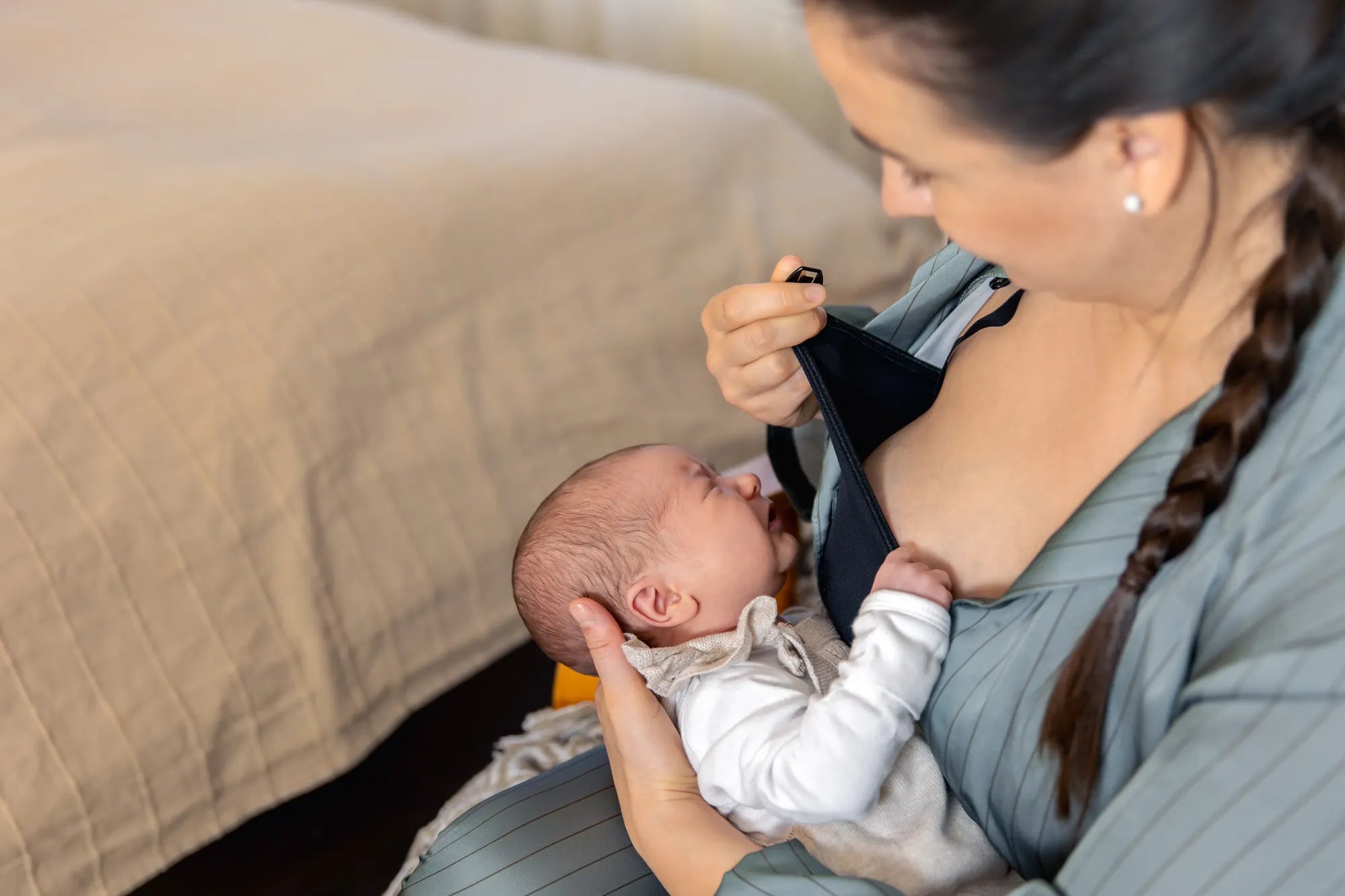
How Long to Pump Breast Milk After Drinking Alcohol: A Comprehensive Guide for Nursing Mothers
If you're a breastfeeding mother wondering about the safety of an occasional drink, you're not alone. The question of how long to pump breast milk after drinking alcohol is one of the most common and anxiety-inducing queries for new parents. This comprehensive guide cuts through the confusion with clear, data-driven protocols, debunks persistent myths like "pump and dump," and provides a practical framework for making informed decisions. You will learn exactly how alcohol moves through your system and your milk, how to calculate safe waiting periods, and how to plan ahead with confidence, ensuring your baby's safety never comes second to your need for normalcy and social connection.
Understanding Alcohol Metabolism in Breastfeeding: The Core Science
Alcohol enters your breast milk by passive diffusion from your bloodstream; it is not stored or "trapped" in the milk. The concentration of alcohol in your milk is virtually identical to your blood alcohol concentration (BAC). This leads to a fundamental principle endorsed by the American Academy of Pediatrics (AAP) and the CDC: "If you are sober enough to drive, you are sober enough to breastfeed or pump for immediate feeding." The alcohol level in your milk rises and falls in tandem with your BAC, peaking about 30-60 minutes after consumption (sooner if consumed with food).
The liver metabolizes alcohol at a relatively constant rate for most adults, averaging about 0.015 grams per deciliter (g/dL) of BAC per hour. This is roughly equivalent to metabolizing one standard drink per hour for an average-weight woman, though individual factors like metabolism, body composition, and food intake cause significant variation. Crucially, pumping and discarding milk—"pump and dump"—does not accelerate this metabolic process. Only time allows your liver to process and clear the alcohol.
Understanding this pharmacokinetic process is empowering. It removes the guesswork and fear, replacing it with a predictable timeline. Your breast milk is essentially a reflection of what's in your blood at any given moment. When the alcohol is gone from your bloodstream, it is also gone from your milk. This scientific foundation is key to moving away from outdated, fear-based advice and toward a model of informed, moderate consumption.
Debunking the "Pump and Dump" Myth and Clarifying Its Actual Purpose
The phrase "pump and dump" is pervasive but profoundly misleading. It suggests that the act of expressing and discarding milk magically purges alcohol from your system or your milk supply. This is categorically false. As established, alcohol clears from milk as it clears from your blood via liver metabolism. Pumping does not influence your liver's function or speed up this biological process.
So, when is pumping after drinking actually necessary or beneficial? Its primary purpose is supply maintenance and physical comfort. If you consume alcohol and then reach a point where your breasts are full and uncomfortable, but your BAC indicates it's not yet safe to feed that milk to your baby, you should pump. This expressed milk should be discarded if it contains alcohol, but the act of emptying the breasts signals your body to continue production, preventing a dip in supply and avoiding painful engorgement or potential issues like clogged ducts or mastitis.
Think of pumping in this context as a logistical and physiological tool, not a detox method. It allows you to stick to your regular emptying schedule to protect your milk supply while you wait for the alcohol to metabolize fully. Once sufficient time has passed and you are certain you are sober, any newly expressed milk will be alcohol-free and safe for your baby. This nuanced understanding is critical for both your baby's safety and your breastfeeding success.
The Practical Timeline: How Long to Wait Before Pumping or Nursing
Establishing a safe waiting period is the cornerstone of responsible drinking while breastfeeding. The most widely recommended and evidence-based guideline is the "2-hour per standard drink" rule. This means for each standard alcoholic beverage you consume, you should wait a minimum of two hours before nursing your baby or pumping milk intended for immediate feeding.
A "standard drink" is defined as containing approximately 14 grams of pure alcohol. Common examples include: 12 ounces of regular beer (5% ABV), 5 ounces of wine (12% ABV), or 1.5 ounces of distilled spirits (40% ABV, or 80 proof). It is vital to measure pours accurately, as a large glass of wine or a strong craft beer can easily constitute two or more standard drinks. Consuming drinks with food slows absorption and can slightly reduce peak BAC, but it does not change the fundamental metabolic timeline.
For multiple drinks, the waiting time adds up. For instance: if you have two glasses of wine over a two-hour dinner, you should wait approximately 4 hours from the time you finished your last sip (2 hours per drink). A helpful, conservative approach is to use the same apps or charts designed to estimate BAC for driving. When your estimated BAC returns to zero, your milk is free of alcohol. This timeline provides a clear, actionable framework that prioritizes safety without resorting to unnecessary abstinence or anxiety.
Key Factors That Influence Your Personal Alcohol Clearance Rate
While the 2-hour rule is an excellent general guide, several personal factors can influence how quickly or slowly your body processes alcohol. Being aware of these allows for more personalized and cautious planning.
Body Weight and Composition: A person with lower body weight will generally have a higher BAC from the same amount of alcohol compared to someone heavier. Body fat percentage also plays a role, as alcohol is water-soluble and distributes in body water.
Metabolic Rate and Genetics: Individual variations in liver enzyme activity (like alcohol dehydrogenase) mean some people metabolize alcohol faster or slower than average. Age can also be a factor, as metabolic efficiency often decreases over time.
Food Intake: Consuming alcohol on a full stomach, particularly one with fats and proteins, significantly slows the rate of alcohol absorption into the bloodstream. This results in a lower peak BAC and can make the timeline more forgiving.
Hydration and Fatigue: Being dehydrated or excessively tired can impair your body's ability to metabolize alcohol efficiently. It's always wise to drink plenty of water alongside any alcoholic beverage and to be extra conservative with timing if you are sleep-deprived.
Strategic Planning: The Smartest Approaches for Nursing Moms
With knowledge of the timelines and factors, you can implement fail-safe strategies that eliminate worry. The most highly recommended approach by lactation consultants is the "Pump for Later" strategy.
Plan to have your drink immediately after a nursing or pumping session. Then, use the calculated waiting period (e.g., 2+ hours per drink) before the next feeding. During this window, if baby needs to eat, you can use the previously expressed, alcohol-free milk you prepared. This method is foolproof and removes all guesswork and stress, allowing you to relax and enjoy your time knowing your baby has a safe meal ready.
Another key strategy is timing your consumption. Many mothers find it easiest to have a drink during or right after an evening feeding, aligning the metabolizing time with their baby's longest sleep stretch (often at night). By the time the baby wakes for a night feed or a morning feed, the alcohol has likely cleared your system entirely. For those seeking absolute certainty, especially with newborns or preemies, alcohol test strips for breast milk can provide tangible reassurance that milk is safe before a feed.
Special Considerations and Safety Red Flags
While moderate, occasional drinking is considered compatible with breastfeeding by major health authorities, certain situations demand heightened caution or abstinence.
Newborns and Premature Infants: Babies under 3 months, and especially preemies, have extremely immature livers. Their ability to process even minute amounts of alcohol is significantly compromised. The safest course during this period is to avoid alcohol or be extraordinarily conservative, perhaps using only milk expressed prior to any consumption.
Impact on Milk Ejection and Supply: Alcohol is a diuretic and can temporarily inhibit the release of oxytocin, the hormone responsible for the milk ejection reflex (let-down). Some mothers may find it harder to trigger a let-down or experience a noticeable dip in output during a pumping session shortly after drinking. This is usually transient. Contrary to old wives' tales, alcohol does not increase milk production; in fact, chronic or heavy use can suppress prolactin and reduce long-term supply.
Binge Drinking is Never Safe: Consuming four or more drinks in a short period (binge drinking) poses serious risks. At high BAC levels, alcohol can enter milk in higher concentrations and may even sedate your infant. It also impairs your caregiving abilities. If you have binge drank, do not breastfeed or provide that milk until you are completely sober—a process that may take 12 hours or more. Prioritize having a sober caregiver for your baby during this time.
Comparison of Guidelines and Tools for Alcohol Management
| Method / Guideline | How It Works | Pros | Cons / Considerations |
|---|---|---|---|
| "2-Hour Per Drink" Rule | Wait 2 hours for each standard drink consumed before nursing/pumping for feeding. | Simple, easy to remember, evidence-based, widely recommended. | Requires knowing what a "standard drink" is; individual metabolism varies. |
| "If Safe to Drive, Safe to Nurse" Principle | Breastfeed or pump for feeding only when you feel completely sober and would feel safe driving. | Intuitive, personal, aligns with legal BAC limits for driving. | Subjective; fatigue or other factors can impair judgment. |
| Breast Milk Alcohol Test Strips | Test a small sample of expressed milk for the presence of alcohol. | Provides objective, visual confirmation; offers peace of mind. | Adds cost; not necessary for everyone following timed guidelines. |
| "Pump for Later" Strategy | Pump and store milk before drinking; use stored milk during the metabolizing period. | Eliminates all risk and uncertainty; most highly recommended by experts. | Requires planning and having a supply of expressed milk on hand. |
| BAC Tracking Mobile Apps | Input drinks, weight, and time to estimate current and future BAC. | Provides a personalized, data-driven timeline; can account for multiple drinks. | Still an estimate; should be used as a conservative guide, not a guarantee. |
How MomMed Products Support Your Confident Feeding Journey
Implementing the "pump for later" strategy or maintaining your supply while waiting for alcohol to clear requires a reliable, efficient, and comfortable pumping routine. This is where MomMed, a trusted maternal and baby care brand, provides essential support. Our innovative products are designed to integrate seamlessly into the practical strategies outlined in this guide, offering convenience and peace of mind.
For effortless milk expression before a social event, the award-winning MomMed S21 Double Wearable Breast Pump is a game-changer. Its completely cordless, discreet design allows you to pump hands-free while preparing to go out or even while enjoying a quiet moment at home. With multiple stimulation and expression modes, you can find a comfortable, effective setting to quickly build your stash of safe, alcohol-free milk. The quiet motor ensures discretion, and the BPA-free, food-grade silicone components guarantee your milk's purity from the start.
Once you have expressed your milk, safe storage is paramount. MomMed's ecosystem includes BPA-free storage bags and bottles that are perfectly compatible with our pumps, creating a closed, hygienic system from expression to feeding. This means the milk you pump before having a drink remains in optimal condition for your baby, ready to use when needed. By combining smart planning with reliable, comfortable technology, MomMed empowers you to navigate occasional drinking without compromising your breastfeeding goals or your baby's well-being.
Frequently Asked Questions (FAQs)
Q: Can I drink alcohol to help with milk let-down or increase supply?
A: No, this is a dangerous myth. Alcohol actually inhibits the release of oxytocin, the hormone responsible for the milk ejection reflex (let-down). This can make it harder for milk to flow during a feeding or pumping session. Furthermore, studies show that alcohol does not increase milk production; chronic use can suppress prolactin levels and lead to a decreased supply over time.
Q: What if I feel buzzed or drunk?
A: Do not nurse or feed your baby any milk pumped during this time. A "buzz" or feeling of intoxication indicates a elevated BAC, meaning the alcohol concentration in your milk is also elevated. Wait until all subjective effects have completely worn off and you feel fully sober before resuming breastfeeding or pumping for feeding. Arrange for a sober caregiver during this period.
Q: Does alcohol stay in "hindmilk" longer than in "foremilk"?
A: No. Alcohol is water-soluble and diffuses uniformly into the aqueous portion of breast milk. The foremilk/hindmilk distinction relates to fat content, not alcohol content. Alcohol concentration is consistent throughout a feeding and clears from all milk at the same rate as your BAC declines.
Q: Are non-alcoholic beers and wines completely safe?
A: Use caution and check labels. Many "non-alcoholic" or "alcohol-free" beverages contain trace amounts of alcohol (up to 0.5% ABV). While this is a very small amount unlikely to affect your milk, if you are concerned or consuming large quantities, it's wise to apply the same cautious principles or choose beverages verified as 0.0% ABV.
Q: Where can I find the most trusted, official guidelines on this topic?
A: Reputable sources include the Centers for Disease Control and Prevention (CDC), the American Academy of Pediatrics (AAP), and La Leche League International (LLLI). These organizations provide science-based, regularly updated recommendations that align with the principles in this guide.
Empowerment Through Knowledge and Preparation
Navigating breastfeeding and the occasional drink doesn't require guesswork or guilt. The evidence is clear: alcohol metabolizes predictably, and with informed planning, you can maintain both your baby's absolute safety and your own sense of balance. Remember that time is the only factor that clears alcohol from your milk, and strategies like pumping beforehand are powerful tools for convenience and peace of mind. By understanding the science, respecting your own body's signals, and having reliable tools at your disposal, you can make confident choices that support your journey as a mother. You deserve to feel informed, prepared, and empowered in every aspect of your feeding experience.
Ready to build your stash and pump with ultimate convenience and comfort? Explore the MomMed collection, featuring our best-in-class wearable pumps like the S21 and S12, along with all the BPA-free storage and feeding essentials you need. Shop the MomMed collection at mommed.com for all your breastfeeding and pregnancy needs, and join thousands of moms who trust us to support their journey with innovation, reliability, and care.