


Accueil
Pregnancy, Breastfeeding, and Pumping: The Ultimate Guide for Moms
How Long Is Breast Milk Good for After You Pump: The Essential Evidence-Based Guide
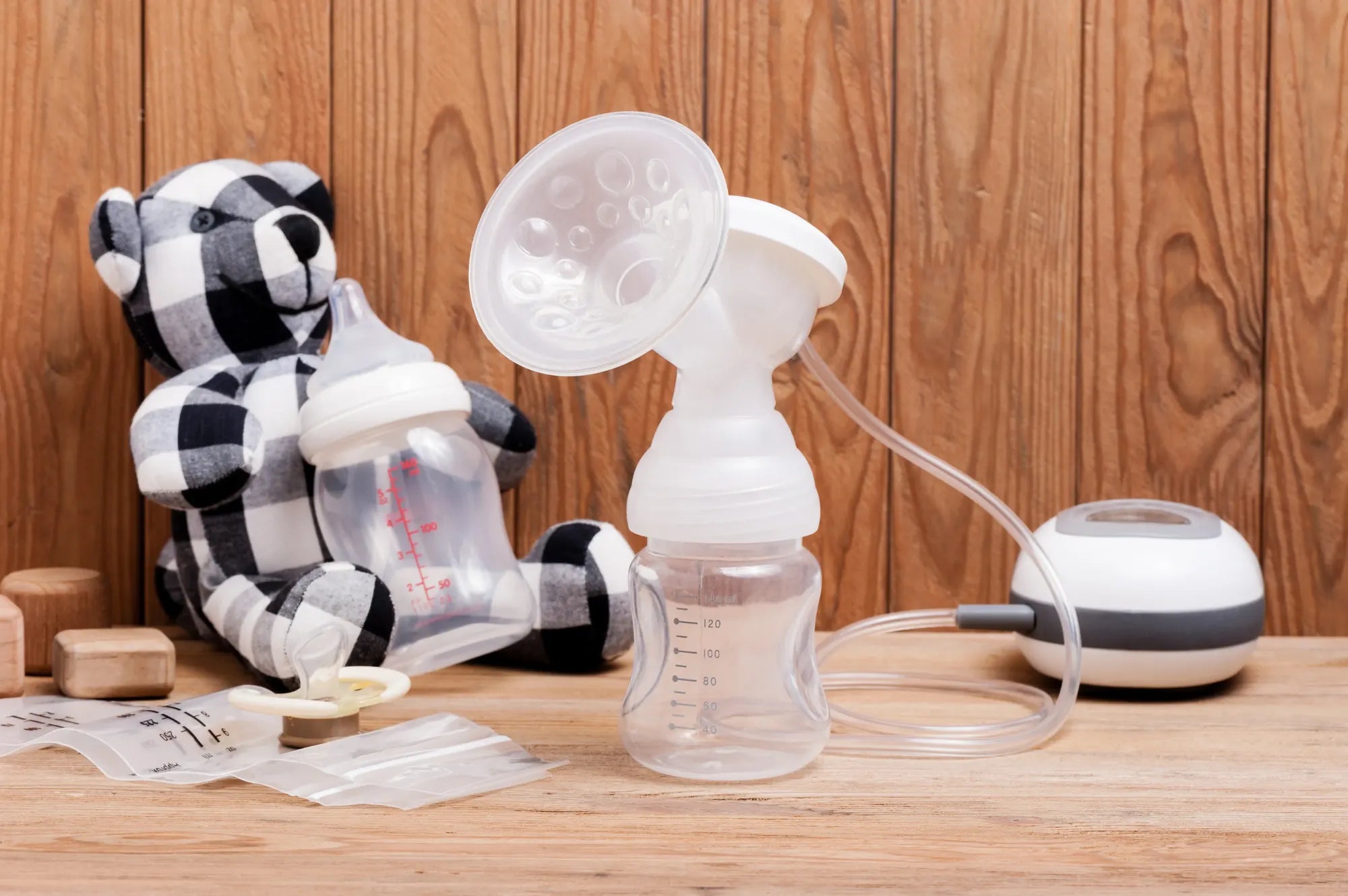
How Long Is Breast Milk Good for After You Pump: The Essential Evidence-Based Guide
Introduction to Breast Milk Storage: Safety and Nourishment
For every pumping parent, knowing exactly how long breast milk is good for after you pump is fundamental to providing safe, nourishing meals for your baby. This isn't just about convenience; it's a critical component of infant health. Proper storage preserves the unique immunological properties, living cells, and perfect nutritional balance that make breast milk so valuable.
This guide serves as your definitive, evidence-based resource. We'll move beyond vague advice to provide clear, actionable timelines backed by leading health organizations. You'll gain the confidence to store, handle, and feed your expressed milk safely, ensuring every precious drop offers maximum benefit to your little one.
Understanding the Core Factors: What Affects Breast Milk Shelf Life?
The storage clock starts ticking the moment milk leaves the breast. How long it remains safe and nutritious depends on a precise interplay of environmental conditions and handling techniques. The core variables are temperature, initial milk freshness, and the cleanliness of your entire collection process.
Temperature is the most significant factor. Bacteria growth slows dramatically in cold environments. The guidelines in this article are based on maintaining specific, consistent temperatures. Fluctuations, such as milk warming up during a commute before being refrigerated, can shorten its safe window.
The initial bacterial load matters. Milk expressed with scrupulously clean hands and sanitized equipment will have a longer safe shelf life than milk contaminated at the source. Furthermore, milk from a healthy parent is naturally antimicrobial, but these properties degrade over time, especially at warmer temperatures.
Freshness at the Source: Pumping and Handling Best Practices
Maximizing shelf life begins before you even start pumping. Always wash your hands thoroughly with soap and water. Ensure all pump parts that contact milk—flanges, valves, membranes, and collection bottles—are cleaned after each use according to the manufacturer's instructions. For daily sanitation, many parents find it convenient to use microwave steam bags or a dedicated wash basin.
Use containers designed for breast milk storage. These should be made of food-grade plastic, glass, or silicone that is BPA-free. Many pumps, like the MomMed S21, come with bottles that are directly compatible with storage caps, allowing you to pump, cap, and store without unnecessary transfers that increase contamination risk.
Cool the milk promptly. After pumping, if you are not feeding immediately, place the sealed storage container in the refrigerator or a cooler with ice packs right away. Do not let it sit out at room temperature to "finish" a pumping session. This immediate cooling is the first and most crucial step in preserving quality and safety.
The MomMed Storage Timeline: Evidence-Based Guidelines
The following guidelines synthesize recommendations from the Centers for Disease Control and Prevention (CDC), the Academy of Breastfeeding Medicine, and human milk research. These are the gold standards for healthy, full-term infants. For preterm or immunocompromised infants, consult your healthcare provider for stricter protocols.
This table provides a clear, at-a-glance reference for the core storage durations under different conditions.
| Storage Location | Temperature | Safe Duration for Fresh Milk | Key Considerations |
|---|---|---|---|
| Room Temperature | Up to 77°F (25°C) | Up to 4 hours | Ideal for immediate feeding. Warmer rooms reduce this time. |
| Insulated Cooler | With ice packs | Up to 24 hours | Essential for travel or workplace pumping. |
| Refrigerator | 40°F (4°C) or cooler | Up to 4 days | Store at the back, not in the door. |
| Freezer (compartment inside fridge) | Varies, typically 5°F (-15°C) | 2 weeks | Temperature fluctuates with door openings. |
| Separate Deep Freezer | 0°F (-18°C) or cooler | 6 to 12 months (optimal within 6) | Maintains quality best. Label with date and volume. |
At Room Temperature (77°F or Cooler)
Freshly expressed breast milk can safely remain at room temperature for up to four hours. This window assumes a relatively cool room. In warmer environments (above 77°F), the safe duration shortens significantly. A good rule is to refrigerate milk within two hours if the room is particularly warm.
This guideline is perfect for milk you plan to feed your baby during the same pumping session or within a short timeframe. If you are unsure how long the milk has been out, or if your baby did not finish a bottle, it is always safer to adhere to the principle: "When in doubt, throw it out." The risk of bacterial growth is not worth taking.
In the Refrigerator (40°F or Cooler)
Refrigeration at 40°F or below is the workhorse of milk storage for daily use. Here, breast milk is good for up to four days. To ensure a consistent, cold temperature, store containers toward the back of the main body of the refrigerator, not on the door shelf where temperatures fluctuate with each opening.
Use older milk first. Practice the "first in, first out" method by placing newly expressed milk behind older containers. Always label your bottles or bags with the date and time of expression. Clear storage bottles, like those from MomMed, make it easy to see the volume and any natural separation of cream, which is normal and safe.
In the Freezer (0°F or Cooler)
Freezing is for long-term storage. In a standard freezer that is part of a refrigerator, aim to use milk within two weeks due to temperature variability. For optimal quality and the longest shelf life, a standalone deep freezer maintained at 0°F or colder is ideal. Here, milk can be stored for 6 to 12 months, with best quality retained within the first 6 months.
Freezing preserves the vast majority of milk's nutritional value but can inactivate some of the live leukocytes (white blood cells). To save space and promote faster thawing, freeze milk flat in specially designed storage bags. Leave about an inch of space at the top as milk expands when frozen. Always label bags with the date and volume before freezing.
Thawing and Warming: Completing the Safety Cycle
Safe storage is only half the equation; proper thawing and warming are equally important. The safest method is to plan ahead and thaw frozen milk overnight in the refrigerator. It will typically be ready within 12 hours. Once fully thawed in the fridge, use it within 24 hours.
For a quicker method, hold the sealed frozen bag or bottle under cool running water. Once the milk has begun to thaw, gradually switch to warm water until it reaches feeding temperature. Never use hot water directly on frozen milk, as it can destroy nutrients and create hot spots. Crucially, never thaw or warm breast milk in a microwave. Microwaving creates uneven hot spots that can scald your baby's mouth and significantly degrade protective proteins.
Handling Leftovers After a Feeding
A common point of confusion involves milk leftover in a bottle after a feeding. Once your baby's mouth has touched the bottle, bacteria from their saliva can enter the milk. Therefore, any milk left in the bottle after a feeding should be used within 1 to 2 hours.
To minimize waste, consider storing milk in smaller quantities (2-3 oz portions) and thawing an additional ounce if your baby seems still hungry. Do not refreeze previously frozen milk that has been thawed, and do not save milk from a partially consumed bottle to combine with fresh milk for a later feed. This practice increases the risk of bacterial contamination.
Maximizing Freshness and Efficiency with the Right Gear
Adhering to safety guidelines is easier and more effective when supported by the right equipment. Quality gear designed with a parent's needs in mind simplifies the process, reduces stress, and helps maintain the integrity of your milk from expression to feeding.
Investing in reliable, easy-to-clean products is an investment in your milk's safety and your own pumping sustainability. The right tools can make the difference between a chaotic routine and a streamlined, confident process that supports your breastfeeding goals for as long as you choose.
The Role of a Reliable, Hygienic Breast Pump
The pump is the starting point for milk quality. A hygienic, efficient pump ensures effective expression while protecting the milk from contamination. A closed-system pump is essential; this design prevents milk from being sucked back into the tubing and motor, creating a more sanitary environment and making cleanup easier.
For example, the MomMed S21 Double Wearable Breast Pump features a true closed-system design alongside hospital-grade suction strength. Its BPA-free, food-grade silicone components are safe for your milk and comfortable for you. The ultra-quiet, efficient performance allows for effective let-down and expression, ensuring you can pump milk quickly and store it while it's at its freshest. Wearable pumps like the S21 also offer the flexibility to pump and immediately refrigerate milk without disrupting your daily tasks.
From Pump to Storage: Seamless Transfer
Minimizing handling reduces contamination risk. Many modern pumps facilitate a direct-pump-to-store workflow. MomMed breast pumps use standard-sized bottles that can be directly sealed with a storage cap or attached to a nipple for feeding. This means the container that collects the milk can become its storage vessel, eliminating a transfer step.
For freezing, using pre-sterilized breast milk storage bags that can be attached directly to the pump flange (with the correct adapter) is another excellent option. When freezing in bags, lay them flat to freeze; this creates a thin, brick-shaped package that thaws quickly and stacks neatly, maximizing freezer space. Organizing these "milk bricks" by date in bins makes inventory management simple.
Advanced Storage Scenarios and Troubleshooting
Real-life pumping often involves complex situations. You may need to combine milk from different sessions or manage a high-lipase issue that affects smell. Understanding how to navigate these scenarios ensures you don't waste your liquid gold unnecessarily.
Combining milk is safe if done correctly. Always cool the newly expressed milk in the refrigerator separately for about an hour before adding it to an already chilled container of milk from the same day. This prevents the warm fresh milk from raising the temperature of the older batch, which could encourage bacterial growth. Label the container with the date of the oldest milk.
Some parents discover their thawed milk has a soapy or metallic smell. This is often due to high levels of an enzyme called lipase, which breaks down fats. The milk is perfectly safe, but some babies may refuse the taste. If this occurs, you can scald the fresh milk before freezing: heat it in a saucepan until small bubbles form around the edges (not a rolling boil), then quickly cool and freeze. This deactivates the lipase.
Frequently Asked Questions (FAQs)
Q: Can I add freshly pumped warm milk to already refrigerated cold milk?
A: Yes, but with a critical step. First, cool the freshly pumped milk in the refrigerator for about an hour on its own. Once it is chilled, you can safely add it to a container of other cold milk from the same day. This prevents warming the older milk, which could compromise its safety.
Q: How can I tell if my stored breast milk has gone bad?
A> Spoiled breast milk typically has a distinct, sour odor—similar to spoiled cow's milk. Visually, while it's normal for milk to separate into a fatty layer and a watery layer, spoiled milk may sometimes develop clumps or chunks that do not reincorporate with gentle swirling. If in doubt, trust your nose and discard it.
Q: Do these storage guidelines change for preterm or sick infants?
A> Absolutely. Preterm infants or those with significant medical conditions have immature or compromised immune systems. Hospitals often recommend stricter guidelines, such as using milk within 24-48 hours when refrigerated or following specific handling protocols. Always follow the precise instructions given by your baby's neonatologist or pediatrician.
Q: Why does my thawed milk smell soapy or taste metallic? Is it safe?
A> This is commonly caused by high lipase activity, as mentioned earlier. It is not a sign of spoilage and the milk is safe to drink. However, if your baby refuses it, scalding the milk before freezing (as described above) usually solves the problem for future batches.
Q: Can I refreeze breast milk that has been thawed?
A> It is generally not recommended to refreeze previously frozen and thawed milk. The thawing process can encourage bacterial growth, and refreezing may further degrade the quality. An exception is if you thawed milk in the refrigerator and it has been there for less than 24 hours but is still partially frozen with ice crystals—some sources consider it safe to refreeze, though nutrient loss may occur. The safest practice is to thaw only what you plan to use.
Conclusion: Empowering Your Feeding Journey with Knowledge and Confidence
Understanding exactly how long breast milk is good for after you pump transforms uncertainty into empowerment. By following these evidence-based timelines for room temperature, refrigeration, and freezing, and by implementing best practices for handling and thawing, you safeguard your baby's health and honor the incredible effort behind every ounce. This knowledge allows you to build a flexible, reliable feeding routine, whether you're exclusively pumping or combining nursing with bottle feeds.
Remember, you are not just storing milk; you are preserving a dynamic, life-supporting substance. Pairing this knowledge with supportive, high-quality tools makes the journey smoother. MomMed is committed to being your partner in this mission, offering innovative, reliable products designed with the safety of your milk and the comfort of your body in mind. Shop the MomMed collection at mommed.com for all your breastfeeding and pregnancy needs, from our award-winning wearable pumps to essential storage accessories, and feed your confidence alongside your baby.