


Accueil
Pregnancy, Breastfeeding, and Pumping: The Ultimate Guide for Moms
How Long Can You Leave Pumped Breast Milk Out: A Comprehensive Guide for Safe Feeding
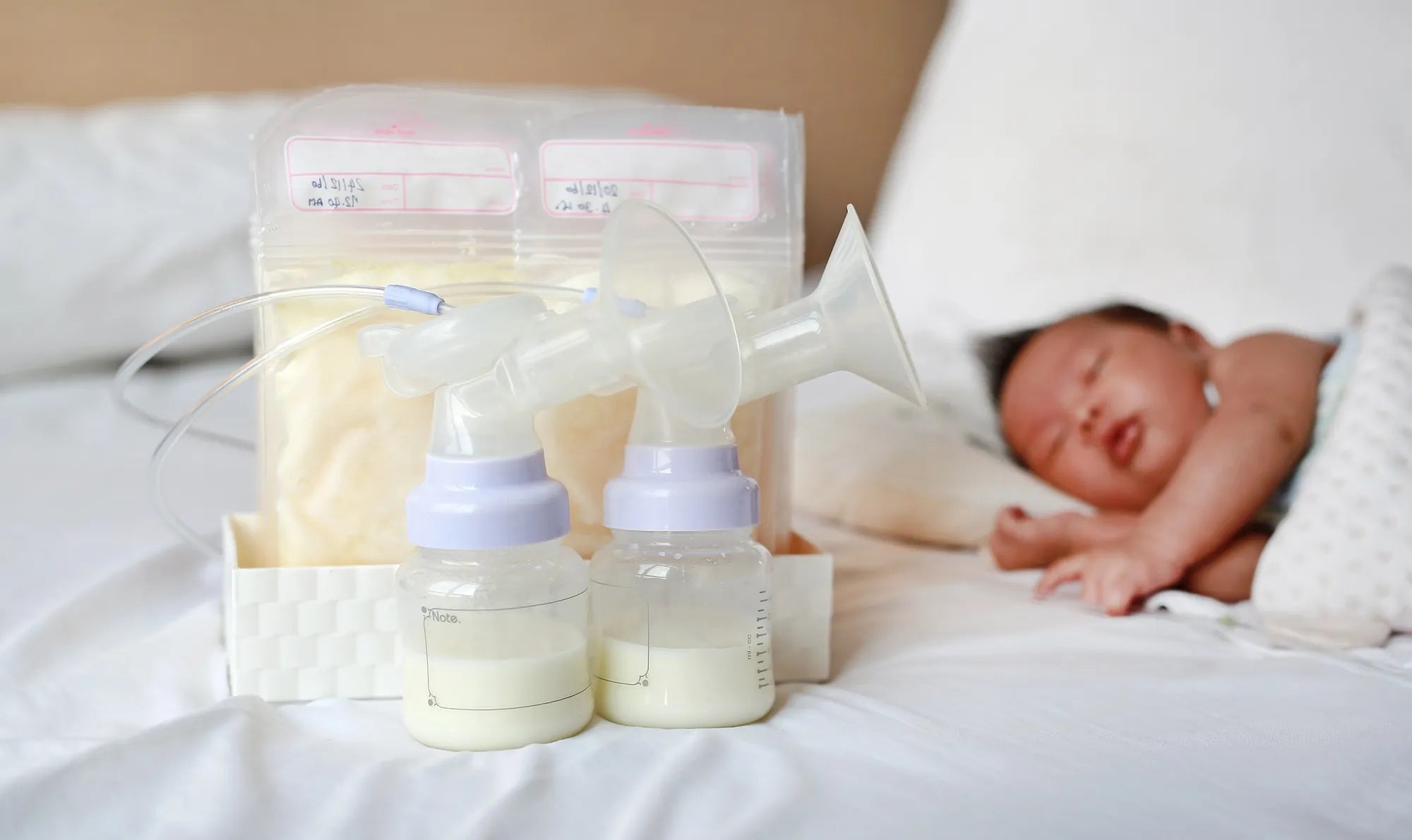
How Long Can You Leave Pumped Breast Milk Out: A Comprehensive Guide for Safe Feeding
As a pumping parent, your expressed milk represents hours of dedication and precious nutrition for your baby. Knowing exactly how long can you leave pumped breast milk out is critical for ensuring your baby's safety and preventing the heartbreaking waste of your liquid gold. This comprehensive guide delivers clear, actionable storage rules directly from leading health authorities, empowering you with the confidence to feed your baby safely at home or on the go. You will learn precise timelines for room temperature, refrigerator, and freezer storage, understand the science behind the guidelines, and discover practical tips and product solutions that integrate seamlessly into a busy parent's life.
Understanding Breast Milk Storage Safety: Why Guidelines Matter
Breast milk is a living substance, rich in antibodies, beneficial bacteria, and nutrients. However, once expressed, it is no longer protected by the sterile environment of the breast and becomes susceptible to bacterial growth. Proper storage is the single most important factor in preserving its safety and nutritional quality.
The primary goal of storage guidelines is to minimize the risk of bacterial contamination that could lead to infant illness. Organizations like the Centers for Disease Control and Prevention (CDC), the American Academy of Pediatrics (AAP), and La Leche League International (LLLI) base their recommendations on extensive research into bacterial growth rates in human milk under various conditions.
Following these guidelines isn't just about safety; it's also about preserving the complex immunological and nutritional profile of your milk. Incorrect storage can degrade vitamins and live components. Adhering to the established rules for how long can you leave pumped breast milk out ensures your baby receives the full benefit of your milk.
This guide synthesizes the most current and consensus-driven recommendations. It’s designed to be your go-to reference, eliminating guesswork and providing the peace of mind that comes from knowing you're handling your baby's food with expert-level care.
The Golden Rule: Room Temperature Storage Guidelines
The most frequently asked question by pumping parents is about leaving milk on the counter. The standard, evidence-based guideline is clear: freshly expressed or pumped breast milk can be kept at room temperature (up to 77°F or 25°C) for up to 4 hours.
This four-hour window is the maximum safe period. If your baby does not consume the milk within this time, it should be moved to the refrigerator or discarded. The countdown begins immediately after the milk is expressed.
What Defines "Room Temperature"?
The 4-hour rule is specific to a cooler room environment. "Room temperature" is precisely defined as 77°F (25°C) or lower. In warmer environments, this safe window shortens significantly.
In a very warm room (above 77°F/25°C), such as a hot summer day without air conditioning, the safe storage time drops to 2 hours or less. Bacteria multiply more rapidly in warmer conditions. If you are unsure of the temperature, it is always safer to refrigerate the milk sooner rather than later.
When Does the Timer Actually Start?
A critical point of confusion is pinpointing the start time. The safety clock starts ticking from the moment the milk leaves your breast. It is not when you finish a pumping session, when you pour it into a storage bag, or when you take it out of an insulated cooler.
For example, if you pump for 20 minutes, the milk expressed at the beginning of that session has been at room temperature for 20 minutes longer than the milk expressed at the end. Therefore, for safety and simplicity, always note the time when pumping is complete and use that as your start time for the 4-hour room-temperature countdown.
Beyond the Counter: Refrigerator and Freezer Storage Times
For longer-term storage, refrigeration and freezing are your best tools. These methods dramatically slow bacterial growth, allowing you to build a stash for future use. The following guidelines apply to milk stored in clean, sealed containers at the back of the appliance (not in the door, where temperatures fluctuate).
Maximizing Freshness in the Refrigerator
Freshly expressed breast milk can be stored in the refrigerator (at 40°F / 4°C or colder) for up to 4 days. For optimal freshness and quality, many lactation consultants recommend using it within 3 days. Always store milk in the coldest part of the fridge, usually the back of a shelf.
Use containers designed for breast milk storage, such as BPA-free bottles, hard-sided plastic cups with tight lids, or pre-sterilized breast milk storage bags. Label every container with the date and time it was expressed using waterproof tape or a marker. Practice the "first in, first out" rule, using the oldest stored milk first.
A Guide to Freezing for Long-Term Storage
Freezing is ideal for creating a long-term milk reserve. Freshly expressed milk can be stored in a freezer compartment with a separate door (0°F / -18°C) for up to 6 months. For optimal quality, aim to use it within 3 months. In a deep freezer (consistent at -4°F / -20°C), milk can be stored for up to 12 months.
When freezing, leave about an inch of space at the top of bags or bottles to allow for expansion as the milk freezes. Lay bags flat to freeze; this creates thin, stackable "milk bricks" that thaw more quickly. For bottles, ensure the lid is securely fastened. Never refreeze thawed breast milk.
How to Tell If Your Breast Milk Has Gone Bad
Even when following guidelines, it's essential to perform a sensory check before feeding. Your senses are powerful tools. Spoiled breast milk typically develops a distinctly sour or rancid odor, similar to spoiled cow's milk.
Visually, all breast milk separates into a fatty layer (cream) and a watery layer (hindmilk) when stored. This is normal. Gently swirl the container to mix it. If it mixes smoothly, it's fine. If it remains chunky or has visible clumps after swirling, it may have spoiled.
A soapy or metallic smell is often not a sign of spoilage but rather high lipase activity. Lipase is an enzyme naturally present in your milk that breaks down fats. In some mothers, excess lipase activity can cause milk to develop this smell soon after expression, even though it is still safe and nutritious. Many babies drink it without issue, but if yours refuses, scalding the milk before storage can deactivate the enzyme.
The cardinal rule is: When in doubt, throw it out. The risk of feeding spoiled milk to your infant is not worth the cost of a few ounces. Trust your instincts.
Practical Tips for Busy Moms on the Go
Modern parenting often means managing pumping and feeding away from home. With the right strategies and gear, you can maintain safety standards effortlessly.
Using an Insulated Cooler Bag with Ice Packs
For commutes, day trips, or workdays, a high-quality insulated cooler bag with frozen ice packs is non-negotiable. This setup can keep expressed milk at a safe refrigerated temperature for up to 24 hours.
Pack ice packs that are fully frozen and place containers of milk directly against them. Keep the cooler bag closed as much as possible. Upon arriving home, immediately transfer the milk to the refrigerator or freezer. This method effectively pauses the room-temperature clock, giving you immense flexibility.
The Advantage of a Portable, Wearable Pump
Technology has revolutionized on-the-go pumping. A wearable breast pump, like the MomMed S21 Double Wearable Breast Pump, offers a significant safety advantage by minimizing milk exposure. Its closed-system, all-in-one design allows you to pump directly into sealed, BPA-free collection cups.
This means milk is expressed into a container that can go directly into the fridge or cooler bag without any risky transfers between bottles. There’s less handling, less risk of contamination, and you can chill the milk immediately after pumping, even if you're not near a refrigerator. The comfort and discretion of a wearable pump from a trusted maternal care brand like MomMed make it easier than ever to adhere strictly to storage guidelines, protecting your milk and your time.
Breast Milk Storage: Quick-Reference Comparison Table
This table consolidates the key storage timelines from leading health authorities for quick, at-a-glance reference.
| Storage Location | Temperature | Freshly Expressed Milk | Thawed, Previously Frozen Milk | Key Notes |
|---|---|---|---|---|
| Room Temperature | Up to 77°F (25°C) | Up to 4 Hours | 1-2 Hours | Timer starts when pumping ends. Use within 2 hours if room is warm. |
| Insulated Cooler | With ice packs | Up to 24 Hours | Do not store thawed milk in cooler. | Keep ice packs fully frozen and bag closed. |
| Refrigerator | 40°F (4°C) or colder | Up to 4 Days | Up to 24 Hours | Store at the back, not in the door. Use within 3 days for best quality. |
| Freezer (compartment) | 0°F (-18°C) | Up to 6 Months | Never refreeze thawed milk. | Optimal quality within 3 months. Leave space for expansion. |
| Deep Freezer | -4°F (-20°C) or colder | Up to 12 Months | Never refreeze thawed milk. | Ideal for long-term stash building. |
FAQs: Your Top Breast Milk Storage Questions, Answered
1. Can I combine milk from different pumping sessions?
Yes, but with a crucial rule: you must cool the newly expressed milk in the refrigerator first. Do not add warm, freshly pumped milk to a container of already cooled or frozen milk. This can raise the temperature of the stored milk, promoting bacterial growth. Cool the new milk in the fridge separately, then combine it with other cold milk from the same day. Always label the container with the date of the oldest milk in the batch.
2. Why does my refrigerated milk smell soapy or taste metallic?
This is almost certainly due to high lipase activity, not spoilage. Lipase is a beneficial enzyme that helps your baby digest fats. In some women, it works very actively after expression, breaking down fats quickly and creating a soapy odor or taste. The milk is safe. If your baby refuses it, you can scald the milk (heat it to a simmer with small bubbles around the edge, not a rolling boil) immediately after pumping to deactivate the lipase before chilling or freezing.
3. Can I reheat a bottle my baby didn't finish?
It is not recommended. Once your baby's mouth has touched the bottle, bacteria are introduced. The CDC advises that any leftover milk from a feeding should be used within 2 hours of the baby finishing. Do not reheat it or save it for a later feeding. To reduce waste, offer smaller amounts initially and prepare more if your baby is still hungry.
4. How do I safely thaw frozen breast milk?
The safest methods are in the refrigerator overnight, under cool running water, or in a container of warm water. Never thaw or heat breast milk in a microwave, as it creates dangerous hot spots that can scald your baby and destroy precious nutrients. Once thawed in the fridge, use it within 24 hours. Once warmed to room temperature or body temperature, use it within 2 hours. Never refreeze thawed milk.
5. How does using a wearable pump like the MomMed S21 impact storage safety?
Wearable pumps like the MomMed S21, made with BPA-free, food-grade silicone, enhance storage safety through design. The closed system prevents milk backflow into the motor, maintaining a cleaner environment. Pumping directly into sealed collection cups minimizes air exposure and handling. This allows you to cap and chill the milk instantly after pumping, drastically reducing the time it spends at ambient temperatures and making it much easier to follow the how long can you leave pumped breast milk out rule strictly, even during a busy workday or errands.
Confidence in Your Feeding Journey: Knowledge is Power
Mastering breast milk storage is a foundational skill for any pumping parent. It transforms uncertainty into confidence, ensuring that every ounce of your effort translates into safe, nourishing meals for your baby. By internalizing these guidelines—the 4-hour room temperature rule, the 4-day refrigerator limit, and the proper freezing techniques—you build a routine that prioritizes your baby's health and honors the value of your milk.
Remember, these rules exist to support you, not to stress you. Pair this knowledge with innovative tools designed for modern life. A reliable wearable pump, a sturdy cooler bag, and proper storage containers are investments in your peace of mind and feeding success. You are not just storing milk; you are preserving the incredible, personalized nutrition only you can provide.
As you navigate this journey, know that you have a partner in products built for reliability and comfort. Shop the MomMed collection at mommed.com for all your breastfeeding and pregnancy needs, from the award-winning S21 Wearable Pump to essential storage accessories, and equip yourself with gear that makes following these safety guidelines simple and seamless.