


Accueil
Pregnancy, Breastfeeding, and Pumping: The Ultimate Guide for Moms
How Long Can You Keep Breast Milk Out After Pumping: Essential Guidelines for Safe Feeding
How Long Can You Keep Breast Milk Out After Pumping: Essential Guidelines for Safe Feeding
Safeguarding Your Liquid Gold: The Critical Importance of Storage Safety
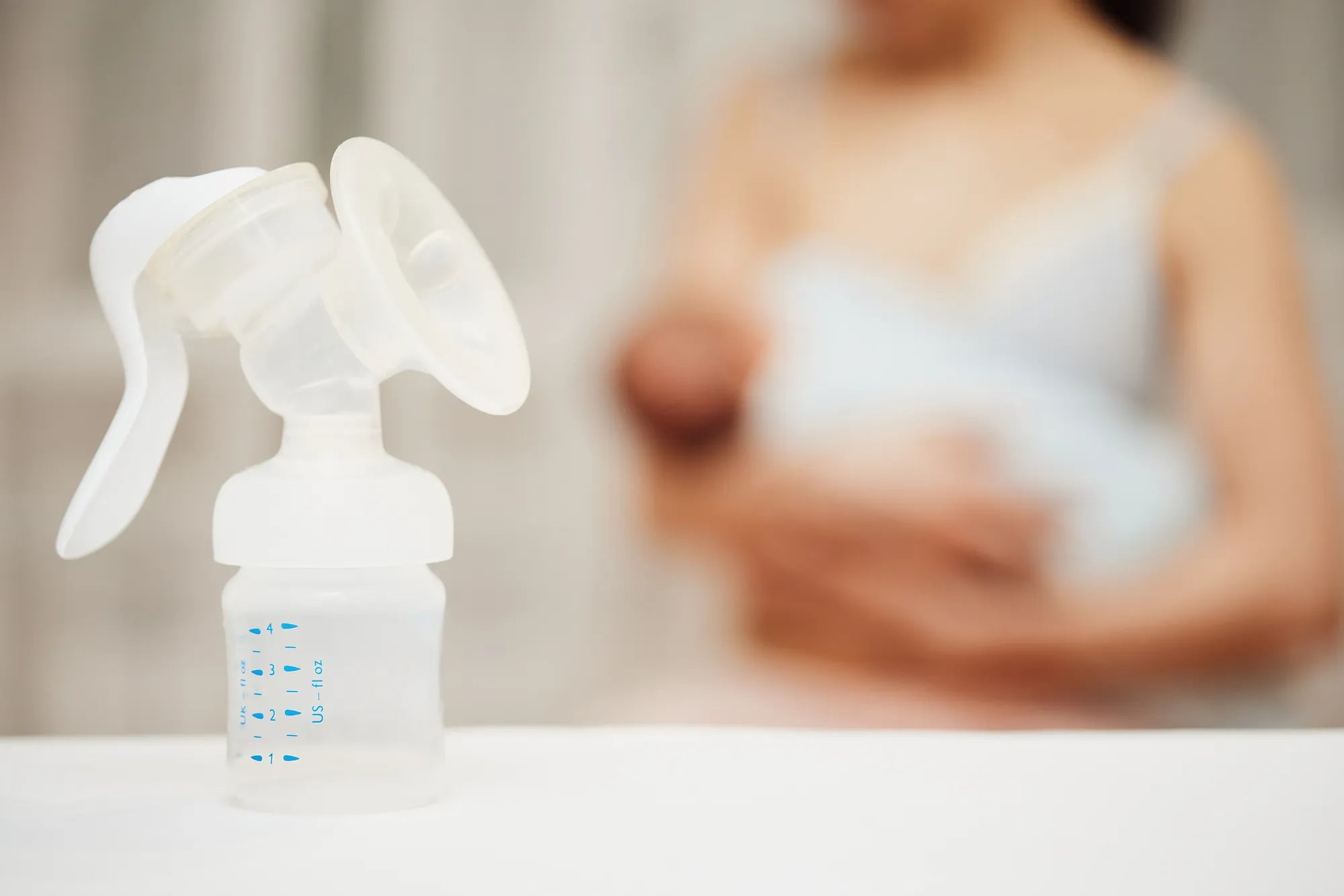
For breastfeeding mothers, expressed breast milk is often referred to as "liquid gold" for its irreplaceable nutritional and immunological value. A pressing, daily question is: How long can you keep breast milk out after pumping? The safety of your stored milk is paramount, as improper handling can lead to bacterial growth and potential illness for your infant. This guide delivers the essential guidelines, rooted in the latest recommendations from health authorities like the CDC and the Academy of Breastfeeding Medicine. You will learn the foundational "Rule of Two" (a helpful mnemonic), the nuanced factors that alter storage times, and best practices for handling. As a trusted maternal and baby care brand, MomMed is here to support your journey with reliable products designed with safety and convenience in mind, from our BPA-free wearable breast pumps to our feeding accessories.
Understanding the Basics: The "Rule of Two" and Core Storage Guidelines
The cornerstone of breast milk storage is a set of clear, time-based rules. These guidelines are designed to maximize safety and preserve the milk's beneficial properties. They serve as your first reference point before considering other variables.
The commonly cited "Rule of Two" is an easy-to-remember starting point: up to 2 hours at room temperature, up to 2 days in the refrigerator, and up to 2 months in the freezer. However, more precise, evidence-based guidelines offer a slightly broader safe window under optimal conditions.
For freshly expressed breast milk, the consensus among experts is clear. At room temperature (up to 77°F or 25°C), milk can be kept for up to 4 hours. In the refrigerator (at 40°F or 4°C or colder), it is safe for up to 4 days, though using it within 3 days is often recommended for optimal quality. In a freezer compartment with a separate door (0°F or -18°C), milk can be stored for 6-12 months.
These timelines are maximums for optimal safety. Adhering to them minimizes the risk of bacterial contamination and ensures your baby receives milk with its full complement of live cells, antibodies, and vitamins intact. Using clean, dedicated storage containers is non-negotiable in this process.
Factors That Influence Breast Milk Storage Times
Storage guidelines are not one-size-fits-all. Several key factors can shorten or, in some cases, slightly extend the safe window for using expressed milk. Understanding these variables empowers you to make informed decisions.
Ambient Temperature: This is the most critical variable for milk left out. The 4-hour rule applies to a cool room (≤77°F/25°C). In a warmer environment, the safe duration drops significantly. If the room is above 90°F (32°C), milk should be used or refrigerated within 1 hour.
Cleanliness and Hygiene: The initial bacterial load in the milk affects its shelf life. This is influenced by how clean your hands, pump parts, and collection bottles are. Using a pump with hygienic, easy-to-clean parts, like MomMed's BPA-free, food-grade silicone components, helps ensure milk starts with minimal contamination.
Milk's Starting State: Previously frozen and thawed milk has a much shorter lifespan. Once fully thawed in the refrigerator, it should be used within 24 hours and never refrozen. Milk that has been warmed for a feeding must be used within 2 hours or discarded.
Storage Container: Milk stored in sealed, hard-sided plastic or glass bottles or in pre-sterilized breast milk bags offers better protection than open cups. Ensuring containers are airtight prevents external contaminants from entering.
A Detailed Storage Timeline: From Pump to Feed
Freshly Expressed Milk at Room Temperature
This scenario is common during nighttime feeds or when you're pumping away from home. The clock starts ticking the moment milk is expressed. Keep the container covered and away from direct sunlight or heat sources.
If your home is particularly warm, err on the side of caution. A good practice is to refrigerate milk as soon as possible if you know it won't be fed within the next hour or two. Signs of spoilage include a distinctly sour or rancid smell, not the mild soapy scent which can indicate high lipase activity (a harmless natural enzyme).
When in doubt, the safest principle is to discard the milk. The nutritional loss is far preferable to the risk of feeding your baby spoiled milk, which can cause gastrointestinal distress.
Refrigerated Breast Milk: Organization is Key
Your refrigerator is the workhorse for short-term milk storage. For best results, place milk containers in the back of the main body of the fridge, not in the door, where temperatures fluctuate more with opening and closing.
Always label bottles or bags with the date and time of expression. Use the oldest milk first (the "first in, first out" or FIFO method). You may notice that refrigerated milk separates into a milkier layer and a creamier top layer; this is normal. Gently swirl the container to mix it before feeding.
While the guideline is up to 4 days, many lactation consultants recommend aiming to use refrigerated milk within 72 hours (3 days) for the best preservation of its immunological properties. Planning your pumping and feeding schedule can help manage this inventory effectively.
Frozen Breast Milk: Maximizing Longevity
Freezing is ideal for building a stash. The type of freezer you have dictates the safe storage period. A freezer compartment inside a refrigerator (typically a single door) should only be used for up to 2 weeks due to frequent temperature swings.
A freezer with a separate door maintains a more consistent cold and is suitable for up to 6 months. A deep freezer (stand-alone, consistently at 0°F/-18°C) is best for long-term storage, safely preserving milk for 6-12 months. When freezing, leave about an inch of space at the top of bags, as liquid expands when frozen.
Thawed milk may have a different smell or appearance due to fat separation, but it is safe if thawed correctly and used within the proper timeframe. Never refreeze thawed breast milk.
Handling and Using Stored Milk: Thawing and Warming Safely
How you prepare stored milk for feeding is as important as how you store it. The goal is to preserve nutrients and avoid creating hot spots that could scald your baby's mouth.
The safest thawing method is to place the frozen milk container in the refrigerator overnight. For quicker thawing, hold the sealed bag or bottle under lukewarm running water or place it in a bowl of warm water. Never use boiling water directly on the storage container.
To warm milk for a feed, place the sealed container in a bowl of warm water or use a dedicated bottle warmer. Never microwave breast milk. Microwaves heat unevenly, creating dangerous hot spots and can destroy valuable proteins and immune factors in the milk.
Once a bottle has been warmed and offered to your baby, any leftover milk should be used within 2 hours of the start of that feeding. After that, it should be discarded due to the introduction of bacteria from the baby's mouth.
Comparison of Breast Milk Storage Locations and Times
| Storage Location | Temperature | Maximum Safe Storage Time (Fresh Milk) | Key Considerations |
|---|---|---|---|
| Room Temperature | Up to 77°F (25°C) | Up to 4 hours | Reduce to 1 hour if room is >90°F (32°C). Keep covered. |
| Refrigerator (Back) | 40°F (4°C) or colder | Up to 4 days (3 days optimal) | Store in main body, not door. Label clearly. |
| Freezer (Inside Fridge) | Varies | 2 weeks | Not ideal for long-term storage due to temp fluctuations. |
| Freezer (Separate Door) | 0°F (-18°C) | 6 months | Good for medium-term stash. Use airtight bags/bottles. |
| Deep Freezer | 0°F (-18°C) or colder | 6-12 months | Best for long-term storage. Maintains most nutrients. |
| Thawed in Fridge | 40°F (4°C) | 24 hours | Do not refreeze. Use immediately after warming. |
MomMed Solutions for Confident Milk Storage and Feeding
Navigating breast milk storage is easier with tools designed for safety and convenience. MomMed products are engineered to support every step of this process, from expression to feeding. Our commitment to using BPA-free, food-grade materials ensures your milk remains pure from pump to bottle.
The MomMed S21 Double Wearable Breast Pump exemplifies this integration. Its closed-system design and direct-to-bottle expression minimize milk transfer and exposure to air, supporting hygiene from the very start. The ultra-quiet, cordless operation allows you to pump comfortably anywhere, making it easier to adhere to your schedule without compromising on safe collection practices.
Easy-to-clean pump parts and compatible, sealable storage bottles help maintain the low bacterial load that is crucial for extending safe storage times. By providing reliable, innovative products, MomMed aims to reduce the stress of pumping and storage, allowing you to focus on nourishing your baby with confidence.
Our range includes everything from high-accuracy pregnancy test kits to comfortable nursing bras and baby care essentials, creating a supportive ecosystem for mothers from conception through infancy.
Frequently Asked Questions on Breast Milk Storage
Q1: Can I combine milk from different pumping sessions into one container?
Yes, but it is safest to cool the newly expressed milk in the refrigerator first before adding it to an already cooled or frozen container of milk from the same day. This prevents warming the older milk, which could encourage bacterial growth.
Q2: My thawed milk smells soapy or metallic. Is it spoiled?
Not necessarily. This is often due to high levels of an enzyme called lipase, which breaks down fats. The milk is still safe for consumption, though some babies may refuse it. Scalding freshly expressed milk (heating to a simmer, then rapid cooling) before freezing can deactivate the enzyme if this becomes an issue.
Q3: How should I transport expressed milk?
Use an insulated cooler bag with ice packs. Milk transported this way should be treated as refrigerated milk upon arrival. If it is still cold to the touch, it can go into the fridge. If partially thawed, use it within 24 hours.
Q4: Can I save leftover milk from a bottle my baby didn't finish?
It is generally recommended to discard any leftover milk within 2 hours of the baby starting the feed. Bacteria from the baby's mouth can multiply in the milk. To avoid waste, start with smaller volumes and offer more if needed.
Q5: Does the storage time change for colostrum or milk for a preterm baby?
Yes. For hospitalized, preterm, or immunocompromised infants, stricter guidelines often apply (e.g., 1 hour at room temp, 24-48 hours in fridge, consult NICU staff). Colostrum, due to its high antibody content, may have different handling recommendations—check with your healthcare provider.
Empowering Your Feeding Journey with Knowledge and the Right Tools
Mastering the guidelines for how long you can keep breast milk out after pumping is a fundamental skill for any pumping parent. It balances the incredible convenience of having a milk supply ready for your baby with the non-negotiable priority of their health and safety. Remember the core timelines, respect the influencing factors like temperature and hygiene, and always err on the side of caution when unsure.
Your feeding journey is unique, and having reliable, thoughtfully designed tools can make all the difference. From ensuring a proper flange fit with your pump to prevent nipple pain and maintain supply, to storing milk in safe containers, every detail contributes to a successful experience. Trusted by thousands of moms, MomMed is dedicated to providing that support through our award-winning, innovative products.
Arm yourself with this knowledge and equip yourself with gear that aligns with these essential safety principles. You can nourish your baby with confidence, knowing you are providing the very best, safely and comfortably. Shop the MomMed collection at mommed.com for all your breastfeeding and pregnancy needs, from our quiet wearable pumps to essential baby care items, and take the next step in your empowered parenting journey.