


Accueil
Pregnancy, Breastfeeding, and Pumping: The Ultimate Guide for Moms
How Long Can I Leave Just Pumped Breast Milk Out: Essential Guidelines for Safe Feeding
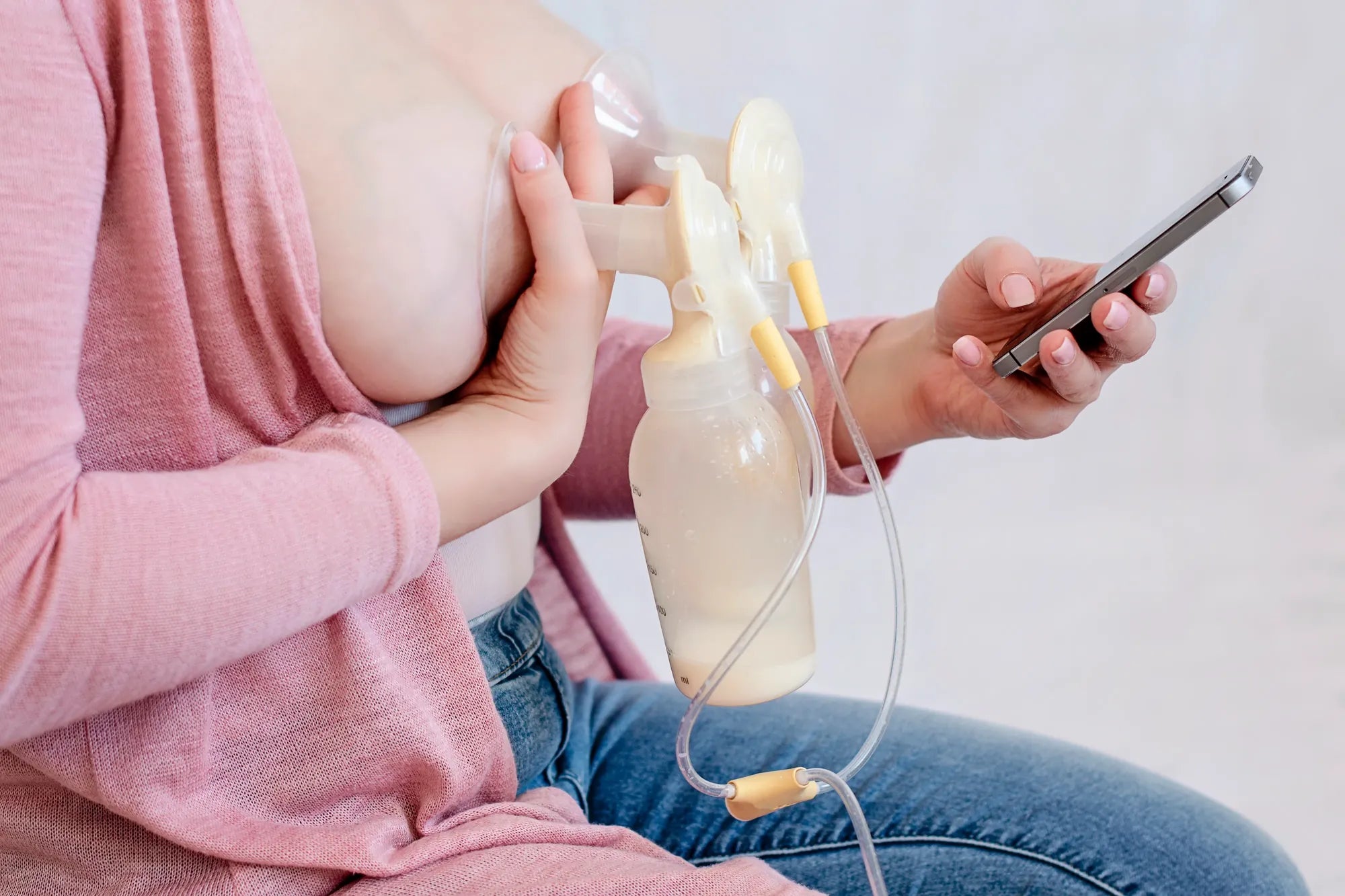
How Long Can I Leave Just Pumped Breast Milk Out: Essential Guidelines for Safe Feeding
You've just finished a pumping session, and life interrupts. The phone rings, your toddler needs you, or you're simply exhausted. The urgent question surfaces immediately: How long can I leave just pumped breast milk out? Knowing the precise answer is crucial for protecting your baby's health and preserving the liquid gold you've worked hard to express. This guide delivers clear, authoritative storage timelines from leading health organizations, tailored for the modern pumping mom using innovative equipment like MomMed's wearable breast pumps.
Proper breast milk storage is not just about following rules; it's about safeguarding the unique antibodies, living cells, and perfect nutrition designed for your infant. Bacterial growth in improperly stored milk can lead to serious illness. We'll break down the science-backed guidelines from the Centers for Disease Control and Prevention (CDC) and the American Academy of Pediatrics (AAP), explore the variables that matter, and integrate practical tips for moms using hands-free pumping technology to seamlessly fit safe milk handling into a busy day.
The Golden Standard: Safe Room Temperature Storage for Freshly Expressed Milk
The primary rule for how long can I leave just pumped breast milk out is defined by room temperature. Freshly expressed or pumped milk can be kept safely at room temperature (up to 77°F or 25°C) for up to 4 hours. This window is the gold standard for most homes and is the ideal timeframe to either feed your baby or transfer the milk to cold storage.
This four-hour rule exists because freshly expressed breast milk has inherent antibacterial properties that help inhibit bacterial growth for a limited time. However, this clock starts ticking the moment the milk leaves your breast. It is critical to note that "room temperature" is a specific range. In a warmer environment, this safety window shrinks dramatically.
If the ambient temperature is above 77°F (25°C), the safe storage time decreases. In a very warm room (closer to 90°F or 32°C), breast milk should not be left out for more than 1 hour. Always err on the side of caution if your home is particularly warm or if the milk has been sitting in direct sunlight.
The key takeaway is to plan ahead. If you know you won't be able to refrigerate the milk within four hours (or one hour in heat), place it in a cooler with ice packs immediately after pumping. This practice is especially useful for moms on the go, allowing the flexibility that wearable pumps provide without compromising safety.
The Complete Cold Chain: Refrigeration and Freezing Timelines
To extend the shelf life of your expressed milk beyond the room-temperature window, you must utilize cold storage. Understanding the hierarchy of refrigeration and freezing is essential for building a milk stash and managing daily feeds.
For refrigeration, store breast milk in the back of the main body of the refrigerator, where the temperature is coldest and most stable (at 40°F or 4°C or below). Here, freshly pumped milk can be safely stored for up to 4 days. Some research suggests milk may be safe for up to 5-8 days under ideal, consistent refrigeration, but the 4-day guideline is the consensus recommendation for optimal safety and quality.
For long-term storage, freezing is your best option. The timeline varies based on the type of freezer:
- Standard Freezer Compartment (0°F / -18°C): Store breast milk for up to 6 months. This is typical for a freezer that is part of a refrigerator unit.
- Deep Freezer or Stand-Alone Freezer (consistently at 0°F / -18°C or colder): You can safely store breast milk for up to 12 months.
Organization is key. Always label your milk storage bags or containers with the date and volume expressed. Practice the "first in, first out" rule, using the oldest milk first. When freezing, leave about an inch of space at the top of bags as milk expands when frozen.
Critical Factors That Influence Milk Safety and Longevity
While the time and temperature guidelines are foundational, several other variables can influence the safety and quality of your stored breast milk. It's not just a simple countdown clock.
Initial Cleanliness and Bacterial Load: The hygiene of your pumping process sets the stage. Milk expressed with thoroughly washed hands and clean pump parts that have been sanitized according to manufacturer guidelines will have a lower initial bacterial load, giving it a better safety margin. Closed-system pumps, like the MomMed S21 Wearable Pump, are designed to prevent milk from backing into the tubing, reducing contamination risk.
Handling and Container Integrity: Every time you open a storage container, you expose the milk to airborne bacteria. Minimize handling. Pump directly into the bottles or bags you will store it in whenever possible. Ensure containers are made of food-grade, BPA-free materials specifically designed for breast milk storage.
Temperature Consistency: Fluctuations matter. Milk repeatedly moved from fridge to counter and back (a practice called "temperature cycling") can degrade quality and promote bacterial growth. Similarly, a refrigerator or freezer that is frequently opened or isn't maintaining a steady cold temperature will shorten safe storage times.
Milk Composition: Some evidence suggests that milk expressed for a preterm or sick infant may have different storage recommendations due to their vulnerable immune systems. In these cases, always follow the specific guidance provided by your baby's healthcare team or the hospital NICU.
MomMed in Action: Integrating Safety with Wearable Pump Convenience
Modern wearable breast pumps offer unparalleled freedom, but safety protocols must adapt to this mobile lifestyle. Using a pump like the MomMed S21 Double Wearable Pump allows you to maintain these guidelines without being tethered to an outlet.
The closed-system design of MomMed pumps is a critical safety feature. It creates a barrier between the milk collection pathway and the motor and tubing, ensuring no moisture or milk particles can travel back and harbor mold or bacteria. This design supports a cleaner expression process from the start.
Here is a step-by-step best practice for safe milk handling with a wearable pump:
- Start Clean: Assemble your clean, sanitized pump parts with washed hands.
- Pump Directly into Storage Vessels: Use the MomMed collection bottles or compatible storage bags. If you plan to refrigerate immediately, you can use the bottles that come with the pump. For on-the-go pumping, ensure bottles are sealed with their caps.
- Cap Immediately: As soon as your pumping session is complete, securely cap the bottle or seal the storage bag before attending to anything else.
- Act Within the Window: If you are out, place the sealed bottles in an insulated cooler bag with ice packs. Once home, transfer them to the refrigerator or freezer within the 4-hour room-temperature guideline.
- Clean Promptly: After transferring the milk, clean your pump parts as soon as possible to prepare for the next use.
This workflow leverages the convenience of hands-free pumping while rigorously adhering to food safety principles, ensuring your baby gets safe, high-quality milk every time.
Thawing and Warming: Completing the Safety Cycle
Safely storing milk is only half the journey; proper thawing and warming are equally important to preserve nutrients and prevent bacterial growth. Mishandling at this stage can undo all your careful storage work.
The safest method to thaw frozen breast milk is to place it in the refrigerator overnight. This slow thaw keeps the milk at a safe temperature throughout the process. If you need it more quickly, hold the sealed storage bag or bottle under lukewarm running water or place it in a bowl of warm water. Never use hot water, as it can destroy valuable components of the milk.
A critical warning: Never microwave breast milk. Microwaves heat unevenly, creating dangerous "hot spots" that can scald your baby's mouth. They also can break down the protective proteins and significantly reduce the milk's anti-infective properties.
Once thawed, follow the "Rule of Twos" for previously frozen milk:
- It can be kept at room temperature for 1-2 hours.
- It can be stored in the refrigerator for up to 24 hours.
- Never refreeze thawed breast milk. Discard any milk leftover from a feeding.
Gently swirl the warmed milk to mix the fat layers that separate during storage. Avoid vigorous shaking, as some studies suggest it may damage certain cellular components.
Storage Guidelines Comparison Table
This table summarizes the key timelines for storing freshly expressed breast milk under different conditions, based on CDC and AAP recommendations.
| Storage Location | Temperature | Safe Duration for Fresh Milk | Key Considerations |
|---|---|---|---|
| Room Temperature | Up to 77°F (25°C) | Up to 4 Hours | Ideal window; clock starts at expression. |
| Warm Room | Above 77°F (25°C) | 1 Hour or Less | Use a cooler with ice packs if unable to refrigerate quickly. |
| Refrigerator | 40°F (4°C) or below | Up to 4 Days | Store in back, not in door. Use clean, sealed containers. |
| Standard Freezer (with fridge) | 0°F (-18°C) | Up to 6 Months | Best for quality within 6 months. Label with date. |
| Deep Freezer (stand-alone) | 0°F (-18°C) or colder | Up to 12 Months | For long-term stashing. Ensure consistent temperature. |
| Thawed, in Refrigerator | 40°F (4°C) or below | Up to 24 Hours | Start count once fully thawed (liquid). Do not refreeze. |
Frequently Asked Questions from Pumping Moms
New and experienced pumping mothers often have specific, nuanced questions. Here are evidence-based answers to some of the most common concerns.
Can I combine milk from different pumping sessions?
Yes, you can combine milk from sessions performed on the same day, but it must be done carefully. Cool the newly expressed milk in the refrigerator first for about an hour. Once both batches are chilled to the same temperature (cold), you can pour them together into one container. Never add warm, freshly pumped milk directly to an already frozen batch, as it can partially thaw and promote bacterial growth in the frozen milk.
What if my baby doesn't finish a bottle?
If your baby leaves some milk in the bottle after a feeding, the clock is ticking faster. Due to the introduction of bacteria from your baby's mouth into the milk, any leftover milk should be used within 2 hours of the start of that feeding. After that, it should be discarded. To minimize waste, consider storing milk in smaller quantities (e.g., 2-3 oz portions) and preparing a second bottle if needed.
How can I tell if breast milk has gone bad?
Your senses are good tools. Spoiled breast milk typically has a distinctly sour or rancid odor, similar to spoiled cow's milk. Visually, it may appear to have separated into layers that don't re-mix with gentle swirling. Importantly, do not confuse spoilage with high lipase activity. Some mothers' milk contains high levels of the enzyme lipase, which can cause thawed milk to smell or taste soapy or metallic, but it is still safe for consumption. If you're unsure, when in doubt, throw it out.
Does the type of storage bag or bottle matter?
Absolutely. You should only use containers specifically designed for breast milk storage. These are made from food-grade, BPA-free materials that are durable for freezing and won't leach chemicals into the milk. Glass or hard plastic bottles with tight-sealing lids are excellent for refrigeration. For freezing, purpose-made breast milk storage bags that are pre-sterilized are best as they are designed to lay flat for efficient storage and thawing. MomMed offers compatible, safe storage solutions designed to work seamlessly with their pumps.
Is milk that's been in a cooler with ice packs considered refrigerated?
Milk stored in an insulated cooler with frozen ice packs is considered refrigerated and can be kept for up to 24 hours. After 24 hours, it should be used immediately, transferred to a refrigerator, or discarded. The key is that the milk must stay cold—check that the ice packs are still frozen and the milk feels cold to the touch. This method is a lifesaver for working moms or long day trips.
Empowered Pumping: Confidence in Every Drop
Mastering the guidelines for how long can I leave just pumped breast milk out transforms pumping from a task filled with anxiety to one managed with confidence. The core mantra—4 hours at room temp, 4 days in the fridge, 6 months in the freezer—provides a simple framework. By understanding the factors that influence these timelines and integrating safe practices with the convenience of modern pumps, you protect the integrity of your milk and your baby's health.
Your dedication to providing breast milk is a profound gift. Equipping yourself with the right knowledge and the right tools, like reliable, hygienic pumps from trusted brands, honors that effort. Safe storage ensures that every ounce of nourishment you express delivers its full benefit, supporting your baby's growth and immunity with the perfect food you've made.
Ready to build a safe and flexible pumping routine? Explore the MomMed collection for breast pumps designed with your convenience and your baby's safety in mind. From the discreet S21 Double Wearable Pump for ultimate mobility to our easy-to-clean Swing Electric Pump, find the perfect partner for your breastfeeding journey. Shop the MomMed collection at mommed.com for all your breastfeeding and pregnancy needs, backed by innovation and a commitment to supporting moms at every stage.