


Accueil
Pregnancy, Breastfeeding, and Pumping: The Ultimate Guide for Moms
How Long Can I Leave Breast Milk Out After Pumping: A Complete Guide for Moms
How Long Can I Leave Breast Milk Out After Pumping: A Complete Guide for Moms
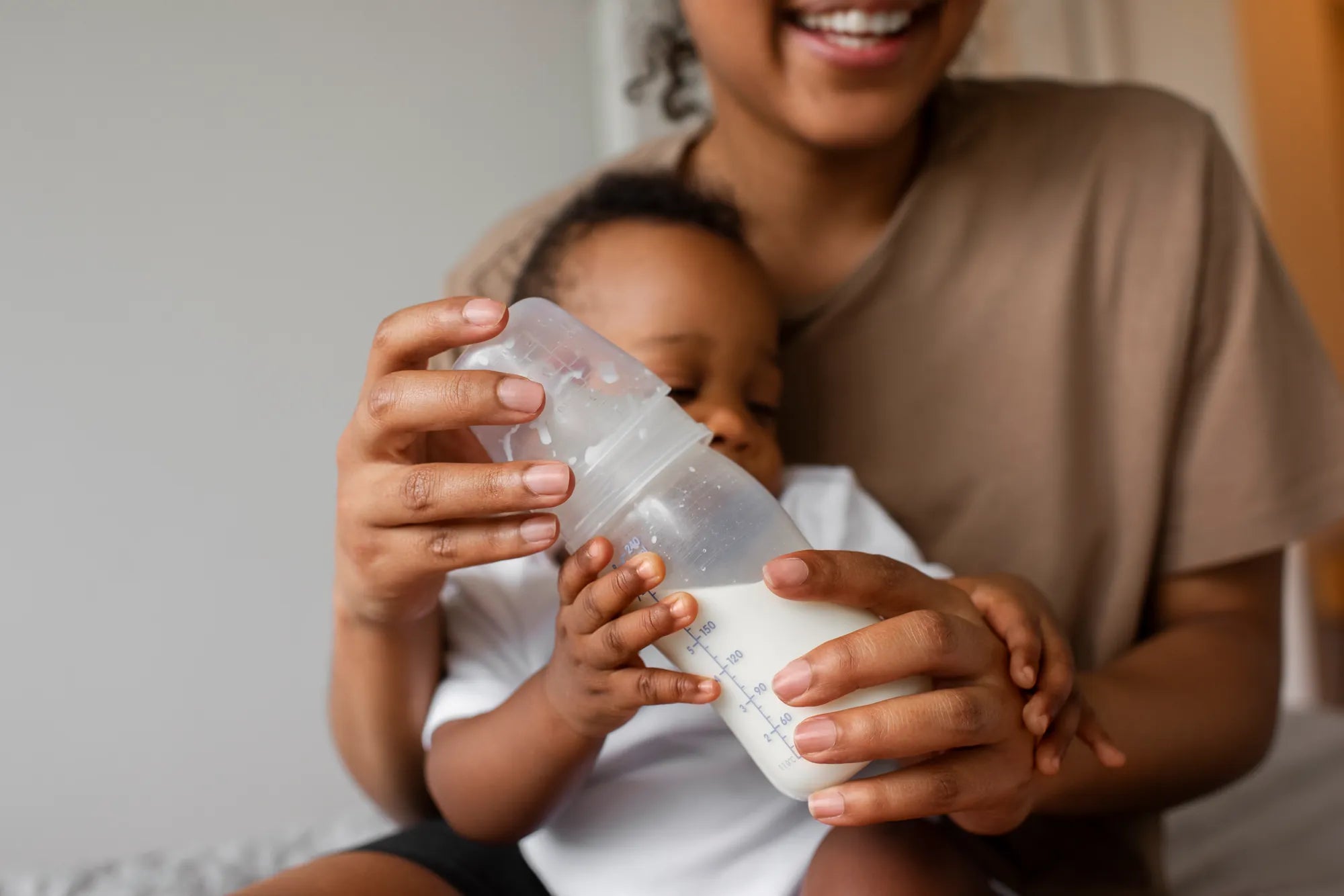
You've just finished a pumping session, and the phone rings, the baby cries, or work demands your attention. In that moment, a crucial question arises: how long can I leave breast milk out after pumping? Knowing the precise answer is not just about convenience; it's a critical component of infant health and food safety. Every drop of expressed milk represents significant time, effort, and dedication. Proper storage protects your baby from harmful bacteria and preserves the unique, living nutrients that make breast milk so valuable. This guide will provide you with clear, evidence-based timelines and the science behind them, transforming storage from a source of anxiety into a manageable routine. As a trusted maternal and baby care brand, MomMed specializes in supporting this journey with innovative products like our wearable breast pumps and reliable, factual guidance to empower you with confidence.
Understanding Breast Milk: A Perishable Superfood
Breast milk is far more than simple nutrition; it's a dynamic, bioactive fluid. It contains live white blood cells, antibodies, enzymes, and probiotics that actively protect your baby. These precious components are also what make it perishable. Unlike formula, breast milk is not sterile. It naturally contains bacteria from your skin and your baby's mouth, which, under the right conditions, can multiply.
The goal of safe storage is to slow this bacterial growth to a crawl. Temperature is the primary lever we control. When milk is kept at room temperature, bacteria enter a rapid growth phase. Refrigeration dramatically slows this process, and freezing halts it almost entirely, though it can damage some of the live cellular components over time.
Understanding this helps explain why storage rules exist. They are designed to keep bacterial counts low enough that they do not pose a risk to your infant's immature immune system. Following these guidelines ensures your baby receives all the benefits of your milk without unnecessary risk.
This knowledge empowers you to make informed decisions, especially in edge-case scenarios. It also highlights the importance of starting with the cleanest milk possible, which begins with proper pump hygiene and handling.
The Golden Rules: Official Storage Timelines
Major health authorities, including the CDC, AAP, and La Leche League International, align closely on core storage recommendations. These are often summarized by the "Rule of 4s": 4 hours at room temp, 4 days in the fridge, and up to 6-12 months in the freezer. However, the specifics depend on precise conditions and your baby's health.
These timelines are designed for healthy, full-term infants. For preterm, hospitalized, or immunocompromised babies, stricter guidelines (often 1 hour at room temp, 24-48 hours in the fridge) typically apply. Always consult your pediatrician or a lactation consultant for personalized advice in these situations.
The following table provides a clear, at-a-glance summary of the standard evidence-based guidelines for healthy infants.
| Storage Location | Temperature | Safe Duration | Key Considerations |
|---|---|---|---|
| Counter / Room Temperature | Up to 77°F (25°C) | Up to 4 hours | Ideal: 2-3 hours. Less in warmer rooms. |
| Insulated Cooler Bag | With ice packs | Up to 24 hours | Ensure ice packs remain frozen, milk stays cold. |
| Refrigerator | 39°F (4°C) or colder | Up to 4 days | Store at the back, not in the door. |
| Freezer (compartment inside fridge) | Varies | 2 weeks | Temperature fluctuates with door openings. |
| Stand-Alone Freezer | 0°F (-18°C) or colder | 6-12 months | Deep freezers maintain more consistent cold. |
At Room Temperature (Freshly Expressed)
The 4-hour rule for room temperature assumes a relatively cool room, at or below 77°F (25°C). In a very warm or humid environment, this window shortens significantly. A more conservative and widely recommended practice is to aim for use within 2-3 hours.
If the room is particularly hot—over 90°F (32°C)—milk should be used or refrigerated within 1 hour. Always assess the ambient temperature. Milk left out should be covered and kept away from direct sunlight or heat sources like stoves or heating vents.
This timeframe starts from the moment the milk is expressed. If you are pumping over a longer session, the clock starts for the first milk expressed as soon as it leaves your body. This is a key reason why efficient pumping is beneficial.
Using a pump like the MomMed S21 Wearable Breast Pump, which offers efficient, hospital-grade suction in a closed system, can help you express milk more quickly and with less exposure to potential contaminants from the start.
In the Refrigerator
Your refrigerator should be set at 39°F (4°C) or colder. Store milk in the main body of the fridge, preferably on a middle or lower shelf towards the back. The door shelves experience the most temperature fluctuations every time the fridge is opened, making them a less ideal location for longer storage.
Use clean, food-grade containers—glass or BPA-free plastic hard-sided bottles or specially designed breast milk storage bags. Ensure containers are sealed tightly. You can safely combine milk from different pumping sessions within the same day, but cool the new milk in the refrigerator for about an hour before adding it to already chilled milk.
Label each container with the date and volume. Practice "first in, first out" (FIFO) rotation, using the oldest milk first. Visually inspect refrigerated milk before feeding; it will naturally separate into a milkier layer and a creamier top layer. Gently swirl (don't vigorously shake) to mix.
In the Freezer
For long-term storage, a deep freezer that maintains a constant 0°F (-18°C) is best, allowing storage for up to 12 months. The freezer compartment inside a refrigerator is subject to frequent temperature changes and is best for storage up to 2 weeks. A separate stand-alone freezer unit is good for about 6 months.
Leave about an inch of space at the top of storage bags or containers to allow for expansion as milk freezes. Lay bags flat to freeze; this creates thin, bricks of milk that thaw more quickly and stack efficiently. Always use freezer-specific storage bags or containers to prevent cracking and freezer burn.
While freezing preserves the macronutrients (fat, protein, carbs), it can gradually degrade some of the live components like certain immune cells and vitamins. For this reason, freshly expressed milk is considered the gold standard, followed by refrigerated, then frozen.
Critical Factors That Impact Milk Freshness and Safety
Time and temperature are the primary metrics, but other factors play a significant role in how long your expressed milk remains at its best. Understanding these variables helps you manage real-world scenarios beyond the basic chart.
Hygiene: The Foundation of Safe Milk
Everything begins with cleanliness. Always wash your hands thoroughly with soap and water before handling pump parts or expressing milk. Ensure all pump parts that touch your breast or the milk—flanges, valves, membranes, bottles—are cleaned and sanitized according to the manufacturer's instructions.
MomMed pumps, like the S21, feature a closed-system design that prevents milk from backing into the tubing and motor, a key feature for hygiene. Their components are made from BPA-free, food-grade silicone, which is safe for baby and easy to clean. Starting with a minimal bacterial load gives your milk the longest possible safe life.
Temperature Fluctuations and the "Danger Zone"
Bacteria multiply most rapidly between 40°F and 140°F (4°C and 60°C), known as the "Danger Zone." The key to safety is minimizing the time milk spends in this range. This includes the cooling-down period after pumping and the warming-up period before a feed.
To cool milk quickly, you can place the sealed container in a bowl of ice water for a few minutes before transferring it to the refrigerator. Never place a large volume of warm milk directly into the fridge, as it can raise the temperature of surrounding foods.
For thawing, the safest method is to move a frozen container to the refrigerator 12-24 hours before needed. For quicker thawing, hold the sealed container under cool, then warm, running water, or place it in a bowl of warm water. Never thaw or warm breast milk in a microwave, as it creates dangerous hot spots and destroys valuable nutrients.
The Two-Hour Rule for Started Bottles
This is a non-negotiable rule with a different timer. Once your baby's mouth has touched the bottle nipple and they have begun feeding, the milk is considered contaminated with oral bacteria. This bottle must be used within 1 to 2 hours of the start of the feed.
Any milk left in that bottle after that window should be discarded. Do not refrigerate a partially consumed bottle for later. To avoid waste, store milk in smaller quantities (2-3 oz) and prepare additional bottles if your baby is still hungry. This rule applies regardless of whether the milk was freshly expressed, refrigerated, or thawed.
Advanced Storage Strategies and Troubleshooting
Even with the best planning, questions and challenges arise. Here’s how to handle common advanced storage scenarios and understand the signs that milk may no longer be safe.
Combining and Mixing Milk from Different Sessions
Yes, you can combine milk pumped at different times in the same day. The crucial step is to cool the newly expressed milk in the refrigerator first. Once both portions are chilled to the same temperature (after about an hour), you can combine them in one container.
Do not add warm, freshly pumped milk directly to a container of already cold or frozen milk, as it can partially thaw and encourage bacterial growth in the frozen portion. Label the combined container with the date of the oldest milk in the batch.
Identifying Spoiled Milk: Smell and Sight
Properly stored breast milk will often separate. A creamy layer rising to the top is normal and indicates healthy fat content. Gently swirl to mix. A slight "soapy" or "metallic" smell is often due to high levels of an enzyme called lipase breaking down fats. This milk is usually safe for babies, though some may refuse it. Scalding fresh milk before storage can deactivate lipase.
True spoilage is indicated by a distinctly sour or rancid odor, similar to cow's milk that has gone bad. If the milk smells foul, discard it. Visually, if there are chunks or curds that do not mix in when swirled (different from normal fat separation), it may be spoiled. When in doubt, follow the cardinal rule: when in doubt, throw it out. Your baby's safety is paramount.
Transporting Expressed Milk Safely
For commuting or travel, a high-quality insulated cooler bag with frozen ice packs is essential. The goal is to keep the milk at refrigerator temperature (39°F/4°C or below). Pre-chill the cooler bag. Place milk containers directly against the ice packs. Upon arrival, immediately transfer the milk to a proper refrigerator or freezer.
This is where the convenience of a wearable pump like the MomMed S12 or S21 shines. You can pump directly into sealed, pre-chilled collection bottles while on the go, minimizing handling and exposure, and then place the bottles directly into your cooler bag.
MomMed’s Pro-Tips for Pumping and Storage Efficiency
Integrating safe storage into your routine is easier with smart habits and the right tools. These tips are designed to save you time, reduce stress, and protect your milk.
Creating a Foolproof Labeling System
Use waterproof labels or direct markers. Always note: 1) Date expressed (use month/day/year), and 2) Volume. If your baby is on any medications or you have high-lipase milk, you may want to add a note. Organize your freezer with the oldest bags or containers in front. Consider using a bin or basket dedicated to breast milk.
Optimizing Your Pumping Setup for Freshness
Efficiency matters. A pump that effectively stimulates let-down and empties your breasts comfortably, like the MomMed S21 with its adjustable suction and rhythmic cycles, helps you express milk faster. This reduces the time the first-drawn milk is at room temperature during a session.
Ensure you have the correct flange fit—a flange that is too large or too small can reduce output and efficiency. MomMed offers multiple flange size options to ensure a comfortable, effective seal. A closed-system pump design is also critical, as it prevents contamination and mold growth in the tubing.
Planning for Daycare and Caregivers
Provide clear, written instructions to anyone feeding your baby. Include storage rules, thawing/warming instructions (no microwaves!), and the 1-2 hour rule for started bottles. Send milk labeled with the date to be used. Consider sending an extra bottle or two of frozen milk as a backup. Clear communication ensures your hard work is honored and your baby is kept safe.
Frequently Asked Questions (FAQs)
Q1: Can I re-refrigerate or re-freeze breast milk after it's been thawed or warmed?
A1: The guidelines are strict for safety. You can refrigerate thawed milk that has been warmed for a feed but not consumed for up to 2 hours. However, you should use it within 24 hours. Do not re-freeze thawed milk. Once ice crystals have fully melted, bacterial management becomes harder, and refreezing is not considered safe.
Q2: Why does my refrigerated milk smell or taste soapy? Is it bad?
A2: This is likely due to high lipase activity, an enzyme that breaks down fats. It is not harmful, but some babies may refuse it. Taste it yourself—if it's soapy or metallic but not sour/rancid, it's likely safe. To prevent this with future milk, you can scald freshly expressed milk (heat to 180°F/82°C until small bubbles form at the edge, then quickly cool) before storing.
Q3: How long is breast milk good for in a bottle warmer or insulated thermos?
A3: Once warmed to feeding temperature, it should be fed within 2 hours. Do not store warmed milk in a thermos or bottle warmer for extended periods, as it will remain in the "danger zone." An insulated thermos is best used to keep cold milk cold during transport, not to keep warm milk warm.
Q4: What if I accidentally left milk out for 5 or 6 hours?
A4: The 4-hour rule includes a safety buffer. While milk at 5 hours might still be okay if the room was very cool, the risk increases with every minute. For a healthy, full-term infant, many sources extend caution to 6 hours in a cool room. However, the safest practice is to adhere to the 4-hour guideline. If in doubt, discard it. The emotional cost of wasting milk is high, but it outweighs the risk of infant illness.
Q5: Does the type of storage container affect shelf life?
A5: Yes. Use containers designed for breast milk storage. Hard-sided glass or BPA-free plastic bottles are excellent for refrigeration. For freezing, use containers or bags specifically rated for freezer storage to prevent cracking and protect against freezer burn. Ensure any bag is sturdy, seals completely, and is pre-sterilized. Never use ordinary plastic bags or bottle liners not designed for storage.
Empowering Your Feeding Journey with Knowledge and Confidence
Mastering the guidelines for how long you can leave breast milk out after pumping is a profound act of care. It transforms the precious product of your labor into safe, nourishing meals for your baby, providing peace of mind amidst the busyness of motherhood. This knowledge allows you to navigate pumping at work, outings, and late-night sessions with assurance.
Remember that these rules are your framework, but your intuition and your baby's needs are also vital guides. Pair this information with reliable tools that support your success. A pump that is efficient, comfortable, and hygienic by design, like those from MomMed, integrates seamlessly into this safety-focused routine, protecting the quality of your milk from expression to feeding.
You are providing an incredible gift. By storing your milk safely, you ensure every drop delivers its full potential of health, immunity, and comfort to your little one. Let this guide be a reference you return to, a foundation that supports you through every stage of your breastfeeding and pumping journey.
For pumping solutions designed with your convenience and your milk's safety in mind, shop the MomMed collection at mommed.com for all your breastfeeding and pregnancy needs. From our award-winning wearable pumps to essential feeding gear, we are here to support you with innovation and trust, every step of the way.