


Accueil
Pregnancy, Breastfeeding, and Pumping: The Ultimate Guide for Moms
How Long Can Fresh Pumped Breast Milk Sit Out: A Comprehensive Guide for Modern Parents
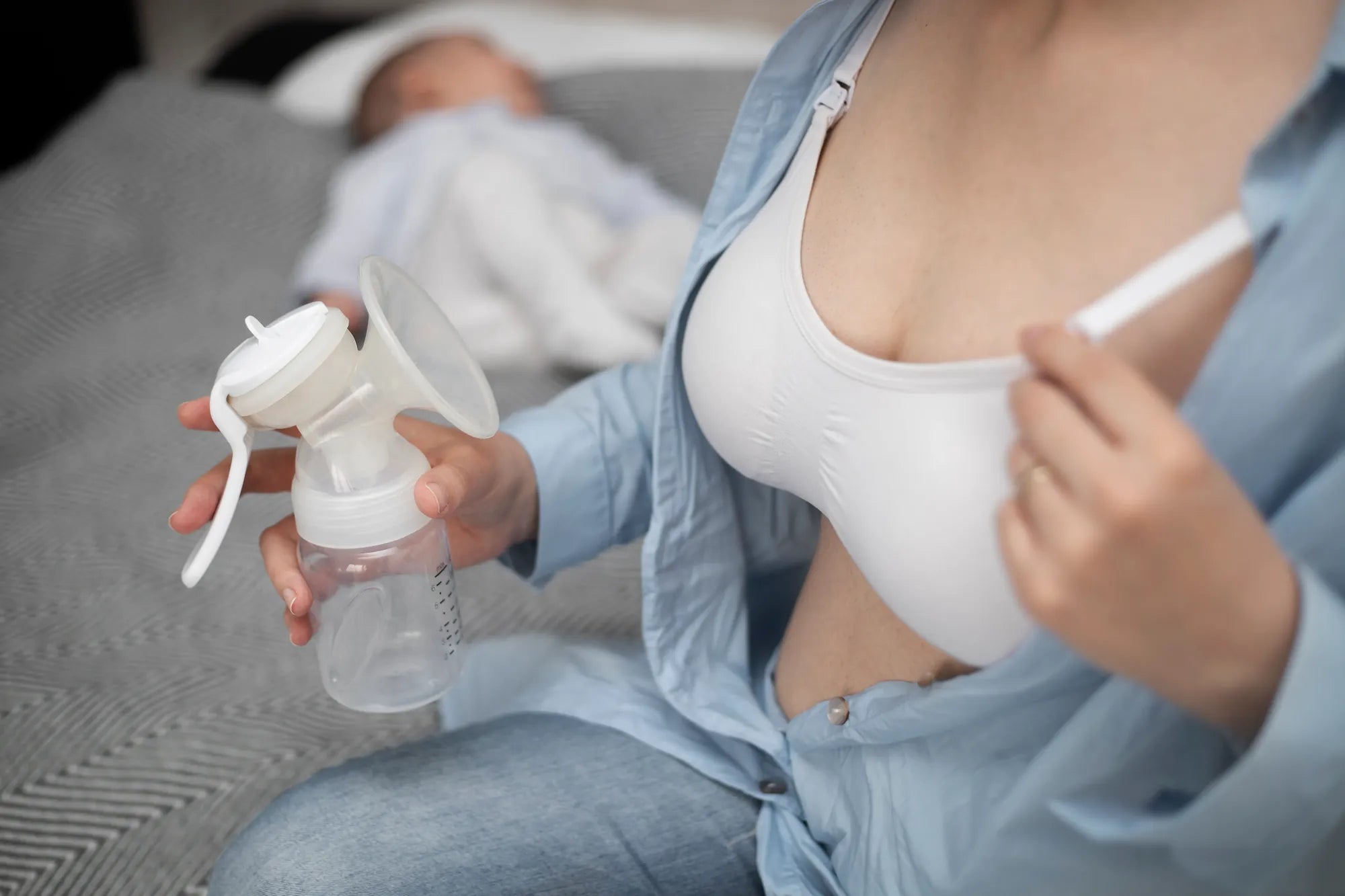
How Long Can Fresh Pumped Breast Milk Sit Out: A Comprehensive Guide for Modern Parents
Introduction: The Critical Importance of Safe Breast Milk Storage
For pumping parents, every ounce of expressed breast milk represents significant time, effort, and nutritional value for their baby. A universal concern arises immediately after pumping: How long can this milk safely remain at room temperature before it risks spoiling? Understanding the precise answer is crucial for protecting your infant's health while preventing the heartbreak of wasting precious liquid gold.
This comprehensive guide delivers clear, evidence-based storage timelines backed by pediatric and lactation authorities. We'll explore the science behind milk preservation, factors that accelerate spoilage, and practical strategies to maximize safety. Whether you're using a traditional electric pump or a modern wearable like the MomMed S21, proper handling ensures your baby receives all the benefits of your milk without compromise.
Understanding the "Room Temperature" Rule: It's Not One-Size-Fits-All
When experts refer to "room temperature," they typically mean a consistent 77°F (25°C) or cooler. However, actual conditions in homes, cars, or workplaces can vary dramatically. A warm kitchen counter in summer presents a very different bacterial growth environment than a cool bedroom in winter. This variability is why generalized rules have limits.
The safety window for fresh pumped breast milk isn't fixed; it's a spectrum influenced by multiple factors. A cooler, cleaner environment with minimal bacterial introduction at the pumping stage allows for the longest safe period. Conversely, a warm, humid room or less-than-ideal pump hygiene shortens the clock significantly. Recognizing this spectrum is the first step toward truly safe milk handling.
It's also essential to consider the baby's health. Guidelines for full-term, healthy infants differ from those for preterm babies or infants with compromised immune systems, who may require stricter adherence to the shortest possible storage times. Always consult your pediatrician for personalized advice if your baby has specific health concerns.
The Official Guidelines: What the CDC, AAP, and Lactation Experts Say
Major health organizations provide consistent but nuanced recommendations for breast milk storage. The following table synthesizes the most current guidelines from the Centers for Disease Control and Prevention (CDC), the American Academy of Pediatrics (AAP), and La Leche League International (LLLI).
| Milk Type & Condition | Room Temp (up to 77°F/25°C) | Refrigerator (39°F/4°C or colder) | Freezer (0°F/-18°C or colder) |
|---|---|---|---|
| Freshly Expressed/Pumped | Up to 4 hours is ideal. Up to 6-8 hours in very clean conditions*. | Up to 4 days. Store in back, not door. | 6-12 months is ideal. Use within 6 months for best quality. |
| Previously Refrigerated, Thawed | 1-2 hours for feeding. Do not re-refrigerate. | 24 hours after thawing. Do not refreeze. | Do not refreeze thawed milk. |
| Formula or Donor Milk | Follow specific product or bank guidelines, which are often stricter. | Follow specific guidelines. | Follow specific guidelines. |
*The 6-8 hour recommendation is for milk expressed under exceptionally clean conditions and intended for healthy, full-term infants. The 4-hour rule is the standard, conservative guideline for most situations.
The core principle is the "4-Hour Rule at Room Temp" for fresh milk. This benchmark is based on research into bacterial growth rates in human milk. Adhering to this limit significantly reduces the risk of your baby consuming milk with potentially harmful levels of bacteria.
Factors That Directly Impact Breast Milk's Safe Storage Clock
Several key variables can shorten or, in very controlled cases, slightly extend the safe window for milk sitting out. Understanding these empowers you to make informed decisions.
1. Initial Cleanliness and Bacterial Load
Milk expressed with meticulously clean hands, sterilized pump parts, and into sterile containers starts with a lower bacterial load. Closed-system pumps, like all MomMed wearable and electric models, prevent milk from backing into tubing, which is a critical design feature for maintaining hygiene. The cleaner the start, the longer it can safely resist spoilage at room temperature.
2. Ambient Temperature and Humidity
Temperature is the most critical external factor. Bacteria multiply exponentially faster in warmth. In a hot room (above 77°F/25°C), the safe window drops to 2 hours or less. Never leave milk in a hot car. Conversely, in a very cool room (60-66°F/15-19°C), some sources note it may remain safe for longer, but 4 hours remains the safest, most recommended limit.
3. Milk's Prior Storage History
Milk's storage "clock" cannot be reset. Once refrigerated or frozen and then thawed, its stability decreases. Previously refrigerated milk that has been warmed for a feeding should be used within 2 hours and never re-refrigerated. This is because the warming process and baby's introduction of saliva into the bottle can introduce new bacteria.
4. The Health of Your Baby
For premature infants, newborns under one month old, or babies with medical conditions affecting immunity, healthcare providers universally recommend the most conservative approach: using or refrigerating milk immediately after pumping, and limiting room temperature time to 1-2 hours maximum. Their underdeveloped or compromised immune systems are less equipped to handle any potential pathogens.
MomMed’s Pro-Tips for Maximizing Freshness and Safety
As a trusted maternal and baby care brand, MomMed designs products with safety and practicality in mind. Here are expert-backed tips to integrate into your routine, especially when using MomMed pumps like the S21 Wearable or Swing Electric pump.
1. Label Immediately, Every Time. As soon as you finish pumping, label the bottle or bag with the date, time, and volume. Use the oldest milk first (FIFO: First In, First Out). This prevents guessing and accidental use of older milk.
2. Optimize Your Cooling Chain. If you won't feed the milk within 4 hours, refrigerate it promptly. Place bottles in the back of the fridge, not the door where temperature fluctuates. For pumping on-the-go, use an insulated cooler bag with ice packs. MomMed's portable pump designs make transferring milk to a cooler simple and discreet.
3. Choose the Right Storage Vessel. Use food-grade, BPA-free containers designed for breast milk—either hard-sided bottles or pre-sterilized storage bags. Ensure bags are sealed without air to preserve nutrients. All MomMed pump kits use food-grade, BPA-free silicone and connect to standard storage bottles.
4. Leverage Closed-System Pump Hygiene. MomMed's closed-system pump design ensures milk cannot enter the motor or tubing, creating a more hygienic expression environment. Always clean pump parts, especially flanges and valves, immediately after use according to the CDC's guidelines to minimize initial bacterial introduction.
What If the Milk Has Been Out Too Long? Identifying Spoilage
Visual and olfactory inspection is your final safety check. Normal breast milk separates into a fatty layer (cream) and a watery layer (hindmilk). This is not spoilage. Gently swirl the bottle to mix it.
Signs milk has spoiled and MUST be discarded:
- Smell: A distinctly sour, rancid, or unpleasant odor. Fresh breast milk has a mild, slightly sweet scent.
- Taste (if you choose): A noticeably sour or off taste. Some moms taste a small drop if unsure.
- Visual Clues: Clumpy texture that doesn't integrate with swirling, or an unusual color (e.g., pronounced pink, brown, or green that isn't diet-related).
The cardinal rule is "When in doubt, throw it out." The risk of feeding spoiled milk, which can cause gastrointestinal illness in your baby, far outweighs the loss of that milk. Trust your senses.
Advanced Considerations and Special Scenarios
Beyond the basics, specific situations require additional knowledge. Handling high lipase milk, which can smell soapy or metallic but is safe, is different from handling spoiled milk. Milk pumped at night, richer in sleep-inducing hormones, has the same storage rules as day milk.
For working parents, creating a station at the office with a dedicated mini-fridge and clean drying rack is essential. If you use a communal fridge, place milk in a sealed bag or container labeled with your name. Remember, breast milk is not considered a biohazard like bodily fluids; it is a food.
Travel introduces complexity. When flying, fresh milk is exempt from the 3.4-ounce liquid rule but must be declared for inspection. Use plenty of ice packs in a high-quality cooler. The portability of a MomMed wearable pump can simplify expressing and storing milk while navigating travel logistics.
Frequently Asked Questions (FAQs)
Q1: Can I put a bottle back in the fridge if my baby didn't finish it during a feeding?
A: No. Once your baby has fed from a bottle, their saliva introduces bacteria into the milk. The CDC recommends discarding any leftover milk within 2 hours of the feeding's start. To reduce waste, store milk in smaller quantities (2-3 oz) and warm only what you think baby will take.
Q2: How does the "4-hour rule" apply during a heatwave or in a very warm room?
A: It contracts significantly. In ambient temperatures above 77°F (25°C), the safe window drops to 2 hours or less. In extreme heat (90°F+/32°C+), refrigerate milk immediately after pumping. Do not let it sit out.
Q3: Does the type of bottle or storage bag affect how long milk can sit out?
A: The material itself (glass, BPA-free plastic, pre-sterilized bags) doesn't significantly alter the room temperature clock if all are clean and sealed. However, a well-sealed container prevents additional environmental contamination. Ensure bags are sealed without air pockets.
Q4: Is milk pumped at night (or foremilk/hindmilk) different in how it stores?
A: No. While the composition of milk can vary slightly (night milk may have more melatonin; hindmilk is fattier), the storage guidelines and spoilage risks remain identical for all freshly expressed human milk.
Q5: I use a cooler bag with ice packs for a full workday. Does that count as "room temperature"?
A: No. A properly insulated cooler with enough ice packs to keep the milk cool (at or below 39°F/4°C) counts as refrigerated storage. The milk should be used within 24 hours if kept consistently cold in the cooler, or transferred to a standard refrigerator as soon as possible.
Empowering Your Feeding Journey with Knowledge and Confidence
Mastering breast milk storage is a powerful way to nurture your baby with confidence. By adhering to the 4-hour rule for room temperature storage, understanding the factors that influence safety, and implementing practical tips like immediate labeling and proper cooling, you transform uncertainty into a manageable routine. This knowledge ensures your hard-earned milk provides optimal nutrition and protects your little one's health.
At MomMed, we are committed to supporting this journey with innovative, reliable products designed for real-life parenting. From our award-winning, BPA-free S21 Double Wearable Breast Pump that offers discreet pumping flexibility to our comfortable, correctly sized flanges that support efficient milk expression, every detail is crafted with your and your baby's well-being in mind. Proper milk handling starts with a hygienic, effective pumping session, and we're here to provide the tools that make it simpler.
Shop the MomMed collection at mommed.com for all your breastfeeding and pregnancy needs. Explore wearable pumps, high-quality storage accessories, and baby care essentials designed to give you peace of mind and more precious moments with your little one.