


Accueil
Pregnancy, Breastfeeding, and Pumping: The Ultimate Guide for Moms
How Early Can You Take a Pregnancy Test: The Complete Science-Backed Guide
How Early Can You Take a Pregnancy Test: The Complete Science-Backed Guide
That moment of wondering, waiting, and hoping can feel endless. Whether you're actively trying to conceive or concerned about a potential pregnancy, the question "how early can you take a pregnancy test?" is urgent and emotionally charged. This definitive guide cuts through the confusion with clear, evidence-based answers. You'll learn the science behind pregnancy tests, the precise timeline for accurate results, and the critical factors that determine when you can test with confidence. We'll cover everything from hormone levels and test sensitivity to avoiding common mistakes, ensuring you have the knowledge to navigate this pivotal moment.
How Pregnancy Tests Work: Detecting the hCG Hormone
All pregnancy tests, from basic strips to digital readers, operate on the same scientific principle: they detect the presence of human Chorionic Gonadotropin (hCG). This hormone is produced by the cells that will eventually form the placenta, but only after a fertilized egg successfully implants in the uterine lining.
Implantation typically occurs 6-10 days after ovulation. Once implantation happens, hCG production begins and enters the bloodstream. The hormone is then filtered by the kidneys and excreted in urine. In early pregnancy, hCG levels approximately double every 48 to 72 hours, which is why timing is so crucial for testing.
The sensitivity of a pregnancy test is measured in milli-international units per milliliter (mIU/mL). This number represents the minimum concentration of hCG in urine that the test can detect. For example, a test with a sensitivity of 10 mIU/mL can detect lower levels of the hormone than a test rated for 25 mIU/mL, theoretically allowing for earlier detection.
How Early Can You Take a Pregnancy Test? The Detailed Timeline
The answer to "how early can you take a pregnancy test?" depends on whether you mean the earliest *possible* time versus the most *reliable* time. Understanding this distinction can save you from unnecessary anxiety and potential misinterpretation of results.
The Earliest Possible Test: 7-10 Days Post-Ovulation
Biologically, it is possible to get a positive result as early as 7-10 days after ovulation, which is often several days before your expected period. This requires a series of specific conditions: implantation must have occurred on the earlier side (around day 6-7 post-ovulation), and you must use an ultra-sensitive test (typically 10 mIU/mL) with highly concentrated urine.
However, testing this early comes with significant caveats. A negative result at 7-10 days post-ovulation is not definitive, as hCG levels may simply be too low to detect. This can lead to a false negative. Furthermore, only a small percentage of pregnancies will produce enough hCG to be detected this early, making the probability of an accurate positive quite low.
The Optimal Time for Accuracy: On or After Your Missed Period
This is the timeline recommended by virtually all test manufacturers and healthcare providers. By the first day of your missed period, in a viable pregnancy, hCG levels are usually high enough to be detected by even standard-sensitivity tests (25 mIU/mL).
Testing on or after the day your period is due dramatically increases accuracy. Most brands claim over 99% accuracy when used at this point with first-morning urine. Waiting just a few extra days allows hCG levels to rise well above the test's detection threshold, providing a clear, unambiguous result and reducing the emotional toll of uncertain or faint lines.
Key Factors That Influence Test Accuracy and Timing
Beyond the calendar date, several individual factors play a major role in determining the right answer to "how early can you take a pregnancy test?" for you personally.
Your Menstrual Cycle Length and Regularity
If you have irregular cycles, predicting ovulation and your expected period date becomes challenging. You may think you're testing "late," but if you ovulated later than assumed, you could actually be testing too early. Using ovulation predictor kits (OPKs) or tracking basal body temperature (BBT) can help pinpoint ovulation more accurately, giving you a better foundation for timing a test.
The Sensitivity of the Pregnancy Test
Not all tests are created equal. Sensitivity is a key differentiator. Early result tests are engineered to detect lower levels of hCG. As a trusted maternal care brand, MomMed designs its pregnancy test kits with high sensitivity and clear result windows to support women during this uncertain time, helping to provide clarity when it's needed most.
Time of Day and Urine Concentration
For early testing (before a missed period), the concentration of hCG in your urine matters immensely. First-morning urine is typically the most concentrated, as hCG has built up over several hours while you slept. Using diluted urine later in the day can lead to a false negative if you are testing at the very edge of the test's sensitivity. After your period is late, hCG levels are usually high enough that time of day is less critical.
Choosing the Right Test and Using It Correctly
User error is a common cause of confusing results. Selecting an appropriate test and following instructions meticulously are vital for a reliable answer.
Types of Tests: Strips, Midstream, and Digital
| Test Type | How It Works | Best For | Considerations |
|---|---|---|---|
| Test Strips | You dip the strip into a collected urine sample. | Cost-effectiveness, bulk testing, early testing with FMU. | Requires a separate cup. Can be trickier to interpret faint lines. |
| Midstream Tests | You hold the absorbent tip directly in your urine stream. | Convenience and ease of use. Less mess. | Generally more expensive than strips. The classic "pee-on-a-stick" design. |
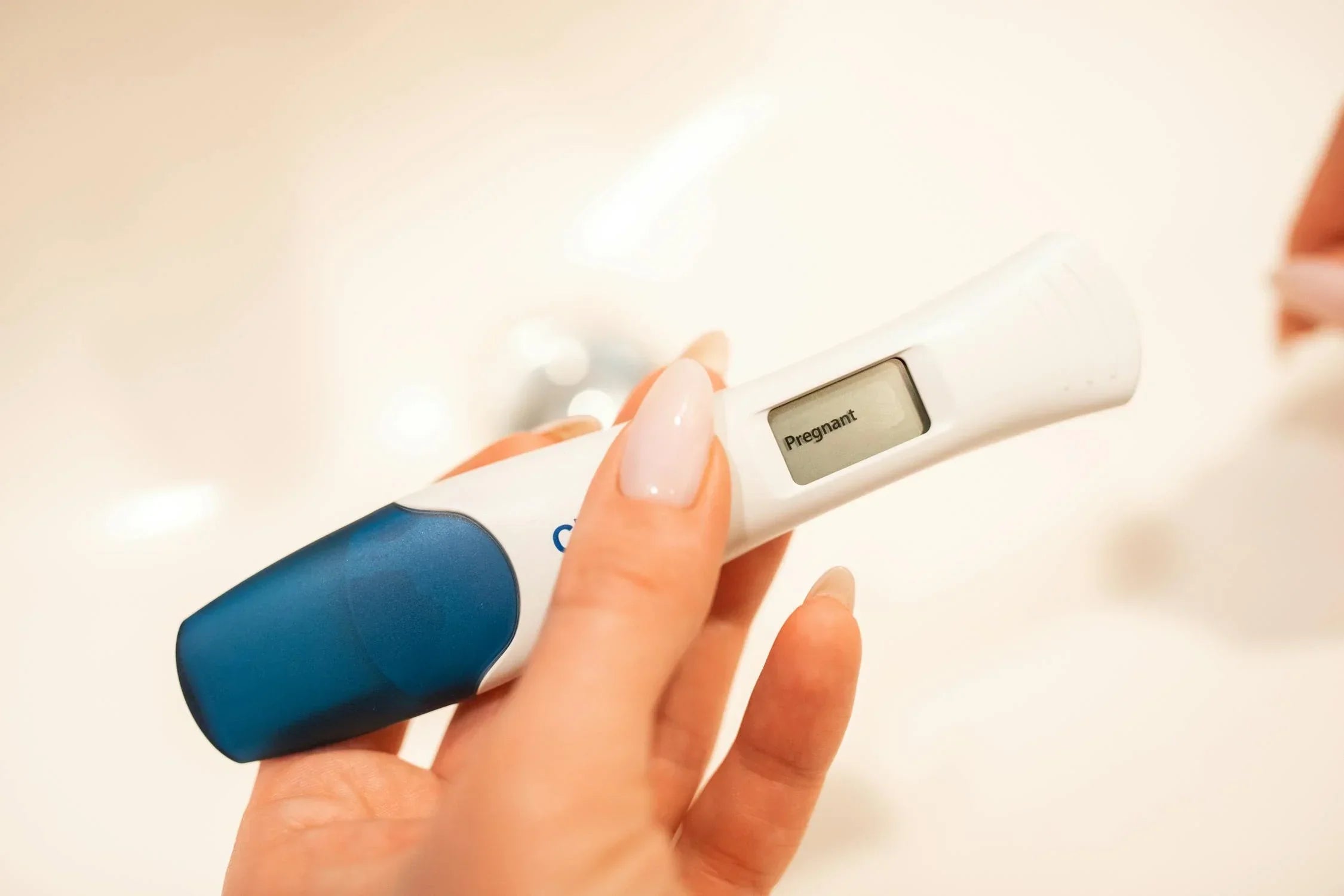
| Digital Tests | Uses an optical reader to detect hCG and displays "Pregnant" or "Not Pregnant." | Eliminating line interpretation anxiety. Clear, worded results. | Most expensive. Often has a higher hCG threshold (less sensitive). Requires specific battery power. |
Step-by-Step Guide for Maximum Accuracy
1. Check the Expiration Date: An expired test may have degraded chemicals, leading to inaccurate results.
2. Read the Instructions First: Every brand can have slight variations in wait times and procedures.
3. Use First-Morning Urine if Testing Early: For the highest concentration of hCG.
4. Don't Drink Excessive Fluids Beforehand: This can dilute your urine and potentially skew results.
5. Set a Timer: Read the results only within the time window specified in the instructions (usually 3-5 minutes). Reading too early or too late can lead to evaporation lines or false readings.
6. Consider Testing Again: If you get a negative result but your period still hasn't arrived in a few days, test again. hCG levels double rapidly.
How to Interpret the Results: Lines, Symbols, and Words
A positive result is indicated by the appearance of a test line alongside the control line, regardless of how faint it is. Any distinct line, even a light one, typically means hCG is present. A digital test will explicitly say "Pregnant." A negative result shows only the control line. An invalid result, where the control line fails to appear, means the test did not work and must be repeated.
Crucial Warning: Do not read results after the allotted time (e.g., 10 minutes later). What appears to be a faint "positive" line could be an evaporation line, which is a colorless indent or mark where the test line would form. This is a major source of false hope and confusion.
Understanding hCG Levels and Doubling Time
To fully grasp the answer to "how early can you take a pregnancy test?", a deeper look at hCG dynamics is helpful. After implantation, hCG levels rise geometrically. They start very low—often between 5-50 mIU/mL at the time of a missed period—and double approximately every two days in a healthy pregnancy.
This doubling time is why a test might be negative one day and positive two days later. Blood tests administered by a doctor quantify the exact hCG level and can track this doubling, which is a strong indicator of a progressing pregnancy in the early weeks. Urine tests only provide a yes/no answer based on their sensitivity threshold.
FAQ: Your Early Pregnancy Testing Questions Answered
Q: Can a negative test result be wrong?
A: Yes, a false negative is common if you test too early. If you get a negative result but your period is late, wait 3-4 days and test again with first-morning urine. Irregular cycles, diluted urine, or a less sensitive test can also cause false negatives.
Q: What does a very faint positive line mean?
A: A faint line almost always indicates a positive pregnancy test, reflecting early-stage, low levels of hCG. It is advisable to confirm with another test in 48 hours, when the line should be darker due to rising hCG.
Q: How soon after a positive test should I see a doctor?
A: Contact your healthcare provider to schedule your first prenatal appointment. This typically occurs around 8 weeks of pregnancy, but an early confirmation visit or blood test may be offered. They can provide essential guidance on prenatal vitamins, lifestyle adjustments, and early care.
Q: Can anything other than pregnancy cause a false positive?
A: While rare, certain conditions can cause elevated hCG, including some ovarian cysts, recent pregnancy loss (miscarriage or abortion), or fertility treatments containing hCG. Certain medications can also interfere. However, a true false positive on a modern test is uncommon.
Q: I'm experiencing pregnancy symptoms but got a negative test. Why?
A: Early pregnancy symptoms (fatigue, breast tenderness, nausea) are caused by the hormone progesterone, which also rises in the days before your period. This is why symptoms alone are not a reliable indicator of pregnancy. You may be experiencing premenstrual symptoms, or you may have tested too early. Wait for a missed period for a definitive test.
Next Steps After a Positive Pregnancy Test
A positive test is the beginning of a new journey. Your immediate next steps should focus on health and preparation. Start or continue taking a prenatal vitamin with at least 400 mcg of folic acid, which is crucial for early fetal development. Avoid alcohol, tobacco, and recreational drugs, and discuss any prescription medications with your doctor. Begin researching prenatal care providers if you haven't already.
This is also an excellent time to consider your postpartum needs. Whether you plan to breastfeed, pump, or combination feed, having reliable gear ready can reduce future stress. MomMed offers a range of research-backed products, like the S21 Wearable Breast Pump, designed for comfort and efficiency, allowing new moms more freedom and flexibility during their feeding journey.
Navigating the Wait with Knowledge and Care
The period of waiting to test or waiting for a confirmed result can be emotionally taxing. The most powerful tool you have is accurate information. While the urge to test extremely early is understandable, patience often leads to greater clarity and less distress. The most reliable answer to "how early can you take a pregnancy test?" remains: on or after the first day of your missed period, using your first-morning urine.
Remember that your journey is unique. Trust the process of your body, use tests as the tools they are designed to be, and seek support from your partner, friends, or healthcare providers. Whether you're hoping for a positive or a negative result, obtaining a clear answer is the first step toward taking control of your reproductive health and planning your next chapter with confidence.
For trusted, accurate pregnancy tests and a full suite of supportive products for every stage of motherhood—from pregnancy confirmation to breastfeeding and baby care—explore the MomMed collection. Our mission is to provide innovative, reliable solutions that empower you with comfort and confidence.