


Accueil
Pregnancy, Breastfeeding, and Pumping: The Ultimate Guide for Moms
How Do You Sterilize a Breast Pump: A Comprehensive Guide
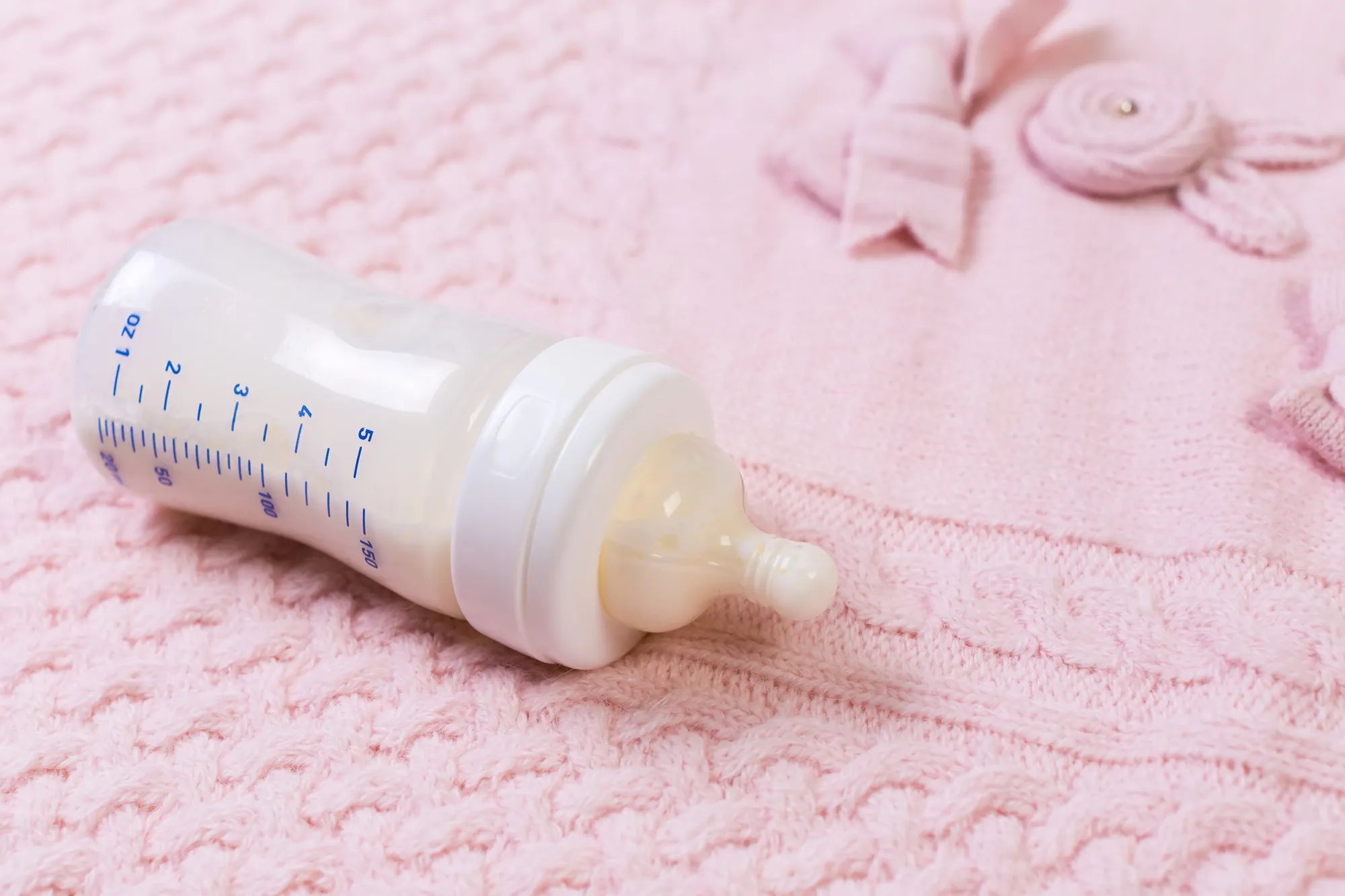
How Do You Sterilize a Breast Pump: A Comprehensive Guide
Why Sterilizing Your Breast Pump is a Non-Negotiable Step in Your Feeding Journey
For a new parent, the feeding routine is sacred. Between latching struggles, managing milk supply, and deciphering pumping schedules, the task of cleaning and sterilizing pump parts can feel like one chore too many. However, understanding how do you sterilize a breast pump is a critical component of infant care, not an optional extra. A baby’s immune system is still developing, making them highly vulnerable to bacteria, viruses, and mold that can thrive in the moist, nutrient-rich environment of leftover breast milk.
Proper sterilization is your primary defense against these pathogens. It goes beyond simple cleaning to destroy microorganisms that can cause serious illness, from gastrointestinal upset to thrush or even mastitis in the nursing parent. This comprehensive guide will walk you through every step, making the process clear, manageable, and effective for all pump types, with special attention to the nuances of modern wearable pumps.
We’ll cover the essential tools, break down four proven sterilization methods, and provide data-driven recommendations. The goal is to integrate this vital practice seamlessly into your routine, giving you the confidence that every drop of milk you provide is safe. Knowing how do you sterilize a breast pump correctly empowers you to focus on bonding and nourishment, free from worry.
Understanding the Difference: Cleaning vs. Sterilizing
Before diving into methods, it’s crucial to define two distinct processes: cleaning and sterilizing. They are sequential steps in a complete hygiene protocol, each with a specific purpose. Cleaning is the physical removal of milk fat, proteins, and visible debris from all pump parts that contact breast milk.
This involves washing with warm, soapy water after every single use. It is a necessary first step because organic residue can shield bacteria from the sterilizing agent, rendering the process less effective. Sterilizing, on the other hand, is the process of killing germs—bacteria, viruses, and fungi—to a level considered safe by public health standards.
It uses high heat (steam or boiling water) or chemicals to achieve this germicidal effect. The Centers for Disease Control and Prevention (CDC) recommends sterilizing pump parts at least once daily, especially for infants under 3 months old, those born prematurely, or with compromised immune systems. For older, healthy babies, thorough cleaning after each use may be sufficient if parts are sterilized less frequently, but many experts and parents choose to maintain daily sterilization for added safety.
Think of it this way: cleaning removes the “food” for bacteria, while sterilizing destroys the bacteria themselves. Both are essential for ensuring your pump kit is hygienically prepared. Products like MomMed pumps are designed with this in mind, featuring fewer parts and smooth, BPA-free surfaces that are easy to both clean and sterilize thoroughly.
Your Sterilization Toolkit: What You'll Need
Gathering the right tools before you start makes the process efficient and consistent. You do not need expensive equipment, but you do need dedicated, clean supplies. First, designate a wash basin or container used only for cleaning infant feeding items. Using the kitchen sink exposes parts to food-borne bacteria.
You will need a bottle brush with a smaller nipple brush to scrub inside flanges, valves, and bottle threads. Use a mild, fragrance-free dish soap to avoid leaving residues that could irritate your baby’s system or affect milk taste. For the sterilization step itself, your toolkit depends on your chosen method.
Common options include a large pot with a lid for boiling, an electric or microwave steam sterilizer, or a container for cold-water sterilization tablets. Always have a pair of clean tongs dedicated to handling hot, sterilized parts. Finally, a clean drying rack or fresh paper towels in an undisturbed area are mandatory for air-drying.
All MomMed breast pump parts that contact milk, such as the soft silicone flanges, duckbill valves, connectors, and milk containers, are made from food-grade, BPA-free materials tested for compatibility with heat- and chemical-based sterilization. This ensures your toolkit works effectively without degrading your pump components.
Step-by-Step Guide to Four Key Sterilization Methods
With your tools ready, you can select the sterilization method that best fits your lifestyle, schedule, and pump type. Each method, when performed correctly, is highly effective. The key is following the steps meticulously to avoid common pitfalls that can compromise safety.
The Steam Sterilizer (Electric or Microwave) Method
Electric or microwave steam sterilizers are popular for their speed, convenience, and effectiveness. They use steam heated to around 212°F (100°C) to kill pathogens. To begin, ensure all parts are clean. Disassemble your pump kit completely—separate flanges, valves, connectors, bottles, and any diaphragms.
Place the parts in the sterilizer according to the manufacturer’s directions, ensuring small pieces like valves are positioned so steam can circulate around them. Add the specified amount of water, usually distilled or filtered to minimize mineral buildup. Close the lid and run the cycle, which typically takes 8-12 minutes, plus cooling time.
Once the cycle is complete and the sterilizer has cooled slightly, wash your hands before opening. Use clean tongs or hands to remove parts, being mindful of residual hot water. Allow parts to air-dry completely on a clean surface. This method is gentle on components and ideal for daily use, making it a favorite for busy parents using pumps like the MomMed S21 Wearable.
The Traditional Boiling Water Method
Boiling is a highly accessible, cost-effective sterilization technique validated for centuries. Start with a large, clean pot dedicated to this purpose. Fill it with enough water to completely submerge all disassembled pump parts. Place the parts in the pot, ensuring no air pockets are trapped and nothing is touching the pot’s bottom, which could be hotter.
Bring the water to a full, rolling boil. Once boiling, start your timer. The CDC recommends boiling for at least 5 minutes, though many manufacturers suggest 10 minutes for added assurance. Cover the pot with a lid to maintain temperature. After the time elapses, turn off the heat.
Using clean tongs, carefully remove the parts and place them on a clean drying rack or fresh paper towels. Let them air-dry completely. Do not wipe them dry, as this can re-contaminate them. This method is thorough but may cause faster wear on some plastics or silicone over time compared to steam.
The Cold Water Sterilization (Sterilizing Tablets/Solution) Method
Cold-water chemical sterilization is a portable, non-heat alternative ideal for travel or when a stove isn’t available. It uses EPA- and FDA-approved tablets or liquid solutions (often containing sodium dichloroisocyanurate) to create a germicidal bath. Use a clean, non-metallic container with a lid, as metal can react with the solution.
Fill it with cool water as directed and add the correct number of tablets or amount of liquid. Ensure all clean, disassembled parts are fully submerged, using a floating cover if necessary to keep parts underwater. The contact time is longer than heat methods—typically 30 minutes to 2 hours, as specified on the product label.
After sterilization, this method has a critical final step: rinsing. You must rinse all parts thoroughly with cool, previously boiled water or filtered water to remove any chemical residue before use. Then, allow to air-dry. This method is effective but requires careful rinsing and precise timing.
Dishwasher Sterilization (For Dishwasher-Safe Parts Only)
Using a dishwasher can be a convenient hands-off option, but caution is paramount. Only proceed if your pump manufacturer’s instructions explicitly state that all parts are dishwasher-safe. The sterilization effect relies on the final heated dry cycle, as the wash water itself is not hot enough to kill all pathogens.
Place small parts like valves and membranes in a closed-top basket or mesh laundry bag to prevent them from falling into the filter. Use the hottest water setting and the sanitize or heated dry cycle if your dishwasher has one. Ensure your dishwasher interior is clean to avoid contaminating parts with food debris.
After the cycle, remove parts promptly and allow them to finish air-drying on a clean surface. While convenient, the intense heat and harsh detergents of a dishwasher may degrade silicone and plastic components more quickly, potentially shortening the lifespan of parts like flanges and valves.
Special Considerations for Wearable Breast Pumps (Like MomMed)
Wearable pumps offer incredible freedom, but their integrated design requires careful attention during cleaning and sterilization. The fundamental rule is absolute: the motor unit, battery pack, and any parts with electronic components must NEVER be submerged, steamed, or chemically sterilized. Wipe these exteriors with a damp cloth or disinfectant wipe as per the manual.
For the milk-contact assembly, such as the MomMed S21 cups, disassembly is key. Typically, you will separate the outer cup, inner silicone flange or cushion, duckbill valve, connector, and milk collection bottle. Each of these parts must be cleaned and sterilized individually. Pay special attention to the tiny duckbill valves; use a small brush to ensure no milk film remains in the slit.
MomMed pumps are engineered for this process. The primary materials are food-grade, medical-quality silicone and tritan copolyester plastic, chosen for their durability through repeated sterilization cycles. Their design minimizes crevices where milk can hide, simplifying the path to a hygienic pump. After sterilizing, ensure all components, especially the valve seals, are completely dry before reassembly to maintain proper suction and function.
Sterilization Frequency & Safety: A Quick-Reference Chart
This table provides an at-a-glance comparison of the four primary methods to help you make an informed choice based on your needs.
| Method | Best For | Process Time | Key Pros | Key Cons/Cautions |
|---|---|---|---|---|
| Steam Sterilizer | Daily use, convenience, gentle on parts | 10-15 min (plus cool) | Fast, no chemicals, effective, preserves part integrity | Requires purchase of unit; microwave types need compatible containers |
| Boiling Water | Accessibility, cost-effectiveness, thoroughness | 20-25 min total | Uses common household items, highly effective, no chemicals | Can warp plastic over time; risk of burns; requires monitoring |
| Cold Water Tablets | Travel, no heat source, delicate parts | 30 min - 24 hrs (soak) | Portable, no heat damage risk, good for heat-sensitive items | Must rinse thoroughly; chemical smell; longer wait time |
| Dishwasher (Sanitize Cycle) | High-volume cleaning, convenience | 60-120 min cycle | Hands-off, cleans and sanitizes | Only for dishwasher-safe parts; harsh detergents; may degrade parts faster |
Common Sterilization Mistakes and How to Avoid Them
Even with the best intentions, simple errors can undermine your sterilization efforts. First, incomplete disassembly is a major culprit. Bacteria thrive in the joints between connectors and valves. Always take apart every single component before cleaning and sterilizing.
Using abrasive scrubbers like steel wool or harsh scouring pads is another common mistake. These create micro-scratches on plastic and silicone surfaces, providing perfect hiding places for biofilms that are resistant to cleaning. Use only soft brushes designed for baby bottles.
Improper drying and storage can re-contaminate sterile parts. Allowing parts to air-dry completely on a clean rack is essential. Storing parts while still damp in a sealed container or plastic bag creates a moist environment where mold and bacteria can proliferate rapidly. Always ensure parts are bone-dry before reassembly or storage.
Finally, sterilizing non-submersible parts can destroy your pump. Remember, only parts that contact milk need sterilization. The pump motor, tubing (unless it gets milk in it), and other external hardware should be wiped clean according to the manual. Following these guidelines protects both your baby’s health and your investment in a quality pump.
FAQ: Your Top Breast Pump Sterilization Questions, Answered
Q: How often do I really need to sterilize my pump parts?
A: For infants under 3 months, premature, or immunocompromised, sterilize at least once per day, with thorough cleaning after each other use. For healthy older infants, the CDC states that daily sterilization is not necessarily required if parts are cleaned meticulously after each use, but many healthcare providers still recommend it. A good rule is: when in doubt, sterilize. It’s the safest practice.
Q: Can I use sterilizing wipes or sprays on my pump parts?
A> No. Antibacterial wipes or sprays are designed for quick cleaning of non-porous surfaces like pump motors or countertops. They are not a substitute for the full immersion cleaning and sterilization of milk-contact parts. They can leave chemical residues that are not intended for ingestion and may not kill all pathogens in crevices.
Q: How should I store my sterilized parts?
A> The best practice is to allow parts to air-dry completely in a clean, dust-free area. Once dry, you can reassemble them and store them in a clean, covered container or a new zip-top bag. Do not store them while wet or damp, as this promotes microbial growth. If you need to store them before they are dry, use a paper towel in the container to absorb moisture and leave the lid slightly ajar.
Q: Do I need to sterilize brand-new pump parts before first use?
A> Yes, absolutely. Manufacturing and packaging processes can leave residues or expose parts to environmental contaminants. Always clean and sterilize all pump parts, bottles, and accessories before their very first use to ensure they are perfectly hygienic for your baby.
Q: How do I know when to replace pump parts like valves and membranes?
A> Silicone and plastic parts degrade with use, heat, and cleaning. Signs of wear include loss of suction (tired duckbill valves), visible cracks, tears, cloudiness, or stiffness. As a general guideline, replace duckbill valves and backflow protectors every 4-8 weeks with frequent pumping. Always follow your pump manufacturer’s recommendations, as using worn parts can affect performance and hygiene.
Empowering Your Feeding Routine with Confidence and Care
Mastering how do you sterilize a breast pump is more than a chore; it’s a fundamental act of care that safeguards your baby’s health during a critical period of development. By integrating these evidence-based protocols into your routine, you transform a necessary task into a seamless part of your feeding journey. It provides the peace of mind that allows you to focus on the connection and nourishment that pumping and breastfeeding provide.
Choosing equipment designed for easy maintenance, like MomMed’s award-winning wearable pumps with their hospital-grade suction and straightforward, sterilizable parts, simplifies this process. Their BPA-free, food-grade components are built to withstand daily sterilization, supporting you in maintaining the highest hygiene standards without compromise.
Your dedication to providing safe, liquid gold is commendable. With this comprehensive guide as your resource, you can pump with the assurance that every session is protected by science and care. Let this knowledge empower you, making your pumping experience as safe, efficient, and stress-free as possible.
Shop the MomMed collection at mommed.com for all your breastfeeding and pregnancy needs, featuring innovative, easy-to-clean pumps designed with your real-life routine in mind.