


Accueil
Pregnancy, Breastfeeding, and Pumping: The Ultimate Guide for Moms
How Can I Produce More Breast Milk While Pumping: Evidence-Based Strategies
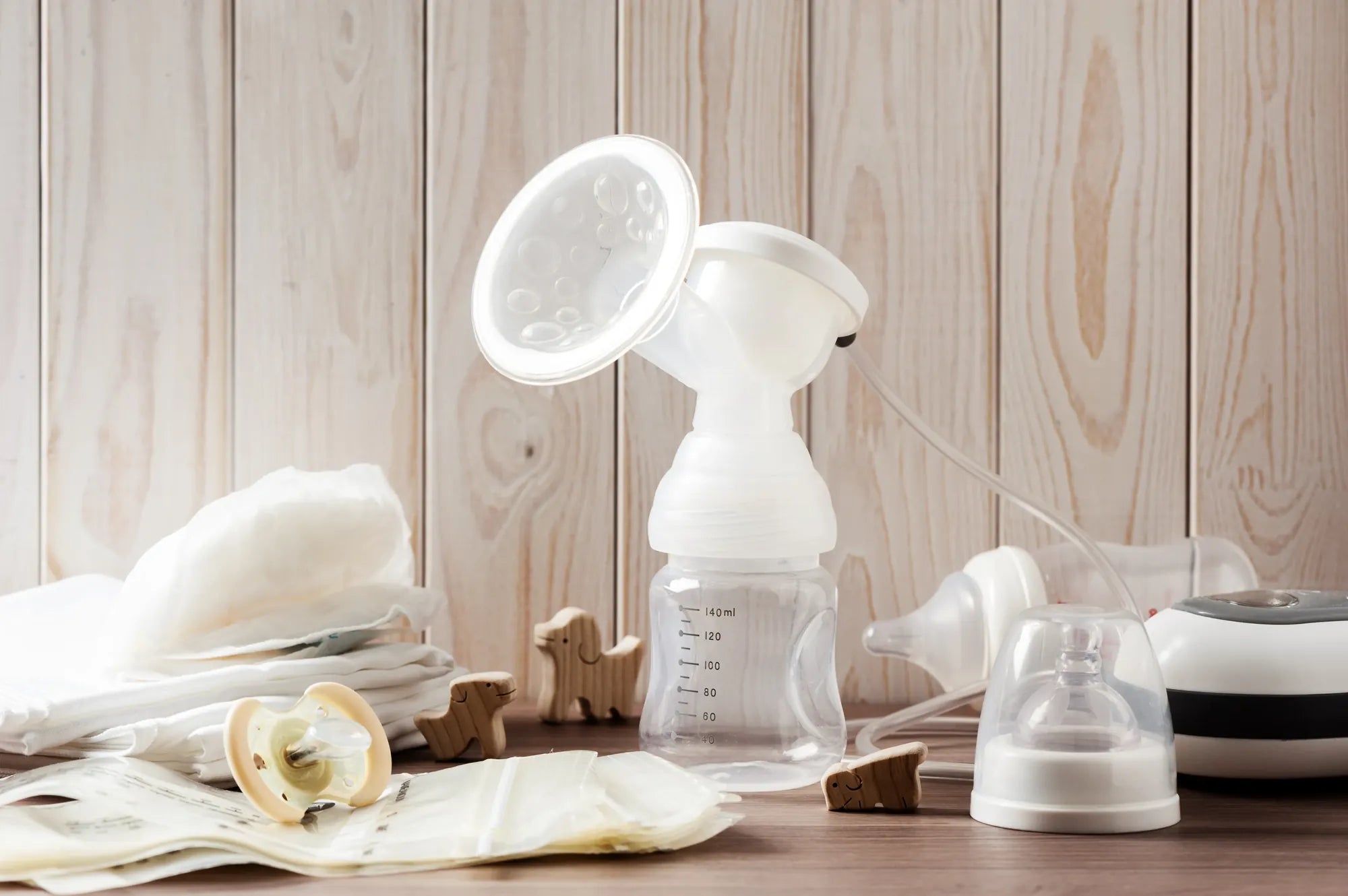
How Can I Produce More Breast Milk While Pumping: Evidence-Based Strategies
Introduction: Understanding Your Milk Supply and Pumping Success
Many pumping parents ask one crucial question: 'How can I produce more breast milk while pumping?' This concern is common, valid, and, most importantly, addressable. Whether you're returning to work, exclusively pumping, or supplementing direct breastfeeding, the pump can become a powerful ally in your feeding journey.
The journey to increase output is rooted in understanding the physiology of lactation and applying consistent, evidence-based techniques. It's not about magic fixes but about creating an optimal environment for your body to do what it's designed to do.
With the right knowledge and tools, you can transform your pumping experience. This guide provides actionable strategies, from optimizing your routine to selecting effective equipment, to help you confidently work toward your milk production goals.
The Fundamentals: How Milk Production Really Works
At its core, breast milk production operates on a simple but powerful principle: supply and demand. Your body creates milk in response to the signal that milk has been removed. The hormone prolactin stimulates milk-making cells, while the emptying of the breast is the primary trigger for more production.
It's essential to differentiate between building a long-term supply and boosting a single session's output. A consistent, frequent removal schedule builds your baseline capacity over days and weeks. Meanwhile, techniques like massage and relaxation can help maximize efficiency within each individual pumping session.
The key signal your body needs is effective milk removal. When milk sits in the alveoli (the milk-making sacs), a protein called Feedback Inhibitor of Lactation (FIL) accumulates, signaling your body to slow down production. Emptying the breast resets this process.
This biological process underscores why a regular pumping schedule is non-negotiable for establishing and maintaining supply. Your body is a remarkable, responsive system; consistent demand through pumping tells it to keep the milk coming.
Optimizing Your Pumping Routine: Timing, Frequency, and Technique
Your pumping routine is the engine of your milk supply. Consistency, frequency, and effective technique work together to send strong, clear signals to your body to produce more milk.
Power Pumping: A Strategic Boost
Power pumping is a technique designed to mimic a baby's cluster feeding, which can help increase prolactin levels and stimulate more milk production. It involves pumping in a specific pattern of intervals rather than one continuous session.
A common and effective power pumping schedule is: pump for 20 minutes, rest for 10 minutes, pump for 10 minutes, rest for 10 minutes, pump for a final 10 minutes. This 60-minute session is typically done once per day, often replacing one regular pumping session.
This method is most effective when used consistently for 2-3 days in a row, often during a perceived dip in supply or when trying to build a stash. It's a short-term strategy to give your supply a boost, after which you can return to your regular routine.
Finding Your Magic Number: Pumping Frequency
In the early postpartum period, especially if you are establishing supply exclusively via pump, 8-12 pumping sessions per 24 hours is the gold standard. This frequency mimics a newborn's feeding pattern and robustly stimulates prolactin receptors.
Do not skip the night or early morning session. Prolactin levels are naturally highest between 1 a.m. and 5 a.m., making milk removal during this window particularly powerful for signaling ongoing production.
As your supply regulates (around 6-12 weeks postpartum), you may find you can maintain it with fewer sessions, but the total volume removed per day remains the critical factor. Spacing sessions too far apart can lead to engorgement and a gradual supply drop.
Maximizing Output Per Session: Hands-On Pumping and Massage
Passively sitting and watching the bottles can lead to incomplete emptying. Hands-on pumping combines electric pumping with manual breast compression to maximize output.
Before pumping, apply a warm compress or take a warm shower to encourage let-down. Gently massage your breasts in a circular motion, working from the chest wall toward the nipple.
During pumping, once the flow slows to drips, use your hands to compress and massage different quadrants of your breast. Lean forward slightly. This manual manipulation can help drain milk ducts more thoroughly than the pump suction alone, leading to better output and a stronger production signal.
Choosing and Using the Right Tools: Your Pump and Gear Matter
The right equipment is not a luxury; it's a necessity for efficient, comfortable, and effective milk removal. Ill-fitting or ineffective gear can significantly hinder your output and comfort.
The Importance of Correct Flange Fit
The flange, or breast shield, is the most critical component for comfort and output. An incorrect size is a leading cause of low milk yield, pain, and nipple damage. The standard 24mm or 27mm flanges included with most pumps are too large for many.
Your nipple should move freely in the tunnel without rubbing the sides, and only a small amount of areola should be pulled in during suction. Measure your nipple diameter (without pumping) and add 0-4mm to find your ideal flange size. Signs of a poor fit include blanching, pain, and low output despite long sessions.
Why Wearable Pumps Like MomMed S21 Can Make a Difference
Stress and discomfort are enemies of the let-down reflex. Traditional, bulky pumps can tether you to one spot, adding to the mental load. A comfortable, discreet wearable pump can revolutionize your routine by reducing stress and making frequent sessions more sustainable.
The MomMed S21 Double Wearable Breast Pump, an award-winning design, exemplifies this innovation. Its hospital-grade suction strength ensures effective milk removal, while its ultra-quiet, cordless, and hands-free design allows for mobility and discretion. This means you can maintain your pumping schedule while tending to other tasks, reducing anxiety and making it easier to stick to the frequent sessions crucial for supply.
All MomMed pumps, including the S21 and S12 models, use BPA-free, food-grade silicone for baby safety and feature adjustable settings to find your perfect, comfortable rhythm for optimal let-down and expression.
Creating a Pumping Sanctuary: Comfort and Relaxation
Oxytocin, the 'love hormone,' drives your milk ejection reflex (let-down). Stress inhibits oxytocin. Create a ritual that promotes relaxation before and during each session.
Find a comfortable seat with good back support. Have a large bottle of water and a snack within reach. Use a quiet pump to minimize disruptive noise. Cover the bottles with socks or covers to avoid 'clock-watching.' Look at photos or videos of your baby, or smell a piece of their clothing. This sensory connection can powerfully stimulate oxytocin release.
Supporting Your Body: Nutrition, Hydration, and Wellness
While demand drives supply, your body needs proper fuel and care to meet that demand. Think of nutrition, hydration, and rest as the supportive foundation for your milk factory.
Hydration: The Essential Element
Breast milk is about 88% water. Chronic dehydration can negatively impact your output. The key is to drink to thirst. Keep a large water bottle with you at all times, especially at your pumping station.
Aim for your urine to be pale yellow. There's no need to force excessive amounts of water, which can be counterproductive. Simply ensuring you're consistently sipping throughout the day is the most effective strategy.
Nutrition for Lactation: Fueling Production
Lactation is metabolically demanding, requiring an estimated 300-500 extra calories per day. Focus on a balanced diet rich in complex carbohydrates (oats, whole grains), healthy fats (avocado, nuts), and adequate protein.
Some foods are traditionally considered galactagogues, like oats, brewer's yeast, flaxseed, and fenugreek. However, evidence is mixed, and fenugreek can actually suppress supply in some individuals. The most reliable nutritional approach is a consistent intake of wholesome, calorie-appropriate meals and snacks.
Rest, Stress, and Skin-to-Skin
'Sleep when the baby sleeps' is often impractical, but prioritizing rest is crucial. High levels of cortisol (the stress hormone) can interfere with oxytocin. Even 20 minutes of lying down with your eyes closed can be restorative.
Never underestimate the power of skin-to-skin contact. Holding your baby against your bare chest, even when not feeding, boosts oxytocin and prolactin. This simple act can improve let-downs during subsequent pumping sessions and strengthen your overall hormonal milieu for lactation.
Troubleshooting Common Pumping Challenges
Even with a perfect routine, you may encounter hurdles. Recognizing and addressing these common issues can keep you on track.
Managing a Sudden Drop in Output
A temporary dip can be alarming but is often normal. Common causes include menstrual cycle return, illness (even a common cold), hormonal changes, missed sessions, or replacing a feeding with formula.
Don't panic. Return to the basics: ensure frequent, effective removal (consider a day of power pumping), double-check your hydration, and prioritize rest. Most dips are temporary and resolve within a few days with consistent demand.
What If You're Exclusively Pumping?
For exclusive pumping (EP) parents, the pump is your baby. Every principle in this guide applies with even greater importance. Your consistency is your superpower. Maintaining a strict schedule, especially in the first 12 weeks, is critical for building and maintaining a full supply.
Invest in a high-quality, comfortable double electric pump (like a hospital-grade or reliable wearable) and multiple sets of parts to reduce washing stress. Connect with other EP parents for support; your dedication is immense and commendable.
Frequently Asked Questions (FAQ)
Q: How long should I pump each session?
A: A typical session lasts 15-20 minutes after milk flow stops, or about 2 minutes after the last drop. For most, this totals 20-30 minutes. Ensure you're using the massage mode to initiate let-down and then switching to expression mode.
Q: Can I increase supply if I've never had a large output?
A> Yes, it is often possible to increase your baseline supply by implementing a consistent routine of frequent, effective milk removal (8-12 times per day), ensuring perfect flange fit, and incorporating power pumping. Progress may be gradual, measured in ounces over weeks.
Q: My pump seems weak. Could it be affecting my supply?
A> Absolutely. Pump motors can wear out, especially with heavy use. Check valves and membranes should be replaced every 4-8 weeks as they lose elasticity, drastically reducing suction. If parts are old or the motor is feeble, it can lead to ineffective emptying.
Q: Are there any signs that my flange is the wrong size?
A> Yes. Key signs include: nipple rubbing the sides of the tunnel, areola being pulled far into the tunnel, blanching (whitening) or distortion of the nipple tip, pain during or after pumping, and consistently low output despite long sessions.
Q: How do I know if my baby is getting enough if I mostly pump?
A> Track your baby's output. They should have 6+ heavy wet diapers and 3-4 yellow, seedy stools per day (after the first week). They should be gaining weight appropriately as assessed by your pediatrician. The total milk you produce in 24 hours is a good indicator of what's available to them.
Comparison of Pumping Strategies
| Strategy | Primary Goal | Method | Best For | Key Consideration |
|---|---|---|---|---|
| Power Pumping | Boost supply over 2-3 days | Interval pumping (e.g., 20-10-10-10-10) for 60 min | Temporary dips, building stash | Short-term tactic; replace one regular session |
| Increased Frequency | Build & maintain baseline supply | Adding 1-2 extra sessions per day (8-12 total) | Establishing supply, exclusive pumpers | Consistency over days/weeks is critical |
| Hands-On Pumping | Maximize output per session | Massage & compression during pumping | Every session, especially if output plateaus | Improves drainage, signals stronger demand |
| Overnight/Early AM Session | Leverage high prolactin | Pumping between 1-5 a.m. | All pumpers, crucial for establishing supply | Hard but highly effective for supply signaling |
| Optimized Equipment (Flange/Pump) | Efficient, comfortable removal | Correct sizing & effective motor (e.g., MomMed S21) | Anyone experiencing pain or low yield | Foundational; poor equipment undermines all other efforts |
Conclusion: Your Patience and Persistence Pay Off
Increasing your milk production while pumping is a holistic endeavor that blends science, strategy, and self-care. The answer to 'how can I produce more breast milk while pumping' lies in the synergy of consistent demand, effective removal, and whole-body support. Remember that small, daily actions—a properly fitted flange, a power pumping session, an extra glass of water—compound into significant results over time.
Trust in your body's capability and be kind to yourself throughout the process. Fluctuations are normal, and every drop you provide is an achievement. You are not just pumping milk; you are dedicating immense time and energy to nourish your child.
For this journey, having reliable, comfortable, and innovative tools can make all the difference. Shop the MomMed collection at mommed.com for hospital-grade wearable breast pumps like the S21, perfectly sized flanges, and all your breastfeeding and pregnancy needs, designed to support you every step of the way.