


Accueil
Pregnancy, Breastfeeding, and Pumping: The Ultimate Guide for Moms
Does Using a Breast Pump Hurt? Exploring the Facts and Myths
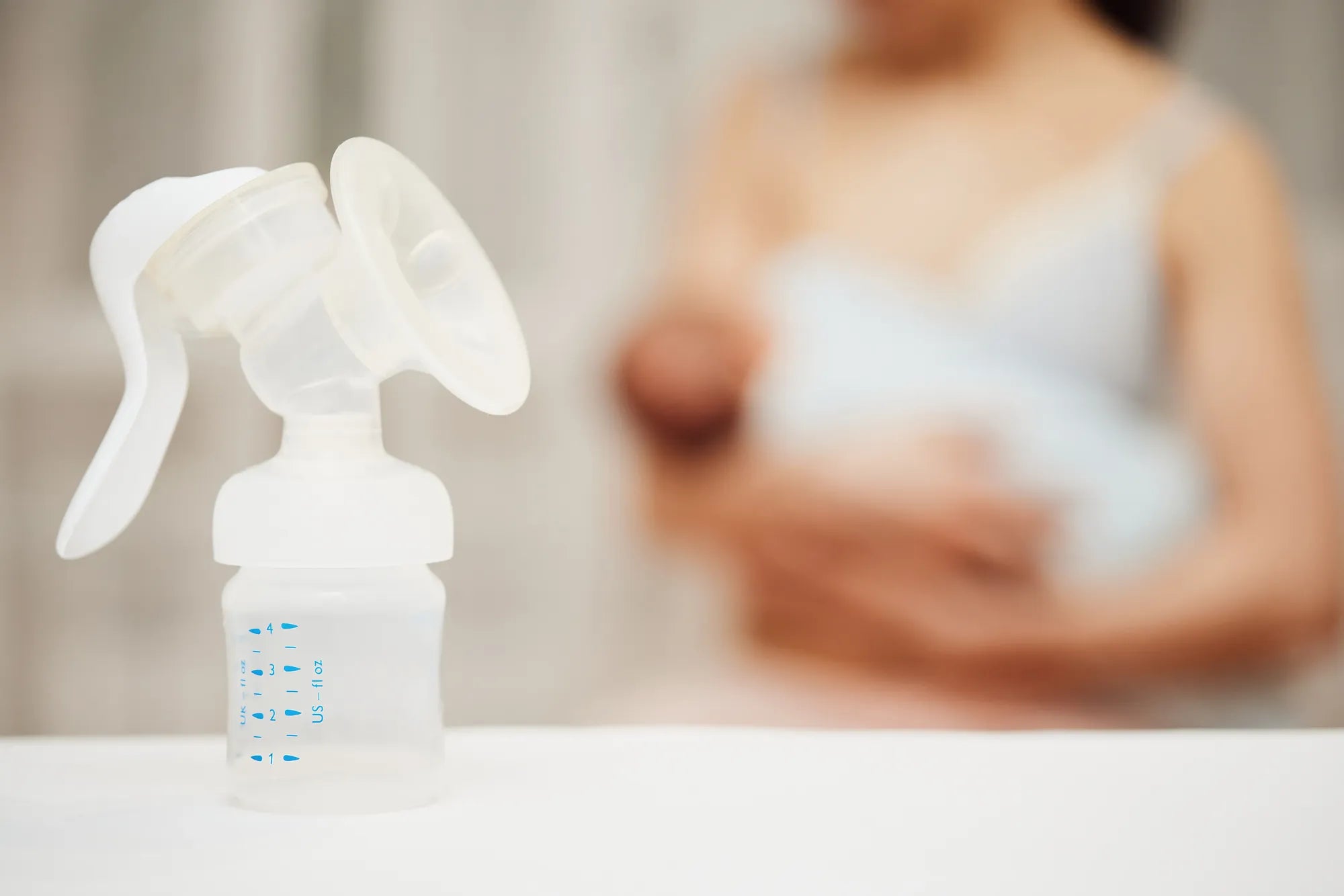
Does Using a Breast Pump Hurt? Exploring the Facts and Myths
Does using a breast pump hurt? This is one of the most common and pressing questions for new and expecting parents considering expressing milk. The short answer is: while you will feel a sensation, significant or ongoing pain is not normal and usually signals an issue that can be corrected. Discomfort during pumping is a widespread concern, often stemming from improper equipment use, incorrect settings, or underlying physical conditions—not from the act of pumping itself. This article will delve deep into the physiology of pumping, debunk prevalent myths, and provide a step-by-step guide to ensure your expressing journey is as comfortable and effective as possible. By understanding the facts, you can transform pumping from a dreaded chore into a manageable, even empowering, part of your feeding routine.
Understanding Breast Pump Sensation vs. Pain
The first critical step is distinguishing between normal sensation and genuine pain. A properly fitted and used breast pump should create a pulling, tugging, or milking sensation. This is the pump mimicking a baby's suckling rhythm to stimulate the let-down reflex and remove milk from the breast. It might feel unusual, especially initially, but it should not be sharp, stabbing, burning, or cause lasting soreness.
Pain, on the other hand, is your body's signal that something is wrong. Persistent pain can lead to stress, which inhibits oxytocin—the hormone responsible for milk ejection—thereby reducing milk output and creating a negative feedback loop. Recognizing this difference is crucial. Discomfort that subsides after the first minute or two as you adjust may be normal adjustment. Pain that continues, worsens, or causes damage to nipple tissue is a clear indicator to stop and troubleshoot.
The goal of modern pumping is efficient milk removal without trauma. Brands like MomMed design their pumps with this principle at the core, focusing on ergonomic fit and customizable settings to align with a mother's unique physiology. Understanding that pain is an exception, not the rule, empowers you to seek solutions rather than endure unnecessary discomfort.
Common Causes of Breast Pump Discomfort or Pain
When pain occurs, it typically points to one of several identifiable causes. Pinpointing the source is the first step toward resolution.
Incorrect Flange (Breast Shield) Size
This is the number one cause of pumping pain. The flange is the funnel-shaped part that fits over your nipple and areola. If it's too small, it will compress and rub the nipple, causing friction, blanching (turning white), and pain. If it's too large, it can draw excess areola and breast tissue into the tunnel, leading to stretching, swelling, and inefficient milk removal. Most pumps come with standard 24mm or 27mm flanges, but many women require a different size.
Improper Suction Settings
Using suction that is too high is a common mistake. The belief that “more suction equals more milk” is a pervasive myth. Excessive vacuum can cause nipple trauma, pain, and even damage to breast tissue. Effective pumping uses the lowest comfortable suction that effectively removes milk. The pump's stimulation (let-down) mode should be fast and light, while the expression mode is typically slower and stronger, but still within a comfortable range.
Poor Pump Fit and Positioning
If the flange isn't centered correctly on the nipple, or if the breast pump isn't held snugly against the breast, it can cause pinching and uneven pressure. Leaning forward or hunching over can also create physical strain. The nipple should move freely in the tunnel without rubbing the sides, and the flange should form a secure seal without digging into breast tissue.
Underlying Maternal Conditions
Sometimes, pain originates from a pre-existing or concurrent issue. Engorgement makes breast tissue taut and sensitive, making any touch or suction feel more intense. Mastitis (breast infection) or a clogged duct causes localized, often painful inflammation. Vasospasm (Raynaud's phenomenon of the nipple) results in painful nipple blanching and color changes due to blood vessel constriction, often triggered by cold or poor latch/pump fit.
How to Ensure a Comfortable Pumping Experience: A Step-by-Step Guide
Achieving a pain-free pump session is a matter of methodical preparation and adjustment. Follow this actionable guide.
Finding Your Perfect Flange Fit
Measure your nipple diameter without compression after pumping or feeding when it is at its most natural state. Use a ruler or a printable nipple sizing guide. The flange tunnel diameter should be 0-4mm larger than your measured nipple diameter. Signs of a good fit include: nipple moving freely without rubbing, only a small amount of areola drawn in, and comfortable, efficient pumping. MomMed offers multiple flange sizes with their pumps and provides detailed sizing guides to help mothers find their perfect match.
Mastering Suction Settings: More Isn't Always Better
Always start at the lowest or medium suction setting. Allow the pump's stimulation mode (fast, light cycles) to trigger your let-down reflex—you may see milk spray or drip. Once milk flow is established, switch to expression mode. Gradually increase the suction only to a level that feels effective but never painful. Your comfort zone is your efficiency zone. Pumps like the MomMed S21 Wearable offer 9 adjustable suction levels and 4 modes, allowing for precise customization to find your ideal setting.
The Importance of Positioning and Fit
Sit upright in a relaxed position. Center your nipple in the flange tunnel before turning the pump on. Ensure the flange lies flat against your breast to create a good seal. Use hands-on pumping techniques: gently massage your breasts before and during pumping, and use breast compression while pumping to help empty ducts fully and reduce session time. This can improve comfort and output significantly.
Creating a Relaxing Pumping Routine
Stress is the enemy of let-down. Create a ritual: drink water, look at photos or videos of your baby, listen to calming music, or use a warm compress on your breasts beforehand. Try to pump in a quiet, private space. Consistency in timing can also help your body anticipate and respond to the pump. A comfortable, quiet pump like MomMed's wearable models, which are designed for discreet use, can greatly reduce environmental stress.
MomMed's Approach to Comfort-First Pumping Technology
Innovation in breast pump design is fundamentally about improving maternal comfort and efficiency. MomMed engineers its products with a deep understanding of the common pain points discussed above.
Award-Winning, Ergonomic Design for a Natural Fit
The MomMed S21 Double Wearable Breast Pump is designed with a contoured, ergonomic shape that aims to sit comfortably against the breast and fit discreetly in a nursing bra. This design helps maintain a secure seal and proper alignment without the need for constant manual adjustment, reducing the risk of pinching and discomfort associated with poor positioning.
Customizable Sessions with Multiple Modes & Levels
Recognizing that every mother is different, MomMed pumps provide extensive customization. The S21 features 4 modes (Stimulation, Expression, Massage, Mixed) and 9 suction levels. This allows you to mimic your baby's unique nursing pattern, finding the precise rhythm and strength that works for your body, moving away from a “one-setting-fits-all” approach that often causes pain.
Ultra-Quiet, Hospital-Grade Performance
The motor in MomMed pumps is engineered for powerful yet quiet operation. A loud, jarring pump can increase anxiety and tension, physically hindering the let-down reflex. The quiet performance allows for more relaxed, discreet pumping sessions anywhere, contributing directly to physical comfort and mental ease.
Safety and Comfort in Every Material
All parts that come into contact with skin or milk are made from BPA-free, food-grade silicone and plastic. This ensures the materials are gentle on sensitive nipple skin, reduce irritation risk, and are completely safe for your baby. The soft silicone of the flanges and valves is designed to be comfortable during use.
Busting Myths: Separating Fact from Fiction on Pumping Pain
Let's dismantle some of the most persistent myths that cause mothers to endure unnecessary pain.
Myth 1: “Pumping is supposed to hurt a little, especially at first.”
Fact: Initial unfamiliar sensation is normal; persistent pain is not. Pain indicates a problem with fit, settings, or technique that needs addressing.
Myth 2: “You need the highest suction to empty the breast effectively.”
Fact: Effective milk removal is about rhythm, comfort, and stimulation, not brute force. Too-high suction can cause tissue damage and reduce output.
Myth 3: “All pumps feel the same; you just have to get used to it.”
Fact: Pump technology varies widely. Hospital-grade pumps, wearables, and models with more natural cycling patterns can feel significantly different. Finding one that suits your body is key.
Myth 4: “If it doesn't hurt, it's not working.”
Fact: This is a dangerous misconception. A well-fitted pump working correctly should be comfortable and efficient. Pain is a sign of dysfunction, not efficacy.
Pump Comparison: Key Features for Comfort
The table below compares general pump types and features that directly impact comfort, highlighting how specific designs address common pain points.
| Pump Type / Feature | Impact on Comfort | Considerations |
|---|---|---|
| Standard Electric Pump | Powerful but can be bulky. May have limited settings. | Ensure it has multiple suction levels and cycle options. Portability may cause hunching, leading to back/neck strain. |
| Wearable Pump (e.g., MomMed S21) | Ergonomic, cordless design allows natural movement and upright posture. Often quieter. | Discreetness reduces stress. Must ensure proper flange fit within the wearable cup. |
| Adjustable Flange Sizes | Critical for comfort. Reduces nipple friction and tissue damage. | Always measure your nipple. Brands like MomMed include multiple size options. |
| Multiple Modes (Stim/Express) | Mimics baby's nursing pattern, promotes better let-down with less strain. | Allows you to find the most comfortable, effective rhythm for your body. |
| Suction Level Range | Wider range (e.g., 1-9) allows finer tuning to personal comfort zone. | More control helps avoid the “too high” setting trap. |
| Material (BPA-Free Silicone) | Softer, gentler on skin, reduces irritation risk. | Essential for sensitive skin and baby safety. |
Frequently Asked Questions (FAQ)
Q: Is it normal to feel sore after the first time pumping?
A: Some initial tenderness can be normal as your nipples adjust to a new sensation. However, significant soreness, cracking, or bleeding is not. It often indicates incorrect flange size or too-high suction. Review your fit and settings, use purified lanolin or breast milk on nipples after pumping, and ensure your pump has a comfortable, gentle range like those offered by MomMed.
Q: How do I know if the pain is from the pump or something like a clogged duct?
A: Pump-related pain is usually directly linked to the pumping session—it starts with suction and is often centered on the nipple/areola. Pain from a clogged duct or mastitis is often a deep, aching, localized soreness or lump in the breast that persists outside of pumping sessions and may be accompanied by redness, warmth, or flu-like symptoms. If you suspect a clog or infection, continue to drain the breast (pumping can help), use warm compresses, massage, and consult a healthcare provider.
Q: Can using a breast pump damage breast tissue?
A> Not when used correctly. Using a pump with excessively high suction for prolonged periods or with a severely ill-fitting flange can cause nipple trauma, edema (swelling), or bruising. Following guidelines for proper fit, using comfortable settings, and limiting session length protects breast tissue. Quality pumps with safety features and pressure limits are designed to prevent damage.
Q: I experience a sharp, shooting pain during let-down. Is this normal?
A: Some women feel a tingling or “pins and needles” sensation during let-down, which is normal. A sharp, shooting pain, especially if it continues, could indicate vasospasm (blood vessel constriction), often triggered by cold or nipple trauma from poor latch/pump fit. Keeping warm, ensuring a perfect flange fit, and consulting with a lactation consultant or doctor can help manage this.
Q: I've tried everything and it still hurts. What should I do?
A> Do not suffer in silence. Your next step is to consult an International Board Certified Lactation Consultant (IBCLC). They can do a hands-on assessment of your pumping technique, flange fit, and observe a pumping session. They can also check for and help you manage any underlying physical issues like tongue-tie in your baby (which can affect nipple shape) or maternal vasospasm. Professional support is invaluable.
Empowering Your Pain-Free Pumping Journey
The evidence is clear: using a breast pump should not be a painful experience. Pain is a signal, not a standard requirement. By understanding the critical importance of correct flange sizing, mastering suction settings, and utilizing modern, comfortable technology, you can transform pumping into a manageable and positive part of your parenting journey. Brands like MomMed are committed to this mission, designing pumps that prioritize maternal comfort through ergonomic wearability, customizable settings, and safe materials. Remember, seeking help from lactation professionals is a sign of strength, not failure. Your comfort and well-being are essential to a sustainable and successful breastfeeding or expressing relationship. You deserve a pumping experience that supports you, not one that causes distress.
Ready to experience a new standard of comfort in your pumping routine? Shop the MomMed collection at mommed.com for all your breastfeeding and pregnancy needs. Explore the award-winning S21 Double Wearable Breast Pump and find the perfect fit for your journey, backed by detailed guides and a commitment to maternal comfort.