


Accueil
Pregnancy, Breastfeeding, and Pumping: The Ultimate Guide for Moms
Does Pumping Make Breast Saggy? The Evidence-Based Guide for Moms
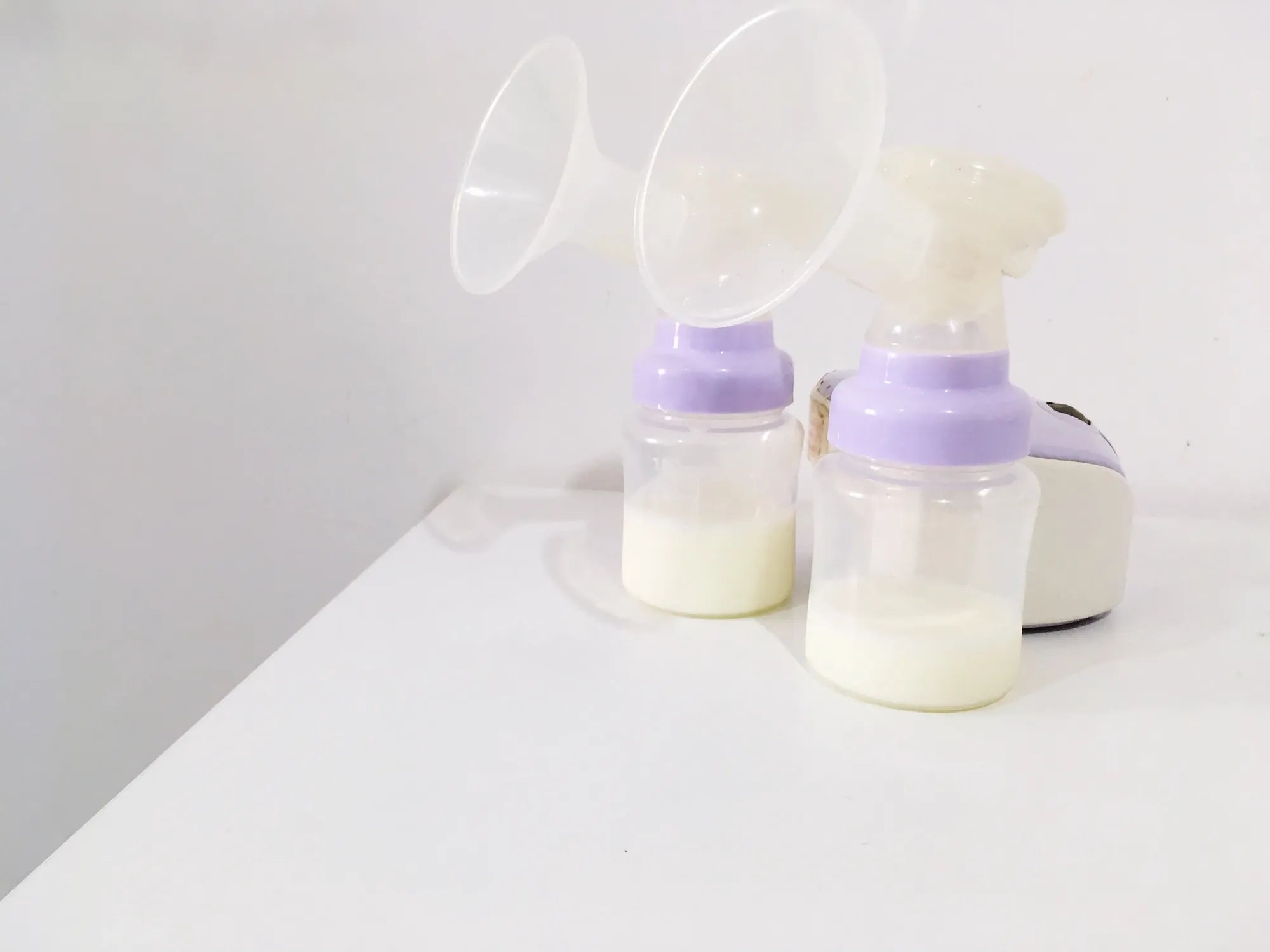
Does Pumping Make Breast Saggy? The Evidence-Based Guide for Moms
Introduction: Addressing a Common Concern with Compassion
If you're a breastfeeding or exclusively pumping mom, you've likely wondered about the changes in your body. The question "Does pumping make breast saggy?" is one of the most common and emotionally charged concerns. It's a worry that taps into societal pressures about appearance while you're focused on nourishing your baby.
This article exists to provide clarity, not anxiety. We will explore the anatomical facts, debunk persistent myths, and offer evidence-based guidance. The short answer, backed by medical research, is that the act of pumping itself does not cause breast sagging. The primary factors are pregnancy, genetics, and lifestyle. Understanding this empowers you to make informed choices without unnecessary fear.
Our goal is to shift the narrative from one of worry to one of informed confidence. By the end, you'll understand the real causes of breast changes and how to care for your body with kindness and science-supported practices during this remarkable chapter of motherhood.
Understanding Breast Anatomy and the Real Causes of Sagging
To understand sagging, medically termed ptosis, we must first look at breast structure. Breasts are not muscular; they are composed of glandular tissue (milk-producing lobules), fatty tissue, and connective ligaments called Cooper's ligaments. These ligaments act as an internal support bra, anchoring breast tissue to the chest wall. Skin elasticity provides the external envelope.
Ptosis occurs when these support structures stretch and skin elasticity diminishes. Multiple peer-reviewed studies point to consistent, primary causes. Genetics is the most significant factor, determining your baseline skin elasticity and ligament strength. Age naturally reduces collagen and elastin production. Significant and repeated weight fluctuations stretch skin and ligaments.
Critically, pregnancy itself is a major driver of change. Hormones like estrogen and relaxin cause ligaments throughout the body, including Cooper's ligaments, to loosen. Breast volume can increase dramatically, stretching skin. A landmark 2008 study in the Aesthetic Surgery Journal found that the number of pregnancies was a key predictor of ptosis, while breastfeeding history was not.
Other contributing factors include smoking, which breaks down collagen, and high-impact exercise without proper support. The common thread is that these factors affect the structural integrity of the skin and ligaments over time. The method of milk removal—whether by baby or pump—is not listed among these primary causes.
Pumping vs. Breastfeeding: A Mechanical Comparison
Many mothers wonder if the mechanical action of a pump is harsher than a baby's latch. Both involve creating suction to stimulate the let-down reflex and remove milk. A baby uses a peristaltic tongue motion and jaw compression, while a pump uses rhythmic, cyclical suction.
There is no clinical evidence that a properly used, high-quality breast pump causes more tissue trauma or sagging than direct breastfeeding. In fact, the suction from a baby can be quite strong. The key is that both processes are temporary states that do not permanently alter the foundational ligaments. The prolonged physical changes happen during pregnancy, not during the minutes or hours of daily milk removal.
Lactation consultants and OB/GYNs consistently state that the concern over pumping causing sagging is a myth. The International Board Certified Lactation Consultant (IBCLC) consensus emphasizes that encouraging feeding method choice based on this fear is not medically supported. The priority should be effective milk removal and maternal comfort, not the unfounded worry about long-term shape.
If pumping is painful or causes damage, it is almost always due to incorrect use, improper flange fit, or excessive suction settings—not the inherent nature of pumping. This highlights the importance of using well-designed equipment and seeking guidance, which we will cover next.
How to Support Your Breast Health During Your Pumping Journey
While pumping doesn't cause sagging, supportive practices can promote comfort, maintain skin health, and help you feel your best. Think of this as care for the amazing work your body is doing.
1. Wear a Supportive, Well-Fitted Bra: This is the single most impactful daily practice. A good nursing or pumping bra provides lift and reduces motion, which can minimize stress on skin and ligaments. Wear a supportive bra even at night during periods of engorgement. Get professionally fitted, as your size changes dramatically postpartum.
2. Prioritize Pump Comfort and Fit: The pump itself matters. Using a pump with customizable, gentle settings is crucial. For example, MomMed wearable pumps like the award-winning S21 Double Wearable Breast Pump feature multiple stimulation and expression modes with 9 adjustable suction levels. This allows you to find the most comfortable, effective setting that works for your body without resorting to excessive suction, which can cause nipple trauma and discomfort.
3. Ensure Perfect Flange Fit: An incorrectly sized flange is a leading cause of pain, low output, and tissue damage. The flange should surround your nipple without pulling areolar tissue into the tunnel. MomMed provides a detailed sizing guide and multiple flange sizes with their pumps, recognizing that this fit is personal and critical to a positive pumping experience.
4. Practice Gentle Care and Gradual Transitions: Avoid rapid weaning; gradually reduce pumping sessions to allow your milk supply to diminish slowly, which is more comfortable for your breasts. Keep breast skin hydrated with a pure, safe moisturizer. Maintain stable hydration and nutrition to support overall skin health.
5. Focus on Overall Wellness: A balanced diet rich in protein, vitamins C and E, and healthy fats supports skin elasticity. Staying hydrated is essential. Protecting skin from excessive sun exposure helps preserve collagen.
Debunking Common Myths: The Evidence Table
Let's visually separate fact from fiction. The table below consolidates common myths about breast sagging and contrasts them with the evidence-based reality.
| Common Myth | Evidence-Based Fact | Supporting Data / Explanation |
|---|---|---|
| Pumping causes more sagging than breastfeeding. | No clinical difference exists. The method of milk removal does not affect ligament integrity. | Studies show pregnancy, not lactation method, is the primary factor. Both involve similar suction mechanics. |
| Using stronger suction will empty breasts faster and prevent sagging. | False. Excessive suction can damage nipple tissue and cause pain. It does not prevent ptosis. | Effective milk removal relies on comfort and rhythm, not maximum power. Comfort-focused pumps like MomMed's are designed for efficiency without harsh suction. |
| Wearable pumps worn inside the bra cause more stretching. | Not with proper design. A well-crafted wearable pump is lightweight and secure. | MomMed wearable pumps are engineered with a low-profile, balanced design to be discreet and secure without pulling downward on breast tissue, unlike older, bulkier models. |
| Breasts will "snap back" after weaning if you don't pump. | Breast appearance post-weaning is largely determined by pre-pregnancy genetics and pregnancy changes. | It can take 3-6 months after weaning for breasts to settle into their new baseline. The final shape is your body's natural state after the profound changes of pregnancy. |
| Chest exercises can reverse breast sagging. | Exercises strengthen the underlying pectoral muscles, which can improve posture and the overall appearance of the chest wall, but cannot lift breast glandular tissue. | Strong pectorals provide a slightly lifted base, but they do not affect stretched skin or Cooper's ligaments. Exercise is for health and posture, not a ptosis cure. |
The Emotional Journey: Embracing Your Postpartum Body
Beyond the anatomy, there's an emotional landscape. Societal messages often equate a youthful breast shape with beauty, creating unnecessary anxiety for new mothers. It's vital to consciously reframe this narrative.
Your body has accomplished an incredible feat: growing and nourishing a human. The changes are badges of that journey, not flaws. Shifting focus from "prevention of sagging" to "celebration of function" can be profoundly liberating. Your breasts, however they look, have provided sustenance and comfort to your child.
Practicing self-compassion is as important as any physical care. Surround yourself with positive imagery and conversations about diverse, real postpartum bodies. Give yourself time to adjust. The body that emerges postpartum is different, and many women find a new sense of strength and respect for theirs.
If concerns about appearance are affecting your mental health, speak with a therapist or a supportive healthcare provider. Your well-being is holistic, encompassing both physical and emotional health.
Choosing the Right Tools: What to Look for in a Breast Pump
Since comfort and proper use are paramount, selecting the right pump is a key decision. Here’s what evidence and expert advice suggest you prioritize.
Adjustability: Look for multiple suction strength levels and cycle speeds. This allows you to mimic a baby's natural pattern and find your "goldilocks zone"—effective but never painful. MomMed pumps, for instance, offer this granular control to protect your comfort.
Flange Fit System: The pump should come with clear sizing guidance and multiple flange size options. A one-size-fits-all approach often leads to problems.
Closed System: A closed system prevents milk and moisture from backing into the motor, protecting hygiene and the pump's longevity.
Wearability & Design: If mobility and discretion are important, choose a wearable pump designed for balance and security. The MomMed S21 pump uses BPA-free, food-grade silicone and a streamlined design to sit securely in your bra without significant downward pull, addressing the specific concern about weight and fit.
Support and Warranty: Choose a reputable brand known for customer support. Access to lactation resources and a reliable warranty provide peace of mind.
Frequently Asked Questions (FAQ)
1. Does using a higher suction setting on my pump prevent sagging?
No, absolutely not. Using a suction setting higher than what is comfortable for you is counterproductive and potentially harmful. It can cause nipple trauma, vasospasms, pain, and damage to milk ducts. Effective milk removal is about comfort and rhythm, not force. A high-quality pump like those from MomMed provides a range of gentle yet effective settings to maximize output without risking injury.
2. I exclusively pump. Will my breasts sag more than if I nursed directly?
There is no physiological reason to believe this. The structural changes to your breasts were set in motion by pregnancy. Whether milk is removed by your baby's mouth or a pump flange does not impact the integrity of the Cooper's ligaments or skin elasticity. Your choice should be based on what works best for your and your baby's lifestyle and health.
3. How long after I stop pumping will my breasts settle into their final shape?
It's a process, not an instant event. After your last pumping session, it takes time for milk production to fully cease and for the glandular tissue to involute (shrink back). This can take several weeks to months. After that, residual hormonal shifts may continue for up to 6 months. Be patient and kind to your body during this transition.
4. Are there any specific bras or products that can help prevent sagging while pumping?
While no product can "prevent" the natural effects of pregnancy and genetics, a well-fitted, supportive bra is your best tool. Look for nursing/pumping bras with wide, supportive side panels and adjustable, non-stretch straps. Some mothers find light support bras comfortable for sleep. The goal is consistent, gentle support, not compression.
5. Can I do anything now to improve how my breasts look later after weaning?
Focus on the supportive health practices outlined: wear a great bra, maintain stable weight, moisturize skin, stay hydrated, and nourish your body. Strengthening your pectoral muscles with exercises like push-ups (modified as needed) or chest presses can improve posture and give the chest area a more toned appearance. Remember, your final shape is largely predetermined, but you can support overall tissue health and confidence.
Conclusion: Empowered Choices, Confident Motherhood
The evidence is clear and consistent: pumping does not cause your breasts to sag. The journey of pregnancy transforms your body, and genetics provides the blueprint for how it responds. The choice to pump—whether exclusively or in combination with nursing—is one of flexibility, empowerment, and dedication to feeding your baby. It should not be clouded by unfounded fears.
Your pumping journey should be as comfortable and sustainable as possible. By choosing equipment that prioritizes fit and gentle efficacy, like MomMed's innovative wearable pumps, and by practicing supportive self-care, you honor your body's work. You are navigating the profound and beautiful transition of motherhood.
Let your decisions be guided by facts, comfort, and what makes your life work, not by myths. Your strength, not the shape of your breasts, defines this chapter. For tools designed to support you with compassion and innovation, shop the MomMed collection at mommed.com for all your breastfeeding and pregnancy needs.