


Accueil
Pregnancy, Breastfeeding, and Pumping: The Ultimate Guide for Moms
Can You Put Freshly Pumped Breast Milk in the Freezer? The Complete Guide
Can You Put Freshly Pumped Breast Milk in the Freezer? The Complete Guide
Navigating Breast Milk Storage with Confidence
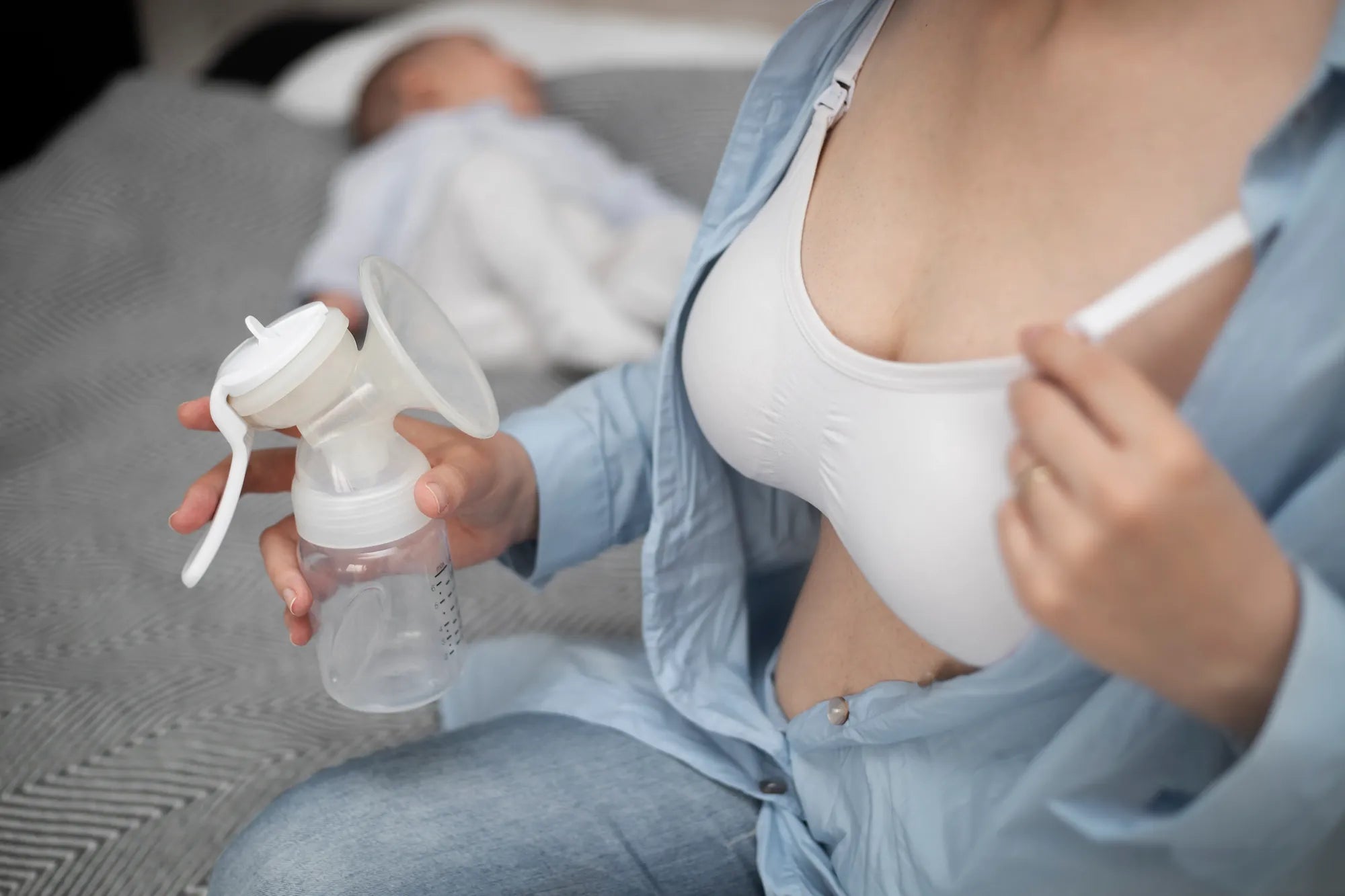
The question "Can you put freshly pumped breast milk in the freezer?" is a pivotal one for any pumping parent. Your expressed milk represents time, effort, and precious nutrition for your baby. Storing it incorrectly can lead to wasted milk and unnecessary stress. This guide delivers a clear, evidence-based roadmap for freezing breast milk safely, ensuring your liquid gold retains its immense value. We'll align this information with practical solutions, supporting you in your feeding journey with reliable knowledge and trusted products.
Proper storage is not just about convenience; it's about safeguarding your baby's health and honoring the work you put into pumping. The Centers for Disease Control and Prevention (CDC) and the Academy of Breastfeeding Medicine provide specific guidelines that form the backbone of safe practice. Understanding these protocols empowers you to build a freezer stash that provides flexibility and peace of mind, whether you're returning to work, managing occasional separation, or simply wanting a backup supply.
The process involves more than just placing a bottle in the cold. It encompasses the equipment you use, the timing of cooling, the type of container, and the organization of your stash. Each step, when done correctly, helps preserve the antibodies, fats, and living cells that make breast milk uniquely beneficial. This guide will walk you through each phase, explaining the "why" behind the "how" to give you full confidence in your routine.
As a brand dedicated to maternal and baby care, MomMed is committed to providing not only innovative products like our wearable breast pumps but also the foundational knowledge needed to use them effectively. Our goal is to support you from the moment you decide to pump through to safely feeding your baby, every step of the way.
The Short Answer: Yes, But Follow These Key Guidelines
Yes, you can and should freeze freshly pumped breast milk if you do not plan to use it within the recommended refrigerator timeframe. Freezing is an excellent method for long-term preservation, allowing you to store milk for up to 12 months in a deep freezer. However, the keyword is "properly." Placing warm milk directly into the freezer is a common mistake that can compromise the milk's quality and the efficiency of your appliance.
The critical rule is to cool the milk before freezing. Freshly pumped milk is at body temperature, around 98.6°F (37°C). Introducing a warm container to your freezer raises the internal temperature of the unit, which can temporarily affect other frozen foods and force the freezer to work harder. More importantly, rapid temperature changes can negatively impact some of the milk's delicate components. The correct protocol involves a deliberate cooling period in the refrigerator.
Following established guidelines ensures the milk retains its nutritional and immunological properties. The fats, proteins, carbohydrates, and most of the disease-fighting antibodies survive the freezing process well when it's done correctly. This makes your frozen stash a powerful resource for your baby's health, not just a caloric substitute.
Adhering to these steps also minimizes safety risks. Cooling milk quickly inhibits the growth of any bacteria that may be present. By moving from pump, to chill, to freeze in a systematic way, you create a safe, high-quality food source for your baby. The following sections will break down this systematic approach into actionable steps.
Step-by-Step: How to Properly Freeze Freshly Pumped Milk
Transforming freshly pumped breast milk into a securely frozen stash requires a specific sequence. Rushing or skipping steps can lead to freezer burn, nutrient degradation, or even spoilage. This step-by-step process is designed to maximize preservation and safety.
Step 1: Pump with Care Using the Right Equipment
It all starts with a clean expression. Always wash your hands thoroughly before handling pump parts or your breasts. Ensure all pump parts that contact milk—flanges, valves, membranes, and collection bottles—have been properly cleaned and sanitized according to the manufacturer's instructions. MomMed pumps, like the S21 Wearable, feature BPA-free, food-grade silicone and thermoplastic polyurethane parts that are designed for easy cleaning and sterilization, giving you a safe foundation.
Using a well-fitted pump is crucial. A flange that fits correctly ensures efficient milk removal and helps maintain your supply. An efficient pump, such as the award-winning MomMed S21 Double Wearable Breast Pump, allows for effective expression in a comfortable, discreet manner. The more effectively you empty your breasts, the higher the quality of the milk you express for storage.
Step 2: Choose and Prepare Your Storage Container
Your choice of container matters. You have two main options: breast milk storage bags or hard-sided containers made of glass or BPA-free plastic. Storage bags are space-efficient and designed for freezing, but it's vital to use bags specifically intended for breast milk. Hard-sided containers are more reusable and less prone to leaks but take up more freezer space.
Before filling, label your container with the date of expression and the volume (in ounces or milliliters). Always use waterproof ink. If your baby attends daycare or has any specific needs, include their name. This practice is non-negotiable for implementing a First-In, First-Out (FIFO) system later. Fill containers to no more than ¾ full to leave room for liquid expansion during freezing.
Step 3: Cool It Down (The Critical Step)
Do not put warm milk directly into the freezer. Instead, place the sealed, labeled container of freshly pumped milk in the back of the refrigerator, where the temperature is coldest and most stable. Allow it to chill thoroughly for 30 to 60 minutes. This gradual cooling brings the milk down to a refrigerator temperature (around 40°F or 4°C) before subjecting it to the deep freeze.
This step prevents "thermal shock" to both the milk and your freezer. It allows the freezer to maintain a consistent, very cold temperature (0°F / -18°C or lower), which is essential for optimal preservation. You can combine multiple pumping sessions within a 24-hour period in the refrigerator before freezing, but always cool the new milk separately first before adding it to already chilled milk.
Step 4: Freeze It Flat and Fast
Once chilled, transfer the container to the freezer. If using storage bags, lay them flat on a shelf or baking sheet. Freezing breast milk flat creates thin, brick-like slabs that freeze more quickly and uniformly, which better preserves quality. It also makes them incredibly space-efficient, allowing you to stack them like books on a shelf once solid.
Place the milk in the coldest part of the freezer, away from the door. The door is subject to temperature fluctuations every time it's opened, which can contribute to freezer burn and nutrient breakdown. For longest-term storage (up to 12 months), use a deep freezer (chest or upright) that maintains a more consistent temperature than a refrigerator's freezer compartment.
Understanding the Why: How Freezing Affects Breast Milk
Knowing the science behind the guidelines empowers you to make informed decisions. Freezing is a method of preservation, but it does induce some changes. Understanding these changes helps you appreciate the importance of proper technique.
Nutrient Preservation: What Stays and What Changes
The core macronutrients in breast milk—fat, protein, and lactose—remain largely intact through proper freezing and thawing. The calorie content and primary nutritional value are preserved. Importantly, many of the immunological components, including antibodies (IgA, IgG, IgM), enzymes (like lysozyme), and antimicrobial factors, also survive freezing, continuing to offer your baby protection against illness.
Some changes do occur. The freezing process can break down the fat globules in breast milk, which can lead to the release of more free fatty acids. This is partly why thawed milk may have a different smell (sometimes described as soapy or metallic) and why the fat may appear to separate. This is normal and safe. Gently swirling the warmed milk will reincorporate the fat. It's also noted that some living white blood cells (leukocytes) may not survive freezing as well, but the vast array of other immune benefits remains.
The Importance of Temperature Stability
A consistent, deep freeze is your stash's best friend. At 0°F (-18°C), bacterial growth is completely halted, and enzymatic activity that can break down fats and proteins is dramatically slowed. This stability is key to reaching the maximum safe storage duration.
Temperature fluctuation is the enemy. When the temperature rises, even temporarily, ice crystals in the milk can partially melt and then refreeze into larger crystals. These larger crystals can damage the cellular structure of the milk more than the initial, fine crystals formed during rapid freezing. This damage can accelerate the breakdown of nutrients and lead to freezer burn, which degrades quality and taste. This is why storing milk in the freezer door or in a frequently opened freezer is not recommended for long-term storage.
Best Practices & Pro-Tips for the Freezing Journey
Beyond the basic steps, these expert tips and best practices will help you optimize your system, save time, and reduce waste, making the process of freezing freshly pumped breast milk seamless and efficient.
Portion Control: Freeze in "Serve-Sized" Amounts
Avoid freezing large quantities in single containers. Most babies take between 2 to 4 ounces per feeding in the early months. Freezing in these smaller amounts prevents waste, as you only thaw what you need. Consider freezing the majority of your milk in 2-3 ounce portions. It's also wise to freeze a few larger portions (4-6 ounces) for times when your baby is going through a growth spurt or is particularly hungry.
If you use a wearable pump like the MomMed S21, you can pump directly into the included collection bottles, which have measurement markings. After cooling, you can pour the exact desired amount into a storage bag, minimizing spills and maximizing accuracy. This direct-from-pump-to-storage workflow reduces handling and contamination risk.
Organizing Your Milk Stash: The "First In, First Out" Rule
A disorganized freezer stash leads to milk being forgotten and exceeding storage timelines. Implement a simple rotation system. Designate a specific bin or basket in your freezer for breast milk. Always place newly frozen milk in the back of the bin and move older milk to the front. This visual cue makes it easy to grab the oldest bag or container first.
You can take organization further by using dated baskets or dividers—one for each month. Regularly audit your stash, perhaps once a month, to ensure you're using milk within the optimal windows and to plan your pumping goals accordingly. This systematic approach ensures your baby gets the freshest-tasting milk while none of your hard work goes to waste.
The MomMed Advantage: From Pump to Freezer Seamlessly
The right equipment can streamline the entire process. MomMed wearable pumps are designed with the full pumping journey in mind. The S21 Double Wearable Pump, for instance, is ultra-quiet and cord-free, allowing you to pump comfortably while handling the logistics of milk storage. Its easy-to-clean, dishwasher-safe parts transition smoothly from expression to storage preparation.
After pumping, the collected milk in the MomMed bottles can go straight into the fridge to cool. The secure, leak-resistant design of the system gives you confidence during that cooling period. By integrating a reliable, comfortable pump into your routine, the task of freezing freshly pumped breast milk becomes a natural, manageable part of your day, not a cumbersome chore. This supports consistent pumping, which is key to maintaining a healthy milk supply for the long term.
Thawing and Using Your Frozen Breast Milk Safely
Proper freezing is only half the equation; safe thawing completes the cycle. The goal is to thaw the milk in a way that preserves nutrients and ensures safety.
The safest method is to plan ahead and thaw milk overnight in the refrigerator. Place the frozen container in the fridge for approximately 12 hours. This slow thaw helps preserve the milk's integrity. If you need milk faster, you can hold the sealed container under cool running water, gradually increasing the water temperature to lukewarm. Alternatively, you can place the sealed container in a bowl or basin of warm water, changing the water every 10-15 minutes until thawed.
Never use a microwave to thaw or warm breast milk. Microwaving creates dangerous hot spots that can scald your baby's mouth and destroys valuable immune properties and nutrients. Once thawed, gently swirl (do not shake vigorously) the milk to mix the separated fat layers. Use thawed breast milk within 24 hours if thawed in the refrigerator, and within 2 hours if thawed at room temperature or in warm water. Once a baby has started feeding from a bottle of thawed milk, use it within 2 hours. Importantly, never refreeze breast milk once it has been thawed.
Breast Milk Storage: Container Comparison
Choosing the right storage vessel is a key decision. This table compares the two primary options to help you decide based on your needs.
| Feature | Breast Milk Storage Bags | Hard-Sided Containers (Glass/BPA-free Plastic) |
|---|---|---|
| Primary Use | Designed specifically for freezing | Can be used for fridge or freezer storage |
| Space Efficiency | Excellent (can be frozen flat and stacked) | Poor (take up more cubic space) |
| Risk of Leaks/Breaks | Higher risk of punctures or seam leaks | Very low risk if sealed properly |
| Cost & Eco-Friendliness | Lower upfront cost, single-use (less eco-friendly) | Higher upfront cost, reusable (more eco-friendly) |
| Ease of Labeling | Easy, usually have a designated label area | Can be difficult; may require tape or special markers |
| Recommended for Long-Term Freezer Stash | Yes, especially for large stashes due to space savings | Yes, but limited by freezer space; ideal for shorter-term or fridge storage |
Common Questions About Freezing Breast Milk (FAQ)
Q1: How long can you store freshly pumped milk in the freezer?
A: Storage duration depends on freezer type. In a standard refrigerator freezer compartment (with a separate door), store for up to 6 months. In a deep freezer (standalone unit consistently at 0°F / -18°C), you can store it for up to 12 months. These are guidelines for optimal quality; the milk remains safe but may experience more flavor and nutrient degradation over time.
Q2: Can I combine freshly pumped milk with already chilled or frozen milk?
A> You can combine milk from the same day, but with a critical rule: cool the freshly pumped milk in the refrigerator first. Never add warm milk to already cold milk, as it can raise the temperature of the stored batch. Once the new milk is chilled, you can pour it into the same container as other milk pumped that day. Do not add fresh milk to already frozen milk, as this can partially thaw the frozen stash.
Q3: What does thawed breast milk look/smell like? Is a metallic or soapy smell okay?
A: It's normal for thawed breast milk to appear separated, with a fatty layer on top. Gently swirling will mix it. A soapy, metallic, or even slightly rancid smell is often due to the action of the enzyme lipase, which breaks down fats. This milk is perfectly safe and healthy for most babies. If your baby refuses it, you can scald the milk (heat to 180°F/82°C until small bubbles form, then quickly cool) before freezing to deactivate the lipase.
Q4: Can I freeze milk that's been in the fridge for a few days?
A: Yes, you can freeze refrigerated milk as long as it is within the safe refrigerator window. The CDC recommends using refrigerated breast milk (at 40°F / 4°C or below) within 4 days, though some sources cite up to 5-8 days under very clean conditions. To freeze, ensure the milk has been kept consistently cold and freeze it well before that 4-day mark—ideally within 2-3 days. The clock for freezer storage starts from the time the milk was originally expressed, not the time it was frozen.
Q5: My frozen milk has a yellow or bluish tint. Is this normal?
A: Absolutely. Breast milk color varies naturally based on diet, foremilk/hindmilk balance, and storage. It can range from bluish-white to golden yellow. Frozen milk often appears more yellow. This color variation is normal and not a sign of spoilage. Spoilage is typically indicated by a consistently sour or unpleasant smell (different from soapy/metallic) that persists after swirling.
Empower Your Feeding Journey with Knowledge and the Right Tools
Freezing freshly pumped breast milk is a powerful strategy that provides flexibility, security, and continuity in your baby's nutrition. By following the clear steps of cooling first, choosing appropriate containers, freezing flat, and practicing organized rotation, you transform your pumping efforts into a valuable, long-lasting resource. Understanding the science behind the guidelines reinforces why each detail matters, from preserving antibodies to maintaining temperature stability.
This process, while detailed, becomes second nature with practice. Integrating it with reliable, thoughtfully designed equipment can remove friction and make it a sustainable part of your life. Whether you're building a stash for maternity leave's end or saving milk for occasional use, your knowledge and care ensure your baby benefits from the full nutritional and immunological power of your milk, even weeks or months later.
Trust in the effort you are putting forth. Each bag or container represents a commitment to your baby's well-being. Use this guide as a reference, listen to your body and your baby, and consult an International Board Certified Lactation Consultant (IBCLC) if you have specific concerns about supply, storage, or feeding.
At MomMed, we are here to support every step of this journey. From our award-winning, comfortable wearable pumps that help you express milk efficiently, to our BPA-free, easy-clean accessories, we design products that fit seamlessly into a mom's life. We believe that with the right information and the right tools, you can navigate the complexities of pumping and feeding with confidence and calm. Shop the MomMed collection at mommed.com for all your breastfeeding and pregnancy needs, and join a community of thousands of moms who trust us for innovative, reliable maternal and baby care solutions.