


Accueil
Pregnancy, Breastfeeding, and Pumping: The Ultimate Guide for Moms
Can You Pump Breast Milk Before Birth: A Complete Guide to Antenatal Expression
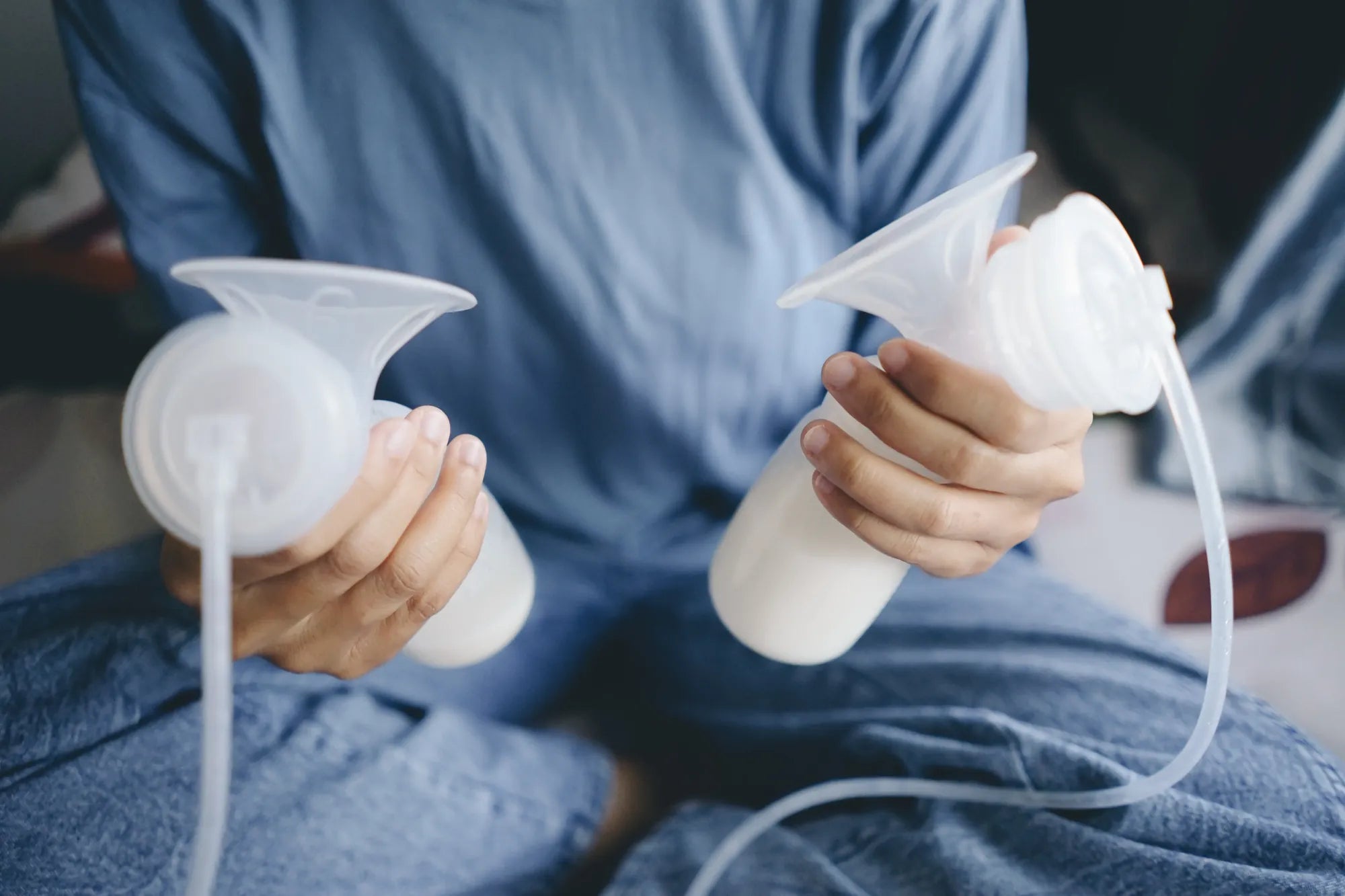
Can You Pump Breast Milk Before Birth: A Complete Guide to Antenatal Expression
You're nearing the end of your pregnancy, thinking ahead to feeding your newborn, and a question surfaces: can you pump breast milk before birth? The answer involves a nuanced practice known as antenatal colostrum harvesting (ACH), which is gaining attention among expectant parents seeking to prepare for their baby's first days. This guide will provide everything you need to know about expressing colostrum—the precious "liquid gold"—before your baby arrives, separating evidence-based fact from fiction, and outlining the critical safety considerations. We'll cover the why, how, and for whom this practice may be recommended, alongside practical steps for collection and storage, ensuring you have the knowledge to make an informed decision in partnership with your healthcare provider.
Understanding Antenatal Colostrum Harvesting (ACH)
Antenatal Colostrum Harvesting is the practice of gently hand-expressing small amounts of colostrum from the breasts during the final weeks of a healthy pregnancy. It is crucial to distinguish this from "pumping breast milk" before birth, as traditional electric or manual breast pumps are generally not recommended or used for this specific purpose during pregnancy. The goal is not to stimulate full milk production or "bring in" your mature milk, but to collect the colostrum already present.
Colostrum is the first form of milk produced, starting mid-pregnancy. It's a thick, concentrated fluid, often yellowish in color, packed with antibodies, immune factors, proteins, and vitamins. It acts as a powerful first vaccine and a perfect, easily digestible food for your newborn's tiny stomach. The volume expressed antenatally is typically small—measured in milliliters—but incredibly valuable.
The concept of ACH is about preparedness and creating a safety net. It allows parents to have a small, ready-to-use supply of their own colostrum stored safely for after birth. This can be particularly reassuring for those who anticipate potential challenges with initial breastfeeding or for babies who may need supplemental colostrum for medical reasons.
It's a proactive step that can empower you, reduce anxiety about early feeding, and ensure your baby receives the unique benefits of your colostrum even if direct breastfeeding isn't immediately possible. The process itself can also serve as a valuable education in hand-expression, a skill that is useful throughout your breastfeeding journey.
Why Consider Expressing Colostrum Before Birth?
The decision to harvest colostrum antenatally is a personal one, often made for specific, practical reasons centered on newborn health and parental peace of mind. Having a small reserve can be invaluable in several common postpartum scenarios.
First, it provides a ready source of nutrition if your baby experiences feeding difficulties in the first 24-48 hours. Some babies are sleepy, have a weak latch, or are separated from their parent for procedures. In these cases, your harvested colostrum can be given via syringe, cup, or finger-feeding, avoiding the need for formula as a first supplement and ensuring baby gets your antibodies.
Second, for babies at risk of low blood sugar (hypoglycemia)—common in infants of mothers with gestational diabetes, or those who are small or large for gestational age—colostrum is the ideal treatment. Feeding small, frequent amounts of colostrum can help stabilize blood sugar levels effectively.
Third, if your baby is expected to need special care in the Neonatal Intensive Care Unit (NICU), having your colostrum available immediately allows the medical team to start feedings with your milk right away, which is critical for gut protection and immune development in preterm or sick infants.
Finally, for mothers with health conditions that may impact milk supply initiation (e.g., Polycystic Ovary Syndrome, hormonal imbalances, previous breast surgery), or anatomical considerations like inverted nipples, ACH can help establish a small stash and provide confidence that your body is producing colostrum. It’s a tangible connection to your feeding journey before it officially begins.
Critical Safety Guidelines and Medical Approval
This is the most important section: antenatal expression should never be started without explicit discussion and approval from your midwife, obstetrician, or doctor. Nipple stimulation releases oxytocin, which can cause uterine contractions. In a healthy, low-risk pregnancy after 36-37 weeks, this is generally considered safe and unlikely to trigger labor, but medical supervision is non-negotiable.
ACH is typically only recommended after 36-37 weeks of gestation. Starting earlier is not advised due to the theoretical risk of preterm labor. Your healthcare provider will assess your pregnancy's risk level. It is contraindicated in pregnancies with conditions like placenta previa, a history of preterm labor, cervical insufficiency, or in multiple pregnancies (twins, triplets etc.), where the risk of stimulating contractions outweighs potential benefits.
The method matters for safety. Hand expression is the universally recommended technique for antenatal harvesting. It allows for gentle, controlled stimulation. Electric or manual breast pumps, like the MomMed S21 Wearable Pump, are designed for stronger, cyclical suction to remove larger volumes of mature milk and are not typically used before birth unless under very specific, direct instruction from a lactation consultant for unique medical reasons.
Always monitor your body. Stop expression immediately and contact your provider if you experience regular, painful contractions, any vaginal bleeding, or fluid leakage. The process should be comfortable and not cause pain. Safety for you and your baby is the absolute priority, making professional guidance the essential first step.
Step-by-Step Guide to Hand Expression and Collection
Preparation and Technique
Begin by washing your hands thoroughly. Create a relaxed environment—warmth can help, so a warm shower or applying a warm compress to your breasts for a few minutes beforehand may be beneficial. Have your collection supplies ready: sterile 1ml or 3ml syringes (without needles) are ideal, as they allow for precise measurement and easy storage and feeding.
Gently massage your breast in a circular motion, moving from the outer areas toward the nipple to encourage colostrum toward the ducts. Position your thumb and forefinger about 1-1.5 inches behind your nipple, forming a "C" shape. Press straight back toward your chest wall, then gently compress your thumb and finger together (without sliding them on the skin), and release. This is a rhythmic press-compress-release motion.
Rotate your finger and thumb around the nipple to express from different ducts. Expect only drops, not streams. It may take a few minutes for drops to appear. Collect drops directly into the syringe barrel by holding the tip against the breast. A session might last 5-10 minutes per breast, once or twice a day, as approved by your provider. Do not be discouraged if you collect very little or nothing on some days; this is normal and does not indicate your future milk supply.
Storing Your Harvested Colostrum
Immediately after collection, label the syringe with your name, the date, and time of expression. Place the syringe in a clean sealed bag or container in the refrigerator if you will freeze it within 24 hours. To freeze, place the labeled syringes upright in the freezer. Colostrum can be stored in a refrigerator for up to 48 hours (at 4°C or 39°F) and in a standard freezer for up to 3-6 months. For longer storage, a deep freeze is ideal.
To use, thaw frozen colostrum slowly in the refrigerator or by placing the syringe in a container of warm water. Never use a microwave, as it destroys valuable nutrients and creates hot spots. Once thawed, use within 24 hours and do not re-freeze. Bring this stored colostrum with you to the hospital or birth center in a cooler.
Addressing Common Questions and Concerns
Q: Will expressing colostrum before birth "use it up" so my baby won't get any?
A: No. Colostrum production is continuous until your mature milk "comes in" around days 2-5 postpartum. Harvesting small amounts antenatally does not deplete the supply. Your body will continue to produce it after birth, and your baby will stimulate further production through feeding.
Q: Can this practice induce labor?
A: When done after 36-37 weeks in a low-risk pregnancy with medical approval, the gentle stimulation of hand expression is very unlikely to induce labor. The oxytocin released is minimal compared to the levels during active labor or even skin-to-skin contact after birth. It is the safety precautions that make the practice viable.
Q: What if I don't get any colostrum?
A: This is common and does not predict your ability to breastfeed or pump after birth. Some colostrum is always present, but it can be difficult to express antenatally. The practice itself is still valuable for learning the hand-expression technique. Your milk supply is hormonally driven after the placenta is delivered.
Q: Is antenatal harvesting the same as pumping before birth?
A: Not exactly. "Pumping" typically refers to using an electric or manual pump. Antenatal harvesting is almost exclusively done via hand expression. Using a pump before birth is rarely recommended due to its stronger stimulation and different mechanism, which is designed for mature milk removal, not colostrum collection.
Q: Who is most likely to be advised to do this?
A: Healthcare providers often suggest ACH for mothers with gestational diabetes, babies with anticipated conditions like cleft lip/palate or Down syndrome, mothers with a history of low milk supply, those taking beta-blockers, or when mother-baby separation is expected (e.g., planned C-section, known infant surgery).
Antenatal Harvesting vs. Postpartum Pumping: A Comparison
| Feature | Antenatal Colostrum Harvesting (ACH) | Postpartum Pumping |
|---|---|---|
| Primary Goal | Collect small amounts of colostrum for a reserve stash before birth. | Remove mature breast milk to feed baby, build supply, or create a stash after birth. |
| Timing | Late pregnancy (36-37+ weeks). | After baby is born, once milk supply is established. |
| Recommended Method | Hand expression. | Electric pump (wearable or hospital-grade), manual pump, or continued hand expression. |
| Typical Volume | Drops to a few milliliters (mL) per session. | Ounces (30+ mL) per session, increasing over time. |
| Medical Approval Needed | Absolutely required. Contraindicated in some pregnancies. | Generally not required, but consulting an LC for a pump fit is advised. |
| Key Safety Concern | Potential uterine stimulation; must be low-risk pregnancy. | Proper flange fit to avoid nipple damage, maintaining supply. |
| Storage Vessel | Sterile 1ml/3ml syringes. | Breast milk storage bags, bottles. |
Preparing for Your Postpartum Pumping Journey
While antenatal harvesting focuses on colostrum, it's the first step in a longer feeding journey. Once your baby is born and your mature milk comes in, a comfortable, efficient breast pump becomes a vital tool for many parents. Whether you're returning to work, seeking shared feeding responsibilities, or needing to manage supply, the right pump makes all the difference.
This is where MomMed's expertise shines. Designed with the modern parent in mind, MomMed pumps like the award-winning S21 Double Wearable Breast Pump offer hospital-grade suction in a discreet, cordless, and ultra-quiet design. Their BPA-free, food-grade silicone components ensure safety for your milk, while features like multiple expression modes and adjustable suction mimic a baby's natural nursing pattern, supporting healthy milk supply.
Learning hand expression antenatally gives you a foundational skill. Postpartum, you can combine this knowledge with technology. A wearable pump allows you the freedom to move, care for older children, or simply relax while expressing milk, removing a significant barrier to successful long-term pumping. Ensuring you have the correct flange size—a service MomMed emphasizes with its sizing guides—is critical for comfort and efficiency, preventing issues like nipple pain or low output.
Think of antenatal colostrum harvesting as the preparatory chapter. Having your MomMed pump ready for the next chapter means you're fully equipped to navigate exclusive pumping, combination feeding, or creating a freezer stash with confidence and comfort from day one postpartum.
Conclusion: Knowledge Empowers Your Feeding Choices
So, can you pump breast milk before birth? The practice is more accurately termed antenatal colostrum harvesting—a safe, medically supervised option for collecting "liquid gold" in late pregnancy to support your newborn's first days. It's a powerful tool for preparedness, not a necessity for everyone. The cornerstone of the process is always an open conversation with your healthcare provider to ensure it's safe for your unique pregnancy.
This knowledge empowers you to enter the postpartum period with confidence, whether you have a small stash of colostrum or simply the skill of hand expression. Your feeding journey is yours to design, and being informed about all options—from antenatal harvesting to selecting the right postpartum pump—allows you to make the best choices for your family.
When you're ready for the next stage, MomMed is here to support you with innovative, reliable, and comfortable solutions. From mastering those first drops of colostrum to maintaining your supply with a wearable pump that fits your life, we provide the tools trusted by thousands of parents. Shop the MomMed collection at mommed.com for all your breastfeeding and pregnancy needs, and embark on your journey with confidence.