


Accueil
Pregnancy, Breastfeeding, and Pumping: The Ultimate Guide for Moms
Can You Mix Breast Milk from Same Pumping Sessions? The Complete Guide
Can You Mix Breast Milk from Same Pumping Sessions? The Complete Guide
Understanding the Basics of Breast Milk Storage and Combination
For pumping mothers, every milliliter of liquid gold is precious. The logistical puzzle of storing multiple small bottles from a single day can lead to a pressing question: can you mix breast milk from same pumping sessions? This is not just a matter of convenience but of safety, nutrition, and maximizing your hard-earned supply.
Handling expressed breast milk correctly is paramount to preserving its unique antibodies, living cells, and nutritional profile. The process of pumping, storing, and feeding involves careful steps to ensure your baby receives all the benefits without contamination. Combining milk seems like a logical way to simplify storage, but it must be done following specific, science-backed guidelines.
This guide will provide you with a definitive answer, rooted in recommendations from lactation experts and health organizations. We'll cover the golden rules for safe mixing, potential pitfalls to avoid, and practical tips to integrate this practice seamlessly into your routine. Understanding these principles empowers you to manage your milk stash confidently and efficiently.
Whether you're exclusively pumping or supplementing direct breastfeeding, mastering storage protocols is a key skill. It reduces waste, saves precious refrigerator space, and makes feeding times smoother. Let's start with the fundamental answer to the core question every pumping mom asks.
The Simple Answer: Yes, You Can Combine Milk from the Same Session
According to the Centers for Disease Control and Prevention (CDC) and the Academy of Breastfeeding Medicine, it is generally safe to mix breast milk expressed during the same pumping session. The primary reasoning is straightforward: milk pumped in one continuous session is at the same temperature and has been expressed under identical conditions, minimizing the risk of bacterial cross-contamination.
This practice is particularly useful when using a double electric pump like the MomMed S21, which may fill collection bottles unevenly. Combining the milk allows you to create full, ready-to-feed portions, making storage and bottle preparation more efficient. It's a common technique used by mothers worldwide to streamline their process.
The safety of this practice hinges on one critical factor: temperature consistency. The milk from the beginning and end of your 20-minute session, for example, is considered to be from the "same session" as long as it hasn't been subjected to different cooling environments mid-way. This forms the bedrock of safe mixing protocols.
It's important to clarify what constitutes "the same session." This typically refers to milk expressed during one continuous pumping period, even if you switch sides or take a brief pause. The clock for storage timing begins when you finish pumping, not when you start, for all milk from that session.
The Golden Rules for Safe Mixing: A Non-Negotiable Checklist
While the answer is yes, that "yes" comes with essential caveats. Following these golden rules is non-negotiable for protecting your baby's health and the integrity of your milk. Ignoring them can inadvertently promote bacterial growth, which is especially risky for newborns or premature infants.
These guidelines are designed to keep the milk cold chain intact and prevent the introduction of pathogens. Think of them as the safety protocol that makes the convenience of mixing possible. Let's break down each rule in detail, as they are the cornerstone of answering can you mix breast milk from same pumping sessions safely.
Cool to the Same Temperature First
This is the most critical rule. Freshly expressed breast milk is warm, around body temperature (98.6°F/37°C). You must never add warm, freshly pumped milk directly to a container of already chilled or frozen milk. Doing so can raise the temperature of the stored milk, bringing it into the "danger zone" (40°F to 140°F) where bacteria multiply rapidly.
The correct method is to cool the newly expressed milk in the refrigerator first. Place the collection bottle from your pump, like those used with the MomMed S12, in the back of the fridge for at least 30-60 minutes until it is thoroughly chilled. Once it is the same temperature as the refrigerated milk you wish to add it to, you can safely combine them.
This step ensures the entire batch remains at a safe, consistent cold temperature, halting bacterial growth. For mothers using wearable pumps, this means transferring the milk from the wearable collection cups to a storage bottle or bag before cooling it in the fridge prior to mixing.
Use Clean, Dedicated Containers
Hygiene is paramount. All containers used for storing and combining breast milk must be thoroughly washed in hot, soapy water and rinsed well, or sterilized. This includes pump parts, bottles, and storage bags. MomMed breast milk storage bags and bottles are made from BPA-free, food-grade materials specifically designed for this purpose.
When combining, use a new, clean storage container or the cleanest, most recently dated container as the primary vessel. Avoid repeatedly pouring milk back and forth between containers, as this increases the risk of contamination. Having a streamlined system with compatible parts reduces this risk significantly.
Labeling is part of this clean process. Before you even mix, have your labels ready. You will need to mark the combined batch with the correct date and time, a process governed by the next essential rule.
Follow the "First In, First Out" Rule and Label Accurately
Once milk from the same session is combined, you must date the new batch based on the earliest time you expressed any of the milk in that mixture. For example, if you pumped at 9 AM and again at 1 PM, cooled both, and combined them at 2 PM, the batch gets a 9 AM date.
This practice ensures you always use the oldest milk first, adhering to safe storage timelines. Clearly label the container with the date, time (using the earliest time), and total volume. This eliminates guesswork and prevents waste. Organized labeling is a simple habit that provides immense peace of mind.
The storage clock does not reset when you mix milk from the same day. The combined batch must be used or frozen within the refrigerator storage timeline from that initial, earliest pumping time. This rule maintains the safety standard for all the milk in your care.
When to Avoid Mixing Breast Milk: Scenarios for Caution
While mixing milk from the same session is standard practice, there are specific scenarios where it is wiser to keep batches separate. Adopting a cautious approach in these situations protects your baby's health and preserves milk quality. A good rule is: when in doubt, keep it separate and consult a lactation consultant or pediatrician.
Understanding these exceptions makes you a more informed caregiver. It's not just about knowing the rule, but understanding the principle behind it—maintaining the lowest possible risk of bacterial contamination and preserving the unique properties of each milk expression.
Milk from Different Days or Sessions with Large Temperature Gaps
Do not mix milk pumped on different days. Each day's milk has a slightly different composition tailored to your baby's needs at that time. More importantly, it resets the storage clock in a confusing and potentially unsafe way. A batch mixed from Monday and Tuesday's milk creates ambiguity about when it should be used by.
Similarly, avoid mixing refrigerated milk with already frozen milk. Partially thawing frozen milk to add fresh milk is unsafe, as it subjects the frozen portion to temperature fluctuations and potential bacterial introduction. Always freeze milk in the portions you plan to use later.
If you have small amounts from different sessions that you'd like to freeze together, the safest method is to chill each separately in the fridge, then combine them into a freezer bag or container just before freezing, labeling it with the earliest date.
If You Have Specific Health Concerns
If you are dealing with a breast infection like mastitis or are taking medications that pass into your breast milk, consult your healthcare provider before mixing batches. They may advise keeping milk from the affected breast or during medication periods separate for clarity.
For mothers of premature infants, newborns in the NICU, or babies with compromised immune systems, hospitals often recommend stricter protocols. These may include not mixing milk at all or following specialized guidelines. Always defer to the medical advice provided for your baby's specific needs.
If you suspect any batch of milk might be spoiled (sour smell, unusual taste), do not mix it with other milk. Discard it to avoid contaminating your entire supply. Trust your senses; breast milk that has gone bad is typically unmistakable.
Practical Step-by-Step Guide for the Pumping Mom
Let's translate these rules into a clear, actionable workflow. This step-by-step guide is designed for a mom using a pump like the MomMed S21 Double Wearable, integrating safety with the convenience modern pumps provide.
Step 1: During Your Pumping Session
Pump as usual into your clean collection bottles or wearable cups. If you are doing a particularly long session or have a large output that might fill one container, it's fine to use a second clean container during the same session. The key is that all milk from this continuous period is considered from the same session.
Wearable pumps offer the advantage of mobility, but remember that the milk in the cups is being kept at or near body temperature while you wear them. After pumping, proceed to handling promptly to begin the cooling process.
Step 2: Immediate Post-Pumping Handling
1. Transfer & Seal: Pour the milk from your pump collection bottles or wearable cups into clean storage bottles or MomMed storage bags. Seal the containers tightly.
2. Initial Cool: Immediately place these sealed containers in the back of your refrigerator (not the door) to chill. Allow them to cool for 1-2 hours until cold to the touch.
3. Combine: Once all milk from that session is chilled to the same temperature, pour the smaller amounts into one larger, clean storage container. Use a funnel to minimize spills.
4. Label: Mark the container with the date and time of the FIRST expression from that session and the total volume.
5. Store or Freeze: Place the combined batch back in the fridge for use within 4 days (the CDC recommendation for refrigerated milk) or transfer it to the freezer for long-term storage, ideally within 24 hours of pumping.
Maximizing Your Routine with the Right Pumping Gear
Safe milk handling is easier when your equipment supports your goals. Innovative, reliable products are designed to minimize steps and contamination risks, making practices like safe mixing more intuitive. The right gear provides a foundation of consistency and hygiene.
When your pump is efficient and comfortable, you express milk effectively, which is the first step in quality storage. Inconsistent or inefficient pumping can sometimes affect milk fat content and flow, making standardized storage practices even more valuable.
The Advantage of a Consistent, Hospital-Grade Pump
A pump like the award-winning MomMed S21 Wearable Breast Pump ensures efficient, complete milk removal through its hospital-grade suction technology. Consistent emptying helps maintain your supply and ensures the milk you express has a stable composition session to session, which is ideal for combining.
Its quiet, adjustable settings and comfortable, BPA-free silicone flanges make for a predictable pumping experience. When your sessions are effective and repeatable, the milk you produce is uniform, simplifying your storage decisions. A reliable pump is the first investment in a safe milk stash.
Streamlining Storage with a Compatible Ecosystem
MomMed’s product ecosystem is designed for seamless integration. The S21 and S12 pumps connect directly to standard narrow-neck bottles. After pumping, you can seal these same bottles with a storage cap, cool them, and later combine contents without unnecessary transfers.
Using compatible, pre-sterilized storage bags that easily attach to pump parts or allow for clean pouring further reduces handling. The fewer times you transfer milk between containers, the lower the risk of contamination. This integrated design philosophy turns the multi-step process of cooling and combining into a simple, fluid routine.
Frequently Asked Questions (FAQ)
Q1: Can I mix breast milk from morning and evening sessions on the same day?
A: Technically, they are different sessions. The safest practice is to cool each session's milk separately in the fridge. Once both are fully chilled (same temperature), you may combine them, but you MUST label the batch with the date and time of the *earliest* session (e.g., the morning time). This batch must then be used within 4 days of that morning pumping time.
Q2: I pumped into two separate bottles during one 30-minute session. Can I combine them?
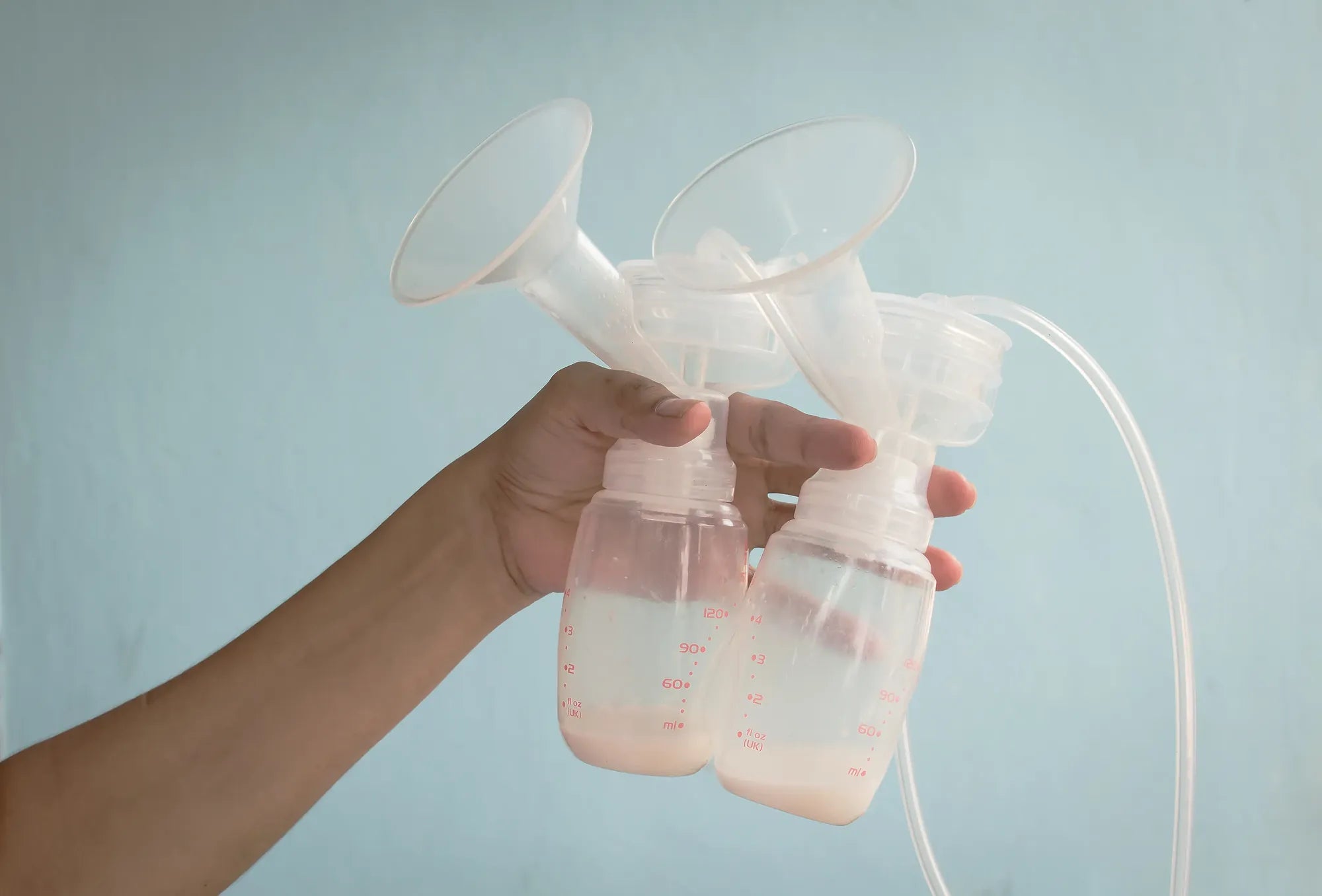
A: Yes, absolutely. This is a perfect example of when you can you mix breast milk from same pumping sessions. The milk in both bottles is from the same continuous expression period. Cool both bottles in the fridge, then combine them into one container once chilled, labeling it with your start or finish time for that session.
Q3: Does mixing milk from the same session affect the nutritional value or antibodies?
A: No, when done correctly (chilling first), mixing milk from the same session does not degrade its nutritional or immunological properties. The gentle swirling involved in combining does not harm the living cells or antibodies. The greater risk to these components comes from excessive heat or improper storage temperatures.
Q4: How much milk is "too little" to bother saving and mixing?
A> Every drop is valuable! It's very common to save small amounts (even 0.5 oz / 15 mL) from a session. Use a small, clean container (or a dedicated "mixer" bottle in your fridge) to chill these small amounts. Once you have 2-3 small chilled portions from the same day, you can combine them into a full feeding portion before freezing or using.
Q5: Can I add freshly pumped milk to a bottle my baby didn't finish from a previous feeding?
A> No. This is different from mixing freshly expressed milk. A bottle that has been fed from introduces bacteria from your baby's mouth. The CDC advises that any leftover milk from a feeding should be used within 2 hours and not be re-refrigerated or combined with fresh milk. Discard any unfinished milk after that window.
Comparison Table: Safe Mixing vs. Unsafe Practices
| Scenario | Safe Practice | Why It's Recommended |
|---|---|---|
| Milk from a single pumping session | YES, after cooling all portions to the same fridge temperature. | Minimizes containers, maintains uniform temperature, and simplifies storage. |
| Small chilled amounts from multiple sessions on the same day | YES, if all are chilled and labeled with the earliest date. | Redounces waste and creates usable portions. The "first in, first out" rule is maintained. |
| Adding warm milk to cold milk | NO. Never combine warm and cold milk. | Raises the temperature of the cold milk into the bacterial "danger zone," promoting spoilage. |
| Adding fresh milk to already frozen milk | NO. Keep frozen batches separate. | Thaws the frozen layer, creating uneven temperatures and potential for bacterial growth in the thawed portion. |
| Mixing milk pumped on different calendar days | NOT ADVISED. Keep daily batches separate. | Creates confusion over storage timelines and mixes milk with potentially different compositions. |
Conclusion: Empower Your Pumping and Feeding Journey
So, can you mix breast milk from same pumping sessions? The resounding answer, when following the golden rules of cooling first, using clean containers, and accurate labeling, is yes. This practice is a cornerstone of efficient milk management for countless pumping mothers. It transforms a fridge full of small bottles into an organized, ready-to-use stash, saving you time and reducing stress.
Your confidence grows when you understand the science behind the guidelines. Breast milk is resilient, but it thrives on consistent, cold temperatures and hygienic handling. By adopting these protocols, you honor the effort behind every pumping session and safeguard the quality of your baby's nutrition.
Pairing this knowledge with supportive, innovative tools makes the journey smoother. From a comfortable, efficient wearable pump that ensures complete expression to a compatible storage system that minimizes handling, the right gear empowers your choices. Trust your instincts, follow the evidence-based rules, and don't hesitate to reach out to a lactation consultant for personalized advice.
You are mastering the art and science of providing for your baby. For all your breastfeeding and pumping needs, from hospital-grade wearable pumps like the MomMed S21 to BPA-free storage solutions, shop the MomMed collection at mommed.com. We are here to support you with reliable, comfortable, and innovative products every step of the way.