


Accueil
Pregnancy, Breastfeeding, and Pumping: The Ultimate Guide for Moms
Can You Add Fresh Breast Milk to Already Pumped Milk? The Complete Guide
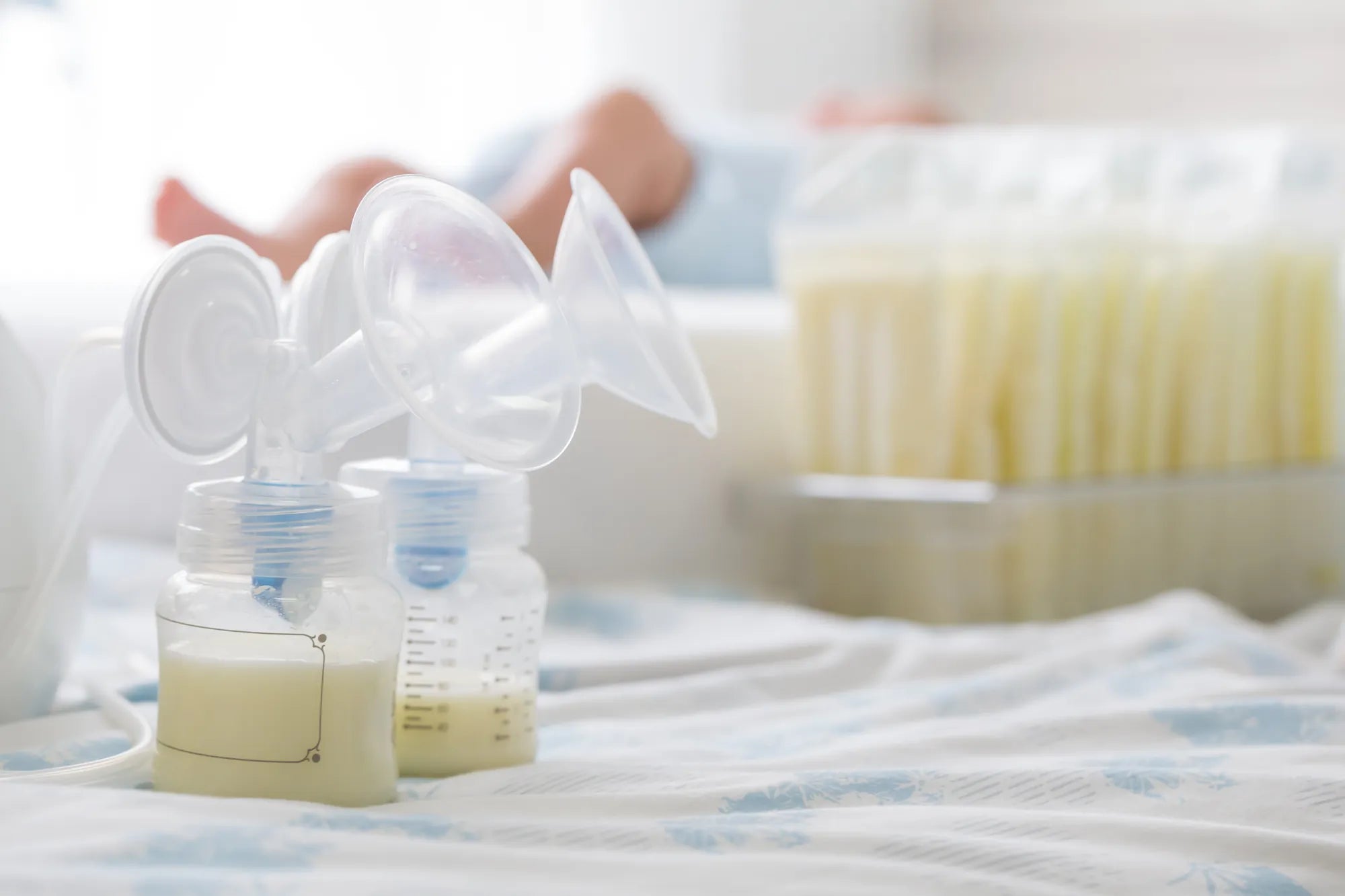
Can You Add Fresh Breast Milk to Already Pumped Milk? The Complete Guide
Introduction: Understanding the Basics of Combining Breast Milk
You've just finished a pumping session and notice yesterday's refrigerated milk sitting in a bottle. The fresh milk isn't quite enough for a full feeding, and the older milk is just a couple ounces short. The question arises: Can you add fresh breast milk to already pumped milk? This common scenario faces countless pumping parents, and the answer requires understanding crucial safety protocols.
Combining breast milk isn't as simple as pouring one liquid into another. Breast milk is a living substance containing antibodies, white blood cells, probiotics, and enzymes that protect your baby. Improper handling can compromise these components and potentially allow bacterial growth. This guide provides everything you need to know about safely mixing milk from different sessions.
Following evidence-based guidelines ensures your baby receives the full nutritional and immunological benefits of your milk. We'll explore the golden rules of temperature management, storage timelines, and practical pumping strategies. As a trusted maternal and baby care brand, MomMed specializes in supporting feeding journeys with reliable, innovative products like wearable breast pumps and safe feeding accessories.
Can you add fresh breast milk to already pumped milk? Yes—but only when you follow specific temperature and hygiene protocols. The core principle is cooling the fresh milk before combining it with previously cooled milk. Let's explore why this matters and how to do it correctly every time.
The Golden Rule: Temperature Matters Most
The fundamental safety principle for combining breast milk centers on temperature control. Breast milk expressed directly from the breast is approximately body temperature (98.6°F/37°C). This warm environment can encourage bacterial multiplication if introduced to cooler milk without proper precautions.
Adding warm, freshly pumped milk directly to refrigerated or frozen milk creates a dangerous temperature fluctuation. The warm milk raises the temperature of the colder milk, potentially bringing the entire batch into the "danger zone" (40°F–140°F/4°C–60°C) where bacteria multiply rapidly. This compromises safety and can degrade milk's beneficial components.
The proper method involves cooling the fresh milk to the same temperature as the stored milk before combining. This prevents thermal shock to the older milk and maintains consistent, safe temperatures throughout the combined batch. The Centers for Disease Control and Prevention (CDC) and the Academy of Breastfeeding Medicine endorse this practice when done correctly.
Always wash your hands thoroughly before handling milk containers. Use clean, sanitized bottles or milk storage bags specifically designed for breast milk. Never combine milk that has been previously warmed for a feeding or that has been at room temperature for over two hours with fresh or refrigerated milk.
Step-by-Step Safe Combining Method
Follow this precise sequence to ensure safety when combining milk from different pumping sessions. These steps minimize contamination risk and preserve milk quality.
First, immediately after pumping, pour the fresh milk into a clean storage container. Seal it properly and place it in the refrigerator. Allow it to chill for at least 30–60 minutes until it reaches the same temperature as your previously refrigerated milk (approximately 39°F/4°C). You can place the container in an ice bath for faster cooling if needed, but refrigeration is preferred.
Second, once both milks are at the same cold temperature, gently swirl (don't vigorously shake) each container to redistribute the fat layers that naturally separate during storage. Shaking can damage some of milk's delicate proteins and cellular components, while swirling gently reincorporates the fat.
Third, pour the two cooled milks together into your final storage bottle or feeding container. If using storage bags, you can pour one cooled milk into the other's bag, but ensure not to overfill. Label the combined batch with the date and time of the OLDEST milk portion, along with the total volume.
Finally, use the combined milk according to the storage timeline based on that oldest milk date. If not using immediately, return it promptly to the back of the refrigerator (the coldest part) or freeze it following proper freezing guidelines for previously refrigerated milk.
Navigating Storage Timelines: How Combining Affects the "Clock"
When you combine breast milk from different pumping sessions, storage timelines follow a specific rule: the combined batch adopts the expiration timeline of the oldest milk in the mixture. This conservative approach ensures maximum safety.
For example, if you combine 2 ounces of milk pumped on Monday with 3 ounces pumped on Tuesday, the entire 5-ounce batch should be used within the storage window calculated from Monday's pump date. This applies whether you're storing in the refrigerator or freezing. This rule exists because bacteria (though minimal in properly handled milk) from the older portion could theoretically multiply once introduced to the newer milk, even when both are cold.
Clear labeling is non-negotiable. Always mark containers with the date and time of expression and the volume. When combining, create a new label with the oldest date and the new total volume. This practice prevents confusion and ensures you use milk in the proper sequence—first in, first out.
Understanding these timelines helps you plan your milk stash effectively. It's often advisable to store milk in smaller portions (2–4 ounces) to minimize the need for combining and to reduce waste if a particular batch isn't used. MomMed offers BPA-free storage bags that are perfect for portioning and freezing, featuring clear labeling areas and a secure double-zip seal.
Refrigerator vs. Freezer Guidelines
The rules differ slightly depending on whether you're adding to refrigerated or frozen milk. This comparison clarifies the key protocols for each scenario.
| Scenario | Safe Protocol | Never Do This |
|---|---|---|
| Adding to Refrigerated Milk | Cool fresh milk in fridge first. Combine when temperatures equal. Use oldest milk date for timeline. | Add warm milk directly to cold milk. Use the newer milk's date for the timeline. |
| Adding to Frozen Milk | Cool fresh milk in fridge. Freeze it separately into a "cube" or small portion. Once frozen, add the frozen piece to the main frozen stash bag/container. | Pour cool liquid milk into a bag of frozen milk. Add warm milk to frozen milk (causes partial thaw). |
| Combining Two Frozen Batches | Only combine if both are fully frozen solid. Keep them in a freezer-safe bag or container. Use the oldest freeze date. | Thaw one batch to combine with another. Combine if either has ice crystals or signs of partial thaw. |
For freezer storage, the "freeze separately then combine" method is gold standard. Pump, chill the milk in the refrigerator, then pour it into an ice cube tray designed for breast milk or a small storage bag. Once solidly frozen (usually after 24 hours), you can pop the milk cube into a larger freezer bag containing other frozen milk portions. This prevents thawing the existing stash.
Remember that freezing does not kill bacteria; it merely pauses their growth. Thawing and refreezing creates temperature fluctuations that can degrade quality and safety. Therefore, once frozen milk is thawed in the refrigerator, it should be used within 24 hours and never refrozen.
Why Following These Guidelines is Essential for Your Baby's Health
These protocols exist not as arbitrary rules but as critical measures to protect your infant's vulnerable immune system. Breast milk's magic lies in its dynamic, living properties. It contains leukocytes (live white blood cells), immunoglobulins (like IgA), lactoferrin, lysozyme, and a unique microbiome of beneficial bacteria.
Improper temperature handling can inactivate some of these delicate components. For instance, excessive heat from adding warm to cold milk can damage antibodies. More critically, temperature abuse can allow any naturally occurring or introduced bacteria (from skin, pump parts, or environment) to multiply to unsafe levels, potentially causing gastrointestinal illness in your baby.
Preterm infants, newborns under three months, or babies with compromised immune systems are at particular risk. For these babies, some experts recommend even stricter handling, such as not combining milk from different days. Always consult your pediatrician or a lactation consultant for guidance tailored to your baby's specific health needs.
Following safe handling practices ensures your hard-earned "liquid gold" provides its intended full spectrum of benefits: optimal nutrition, immune protection, and tailored developmental support. It also provides peace of mind, knowing you're feeding your baby the safest possible milk.
Pumping Smarter: Tips to Simplify Your Routine
While combining milk is safe when done correctly, optimizing your pumping routine can minimize the need for frequent combining, saving time and reducing complexity. Efficient pumping involves comfort, effective emptying, and strategic planning.
Establishing a consistent pumping schedule helps regulate supply and often yields more milk per session, reducing the incidence of small, "top-off" amounts that need combining. Ensure you're using a pump with appropriate suction and cycle settings that mimic a baby's nursing pattern for optimal let-down and drainage.
MomMed supports this journey with products designed for efficiency and comfort. Their wearable pumps allow for mobility and hands-free operation, making it easier to stick to a schedule even during a busy day. Comfort is key—pain or improper flange fit can inhibit let-down and reduce output.
Practice good pump hygiene: clean all parts that contact milk after each use per manufacturer guidelines. Inspect pump parts regularly for wear, as cracked membranes or weakened valves can decrease efficiency. A well-maintained pump is a more effective pump.
The Advantage of a High-Capacity, Wearable Pump
A pump like the MomMed S21 Double Wearable Breast Pump can transform your routine by enabling complete, comfortable emptying in a single session. Its key advantage for minimizing combination needs is efficiency.
The S21 features adjustable suction levels and cycle speeds, allowing you to find the perfect rhythm to stimulate multiple let-downs and thoroughly drain the breasts. More complete emptying in one session often means a larger volume per bottle, reducing the need to pool small amounts from multiple short pumps later.
As a true wearable pump with no external tubes connecting to a motor, it offers unparalleled discretion and freedom. You can pump while preparing bottles, working, or caring for older children. This convenience makes it easier to pump for the full recommended duration (typically 15–20 minutes per side), leading to better output.
Constructed with BPA-free, food-grade silicone in all milk-contact surfaces, the S21 ensures safety. Its ultra-quiet operation and comfortable, flexible flanges make the process less stressful, which can positively impact milk ejection reflex. When you pump effectively the first time, you spend less time managing and combining small volumes.
Strategic Storage Planning
Proactive planning significantly reduces last-minute decisions about combining milk. Start by assessing your baby's typical feeding volumes. Store milk in amounts that match one feeding (plus a little extra for growth spurts). For many infants, this is 3–4 ounces per container.
Implement a clear rotation system. Place newly expressed, cooled milk behind older milk in the refrigerator. Always use the oldest milk first for the next feeding. This "first in, first out" system ensures no milk approaches its storage limit unexpectedly.
For freezing, consider a dedicated system. Some parents use a "freezer ladder": milk frozen on Day 1 goes into a bag labeled "Week 1," and so on. When ready to use frozen milk, pull from the oldest week. This avoids having a large stash where dates are unclear.
Keep a log if it helps—a simple note on your phone or a whiteboard on the fridge tracking dates and amounts. Planning the next day's bottles the night before allows you to pull and thaw exactly what you need, minimizing frantic combining before a hungry baby's cry.
The Science of Breast Milk Composition and Handling
Understanding what's in your milk underscores why handling matters. Breast milk composition changes during a feed (foremilk to hindmilk), throughout the day, and as your baby grows. It's precisely tailored to your infant's needs.
Freshly expressed milk contains live cells and active enzymes like lipase, which helps digest fats. Some mothers have high lipase activity, which can cause milk to develop a soapy or metallic smell/taste when frozen and thawed—this is safe but sometimes rejected by babies. Cooling milk quickly and freezing it immediately can slow this process.
The fat content naturally separates and rises to the top when stored. This is why gentle swirling is recommended over shaking. Research indicates vigorous shaking may oxidize some fats and potentially damage protein structures, though the nutritional impact is likely minimal. Swirling is the gentler, preferred method.
Milk also has anti-bacterial properties that help keep it safe for longer than other mammalian milks. However, these properties are not infinite. Contamination from improper handling, unclean pump parts, or temperature abuse can overwhelm these natural defenses. Your diligence in cooling and combining protocols supports milk's inherent safety features.
Common Questions Answered (FAQ)
Q: Can I mix milk from different days?
A: Yes, you can safely mix milk pumped on different days, provided both portions are cooled to the same temperature (refrigerator cold) before combining. The entire combined batch must then follow the storage timeline based on the date of the oldest milk in the mix.
Q: What if I only have a very small amount (like half an ounce) of fresh milk to add?
A: The same rule applies. Cool that small amount first. To chill it quickly, you can place the small container in a bowl of ice water for 10-15 minutes before adding it to the colder milk. Never add the warm "drops" directly, as they can create a localized warm spot conducive to bacterial growth.
Q: Is it okay to combine milk pumped from left and right breasts?
A: Absolutely. This is a common and recommended practice. In fact, pumping both breasts simultaneously (double pumping) is encouraged for efficiency and to help maintain supply. You can combine the output from both breasts into one container after cooling, as it's all from the same pumping "session."
Q: Can I add fresh milk to a bottle that my baby didn't finish from a prior feeding?
A: No. The CDC advises that any milk left in a bottle after a feeding should be discarded within two hours. Saliva from the baby's mouth introduces bacteria into the milk. Never add fresh milk to this partially consumed bottle, as it could contaminate the new milk.
Q: How does MomMed ensure the safety of its collection parts and bottles?
A: MomMed prioritizes infant safety. All parts that come into contact with breast milk—including flanges, valves, membranes, bottles, and storage bags—are made from certified BPA-free, food-grade materials. The silicone is medical-grade where applicable. This ensures no harmful chemicals leach into your milk, providing peace of mind from expression to feeding.
Conclusion: Confidence in Your Feeding Journey
Mastering the safe practice of combining breast milk empowers you to manage your stash efficiently without compromising your baby's health. Remember the cornerstone principle: always cool fresh milk to the same temperature as stored milk before combining, and always use the oldest milk's date for your storage timeline. These guidelines, backed by the CDC and lactation experts, protect the integrity and safety of your precious milk.
Your pumping journey is a significant labor of love. Equipping yourself with knowledge and the right tools makes it more manageable and less stressful. Whether you're exclusively pumping, supplementing, or building a freezer stash, handling milk correctly ensures every drop provides maximum benefit.
MomMed is committed to supporting you at every stage with innovative, reliable products designed with mom and baby in mind. From the discreet efficiency of the S21 Wearable Pump to safe, clear storage bags and comfortable nursing accessories, our goal is to make your journey smoother.
Shop the MomMed collection at mommed.com for all your breastfeeding and pregnancy needs. Explore award-winning pumps, accurate pregnancy tests, and essential baby care products—all designed to give you confidence and comfort as you nurture your little one.