


Accueil
Pregnancy, Breastfeeding, and Pumping: The Ultimate Guide for Moms
Can I Use a Breast Pump at 37 Weeks Pregnant? What You Need to Know
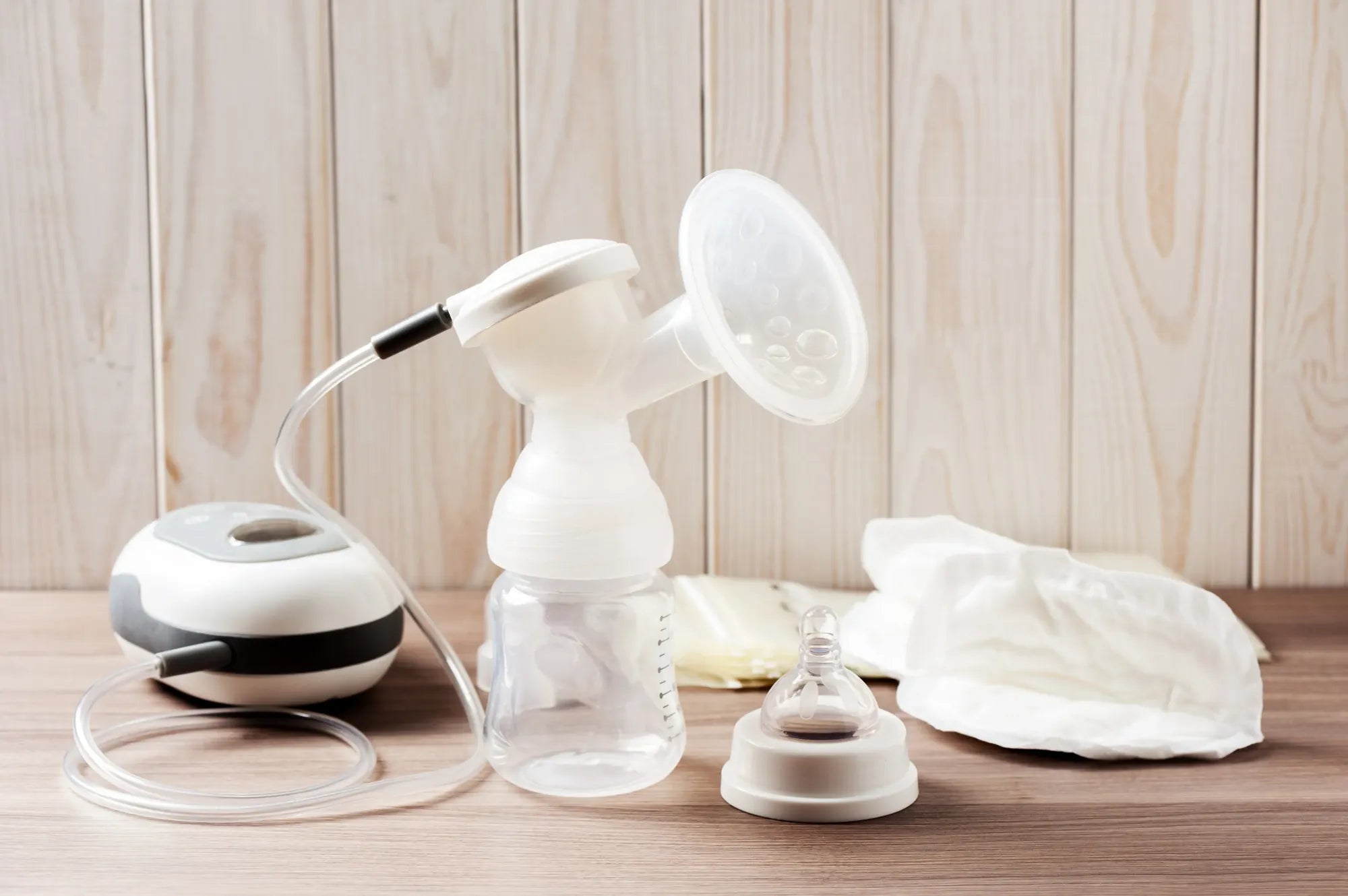
Can I Use a Breast Pump at 37 Weeks Pregnant? What You Need to Know
You're 37 weeks pregnant—full-term is within reach, and you're thinking ahead to breastfeeding. A common question arises: can I use a breast pump at 37 weeks pregnant to get a head start? The answer requires careful consideration of both potential benefits and significant risks. This guide cuts through the confusion with clear, data-driven information to help you make an informed decision in partnership with your healthcare provider.
We'll explore the medical reasons some mothers are advised to express colostrum early, the crucial safety concerns regarding uterine stimulation, and what the latest research says. You'll learn practical techniques for colostrum harvesting if approved, how to choose and use a pump safely, and alternative ways to prepare for your breastfeeding journey. Understanding the full context is essential for the health of both you and your baby.
Understanding the Physiology: Why 37 Weeks is a Critical Juncture
At 37 weeks, pregnancy is considered "early term." Your body is in the final stages of preparation for birth and lactation. The hormone progesterone, which has suppressed milk production, begins to decline. Meanwhile, levels of prolactin, the milk-making hormone, are rising. This hormonal shift can cause colostrum—the nutrient-dense "first milk"—to be present and sometimes even leak.
This biological readiness leads many to wonder about using a breast pump. However, the same stimulation that removes colostrum also triggers the release of oxytocin. Oxytocin is the hormone responsible for milk ejection, but it also causes uterine contractions. This dual effect is the core of the safety debate surrounding the question, can I use a breast pump at 37 weeks pregnant.
The key distinction is between spontaneous leakage, which is a passive bodily process, and active, deliberate stimulation with a pump. The latter creates a more significant and controlled oxytocin release. For a pregnancy without complications, this may not pose an issue, but it introduces a variable that must be managed under medical supervision.
Furthermore, colostrum production at this stage is typically small—measured in milliliters or even drops. The primary goal of any prenatal expression is to collect this liquid gold, not to "build supply," which is largely regulated by placental delivery. Understanding this physiological context is the first step in evaluating the practice.
Medical Indications: When Early Expression Might Be Recommended
In specific clinical scenarios, a healthcare provider may advise a mother to begin hand-expressing or, less commonly, very gently using a breast pump before delivery. This is known as Antenatal Colostrum Expression (ACE). It is never a casual recommendation but a targeted intervention.
The most common medical reason is gestational diabetes. Babies of mothers with GD are at a higher risk of hypoglycemia (low blood sugar) after birth. Having a store of colostrum ready to feed can help stabilize the newborn's glucose levels quickly if they struggle to latch immediately.
Other indications include a known history of low milk supply with a previous baby, conditions that may impact latch (like a known cleft palate), or if a planned Cesarean section or induction is scheduled. In cases where the mother is taking beta-blockers or has anatomical breast variations, collecting colostrum prenatally can be part of a proactive feeding plan.
It is critical to note that this is a prescription, not a permission. The provider will give specific instructions on technique, duration, and frequency. The decision to explore can I use a breast pump at 37 weeks pregnant should always originate from this clinical conversation, not from personal anxiety or online advice.
The Evidence: Weighing Potential Benefits Against Known Risks
Research on antenatal expression provides a nuanced picture. A 2017 systematic review published in the Journal of Human Lactation found that antenatal expression from 36 weeks, when done under guidance, was associated with higher rates of exclusive breastfeeding at hospital discharge and increased maternal confidence. Mothers felt they had a "back-up plan."
The primary tangible benefit is the creation of a small colostrum reserve. This can be invaluable if the baby needs supplementation for medical reasons, allowing the mother to avoid formula as the first food. It also provides practice in hand-expression, a valuable skill for the postpartum period.
However, the predominant risk remains the potential to stimulate labor. While major studies have not found a significant increase in preterm birth rates from gentle hand expression starting at 36-37 weeks, the theoretical risk persists. Overstimulation with a high-suction pump could potentially lead to prolonged, strong contractions.
Additional risks include maternal frustration if colostrum yield is low, unnecessary worry, and, if not stored properly, bacterial contamination of the precious colostrum. The evidence strongly supports that any benefit is only safely realized under a framework of professional guidance and with a focus on gentleness.
A Step-by-Step Guide: If Your Healthcare Provider Approves
If, after a thorough discussion, your doctor or midwife gives you the green light, follow their protocol precisely. Here is a general framework for safe practice, which typically prioritizes hand expression over pumping.
Step 1: Master Gentle Hand Expression
Hand expression is the gold standard for antenatal collection. It offers superior control over pressure and stimulation. Start by washing your hands thoroughly. Apply a warm compress to your breast for a few minutes to encourage let-down. Gently massage your breast.
Place your thumb and forefinger in a "C" shape about 1-1.5 inches behind your nipple. Press straight back towards your chest wall, then compress your fingers together, and finally roll them forward. The goal is not to squeeze the nipple, but to compress the milk sinuses behind the areola. Collect drops in a sterile spoon or directly into a 1mL sterile syringe.
Step 2: If a Pump is Advised, Use Extreme Caution
If your provider suggests incorporating a pump, it must be used with the utmost care. The setting should always be on the lowest, most gentle suction level—the stimulation or "let-down" mode only. Sessions should be brief, no more than 5-10 minutes total, and should stop immediately if you feel any cramping.
Choosing the right pump matters for comfort and safety. For postpartum use, many mothers prefer wearable pumps for their discretion and mobility. For instance, the MomMed S21 Double Wearable Breast Pump is designed with multiple, adjustable suction modes, allowing you to find a comfortable, effective rhythm after birth. Its BPA-free, food-grade silicone components ensure safety for your baby's milk. While its gentle settings could be considered for *postpartum* initiation, prenatal use requires specific medical instruction and the lowest possible setting.
Step 3: Proper Collection, Labeling, and Storage
Collect colostrum directly into sterile 1mL or 3mL syringes (without needles). Label each syringe with the date and time expressed. Place the syringes in a clean zip-top bag and freeze them immediately. Colostrum can be stored in a freezer for up to 6 months. Thaw it slowly in the refrigerator or by holding the syringe in your hand before feeding.
Pumping at 37 Weeks: A Comparison of Methods and Goals
| Factor | Hand Expression (Recommended) | Using a Breast Pump (Medical Guidance Only) |
|---|---|---|
| Primary Goal | Gentle collection of colostrum drops | Collection; sometimes recommended for specific nipple preparation |
| Control & Gentleness | High – you control all pressure | Medium – dependent on pump's lowest setting |
| Oxytocin Release Risk | Lower, due to manual control | Higher, due to consistent cyclic suction |
| Best For | All antenatal expression | Postpartum use; prenatal only if specifically advised |
| Yield Expectation | Drops to a few mLs per session | Similar; pumps are not more effective for colostrum |
| Skill Building | Teaches a vital postpartum skill | Familiarizes you with pump equipment |
Safer and Highly Effective Alternatives to Early Pumping
For most pregnant people at 37 weeks, the safest and most beneficial preparation lies in education and logistical planning, not physical stimulation. Channel your nesting energy into these zero-risk activities.
First, invest in a comprehensive breastfeeding class. Understanding the principles of latch, milk supply dynamics, and newborn feeding cues will build far more confidence than a few syringes of colostrum. Knowledge is your most powerful tool.
Second, use this time to research and acquire your postpartum breastfeeding gear. Having a reliable, comfortable pump ready to go is crucial. Explore the features of different models. For example, MomMed's wearable pumps, like the S21 or S12, are popular for their hospital-grade suction, ultra-quiet operation, and true hands-free design, allowing for bonding and mobility after your baby arrives. Setting up a nursing station with supplies like nipple cream, breast pads, and a comfortable pillow is excellent preparation.
Finally, practice relaxation and self-care. Stress can inhibit oxytocin and milk flow postpartum. Techniques like prenatal yoga, meditation, or simply resting are invaluable investments in your future breastfeeding relationship. The mental preparation is as important as the physical.
FAQ: Your Pressing Questions Answered
1. Will pumping at 37 weeks increase my overall milk supply later?
No. Your mature milk supply is primarily triggered by the delivery of the placenta, which causes a massive hormonal shift. While antenatal expression collects available colostrum, it does not "build" the future supply. Milk production operates on a demand-and-supply principle that truly begins after birth.
2. How much colostrum should I expect to collect per session?
Expect only drops or up to 1-3 mL total per session (combined from both breasts). Colostrum is highly concentrated, so even 0.5 mL is valuable. Yields vary daily; do not be discouraged by small amounts. This is normal physiology.
3. What if I leak colostrum naturally? Should I collect it?
Passive leakage is not a sign you should actively pump. You can use a breast shell or milk collector to catch this leaked colostrum without any stimulation. These devices, like those offered by MomMed, simply catch let-down and apply no suction, posing no risk of overstimulation.
4. Is it safe to use the highest pump setting to get more colostrum?
Absolutely not. Using high suction in an attempt to get more colostrum is dangerous. It significantly increases the risk of strong uterine contractions, nipple tissue damage, and pain. The mantra for any prenatal expression is "gentle and brief." This is a critical point when considering can I use a breast pump at 37 weeks pregnant.
5. When is it definitively safe to start using my breast pump?
It is universally considered safe to begin using your breast pump after your baby is born. For most, this is once breastfeeding is established, often around 2-4 weeks postpartum, unless you need to pump sooner due to separation or latch issues. Your MomMed pump, with its comfortable flanges and adjustable settings, is designed to support you seamlessly from that postpartum point forward.
Conclusion: Informed Choices for a Healthy Start
The desire to prepare and provide for your baby is powerful. When asking can I use a breast pump at 37 weeks pregnant, the most responsible answer is: only with explicit guidance from your healthcare provider for a specific medical reason. For the vast majority of pregnancies, the safest path is to wait for your baby's arrival, using the final weeks of pregnancy to build knowledge, gather resources, and rest.
Your breastfeeding journey is about to begin. Equip yourself with reliable tools and information. When you're ready, trusted products like MomMed's award-winning, comfortable breast pumps and feeding accessories are designed to support you every step of the way, helping to make your postpartum experience as smooth and confident as possible. Focus now on your well-being and the exciting meeting ahead.
Shop the MomMed collection at mommed.com for all your breastfeeding and pregnancy needs. From wearable pumps to prenatal test kits, find the reliable, innovative support trusted by thousands of moms.