


Accueil
Pregnancy, Breastfeeding, and Pumping: The Ultimate Guide for Moms
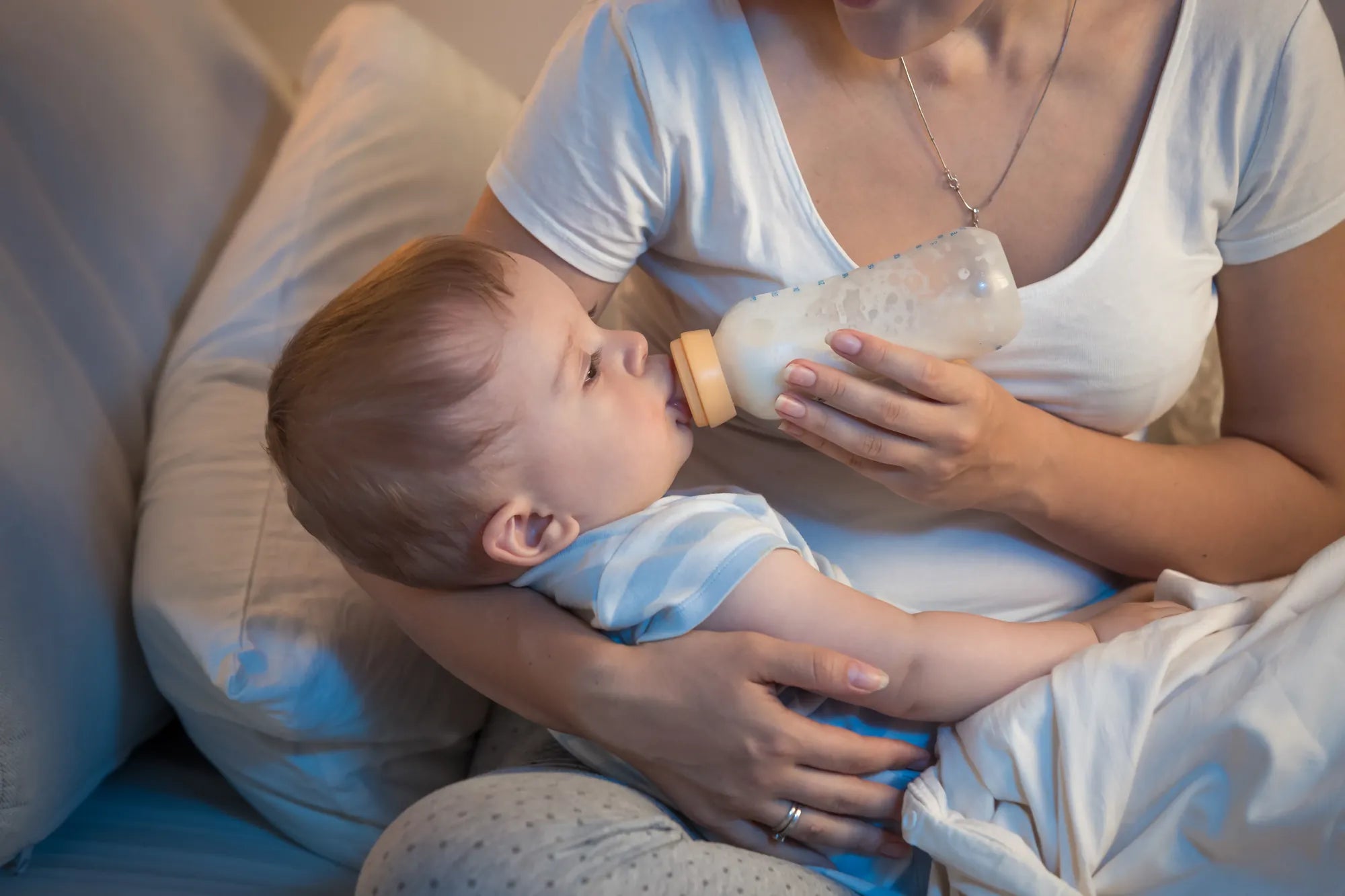
Can I Store Pumped Breast Milk in a Bottle? A Complete Guide for Moms
Can I Store Pumped Breast Milk in a Bottle? A Complete Guide for Moms
Introduction: Storing Your Liquid Gold Safely and Conveniently
Every drop of pumped breast milk represents time, dedication, and immense care. It's only natural to want to store this precious "liquid gold" in the most convenient and safe way possible. For many moms, the immediate container at hand is often a feeding bottle. This leads to the central, practical question: Can I store pumped breast milk in a bottle?
The short answer is a resounding yes, but doing so safely requires specific knowledge. This comprehensive guide provides everything you need to know about storing breast milk in bottles, from selecting the right container to mastering fridge and freezer guidelines. We'll combine the latest evidence-based recommendations from health authorities with practical tips to give you confidence and peace of mind in your feeding journey.
The Short Answer: Yes, But With Critical Guidelines
You can absolutely store pumped breast milk in a bottle, provided you follow established safety protocols. The safety of your stored milk hinges on three pillars: the type of bottle material, the storage duration at specific temperatures, and impeccable hygiene during handling.
Using a bottle for storage is particularly convenient for milk destined to be used within a few days, as it minimizes transfers between containers. However, not all bottles are created equal for this purpose. The container must be food-grade, designed for storage, and in excellent condition.
Adhering to guidelines from the Centers for Disease Control and Prevention (CDC), the American Academy of Pediatrics (AAP), and the Academy of Breastfeeding Medicine is non-negotiable for protecting your baby's health. These rules are designed to preserve the milk's nutritional and immunological properties while preventing bacterial growth.
Choosing the Right Bottle for Breast Milk Storage
Selecting an appropriate bottle is your first critical step. The ideal storage bottle is made from food-safe, BPA-free materials and features a secure, airtight seal. Common options include glass, BPA-free plastic, and silicone.
Glass bottles are inert, don't retain odors or stains, and are easy to sterilize. Their downside is weight and the risk of breakage. BPA-free plastic bottles (often made from polypropylene or PES) are lightweight and shatterproof but can scratch over time, harboring bacteria. Food-grade silicone bottles, like those used with MomMed wearable pumps, are flexible, durable, and typically free from harmful chemicals.
Always ensure the bottle's lid or cap creates a perfect seal. Check for any cracks, cloudiness, or worn threads that could compromise integrity. Bottles specifically marketed as "storage bottles" often have measurement markings and wider mouths for easier filling and cleaning.
As a trusted maternal care brand, MomMed designs its pumping accessories and compatible bottles with storage in mind. Their products use BPA-free, food-grade silicone that is safe for direct milk contact, ensuring no harmful chemicals leach into your milk during storage.
The Complete Guide to Storage Times: From Room Temp to Freezer
Temperature is the single greatest factor determining how long you can safely store breast milk. These timelines are for milk handled hygienically from the start; fresh milk cooled quickly lasts longest.
| Storage Location | Temperature | Safe Duration for Fresh Milk | Key Considerations |
|---|---|---|---|
| Room Temperature | Up to 77°F (25°C) | Up to 4 hours | Ideal for immediate feeding. Keep covered and away from heat/sun. |
| Refrigerator | 39°F (4°C) or colder | Up to 4 days | Store at the back, not in the door. Use oldest milk first. |
| Freezer (compartment inside fridge) | Varies | Up to 2 weeks | Temperature fluctuates with door openings. Not ideal for long-term. |
| Deep Freezer (standalone) | 0°F (-18°C) or colder | 6 to 12 months (optimal within 6) | Best for long-term storage. Leave headspace for expansion. |
For thawed milk previously frozen: use within 24 hours if thawed in the refrigerator, and do not refreeze. If milk has been thawed using warm water, feed it immediately. Never store thawed milk at room temperature for extended periods.
Step-by-Step: How to Properly Store Pumped Milk in a Bottle
Following a consistent process minimizes contamination risk and maximizes milk quality. Here is your step-by-step checklist for storing pumped breast milk in a bottle.
Step 1: Prep with Clean Hands and Equipment. Wash your hands thoroughly before expressing or handling pump parts. Assemble a clean breast pump. MomMed wearable pumps, like the S21, feature closed-system designs and dishwasher-safe parts to simplify this crucial hygiene step.
Step 2: Cool Before Combining (The "Cool-Down Rule"). If you wish to combine milk from multiple pumping sessions within the same day, cool the newly expressed milk in the refrigerator for about an hour first. Then, you can add it to already chilled milk in the storage bottle. This prevents warming the older batch.
Step 3: Label Clearly and Accurately. Use waterproof labels or tape. Include the date and time of expression and your baby's name if going to daycare. Always practice "first in, first out"—using the oldest stored milk first.
Step 4: Store Strategically in Fridge/Freezer. Place bottles at the back of the refrigerator or freezer, where temperatures are coldest and most stable. Avoid the door shelves. If freezing, fill bottles only ¾ full to allow for expansion, and leave the cap slightly loose until solid, then tighten.
Bottle Storage vs. Breast Milk Storage Bags: A Practical Comparison
Choosing between bottles and specialized bags depends on your storage goals. Here’s a breakdown to help you decide.
| Aspect | Storage Bottles | Storage Bags |
|---|---|---|
| Space Efficiency | Take up more freezer space; rigid shape. | Lay flat; ideal for maximizing freezer space for a large stash. |
| Cost & Reusability | Higher upfront cost, but reusable (eco-friendly). | Lower cost per unit, but single-use (less eco-friendly). |
| Risk of Leaks/Spills | Very low with a secure seal; stable. | Higher risk if not sealed properly or if punctured. |
| Ease of Thawing & Warming | Can often be warmed directly; less transfer. | Typically requires pouring into a bottle after thawing. |
| Best For | Short-term fridge storage (1-4 days), milk for immediate use, minimizing container transfers. | Building a long-term freezer stash, saving space, storing smaller volumes. |
For many moms, a hybrid system works best: use bottles for milk earmarked for the next few days' feedings, and use pre-sterilized bags for freezing excess milk for future use.
Warming and Using Stored Milk from a Bottle Safely
Proper thawing and warming preserve nutrients and ensure safety. The safest method is to thaw frozen milk overnight in the refrigerator. For quicker thawing, hold the sealed bottle under lukewarm running water or place it in a bowl of warm water.
Never use a microwave to heat breast milk. Microwaves create dangerous "hot spots" that can scald your baby's mouth and destroy valuable immunological components in the milk. Gently swirl the bottle to redistribute the fat that has separated and risen to the top—avoid vigorous shaking.
Test the temperature by dripping a few drops on the inside of your wrist; it should feel lukewarm, not hot. Once warmed, use the milk within 2 hours. Never refreeze thawed milk. If your baby doesn't finish a bottle, it's generally recommended to discard the leftovers within 1-2 hours to avoid bacterial growth from their saliva.
FAQs: Your Top Questions on Bottle Storage, Answered
Can I add fresh pumped milk to already refrigerated milk in a bottle?
Yes, but follow the "cool-down rule" mentioned earlier. Chill the newly expressed milk in the refrigerator separately for about an hour before adding it to the older, already cold milk. This prevents raising the temperature of the entire batch, which could encourage bacterial growth.
How full should I fill the bottle before freezing?
Only fill the bottle ¾ full. Breast milk expands as it freezes. Leaving this headspace prevents the bottle from cracking or the lid from popping off due to pressure.
Can I store milk in the bottle I just pumped into?
Absolutely, if it's designed for storage. This is one of the key conveniences of using a bottle. For instance, with a MomMed wearable pump, you can pump directly into a compatible, sealable bottle, cap it, label it, and place it in the fridge—minimizing handling and contamination risk.
My milk separated into layers in the bottle. Is it spoiled?
No, separation is completely normal. Breast milk naturally separates into a fattier cream layer and a milkier layer when stored. Gently swirl the bottle to mix it back together. Shaking vigorously is not recommended as it may break down some of the milk's delicate proteins.
Is it safe to store breast milk in bottles with disposable liners?
It is not recommended. Disposable bottle liners are often too thin and not designed for storage; they can leak, tear easily, and may not be sterile. For safe storage, use bottles made of durable, food-grade materials or bags specifically manufactured and pre-sterilized for breast milk storage.
Conclusion: Empower Your Feeding Journey with Knowledge
Storing pumped breast milk in a bottle is not only possible but can be a highly efficient part of your routine when done correctly. The key lies in choosing safe, BPA-free containers, adhering strictly to time and temperature guidelines, and maintaining scrupulous hygiene from pump to feed.
Having the right tools makes all the difference. From the initial expression with a comfortable, efficient wearable pump to secure storage in compatible bottles, every step should support your well-being and confidence. Trusted by thousands of moms, MomMed is committed to this mission with innovative, reliable products designed for every stage of motherhood.
You now have the comprehensive knowledge to store your liquid gold safely. Trust this guidance, trust your instincts, and feed your baby with confidence. For breast pumps, bottles, and accessories that seamlessly integrate into your safe storage practice, shop the MomMed collection at mommed.com for all your breastfeeding and pregnancy needs.