


Accueil
Pregnancy, Breastfeeding, and Pumping: The Ultimate Guide for Moms
Can I Pump When My Breasts Are Engorged? A Comprehensive Guide
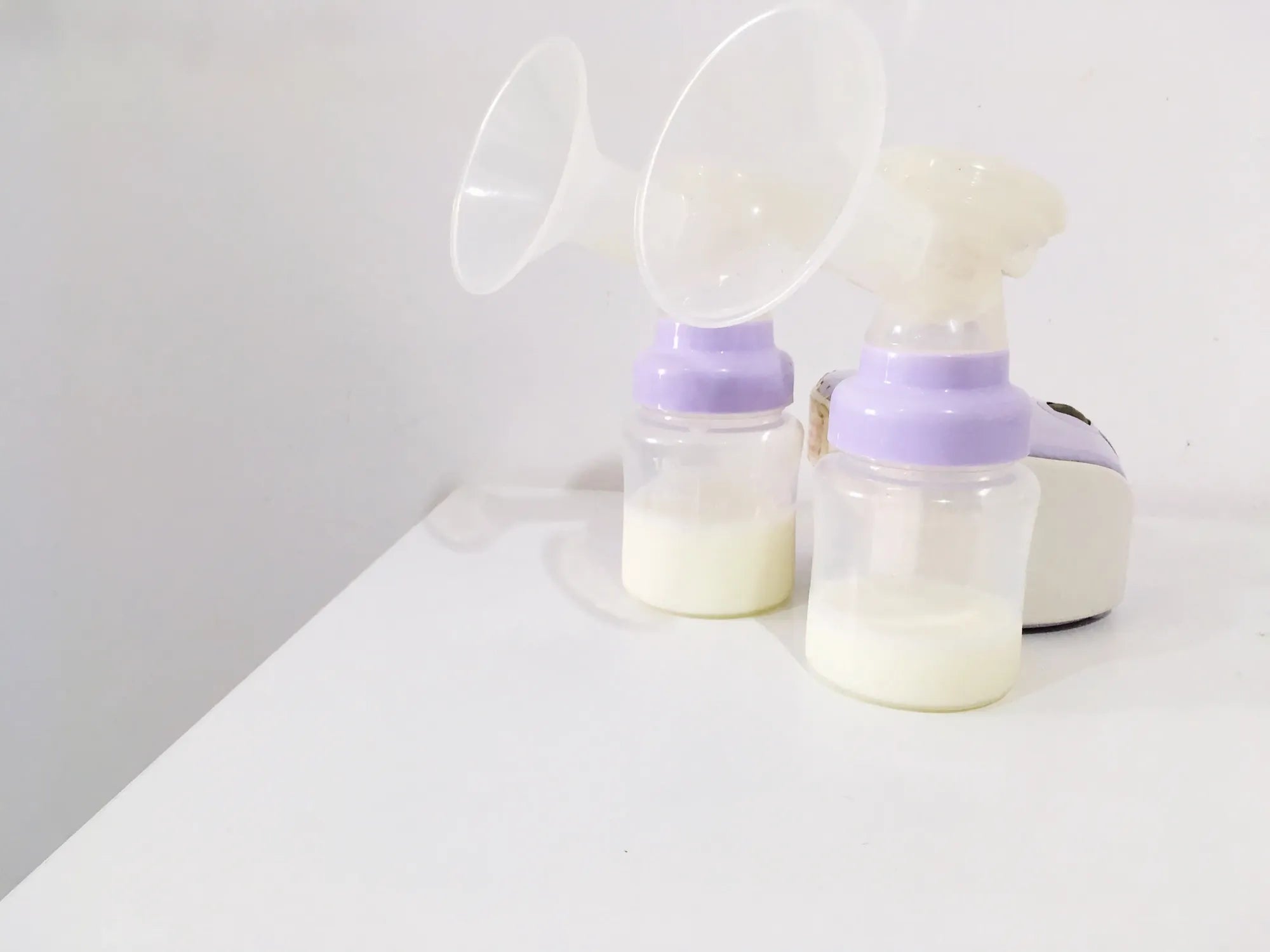
Can I Pump When My Breasts Are Engorged? A Comprehensive Guide
Understanding Engorgement and the Pumping Question
Can you pump when your breasts are engorged? This is a critical question for countless new mothers experiencing the intense pressure, swelling, and pain of breast engorgement. The short, essential answer is yes, but with a vital caveat: it must be done with specific, gentle techniques to avoid worsening the situation. This comprehensive guide provides the data-driven, actionable strategies you need.
Breast engorgement typically occurs when milk "comes in" around days 2-5 postpartum, or when there's a mismatch between milk production and removal. It involves both an increase in milk volume and swelling of the surrounding breast tissue, which can make the areola hard and flatten the nipple. This can severely hinder a baby's latch, creating a painful cycle. The goal of intervention is not to drain the breast completely but to achieve sufficient relief to restore comfort and function.
Pumping can be a valuable tool in this process when used correctly. It serves to soften the areola for a better latch, alleviate painful pressure, and help maintain milk supply if a baby is not feeding effectively. However, improper pumping—such as using high suction for prolonged periods—can increase inflammation and signal your body to produce even more milk, exacerbating the problem. The key lies in a nuanced approach that prioritizes comfort over completeness.
This guide will walk you through the physiological do's and don'ts, present a step-by-step relief protocol, and explain why innovative products like MomMed's wearable breast pumps are uniquely suited for managing engorgement with control and comfort. MomMed is a trusted maternal and baby care brand specializing in reliable, comfortable, and innovative products like wearable breast pumps, pregnancy test kits, and feeding gear, designed to support moms through every challenge.
The Do's and Don'ts of Pumping with Engorgement
Navigating engorgement requires a shift in mindset from typical pumping sessions. The objective is therapeutic relief, not milk harvesting. Adhering to these evidence-based do's and don'ts can make the difference between quick comfort and prolonged issues.
Do: Start with Gentle Expression and Warmth. Before you even turn on the pump, apply a warm compress to your breasts for 5-10 minutes or take a warm shower. This helps promote vasodilation and milk flow. Follow this with gentle hand massage, stroking from the chest wall toward the nipple. Consider "reverse pressure softening"—applying gentle, inward pressure around the areola with your fingers for about a minute to temporarily push swelling back and make the areola softer for latch or flange placement.
Don't: Jump Straight to High Suction. This is a critical mistake. Applying maximum pump suction to an engorged, inflamed breast can cause significant tissue trauma, increase pain, and worsen edema. Always begin with the lowest, most comfortable suction setting on your pump's stimulation or let-down mode. The aim is to gently trigger the milk ejection reflex, not force milk out through sheer power.
Do: Use a Pump with Adjustable, Comfortable Settings. Effective engorgement management requires precision. A pump with multiple, finely tuned suction levels and modes, like the MomMed S21 Wearable Breast Pump, is invaluable. It allows you to find the perfect gentle setting that provides relief without aggression. The ability to control both cycle speed and suction strength is key to a comfortable, effective session.
Don't: Over-Pump to "Empty" the Breast. The concept of "emptying" is a misnomer; breasts are never truly empty. During engorgement, pumping until soft is sufficient. Prolonged pumping signals your body that the high demand continues, which can perpetuate overproduction. Limit pumping sessions to 5-15 minutes, stopping once significant pressure relief is achieved, even if milk is still flowing.
Why a Wearable Pump is Ideal for Engorgement Relief
While any quality electric pump can be used cautiously, the design and functionality of modern wearable pumps offer distinct advantages for the specific challenges of engorgement. MomMed's wearable pumps, like the award-winning S21 model, are engineered with these scenarios in mind.
Hands-Free Comfort for Tender Breasts. During engorgement, the weight of traditional pump bottles and the need to hold flanges firmly in place can be unbearable on swollen, painful tissue. Wearable pumps sit directly in your bra, with no external tubes or bottles pulling on your breasts. This hands-free design eliminates that added physical strain, allowing you to relax in a comfortable position, which can further aid let-down.
Ultra-Quiet, Discreet Relief Anytime, Anywhere. Engorgement doesn't follow a schedule. Pressure can build rapidly, whether you're at home, with visitors, or managing other tasks. The quiet motor of a pump like the MomMed S21 allows for a discreet relief session without drawing attention. Their portability means you can apply warmth, do gentle massage, and pump comfortably wherever you need to, ensuring you don't delay relief.
Controlled, Hospital-Grade Performance in a Compact Design. Effective relief requires consistent, reliable suction. MomMed pumps are designed with hospital-grade performance standards, utilizing BPA-free, food-grade silicone for all parts contacting skin or milk. The S21 features multiple modes (Stimulation and Expression) and up to 9 adjustable suction levels, giving you the clinical-grade control needed for gentle engorgement management in a convenient, wireless form.
Step-by-Step: A Safe Pumping Routine for Engorged Breasts
Follow this structured protocol to safely use pumping as part of your engorgement relief strategy. Consistency and gentleness are paramount.
Step 1: Prep for Success (5-10 minutes). Begin by applying a warm, moist washcloth to your breasts for 5-10 minutes. Alternatively, take a warm shower and let the water flow over your back and shoulders. After warming, use your fingertips to gently massage your breasts in a circular motion, moving from the outer areas toward the areola. This preps the tissue and encourages initial milk movement.
Step 2: Initiate Let-Down Gently. If using a pump like the MomMed S21, place the flanges carefully, ensuring the nipple is centered without pulling excessive tissue. Start the pump on its Stimulation Mode at the lowest comfortable suction setting. The goal is to mimic a baby's initial quick, light sucks to trigger your milk ejection reflex. Avoid the temptation to increase suction during this phase.
Step 3: Pump for Comfort, Not Drainage (5-15 minutes). Once milk begins to flow (usually after 1-3 minutes), you may switch to Expression Mode. Increase the suction only to a level that feels effective but never painful. Pump for a short duration—just until you feel a noticeable softening and relief from the intense pressure. This may be as brief as 5 minutes or up to 15. Set a timer to avoid overdoing it.
Step 4: Finish with Cold & Care. Immediately after pumping, apply a cold compress, chilled gel packs, or clean chilled cabbage leaves to your breasts for 10-15 minutes. The cold constricts blood vessels, reduces swelling and inflammation, and provides analgesic relief. This step is crucial for managing the tissue edema component of engorgement that pumping alone does not address.
Supportive Techniques Beyond Pumping
Pumping is one tool in a broader toolkit. Combining it with other evidence-based methods creates a synergistic effect for faster relief and prevents recurrence.
Frequent, Effective Feeding or Expression. The cornerstone of managing engorgement is regular milk removal. Aim to feed your baby on demand, ensuring a deep, effective latch. If the baby is not available or cannot latch well due to areola hardness, follow the short pumping routine outlined above at regular feeding intervals (typically every 2-3 hours). Consistency prevents severe pressure from building back up.
Strategic Use of Cold Therapy. As highlighted, cold application after feeding or pumping is non-negotiable for reducing inflammation. Studies and lactation consultant guidelines support using cold packs for 15-20 minutes post-feeding. Some mothers find chilled cabbage leaves particularly effective; the compounds in the leaves may have anti-inflammatory properties that help reduce swelling.
Anti-Inflammatory Medication. Under the guidance of your healthcare provider, over-the-counter ibuprofen can be extremely helpful. It is generally considered safe for breastfeeding, reduces inflammation and pain directly, and can make the entire process more manageable. Always consult your doctor before taking any medication.
Proper Support and Positioning. Wear a supportive, well-fitting nursing bra that is not constrictive. Avoid underwires during this period, as they can block ducts. When feeding or pumping, try different positions—leaning forward slightly can sometimes help with milk flow from engorged breasts.
Common Mistakes That Worsen Engorgement
Awareness of these pitfalls can prevent you from inadvertently prolonging your discomfort.
Skipping Feedings or Pumping Sessions to "Rest." While rest is vital, skipping milk removal causes milk to accumulate, increasing pressure and swelling. This makes the next session even more difficult and painful. It's better to have shorter, gentler sessions more frequently than to skip them entirely.
Using Incorrect Flange Size. Engorgement can temporarily change nipple size and shape. Using a flange that is too small compresses swollen tissue, restricting milk flow and causing damage. A flange that is too large pulls in excess areolar tissue, causing friction and edema. MomMed pumps come with multiple flange size options to ensure a proper, comfortable fit, which is especially critical during engorgement.
Aggressive Massage or "Raking" the Breasts. While gentle massage is helpful, using excessive pressure to "break up lumps" can bruise delicate breast tissue and worsen inflammation. Always use a gentle, kneading touch, not deep, forceful compression.
Exclusively Pumping for Long Durations. Treating an engorgement pumping session like a regular stash-building session is a recipe for ongoing oversupply. Remember the different goals: relief (short, gentle) vs. collection (longer, more efficient).
Comparison: Engorgement Relief Methods
This table compares the primary methods for managing engorgement, highlighting their mechanisms, pros, and cons to help you build an integrated approach.
| Method | Primary Mechanism | Pros | Cons / Considerations |
|---|---|---|---|
| Short, Gentle Pumping (e.g., with MomMed S21) | Removes milk to relieve pressure; softens areola for latch. | Controlled, measurable relief; can be done independently; allows for precise suction adjustment. | Risk of overuse leading to oversupply; requires proper technique. |
| Hand Expression | Manual removal of milk. | No equipment needed; excellent for softening areola; total control over pressure. | Can be tiring; technique-sensitive; may be difficult on very engorged hands. |
| Frequent Baby Feeding | Natural milk removal; baby's suck triggers efficient let-down. | Most physiologically natural; strengthens bond; addresses baby's needs. | Can be challenging if latch is poor due to engorgement; mother may be too sore. |
| Cold Therapy (Packs/Cabbage) | Vasoconstriction reduces swelling & inflammation. | Excellent for pain relief; addresses tissue edema directly; non-invasive. | Does not remove milk; must be combined with milk removal method. |
| Warmth & Massage | Promotes vasodilation & milk movement. | Promotes let-down; can be relaxing; prepares breasts for feeding/pumping. | Overuse of heat can increase swelling; must be followed by milk removal. |
| Anti-Inflammatories (e.g., Ibuprofen) | Reduces systemic inflammation and pain. | Addresses root cause of pain/swelling; provides significant comfort. | Requires healthcare provider consultation; treats symptoms, not milk removal. |
Frequently Asked Questions (FAQ)
1. Will pumping make my engorgement worse?
It depends entirely on how you pump. Short, gentle sessions focused on comfort relief (5-15 minutes on low-to-medium suction) will not make it worse and are therapeutic. However, prolonged, frequent, or high-suction pumping sessions will signal your body to produce more milk, potentially leading to a cyclical oversupply that perpetuates engorgement.
2. How is pumping for engorgement different from pumping to build a freezer stash?
The purpose, duration, and intensity differ fundamentally. Engorgement Relief: Purpose is therapeutic comfort. Duration is short (5-15 min). Suction is low-to-medium, just enough for relief. Frequency is as needed for pressure, but not exceeding normal feeding intervals. Stash Building: Purpose is milk collection. Duration is longer, often until flow stops (15-30 min). Suction is at an efficient, comfortable level for maximum output. Frequency is typically in addition to regular feeds, at a consistent time daily.
3. Can I use the milk I pump during engorgement?
Absolutely. The milk is perfectly safe and nutritious for your baby. During the early days of engorgement, you may notice the milk appears thinner or more watery; this is normal as the composition adjusts from transitional to mature milk. It is still packed with essential antibodies and nutrients. You can feed it immediately or store it safely.
4. My breasts are still lumpy after pumping. What should I do?
Localized lumps after relief of general engorgement may indicate a plugged duct. Continue with frequent feeding/pumping, ensuring complete drainage of that specific area by pointing the baby's chin or the pump flange toward the lump during feeding/pumping. Apply warmth before and gentle massage during the session, followed by cold after. If the lump becomes red, hot, or you develop flu-like symptoms, contact your doctor immediately, as this may indicate mastitis.
5. How can I prevent engorgement from recurring?
Prevention focuses on avoiding prolonged gaps in milk removal. Feed your baby on demand, ensuring a good latch. If you are exclusively pumping, maintain a consistent schedule. Avoid sudden weaning or dropping sessions too quickly. Wear comfortable, non-restrictive bras. If you feel fullness building between sessions, a brief 5-minute pump or hand expression can prevent it from escalating to full engorgement.
Empowered Comfort with the Right Tools and Knowledge
Navigating breast engorgement is a challenging but common part of the breastfeeding journey. The question, "Can I pump when my breasts are engorged?" is met with a resounding yes, provided it's approached with knowledge and care. The strategy is defined by brevity, gentleness, and a focus on symptomatic relief rather than maximum output. By combining short, controlled pumping with cold therapy, gentle massage, and proper support, you can effectively manage discomfort and protect your breastfeeding relationship.
Having the right equipment transforms this process. A wearable pump like the MomMed S21, with its adjustable hospital-grade performance, hands-free comfort, and discreet operation, is designed for precisely these sensitive moments. It gives you the control to find a gentle setting that offers relief without aggression, all while being kind to your tender breasts. Remember, your comfort is paramount, and effective tools should support it, not compromise it.
Listen to your body. Severe pain, redness, fever, or persistent lumps are signals to consult a lactation consultant or healthcare provider promptly. You don't have to manage this alone. With the correct techniques and supportive products, you can move through engorgement confidently and comfortably, focusing on the joy of feeding your baby.
Ready to find gentle, effective relief? Shop the MomMed collection at mommed.com for all your breastfeeding and pregnancy needs, including the award-winning S21 Wearable Breast Pump, designed to support you through every challenge with comfort and innovation.