


Accueil
Pregnancy, Breastfeeding, and Pumping: The Ultimate Guide for Moms
Can I Pump Only One Breast? A Complete Guide to Single-Side Pumping
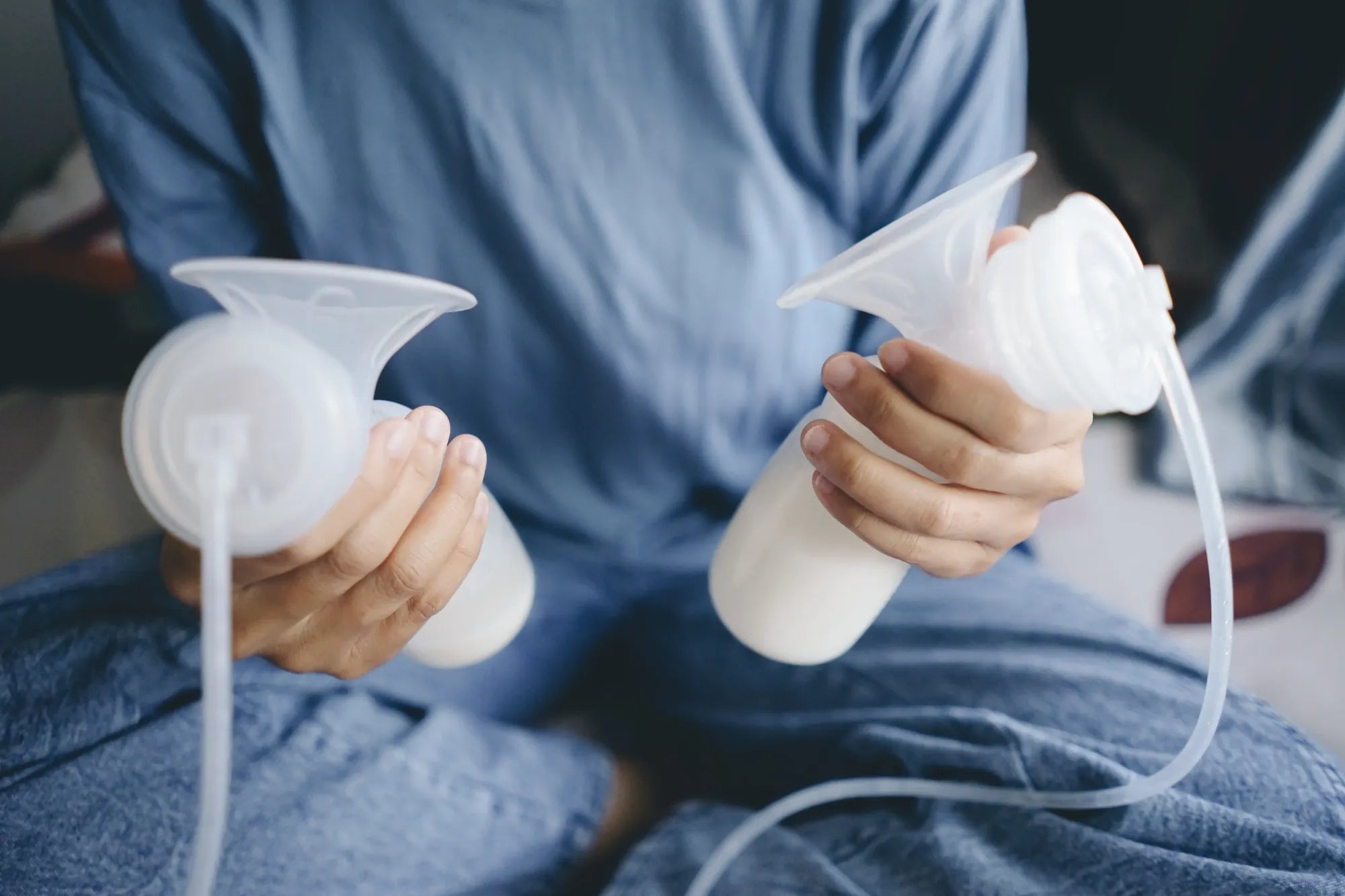
Can I Pump Only One Breast? A Complete Guide to Single-Side Pumping
You're exhausted. It's 3 AM, your baby finally settled after a one-sided feed, and one breast is painfully full while the other is comfortable. The thought of hooking up to a double electric pump feels overwhelming. A quiet, persistent question forms: Can I just pump one breast? The answer is a resounding yes, and it's a strategy employed by countless mothers for various practical and physiological reasons. This article provides a comprehensive, evidence-based exploration of single-side pumping. We'll examine when it makes sense, how it affects your milk supply, the practical benefits and considerations, and how to implement this approach successfully while keeping both you and your baby thriving.
Understanding Single-Side Pumping: Physiology and Common Scenarios
Single-side pumping, or unilateral pumping, is the practice of expressing milk from only one breast during a pumping session. To understand its implications, we must first grasp a fundamental principle of lactation: milk production operates on a supply-and-demand basis independently in each breast. The hormone prolactin responds to the removal of milk. More frequent and efficient removal signals for more production in that specific breast.
This breast-specific feedback system is why many women naturally have a "slacker boob"—one breast that consistently produces less milk than its partner. It also means that strategically pumping from one side is not just possible but can be a smart tool for managing your unique breastfeeding journey. The key is intentionality and understanding the body's signals.
Common scenarios where single-side pumping is not only acceptable but often recommended include managing significant output asymmetry, dealing with a blocked duct or mastitis in one breast, coping with a sore or cracked nipple on one side, or during convenient, discreet pumping sessions on-the-go. It's also a lifesaver for mothers who are nursing directly on one side while needing to express from the other, perhaps to build a stash or relieve engorgement.
When Your Body Signals a Need for Single-Side Focus
Your body often provides clear indicators. Persistent pain in one breast, a noticeable hardness or lump that doesn't soften after feeding, or a visible difference in output between bottles when you double-pump are all signs. A lactation consultant might advise targeted pumping on the affected side to resolve a clog or to encourage more production in an underperforming breast. The goal is always to support your overall feeding plan, whether you're exclusively pumping, combination feeding, or primarily nursing.
Top Reasons Mothers Choose to Pump One Breast
The decision to pump unilaterally is rarely arbitrary. It's typically driven by specific, practical challenges or goals. Understanding these reasons can help you see if this strategy aligns with your situation.
Managing Oversupply or Significant Asymmetry: Some mothers have one breast that produces substantially more milk. Constantly double-pumping can exacerbate this imbalance and lead to discomfort. Pumping the fuller breast to comfort while nursing or lightly pumping the other can help regulate supply more comfortably over time.
Addressing Pain or Medical Issues: Conditions like mastitis (breast infection), a persistent blocked duct, or a severely cracked nipple make pumping on the affected side painful or ill-advised. Continuing to nurse or pump from the healthy side while carefully managing the affected side (sometimes with gentle expression or hand expression) is a standard clinical recommendation to maintain supply while allowing for healing.
Maximizing Convenience and Sleep: During a midnight session after a one-sided feed, pumping only the full breast can be a quick, efficient way to find relief and perhaps stash a few ounces without the full setup of a double pump. This maximizes precious sleep—a critical component of maternal health and sustainable breastfeeding.
Feeding a Baby with a Lateral Preference: Some babies strongly prefer one side due to torticollis, an ear infection, or simple habit. To maintain supply in the less-favored breast, a mother may need to pump it separately after or between feeds.
Discreet, On-the-Go Pumping: The advent of wearable breast pumps has revolutionized this space. A mom at work or running errands might use a single, discreet wearable pump like the MomMed S12 Single Wearable Pump on one breast while the other remains in a bra. This allows for incredible flexibility and discretion without being tethered to a wall or wearing a bulky double setup.
Potential Benefits and Advantages of Unilateral Pumping
When applied thoughtfully, pumping one breast at a time offers several compelling advantages that can simplify and empower your feeding routine.
Unmatched Convenience and Flexibility: Single-side pumping, especially with a wearable pump, allows you to move freely. You can pump one side while driving, making lunch, or even nursing your baby on the opposite breast. This hands-free, mobile capability aligns perfectly with the dynamic life of a new mother. MomMed wearable pumps, like the S21, are designed with this flexibility in mind, featuring ultra-quiet motors and comfortable, BPA-free silicone flanges for discrete use.
Targeted Supply Management: It allows for precise intervention. You can focus on increasing supply in one breast through additional pumping sessions or power pumping on just that side, without overstimulating the other. Conversely, you can pump just to comfort on an overactive side to slowly regulate it down, reducing the risk of recurrent clogs or engorgement.
Multitasking Capability: The ability to nurse on one side while pumping on the other is a game-changer for many. It saves time, stimulates a robust let-down for the pumping session thanks to the baby's nursing, and can help build a freezer stash efficiently. This is often called "double pumping" in a different sense and is a highly efficient feeding method.
Comfort and Pain Reduction: For mothers dealing with soreness, a well-fitted pump used on one side can be less physically taxing than a double setup. It allows you to position yourself optimally to manage pain from conditions like mastitis or a healing incision.
Critical Considerations and Potential Drawbacks
While beneficial, unilateral pumping is not without its considerations. A balanced approach is essential to avoid unintended consequences for your milk supply.
The Primary Risk: Impact on Overall Milk Supply The most significant concern is that consistently neglecting to remove milk from one breast will signal that breast to reduce production. If you only ever pump the right breast, for example, your left breast's supply will likely diminish. The key is that single-side pumping should often be part of a rotating or strategic plan, not a permanent, exclusive practice for one breast only.
Time Inefficiency for Exclusive Pumpers: For mothers who exclusively pump (EP), pumping one breast at a time can double the total time spent attached to a pump each day. While wearable pumps mitigate this by allowing mobility, it's still a factor to consider in a busy schedule.
Storage and Labeling Logistics: You'll be storing smaller volumes per container. This requires a good system of smaller storage bags or bottles and clear labeling. It's crucial to note which breast the milk came from if you are managing a suspected infection (milk from a breast with mastitis is generally safe for baby but some prefer to label it) or significant asymmetry.
Potential for Increased Engorgement: If not timed correctly, the non-pumped breast can become uncomfortably full between sessions, potentially leading to plugged ducts. Using a milk collection shell or pad in your bra on the non-pumping side can catch valuable leakage and provide slight relief.
Comparison: Single-Side vs. Double Pumping Strategies
| Factor | Single-Side Pumping | Double Pumping |
|---|---|---|
| Primary Goal | Targeted relief, managing asymmetry, on-the-go convenience, pain management. | Maximum efficiency, time-saving, stimulating/maintaining full supply in both breasts. |
| Time per Session | Typically 15-20 minutes per breast (longer total if doing both separately). | 15-20 minutes total for both breasts simultaneously. |
| Best For | Combination feeders, managing specific issues, discreet pumping, multitasking (nurse on one side). | Exclusive pumpers, working moms building a stash, maximizing output in minimal time. |
| Supply Impact | Requires careful rotation to maintain bilateral supply; can be used to balance supply. | Efficiently maintains supply demand signals to both breasts equally. |
| Ideal Pump Type | Wearable breast pump (like MomMed S12/S21), single electric, or manual pump. | Double electric breast pump, preferably with hands-free bra. |
How to Maintain Milk Supply When Pumping One Breast
Protecting your hard-earned milk supply is paramount. Here are evidence-based strategies to ensure unilateral pumping supports, rather than undermines, your production.
Implement a Rotation Schedule: The golden rule is alternation. If you pump only the left breast at one session, plan to pump only the right breast at the next, or later in the day. You can alternate by session or by day, depending on your routine. This ensures both breasts receive regular, though not simultaneous, stimulation and emptying signals.
Ensure Efficient Emptying: A pump that effectively removes milk is critical. An inefficient pump can leave milk behind, signaling that less is needed. Use a pump with adjustable suction cycles and flange sizes that fit you perfectly. The MomMed S21 Wearable Pump, for example, offers multiple stimulation and expression modes to mimic a baby's natural nursing pattern, promoting more complete emptying which is vital for supply maintenance.
Incorporate Strategic "Power Pumping" on the Less-Used Side: If you notice a dip in output from the breast you pump less frequently, consider doing a power pumping session (20 minutes on, 10 off, 10 on, 10 off, 10 on) on that side for a day or two to boost demand signals.
Monitor Your Baby, Not Just the Bottle: The ultimate gauge of sufficient supply is your baby's growth, diaper output, and contentment. Keep up with pediatrician appointments. If you are exclusively pumping, track total daily output (from both breasts combined) to ensure it aligns with your baby's needs, typically 25-35 ounces per day for a baby 1-6 months old.
Don't Skip Sessions: Consistency is key. Even if pumping one side, try to maintain the overall frequency of milk removal that your body is accustomed to. Dropping sessions is a common culprit for supply decrease.
Practical Tips for Successful Single-Side Pumping
Ready to try it? These actionable steps will set you up for success and comfort.
1. Invest in the Right Gear: A comfortable, efficient pump is non-negotiable. For single-side pumping, a wearable pump offers the greatest freedom. Also, have a supply of milk storage bags, a hands-free pumping bra (even for single-side use, it helps), and milk collection shells like Haakaa or silicone shells to catch let-down on the non-pumping side.
2. Master Your Timing: Align your single pumping sessions with your body's natural rhythms. Many mothers find they have a "power hour" in the morning with higher output. Pumping the fuller breast at this time can yield a substantial stash. For relief pumping, do it as soon as you feel uncomfortably full to avoid engorgement.
3. Optimize Let-Down: Use techniques to trigger your milk ejection reflex. Look at a photo or video of your baby, smell an item of their clothing, gently massage the breast you're about to pump, or apply a warm compress. A pump with a dedicated "stimulation" mode, like those in the MomMed range, can also help initiate this crucial first phase.
4. Save Every Drop: Use a milk catcher on the opposite breast during your pumping session. The leakage you catch is liquid gold and can add several ounces to your daily total with zero extra effort.
5. Integrate into Your Routine: Plan it. Maybe you double-pump at work for efficiency but use a single wearable pump for a discreet session during your commute or while doing evening chores. Make the method work for your life, not the other way around.
Frequently Asked Questions (FAQ)
Will pumping one breast cause the other to dry up?
Not if you manage it strategically. If you only and always pump from the same breast and never remove milk from the other, the non-pumped breast will significantly reduce its supply due to lack of demand. However, by alternating which breast you pump in a systematic way, you can maintain a healthy supply in both. The body responds to milk removal; ensure both breasts get that signal regularly.
Can I mix milk from different single-pump sessions?
Yes, you can safely combine milk expressed at different times, provided you follow safe cooling guidelines. Cool the newly expressed milk in the refrigerator first before adding it to already chilled milk from the same day. Ensure the combined milk is used within the timeframe of the oldest milk in the batch. Label clearly with the date.
Is one-sided pumping okay for exclusive pumpers?
It can be part of an exclusive pumper's strategy but requires diligent planning. Due to the time commitment, most exclusive pumpers rely heavily on double pumping for efficiency. However, using single-side pumping with a wearable pump for specific sessions (like a midday break) can provide welcome mobility. The core principle remains: both breasts must be emptied fully and frequently (usually 7-10 times in 24 hours) to maintain a full supply for an exclusively bottle-fed baby.
How should I store smaller amounts of milk from single sessions?
Use smaller (2-3 oz) storage bags or containers to avoid waste. Clearly label with the date, time, and volume. You can also use the "pitcher method," where you pour the cooled milk from single sessions into a clean pitcher in the fridge throughout the day, then pour from that pitcher to make bottles for the next day, all used within 24 hours.
My baby only nurses on one side. Should I pump the other?
This is a very common scenario and a primary reason for single-side pumping. Yes, to maintain supply and comfort in the breast your baby isn't nursing on, you should express milk from it. You can pump it after, between, or even during the feed on the other side. This will prevent engorgement, protect your supply in that breast, and provide milk for bottles.
Conclusion: Crafting Your Personalized Pumping Path
The journey of feeding your baby is uniquely yours. Can I pump only one breast? is more than a question of practicality; it's about empowerment and finding sustainable solutions within the complex reality of motherhood. Single-side pumping is a valid, evidence-supported tool in your arsenal—ideal for managing asymmetry, pain, or simply grabbing a moment of convenience with a discreet wearable pump. The core takeaway is intentionality: understand your body's supply-and-demand mechanism, alternate sides to protect your overall production, and use high-quality, comfortable tools designed for the job. Whether you're reaching for a double electric pump for a speedy session or the MomMed S21 for flexible, single-side freedom, the best routine is the one that supports your well-being and your baby's nourishment. For personalized concerns, always consult an International Board Certified Lactation Consultant (IBCLC).
Ready to explore the flexibility of single-side pumping? Shop the MomMed collection at mommed.com for all your breastfeeding and pregnancy needs, including our award-winning, ultra-quiet wearable breast pumps designed for the modern, multitasking mom.