


Accueil
Pregnancy, Breastfeeding, and Pumping: The Ultimate Guide for Moms
Can I Mix My Breast Milk from Different Pumping Sessions? A Complete Guide
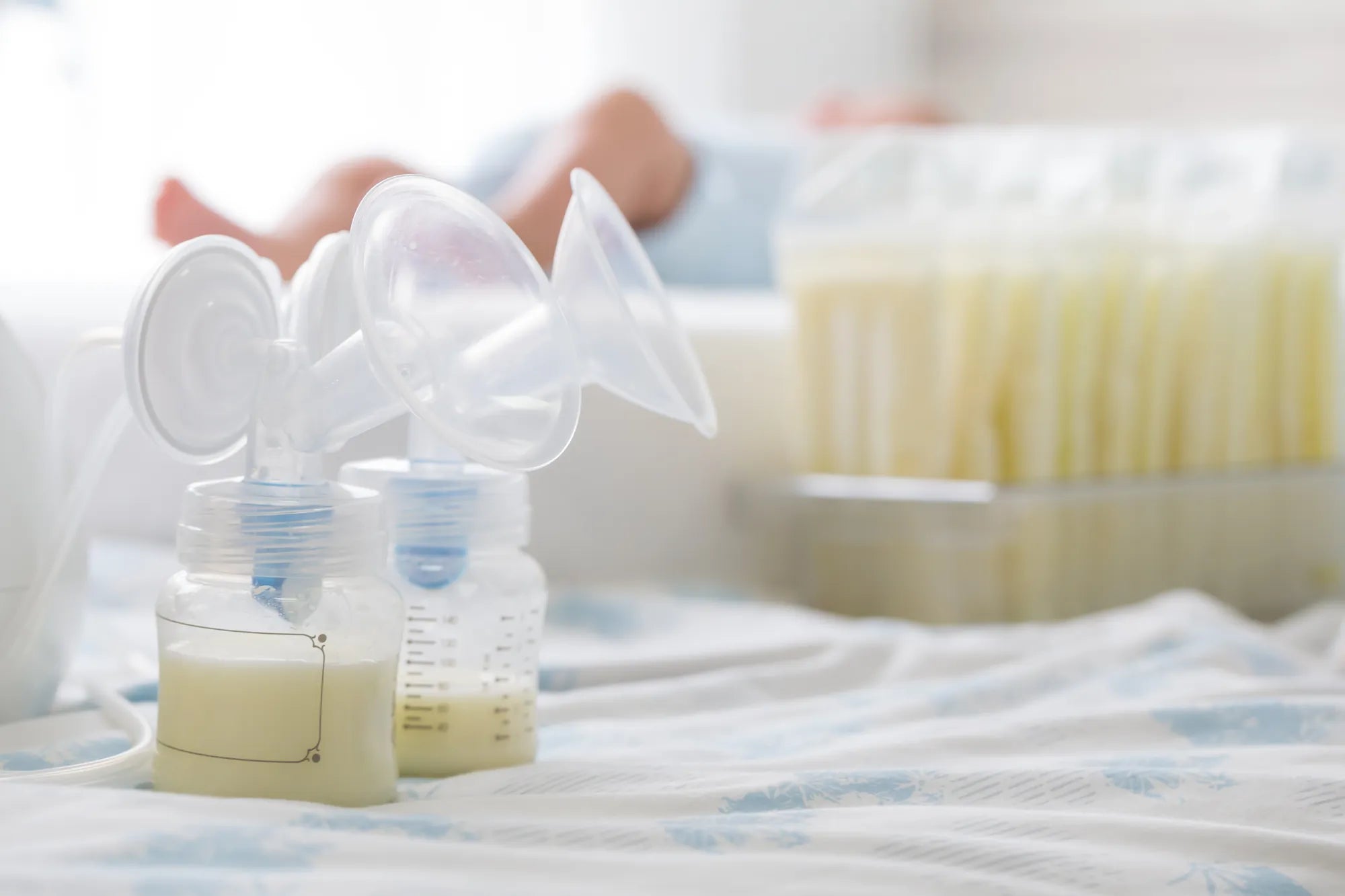
Can I Mix My Breast Milk from Different Pumping Sessions? A Complete Guide
Introduction: Understanding the Basics of Breast Milk Storage and Mixing
For any pumping parent, the question of whether you can mix breast milk from different pumping sessions is a practical and pressing one. Managing small amounts, maximizing storage space, and reducing waste are daily challenges. The short answer is yes, you can safely combine breast milk from different sessions, but critical rules must be followed to preserve its safety and nutritional integrity.
This guide will provide you with evidence-based, step-by-step instructions endorsed by lactation experts and health organizations. We'll cover the science behind why these rules exist, practical scenarios for busy moms, and how the right tools can make this process seamless. As a trusted maternal and baby care brand, MomMed is here to empower you with knowledge and reliable products, turning a source of anxiety into a simple part of your routine.
The Science of Breast Milk: Why Timing and Temperature Matter
Breast milk is a dynamic, living substance. Its composition can vary within a single feeding session, from the thinner, thirst-quenching foremilk to the richer, fat-dense hindmilk. While these variations are natural, the primary concern when mixing milk is bacterial growth. Freshly expressed milk is warm, creating an ideal environment for bacteria to multiply if not cooled promptly.
The core principle for safe mixing is temperature harmony. Combining milk at different temperatures can raise the temperature of the already-cooled batch, bringing it into the "danger zone" (40°F to 140°F) where bacteria thrive. This is why the cardinal rule is to only mix milk that has been cooled to the same temperature. Understanding this biological rationale is the first step to safe practice.
Furthermore, breast milk contains beneficial antibodies and live cells that are sensitive to temperature shocks. A gradual, controlled cooling process helps preserve these vital components. By respecting the science of milk, you ensure your baby receives not just calories, but optimal immune support and nutrition from every bottle.
Step-by-Step Guide: How to Safely Combine Breast Milk
Following a clear protocol eliminates guesswork and ensures safety. This step-by-step guide is based on the latest recommendations from the Centers for Disease Control and Prevention (CDC) and the Academy of Breastfeeding Medicine.
Step 1: Cool Freshly Pumped Milk Properly
Immediately after pumping, seal the milk in a clean storage bottle or bag. Place it in the back of the refrigerator, where the temperature is coldest and most consistent, within two hours of expression. If you're using a cooler, ensure ice packs are plentiful and the milk is chilled rapidly.
For moms using a wearable pump like the MomMed S21, you can transfer the milk from the collection cups into your storage containers right after your session. The convenience of hands-free pumping makes it easier to handle and cool your milk promptly without interrupting your workflow.
Step 2: Ensure Milk is at the Same Temperature
Before combining, ensure all milk is thoroughly chilled. You can mix milk from different sessions throughout the day by adding a newly cooled batch to a refrigerated container of milk from earlier. The key is that the new milk must be cooled in the refrigerator first before being poured into the older batch.
Never pour warm, freshly expressed milk directly into a container of already cold or frozen milk. This can partially thaw frozen milk or warm the refrigerated milk, compromising the entire batch.
Step 3: Combine and Label Correctly
Pour the cooled milk into a single, clean container. Use containers made of food-grade, BPA-free materials, like those compatible with MomMed pumps. When labeling, always use the date of the *oldest* milk in the mixture. This practice dictates the shelf-life for the entire combined batch.
For example, if you mix milk pumped on Monday morning with milk pumped Monday evening, the batch is labeled with Monday's date. This ensures you follow storage timelines based on the first expression.
Breast Milk Storage Guidelines: A Quick Reference Table
This table summarizes the CDC's recommended storage times for healthy, full-term infants. Always practice the "first in, first out" rule and smell or taste milk if unsure of freshness—spoiled breast milk has a distinctly sour odor.
| Storage Location | Temperature | Freshly Expressed Milk | Thawed, Previously Frozen Milk |
|---|---|---|---|
| Room Temperature | Up to 77°F (25°C) | Up to 4 hours | 1-2 hours |
| Insulated Cooler | With ice packs | Up to 24 hours | Do not store in cooler |
| Refrigerator | 40°F (4°C) or below | Up to 4 days | Up to 24 hours |
| Freezer | 0°F (-18°C) or below | Within 6 months is best; up to 12 months acceptable | Never refreeze thawed milk |
Common Scenarios and Best Practices for Busy Moms
Real-life pumping rarely follows a perfect script. Here’s how to apply the rules to everyday situations.
Mixing Milk from the Same Day
This is the most common and convenient practice. You can safely combine all milk pumped within a 24-hour period, provided each batch is cooled to refrigerator temperature before adding to your designated "daily mix" container. This method is excellent for creating full bottles for the next day's feedings.
Combining Refrigerated Milk with Frozen Milk
This is not recommended. You should not add fresh, cooled milk to a container of already frozen milk. The fresh milk will not freeze as quickly, and the temperature fluctuation can degrade the quality of the frozen portion. Instead, freeze the fresh milk in a separate container. You can, however, combine two frozen bags of milk during the thawing process if they will be used immediately.
Managing Small Amounts (The "Milk Saver" Method)
After a feeding, you may have an ounce or two left in a bottle. To save this "liquid gold," you can add it to your refrigerated daily mix container. Cool the leftover milk in the fridge first if it has been warmed or been at room temperature. Adhere to the 4-day refrigerator rule based on the date of the oldest milk in that container.
MomMed Makes Pumping Simpler: Designed for Your Routine
Safe milk handling starts with efficient, comfortable expression. MomMed designs products that integrate seamlessly into a mom's life, supporting consistent pumping habits that make practices like safe milk mixing effortless.
Hands-Free Pumping for Consistent Sessions
Regular pumping sessions are key to maintaining supply and collecting milk for storage. The award-winning MomMed S21 Double Wearable Breast Pump allows for discreet, comfortable pumping anywhere. This consistency means you're more likely to have milk to combine, and you can manage the cooling process immediately without being tethered to an outlet.
Safe Storage with Compatible, BPA-Free Parts
Every MomMed pump is designed with baby's safety as the priority. All parts that come into contact with milk, from the silicone diaphragms and flanges to the connectors and bottles, are made from food-grade, BPA-free materials. This ensures a safe journey for your milk from pump to storage bag to baby, giving you peace of mind with every batch you mix and store.
Quiet, Efficient Expression for Optimal Milk Quality
Stress can inhibit let-down. MomMed pumps feature ultra-quiet, hospital-grade motors that provide efficient, effective expression in a calm manner. A better pumping experience supports healthy milk ejection and volume, providing you with high-quality milk that you can confidently store and combine for your baby.
FAQ: Your Top Questions About Mixing Breast Milk, Answered
Q1: Can I mix milk pumped from different breasts?
Absolutely. Milk from the left and right breast can be combined. The same temperature rules apply: ensure both are cooled to the same temperature before mixing.
Q2: How long can mixed milk stay out at room temperature?
Once mixed and served to your baby, the bottle should be used within 2 hours. If the baby does not finish it, discard the remainder. Do not save leftover milk from a feeding for later mixing, as saliva introduces bacteria.
Q3: Does mixing foremilk and hindmilk cause any issues?
No. In fact, mixing milk from different times of day can create a nutritionally balanced bottle. The natural variation averages out, providing your baby with both hydration and fat-rich calories.
Q4: What’s the best way to warm mixed breast milk?
Place the sealed container in a bowl of warm water or under warm running water. Avoid using a microwave, as it creates dangerous hot spots and can destroy precious nutrients. Gently swirl the bottle to mix the fat, which may have separated.
Q5: Can I add fresh milk to a bottle that’s already partially fed to my baby?
No. Once your baby's mouth has touched the bottle, bacteria are introduced. Any milk left after a feeding should be discarded within 2 hours and not added to fresh milk for storage.
Conclusion: Empower Your Feeding Journey with Knowledge and the Right Tools
Mixing breast milk from different pumping sessions is a safe, practical strategy that can simplify your life and reduce waste when done correctly. The fundamental rule is unwavering: always cool milk to the same temperature before combining and label it with the date of the oldest milk. This practice, supported by the convenience and reliability of modern pumping technology, allows you to provide for your baby with confidence.
Your feeding journey is unique, and having trustworthy information and dependable gear makes all the difference. MomMed is committed to supporting you every step of the way with innovative, mom-tested products designed for real life. From achieving a perfect flange fit to building a freezer stash, we're here to help you navigate the challenges and celebrate the triumphs.
Shop the MomMed collection at mommed.com for all your breastfeeding and pregnancy needs. Discover our wearable breast pumps, baby care essentials, and feeding gear—each designed to give you one less thing to worry about, so you can focus on what matters most.