


Accueil
Pregnancy, Breastfeeding, and Pumping: The Ultimate Guide for Moms
Can Breast Pumping When Not Lactating Cause Milk Production? A Science-Based Guide
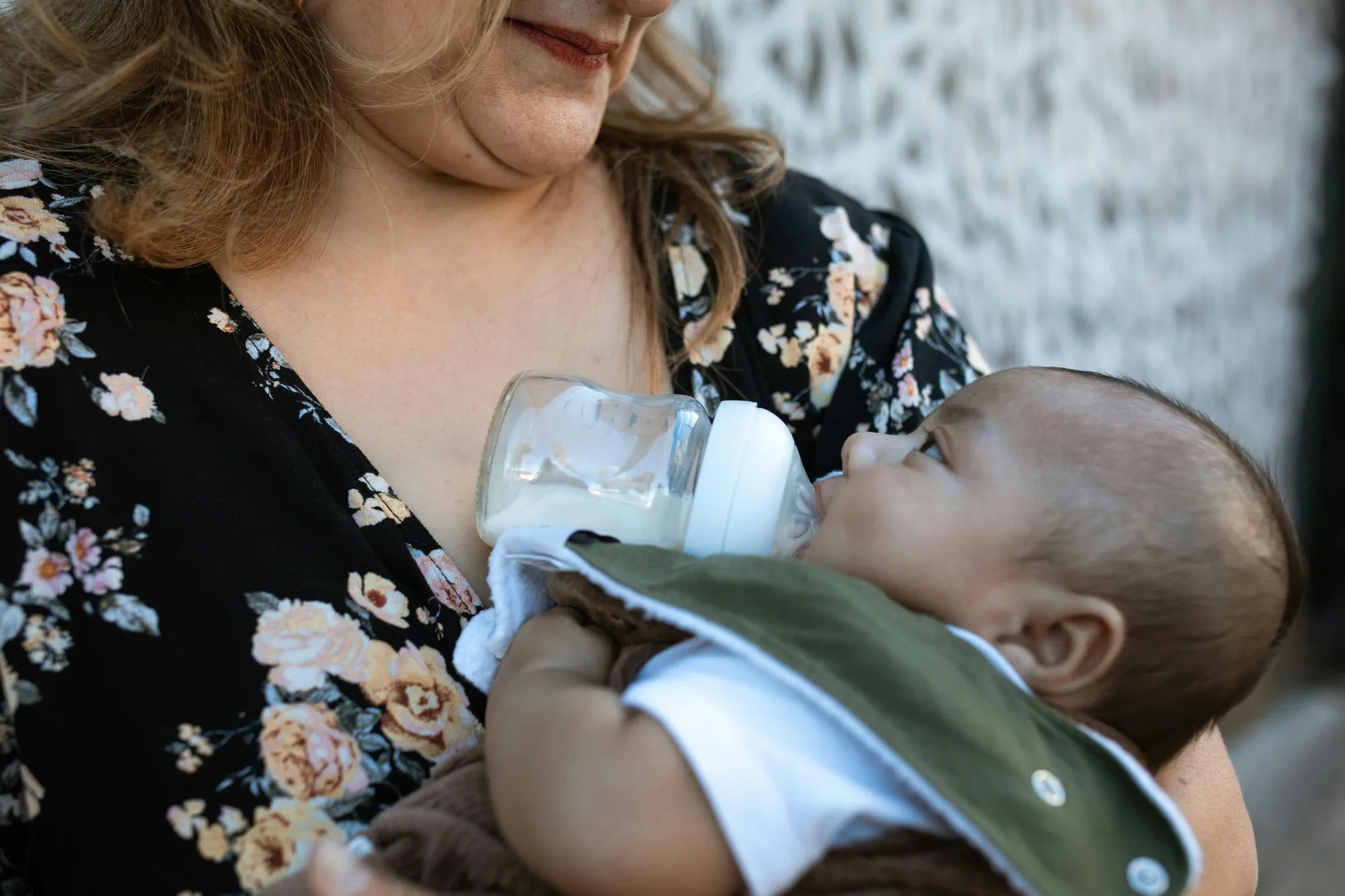
Can Breast Pumping When Not Lactating Cause Milk Production? A Science-Based Guide
You’re exploring the possibility of breastfeeding without a recent pregnancy, driven by a deep desire to nourish your child. The central question is clear: can breast pumping when not lactating cause milk production? The short answer is yes, but the path is nuanced and requires understanding, dedication, and the right approach. This guide cuts through the confusion, providing a factual, data-driven look at induced lactation. You will learn the precise science behind milk production, how to build an effective pumping protocol, what to realistically expect, and how innovative tools from trusted brands like MomMed can support your journey. We’re here to equip you with knowledge, not just hope.
The Science of Lactation: Hormones, Demand, and Supply
Lactation is a hormonally driven process orchestrated by two key players: prolactin and oxytocin. Prolactin, produced by the pituitary gland, is the primary hormone responsible for milk synthesis. Oxytocin triggers the milk-ejection reflex, or let-down, which releases milk from the alveoli into the milk ducts. During pregnancy, soaring levels of estrogen and progesterone prepare the breast tissue, but milk production in earnest begins postpartum when these pregnancy hormones plummet and prolactin takes center stage.
The fundamental principle governing all lactation—postpartum or induced—is demand and supply. The more milk is removed from the breasts, the more signals are sent to the brain to produce prolactin, thereby increasing supply. This demand is typically created by a baby’s frequent feeding or, in the absence of a baby, by consistent mechanical stimulation from a breast pump. The body can interpret this persistent, rhythmic stimulation as a need for milk, even without the preceding hormonal cascade of pregnancy.
This process of creating milk production without a recent pregnancy is termed induced lactation or, if re-establishing a previous supply, relactation. It leverages the body's innate responsiveness to stimulation. While the hormonal starting point is different from postpartum lactation, the endocrinological pathway—stimulation leading to prolactin release leading to milk synthesis—remains a physiological possibility.
Understanding this science is the first step. It confirms that the question, can breast pumping when not lactating cause milk production, is grounded in biology. The effectiveness, however, hinges on mimicking the natural demand as closely as possible, which brings us to the practical realities of the journey.
Can Pumping Alone Induce Lactation? Setting Realistic Expectations
Yes, consistent and strategic breast pumping can induce lactation. However, it is crucial to distinguish this process from postpartum lactation. For a person who has recently given birth, the body is primed for milk production; pumping helps establish and maintain a supply. In induced lactation, you are essentially convincing the body to start a process it hasn't recently initiated on its own.
Success is highly variable and depends on numerous individual factors, including breast tissue development (which can occur during puberty and menstrual cycles), hormonal health, and genetic predisposition. The volume of milk produced through induced lactation often ranges from a few precious drops to several ounces per day. While achieving a full, exclusive supply is less common without additional hormonal protocols, any amount of breast milk provides valuable immunological and nutritional benefits and fosters a profound bonding experience.
The journey requires significant dedication. A pumping schedule for induced lactation must be exceptionally consistent, often more rigorous than a newborn’s feeding pattern, to send an unambiguous demand signal. This can feel demanding, making the choice of equipment—specifically, a comfortable, efficient, and discreet breast pump—a critical factor in sustaining the protocol over weeks or months.
Therefore, while the answer to can breast pumping when not lactating cause milk production is affirmative, it is accompanied by the need for managed expectations, patience, and a robust support system. Celebrating small milestones, like the first drop of milk, is essential for emotional resilience.
Key Factors for Success in Induced Lactation
Several interconnected factors determine the outcome of an induced lactation effort. Ignoring any one can significantly hinder progress.
Consistency and Frequency of Stimulation: This is the non-negotiable cornerstone. The protocol must mimic a newborn’s cluster-feeding pattern. This typically means pumping for 15-20 minutes per breast, every 2-3 hours throughout the day and at least once during the night. The consistent, frequent removal of even tiny amounts of fluid (and later, milk) is what signals the body to produce prolactin.
Efficiency and Quality of the Breast Pump: Not all pumps are created equal for this specific task. The goal is effective mammary gland stimulation. A pump with multiple stimulation (let-down) and expression modes, adjustable suction levels, and proper flange fit is paramount. Hospital-grade or high-quality double electric pumps are most often recommended for induced lactation due to their power and efficiency in draining both breasts simultaneously, which better mimics a baby’s feeding and saves considerable time.
Hormonal Priming (The Goldmans Protocol): Many individuals, under the guidance of a doctor or lactation consultant, use a protocol involving hormonal medications (like birth control pills and the drug domperidone) to mimic the hormonal states of pregnancy and postpartum. This is often combined with pumping. Herbal galactagogues like fenugreek, blessed thistle, and moringa are also popular, though evidence is anecdotal and they should be used cautiously.
Holistic Physical and Emotional Support: The body cannot produce milk in a state of stress or depletion. Adequate hydration, increased caloric intake (an extra 300-500 calories per day), balanced nutrition, and sufficient rest are not just supportive—they are essential. Emotional well-being and support from partners, family, or support groups are equally vital to maintain the commitment required.
Building Your Induced Lactation Pumping Protocol: A Step-by-Step Guide
Embarking on this journey requires a plan. Here is a structured, step-by-step approach to building your induced lactation protocol.
Step 1: Consult Healthcare Professionals. Before starting, speak with a healthcare provider and an International Board Certified Lactation Consultant (IBCLC) experienced in induced lactation. They can assess your health, discuss hormonal priming options, and help tailor a plan.
Step 2: Acquire the Right Equipment. Invest in a high-quality double electric breast pump. For maximum consistency and comfort, a wearable pump like the MomMed S21 Double Wearable Breast Pump can be transformative. Its hands-free design allows you to maintain your pumping schedule without being tethered to a wall, making it easier to integrate sessions into daily life. Ensure you have correctly sized flanges—ill-fitting flanges can reduce output and cause pain.
Step 3: Establish Your Pumping Schedule. Start with a rigorous schedule. A sample initial protocol might be: Pump for 15-20 minutes per side, every 3 hours during the day (e.g., 6 AM, 9 AM, 12 PM, 3 PM, 6 PM, 9 PM) and once between 1-4 AM. Use the pump's stimulation mode for the first 2 minutes to trigger let-down, then switch to expression mode.
Step 4: Incorporate Breast Massage and Hand Expression. Before and during pumping, use gentle breast massage (like marmet technique) to encourage milk flow and ensure thorough drainage. Hand expression for a few minutes after pumping can further signal demand.
Step 5: Track and Adjust. Keep a log of pumping times, duration, and any output (even drops). This helps you see patterns and stay motivated. After several weeks, you can consult with your IBCLC to adjust frequency or duration based on your response.
Choosing Your Equipment: Why Pump Efficiency is Critical
The breast pump is your primary tool in creating the demand signal. Its efficiency directly impacts your comfort, consistency, and ultimately, your potential for success.
Manual pumps are insufficient for this demanding protocol due to the time and hand fatigue involved. Single electric pumps are better but inefficient, as they double the time required per session. For induced lactation, a double electric pump is the standard recommendation. It stimulates both breasts simultaneously, which is believed to create a stronger prolactin surge and cuts session time in half.
The advent of wearable breast pumps has revolutionized this process. A model like the MomMed S21 offers the power of a double electric pump with unparalleled discretion and freedom. Its ultra-quiet motors and cordless, cup-style design allow you to pump while working, caring for other children, or simply relaxing, making it drastically easier to adhere to a strict, long-term schedule. Features like multiple expression modes and cycles, memory function, and BPA-free, food-grade silicone components ensure both effectiveness and safety for you and your future baby.
Proper flange fit cannot be overstated. A flange that is too large or too small can impede milk removal and damage nipple tissue. Most pumps come with standard 24mm or 28mm flanges, but many individuals need different sizes. MomMed and other reputable brands offer sizing guides and accessory flange kits to ensure a perfect, comfortable fit, which is a cornerstone of effective pumping.
Nutrition, Hydration, and Galactagogues: Fueling Production
Your body needs raw materials and energy to manufacture breast milk. Nutritional support is a active part of the protocol, not a passive afterthought.
Caloric Intake: Milk production is energy-intensive. Increase your daily intake by 300-500 nutritious calories. Focus on whole foods: lean proteins, whole grains, healthy fats (like avocados and nuts), and plenty of fruits and vegetables. Oats, brewer's yeast, and flaxseed are traditionally associated with supporting milk supply.
Hydration: Milk is about 88% water. Dehydration can quickly diminish supply. Aim to drink to thirst, but a good guideline is to consume an extra 32 ounces of water or other non-caffeinated fluids per day on top of your normal intake. Keep a water bottle with you during pumping sessions.
Galactagogues: These are substances believed to promote lactation. They fall into two categories: pharmaceutical (like domperidone) and herbal/nutritional. Common herbal galactagogues include fenugreek, blessed thistle, moringa, and goat's rue. Important: Their efficacy varies, and some (like fenugreek) can have side effects or even suppress supply in some individuals. Always introduce one at a time and under the guidance of a knowledgeable professional.
Stress Reduction: Chronic stress elevates cortisol, which can interfere with oxytocin and prolactin. Incorporate stress-reducing practices like gentle yoga, meditation, deep breathing, or short walks. View your pumping sessions as dedicated, quiet time for bonding and self-care, not just a chore.
Comparison of Pumping Goals: Induced Lactation vs. Postpartum Maintenance
Understanding how an induced lactation protocol differs from typical postpartum pumping is key to setting appropriate strategies. The table below highlights the core differences.
| Aspect | Induced Lactation Pumping | Postpartum Maintenance Pumping |
|---|---|---|
| Primary Goal | To create a milk supply from little or no existing production. | To maintain or increase an already-established supply. |
| Hormonal Starting Point | Baseline, non-postpartum hormone levels. Often requires priming. | Postpartum hormone levels are already primed for lactation. |
| Pumping Schedule & Urgency | Extremely rigid; frequency is critical to send the initial demand signal. Night sessions are vital. | Important, but some flexibility exists. Often follows baby's feeding pattern or work schedule. |
| Expected Initial Output | Drops or milliliters after weeks of effort. Volume builds slowly. | Ounces per session soon after birth, with volume building in days. |
| Key Challenge | Sustaining motivation without immediate, visible results. Physical demand without the hormonal head start. | Managing oversupply, engorgement, fitting pumping into a newborn care routine. |
| Equipment Emphasis | Highest efficiency and comfort to enable a demanding long-term schedule. Wearable pumps are highly advantageous. | Efficiency and portability are valued, but a wider range of pump types may be sufficient. |
Frequently Asked Questions (FAQ) on Induced Lactation
How long does it take to induce lactation by pumping?
The timeline varies dramatically. Some may see clear droplets (colostrum-like fluid) within 2-4 weeks of a rigorous protocol. For others, it may take 2-3 months or longer to produce measurable amounts of milk. Consistency is more important than the calendar.
Can I induce lactation if I've never been pregnant?
Yes, it is possible. Pregnancy is not an absolute prerequisite for lactation, as breast tissue develops during puberty. The process may be more challenging and the potential maximum supply may be lower, but many individuals who have never been pregnant have successfully induced lactation through dedicated pumping and, often, hormonal protocols.
What are the best breast pump settings for inducing lactation?
Start by mimicking a baby's pattern. Use the pump's stimulation mode (usually faster, lighter suction) for 1-2 minutes to trigger a let-down reflex. Then switch to expression mode (slower, deeper suction) for the remainder of the session. The suction strength should be comfortable but effective—set to the highest level that does not cause pain. Pumps like the MomMed S21 offer customizable cycle and suction levels to help you find your ideal setting.
Do I need to take medications or herbs to succeed?
Not necessarily, but they can significantly improve outcomes. Hormonal priming (like the Goldmans Protocol) is considered the most effective method for building a fuller supply. Herbal galactagogues are a common supportive measure. However, some individuals succeed with pumping, nutrition, and dedication alone. This decision should be made in consultation with a doctor.
Is any amount of induced breast milk beneficial for my baby?
Absolutely. Even small amounts provide antibodies, immune factors, stem cells, and tailored nutrition. This is often called "comfort nursing" or "supplemental nursing." Using a supplemental nursing system (SNS) at the breast allows your baby to receive your milk while feeding, which further stimulates your supply and strengthens your bond.
Your Journey of Nurturance and Dedication
The path of induced lactation is a profound testament to the power of dedication and the body's remarkable adaptability. Asking can breast pumping when not lactating cause milk production is the first step on a journey that blends science, perseverance, and deep emotional commitment. While the process is demanding, the tools and knowledge available today—from expert IBCLC support to innovative, comfortable pumping technology—make it more accessible than ever.
Success is not defined by ounces alone. Every drop of milk produced, every bonding moment at the breast, and the sheer act of commitment are monumental achievements. Whether you are an adoptive parent, a mother via surrogacy, relactating, or on a gender-affirming journey, your effort to provide nourishment is valid and powerful.
Arm yourself with the right support system and the right tools. A comfortable, efficient pump you can rely on is not a luxury; it's a cornerstone of your protocol. Trusted by thousands of moms, MomMed designs products like the award-winning S21 Wearable Pump with precisely these challenging and beautiful journeys in mind, offering the discreet, hands-free comfort needed to stay consistent.
You are capable of more than you know. Begin your journey informed, supported, and equipped. Shop the MomMed collection at mommed.com for all your breastfeeding and pregnancy needs, and discover the tools designed to support every step of your unique feeding story.