


Accueil
Pregnancy, Breastfeeding, and Pumping: The Ultimate Guide for Moms
Can Breast Pump Enlarge Breast: Separating Fact from Fiction
Can Breast Pump Enlarge Breast: Separating Fact from Fiction
Introduction: Understanding the Breast Pump and Breast Size Concerns
Many new and expecting mothers find themselves asking, "Can using a breast pump enlarge my breasts?" This question stems from natural curiosity about body changes and the desire to understand the tools used during the breastfeeding journey. The myth persists in online forums and casual conversations, often creating confusion.
It's crucial to address this query with clear, evidence-based information. Breast pumps are essential tools for many lactating parents, but their purpose is often misunderstood in cosmetic terms. This article will explore the facts and myths surrounding breast pumps and breast size.
We will delve into the anatomy of breast changes, the mechanics of lactation, and the real function of pumping equipment. As a trusted maternal and baby care brand, MomMed specializes in innovative products like wearable breast pumps, designed to support your feeding journey with comfort and reliability, not to alter your body's form.
By the end of this guide, you will have a comprehensive understanding of what truly affects breast size during and after motherhood, empowering you to use your pump with confidence and realistic expectations.
How Breast Size Changes Naturally During Motherhood
Breast size fluctuations during the perinatal period are primarily driven by powerful hormonal shifts, not by external equipment. Understanding this biology is key to debunking the enlargement myth. The changes begin early in pregnancy and continue through weaning.
During pregnancy, rising levels of estrogen and progesterone stimulate the mammary glands to develop and branch out in preparation for milk production. This process, called mammogenesis, increases glandular tissue volume. Simultaneously, increased blood flow to the breasts and fat deposition contribute to a noticeable increase in cup size, often by one to two sizes or more.
After childbirth, the hormone prolactin takes center stage to initiate and maintain milk production. The sudden drop in progesterone triggers lactogenesis II, or the onset of copious milk production around days 2-5 postpartum. This is when many experience engorgement—a temporary swelling and firmness caused by increased blood flow, lymph fluid, and milk accumulation in the breast tissue.
Throughout lactation, breast size can vary significantly from hour to hour based on milk volume. A full breast before a feeding or pumping session will naturally be larger and heavier than an emptied breast afterward. This is a temporary state of fullness, not permanent tissue growth.
Finally, during weaning, the glandular tissue gradually involutes, or shrinks back down. The extent to which breasts return to their pre-pregnancy size or shape depends on factors like genetics, age, skin elasticity, and overall weight changes, not on pumping behavior.
The Real Purpose of a Breast Pump: Function Over Form
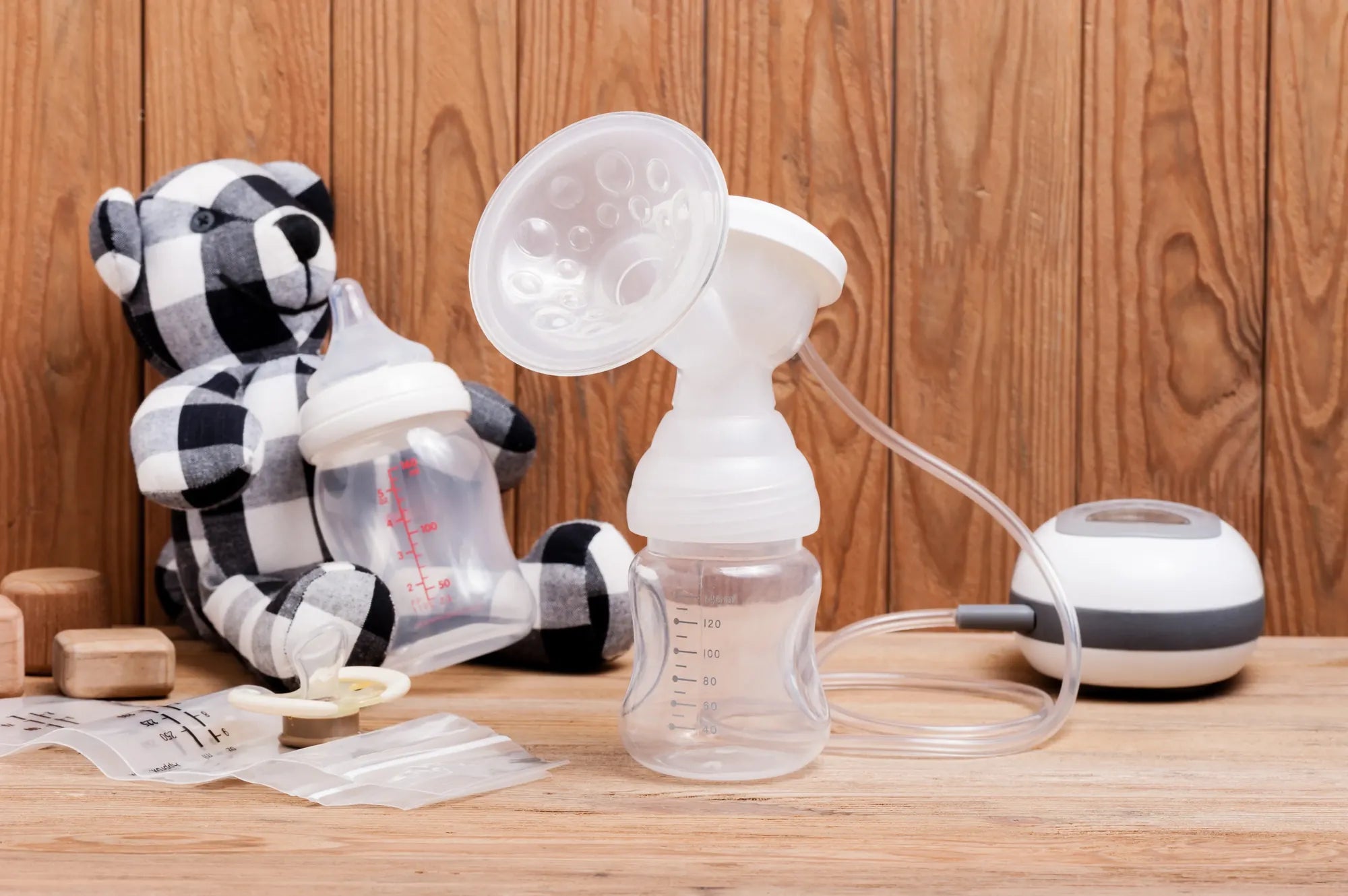
A breast pump is a mechanical device designed with one primary function: to effectively and comfortably remove milk from the breasts. It mimics the sucking action of a baby to stimulate the milk ejection reflex (let-down) and extract milk. Its purpose is nutritional and practical, not cosmetic.
The core principle behind pumping is "supply and demand." The more frequently and effectively milk is removed from the breasts, the more signals the body receives to produce more milk. Pumps are tools to establish, maintain, or increase a milk supply for mothers who are separated from their babies, have latching difficulties, or wish to create a stash of breastmilk.
Using a pump like the MomMed S21 Wearable Breast Pump can help manage common breastfeeding challenges. It provides a convenient, hands-free option to maintain milk removal schedules, which is crucial for preventing issues like engorgement, plugged ducts, and mastitis. Effective milk removal supports overall breast health during lactation.
While pumping may make breasts feel temporarily larger due to the fullness of milk, this is a side effect of its primary function. The pump itself does not contain agents or mechanisms that stimulate the growth of adipose (fat) or permanent glandular tissue. Its job is to work with the biology you already have.
Choosing a high-quality pump from a brand like MomMed, which uses BPA-free, food-grade materials, ensures you are focusing on safe, effective milk removal for your baby's nutrition, aligning with the true purpose of the device.
Debunking the Myth: Can Pumping Permanently Enlarge Breasts?
Let's address the core question directly: Can breast pump enlarge breast tissue permanently? The short, evidence-based answer is no. There is no scientific research or physiological mechanism to suggest that using a breast pump leads to a lasting increase in breast size after weaning.
The confusion often arises from observing temporary states. When breasts are full of milk, they are larger. Frequent pumping that maintains a robust milk supply can keep breasts in this fuller state for the duration of the lactation period. However, this is due to the volume of milk in the ducts and alveoli, not an increase in the structural tissue of the breast itself.
Permanent breast size is determined by the amount of fatty tissue and, to a lesser extent, glandular tissue that remains after hormonal influences subside. A breast pump does not stimulate the production of new, permanent fat cells (adipogenesis). Nor does it cause the lactogenic glandular tissue developed during pregnancy to remain indefinitely after weaning.
Medical literature from obstetrics and lactation science consistently describes breast pumps as milk removal aids. Their listed effects relate to milk supply, not to anatomical changes in breast parenchyma or stroma. The claim of permanent enlargement is a persistent myth without a foundation in human physiology.
Therefore, investing in a pump for the goal of changing your breast size is misguided. The investment should be for feeding your baby, with benefits like the convenience of MomMed's wearable designs, which allow for mobility and discreet pumping sessions.
Factors That Truly Influence Postpartum Breast Appearance
If the pump isn't the cause, what does influence how breasts look after pregnancy and breastfeeding? Several well-documented factors play significant roles, and understanding them can help set realistic expectations about your postpartum body.
Genetics: Your genetic blueprint is the most significant factor. It influences your baseline breast composition (fat-to-gland ratio), skin elasticity (collagen and elastin quality), and how your tissues respond to stretching and shrinking. Your mother's or sister's postpartum experience can be a rough indicator, though not a guarantee.
Weight Fluctuations: Breasts contain a high percentage of adipose (fat) tissue. Significant weight gain or loss during or after pregnancy will directly affect breast size. Gaining weight can increase fat deposits in the breasts, while losing weight may reduce them.
Skin Elasticity and Age: The skin's ability to snap back after being stretched is influenced by age, nutrition, hydration, and sun exposure. Younger skin generally has more collagen and rebounds better. The degree of stretching during pregnancy and engorgement impacts how much the skin may lax afterward.
Number of Pregnancies and Duration of Lactation: Each pregnancy subjects the breast tissues to the cycle of expansion and contraction. Some research suggests that multiple pregnancies and longer total duration of breastfeeding across a lifetime may have a cumulative effect on breast ptosis (sagging), though the act of breastfeeding itself is not the primary culprit—the hormonal and physical changes of pregnancy are.
Smoking and Sun Exposure: Both habits break down collagen and elastin fibers in the skin, potentially reducing its supportive ability and contributing to a loss of firmness and shape over time.
Choosing the Right Pump for Comfort and Effective Milk Removal
Since the goal is effective milk removal and a comfortable experience, selecting the right pump is paramount. A poor-fitting or inefficient pump can lead to problems that affect breast health and feeding success, though not permanent size changes.
The most critical component is the flange, or breast shield. An incorrect flange size—one that is too large or too small—can cause nipple pain, tissue damage, swelling (edema), and inefficient milk removal. This can ironically make the breast appear temporarily inflamed or misshapen but does not alter its fundamental size. MomMed pumps come with multiple flange size options to help you find a perfect, comfortable fit.
Suction settings should be effective yet comfortable. The myth that "stronger suction is better" can be harmful. Effective pumping uses a stimulation mode to trigger let-down followed by a comfortable expression mode that mimics a baby's suckling rhythm. Pumps like the MomMed Swing Breast Pump offer adjustable, rhythmic suction to protect delicate breast tissue while effectively removing milk.
Wearable pumps, such as the MomMed S21 Double Wearable, offer unparalleled convenience. By allowing you to pump hands-free and discreetly, they make it easier to stick to a regular pumping schedule, which is the real key to maintaining milk supply and preventing painful engorgement. Their design prioritizes function and maternal comfort.
Remember, a good pump supports the natural process. It helps you navigate low supply, return-to-work scenarios, or shared feeding duties. Its value lies in empowering your feeding journey, not in altering your physique. Look for FDA-cleared, BPA-free pumps from reputable brands that prioritize research and user safety.
Breast Health and Care Tips During the Pumping Journey
Supporting your breast health during lactation ensures comfort and can help you maintain a positive body image through its changes. Focus on care practices that address the realities of feeding and pumping.
Proper Support: Wear a well-fitting, supportive nursing or pumping bra. Good support can help manage the weight of full breasts, potentially reducing discomfort and strain on the skin's supportive ligaments. Avoid underwires that can press on milk ducts and cause blockages.
Skin and Nipple Care: Keep the skin hydrated with a pure lanolin or coconut oil to prevent cracking and dryness. After pumping, let your nipples air-dry if possible. If you experience persistent pain, redness, or cracking, reevaluate your pump settings and flange fit, as these are usually the culprits, not the pump itself.
Managing Engorgement: If breasts become overly full and hard, use strategies like warm compresses before pumping to encourage let-down, gentle massage during pumping, and cold compresses after sessions to reduce swelling. Frequent, effective milk removal is the best prevention and treatment.
Nutrition and Hydration: Your body needs extra calories and significant fluids to produce milk. Staying well-hydrated and eating a balanced diet supports overall health, skin elasticity, and energy levels, helping you feel better throughout the demands of new motherhood.
Listen to Your Body: Pain is a signal. Pumping should not be acutely painful. Any signs of localized redness, warmth, hard lumps that don't soften with feeding/pumping, or flu-like symptoms could indicate a plugged duct or mastitis and warrant consultation with a healthcare provider or lactation consultant.
Comparison: Common Beliefs vs. Evidence-Based Reality
| Common Belief or Myth | Evidence-Based Reality | Key Takeaway |
|---|---|---|
| Using a breast pump can permanently increase your cup size. | Pumps remove milk; they do not stimulate growth of permanent fat or glandular tissue. Any size increase during lactation is from milk volume. | Pumps are for feeding, not cosmetic enhancement. |
| Pumping causes breasts to sag more than breastfeeding. | Research indicates pregnancy-related hormones and weight changes are the primary causes of ptosis. The method of milk removal (baby vs. pump) is not a significant factor. | Blame pregnancy, not your pump or your baby. |
| Stronger pump suction will give better long-term results for your breasts. | Stronger suction can damage nipple tissue and cause edema. Effective, comfortable removal that mimics a baby is best for supply and breast health. | Comfort and efficiency trump high suction. |
| If you pump regularly, your breasts will stay large after weaning. | After weaning, glandular tissue involutes. Post-weaning size is dictated by genetics, weight, and pre-pregnancy factors, not pumping history. | Your body will follow its natural post-lactation blueprint. |
| Wearable pumps are less effective and might not maintain supply as well. | Modern wearable pumps like the MomMed S21 are designed with efficient motors. Effectiveness depends on proper fit and regular use, not the wearable form factor. | A well-made wearable pump is a valid tool for maintaining milk supply. |
FAQ: Common Questions About Breast Pumping and Breast Changes
1. Can pumping make my breasts sag or become droopy?
No, pumping itself does not cause sagging. The significant factors are the stretching of skin and ligaments during pregnancy, genetic predisposition, age, smoking history, and major weight fluctuations. Whether you feed directly at the breast, pump, or do both has no proven causal link to increased ptosis (sagging).
2. Why do my breasts look and feel so different immediately after I pump?
This is completely normal. After effective pumping, the milk ducts and alveoli are emptied, making the breast tissue feel softer, less firm, and sometimes visibly smaller or "deflated." They will gradually refill with milk until the next feeding or pumping session. This is a sign the pump is working correctly.
3. I have one breast that seems larger than the other since I started pumping. Is this caused by the pump?
Breast asymmetry is common, and it's usually because one breast naturally has a slightly higher milk production capacity. If you consistently pump more from one side, it may respond by producing more, accentuating the difference. The pump responds to your body's asymmetry; it doesn't create it. Ensure you're using correctly sized flanges for each breast.
4. How can I support my breast skin's elasticity while pumping?
Stay hydrated, eat a diet rich in vitamins C and E (which support collagen), moisturize the skin, wear supportive bras, and maintain a stable, healthy weight. Gentle massage can promote circulation. Remember, much of your skin's elasticity is genetically determined.
5. When should I be concerned about changes in my breasts while pumping?
Consult a healthcare provider or lactation consultant if you experience: persistent pain not resolved by adjusting flange fit or suction; a hot, red, painful lump (possible clogged duct or mastitis); sudden, drastic asymmetry; any puckering or dimpling of the skin; or bloody discharge from the nipple unrelated to cracked skin. These warrant professional evaluation.
Embracing Your Body's Journey with Confidence and the Right Tools
The journey through pregnancy, lactation, and beyond involves profound and natural changes to your body. A breast pump is a powerful tool designed to support you in feeding your baby, offering flexibility, and helping to maintain your milk supply. Its purpose is firmly rooted in function and nutrition.
Understanding that it does not—and cannot—permanently alter your breast size allows you to set realistic expectations and appreciate the tool for what it truly offers: empowerment in your feeding choices. The changes you see are the remarkable evidence of your body's ability to sustain life.
Focus on choosing equipment that prioritizes your comfort and efficiency, like MomMed's range of BPA-free, innovatively designed pumps. A positive pumping experience is built on comfort, reliability, and the peace of mind that comes from using well-made, safe products.
Celebrate your body's strength and capability. The fluctuations in size and shape are temporary chapters in the larger story of motherhood. By arming yourself with accurate information and quality tools, you can navigate this chapter with greater confidence, focusing on the health and bond you are building with your baby.
Shop the MomMed collection at mommed.com for all your breastfeeding and pregnancy needs. From our award-winning S21 Wearable Pump to essential nursing accessories, we provide the reliable, comfortable, and innovative support you deserve on this journey.