


Inicio
Pregnancy, Breastfeeding, and Pumping: The Ultimate Guide for Moms
How Often Should You Pump Breast Milk If Not Breastfeeding
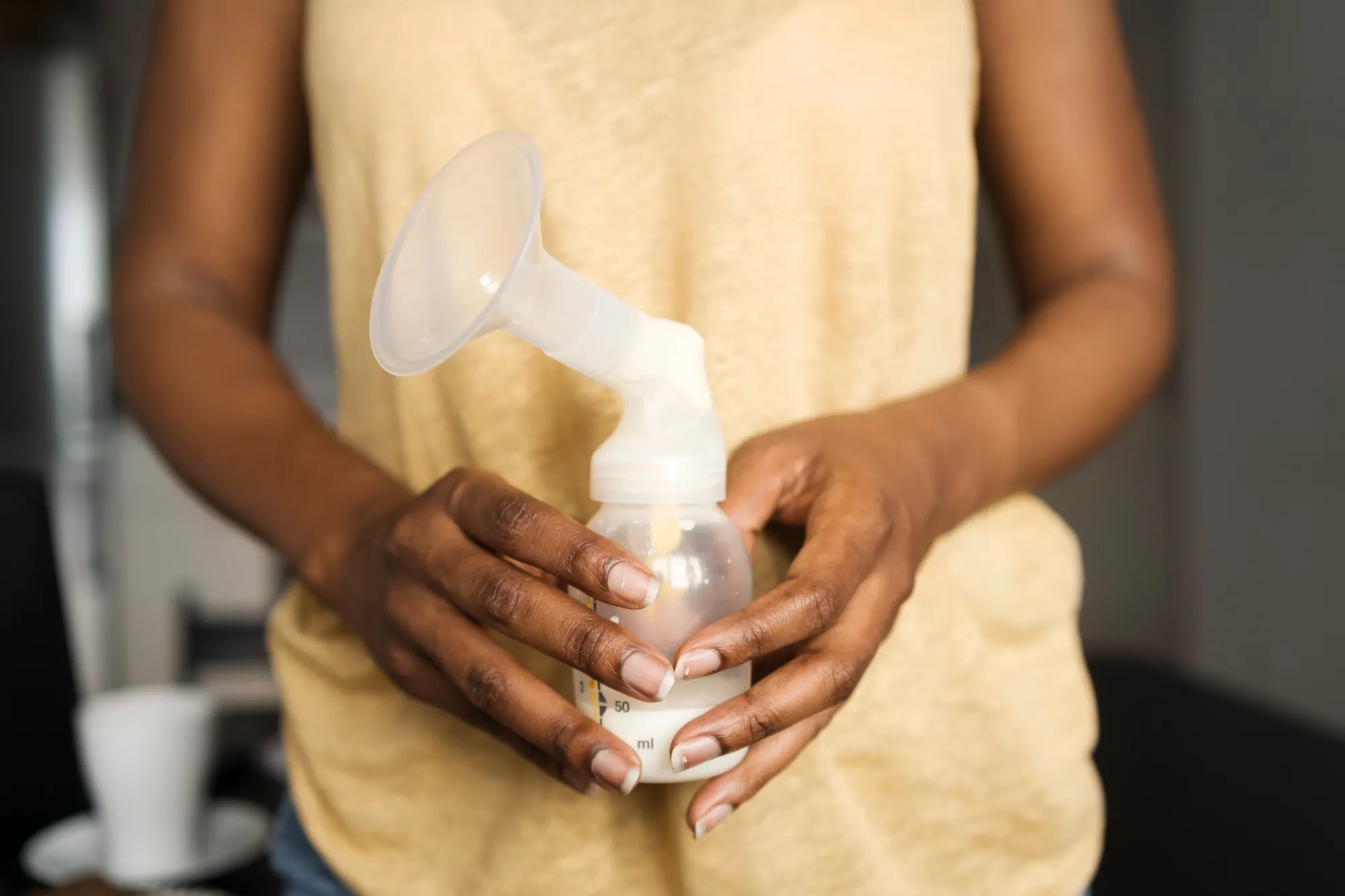
How Often Should You Pump Breast Milk If Not Breastfeeding
Pumping breast milk is a vital practice for mothers who are not breastfeeding directly. Whether due to personal choice, medical reasons, or work commitments, understanding how often to pump can make a significant difference in maintaining milk supply and ensuring your baby receives the necessary nutrients. This article delves into the factors influencing pumping frequency, practical tips, and expert recommendations to help you navigate this journey with confidence.
Understanding the Basics of Pumping Breast Milk
When you are not breastfeeding directly, pumping becomes your primary method of milk extraction. The frequency of pumping is crucial because it directly impacts your milk supply. The general rule of thumb is to mimic the feeding schedule of a breastfeeding baby. Newborns typically feed every 2-3 hours, so pumping at similar intervals is advisable. This helps maintain a steady milk supply and prevents engorgement or discomfort.
Factors Influencing Pumping Frequency
Several factors can influence how often you should pump breast milk:
- Baby's Age: Younger babies require more frequent feedings, so pumping every 2-3 hours is essential. As your baby grows and starts consuming solid foods, the frequency can decrease.
- Milk Supply: If you have an abundant milk supply, you might not need to pump as frequently. Conversely, if your supply is low, more frequent pumping can help stimulate production.
- Work Schedule: For working mothers, pumping during work hours is necessary to maintain supply. Aim to pump every 3-4 hours during the day.
- Health Considerations: Certain medical conditions or medications might affect milk production, requiring adjustments in pumping frequency.
Expert Recommendations on Pumping Frequency
Experts suggest that mothers who are not breastfeeding directly should aim to pump 8-10 times in a 24-hour period during the early months. This frequency ensures that your body receives the necessary signals to produce an adequate milk supply. As your baby grows and starts consuming solid foods, you can gradually reduce the number of pumping sessions. However, it's essential to monitor your milk supply and adjust accordingly to avoid any sudden drops.
Practical Tips for Effective Pumping
To make the most out of your pumping sessions, consider the following tips:
- Create a Schedule: Establishing a consistent pumping schedule helps regulate your milk supply and makes the process more manageable.
- Stay Hydrated: Proper hydration is crucial for milk production. Drink plenty of water throughout the day.
- Use a Quality Pump: Investing in a reliable breast pump can make the process more efficient and comfortable.
- Find a Comfortable Space: Choose a quiet, comfortable place to pump, especially if you are at work or in a public setting.
- Massage and Warm Compresses: Gentle breast massage and warm compresses can help stimulate milk flow and make pumping more effective.
Monitoring Your Milk Supply
Regularly monitoring your milk supply is essential to ensure your baby is getting enough nutrition. Signs of adequate milk supply include consistent milk output during pumping sessions, your baby's steady weight gain, and regular wet and soiled diapers. If you notice a decrease in milk supply, consider increasing the frequency of pumping sessions or consulting a lactation expert for guidance.
Adjusting Pumping Frequency Over Time
As your baby grows and their feeding patterns change, you may need to adjust your pumping frequency. For instance, when your baby starts consuming solid foods, you can reduce the number of pumping sessions. However, it's important to do this gradually to avoid any sudden drops in milk supply. Pay attention to your body's signals and make adjustments as needed to maintain a healthy balance.
Balancing Pumping with Other Responsibilities
Balancing pumping with other responsibilities, such as work or caring for older children, can be challenging. To manage this, consider the following strategies:
- Plan Ahead: Prepare your pumping equipment and schedule in advance to avoid last-minute stress.
- Communicate with Your Employer: If you are a working mother, discuss your pumping needs with your employer to ensure you have the necessary time and space.
- Seek Support: Don't hesitate to ask for help from family members or friends to manage other responsibilities while you pump.
Common Challenges and Solutions
Pumping breast milk can come with its own set of challenges. Some common issues include low milk supply, discomfort, and time constraints. Here are some solutions to address these challenges:
- Low Milk Supply: Increase the frequency of pumping sessions, ensure proper hydration, and consider consulting a lactation expert.
- Discomfort: Use a well-fitted breast pump, apply warm compresses, and practice gentle breast massage to alleviate discomfort.
- Time Constraints: Create a pumping schedule that fits into your daily routine and consider using a hands-free pump to multitask.
Final Thoughts on Pumping Frequency
Determining how often to pump breast milk when not breastfeeding directly is a personal journey that depends on various factors. By understanding the basics, considering expert recommendations, and implementing practical tips, you can maintain a healthy milk supply and ensure your baby's nutritional needs are met. Remember to monitor your milk supply, adjust pumping frequency as needed, and seek support when necessary. With the right approach, pumping can be a manageable and rewarding experience.
Compartir