


Home
Pregnancy, Breastfeeding, and Pumping: The Ultimate Guide for Moms
What Is the Best Rated Breast Pump: A Comprehensive Guide for Modern Moms
What Is the Best Rated Breast Pump: A Comprehensive Guide for Modern Moms
Choosing a breast pump can feel overwhelming. With countless models, conflicting reviews, and high stakes for your comfort and milk supply, finding clarity is essential. This comprehensive guide will demystify the search for the best rated breast pump, moving beyond marketing claims to focus on evidence, expert insights, and real-world functionality. We'll explore the core criteria that define top ratings, compare all pump types and features, and provide a clear framework to select the perfect pump for your breastfeeding journey and lifestyle.
Navigating the Search for the Best Rated Breast Pump
The quest for the best rated breast pump often begins with a flood of online reviews and product comparisons. However, a pump hailed as a 'game-changer' for one mother might be impractical for another. The true definition of 'best' is deeply personal, hinging on individual routines, pumping frequency, comfort needs, and mobility requirements.
This guide aims to cut through the noise by providing a data-driven, objective analysis. We will examine the pillars of a high rating: clinical performance, user satisfaction metrics, and innovative design. Understanding these elements will help you interpret reviews and specifications with a more critical, informed eye.
Your pumping experience should support your well-being, not complicate it. Whether you're returning to work, managing other children, or seeking flexibility, the right tool is paramount. As a trusted maternal and baby care brand, MomMed specializes in creating reliable, comfortable, and innovative products like wearable breast pumps and feeding gear to support moms at every stage.
What Does 'Best Rated' Really Mean? Understanding the Criteria
The label 'best rated' is not a single standard but a composite score from several authoritative sources. A pump that consistently earns top marks across these areas demonstrates proven reliability and user-centric design.
First, user reviews and ratings on retail platforms and parenting forums offer raw, unfiltered feedback. Look for patterns in comments about comfort, ease of assembly and cleaning, noise level, durability, and customer service responsiveness. High volume of positive reviews is a strong initial indicator.
Second, expert and medical endorsements carry significant weight. This includes pumps designated as 'hospital-grade' for multi-user rental, or those recommended by lactation consultants (IBCLCs) and used in hospital settings. Clinical studies on efficacy and milk removal can also validate performance claims.
Finally, industry awards for innovation, design, and parenting choice recognize products that solve real problems for families. A pump that wins awards for its quiet motor, intuitive app connectivity, or wearable design has been vetted by experts for its standout features. The 'best' pump for you effectively balances these credible ratings with your personal circumstances.
Types of Breast Pumps: Finding Your Perfect Fit
Breast pumps are designed for different primary use cases. Identifying which category aligns with your goals is the first critical step in your search for the best rated breast pump.
Hospital-Grade Pumps
These are powerful, durable pumps designed for multiple users (with separate, personal accessory kits). They are often rented and are ideal for establishing milk supply in the early postpartum days, for mothers of preterm infants who need to pump exclusively, or for relactation. They offer the strongest and most adjustable suction but lack portability.
Double Electric Pumps
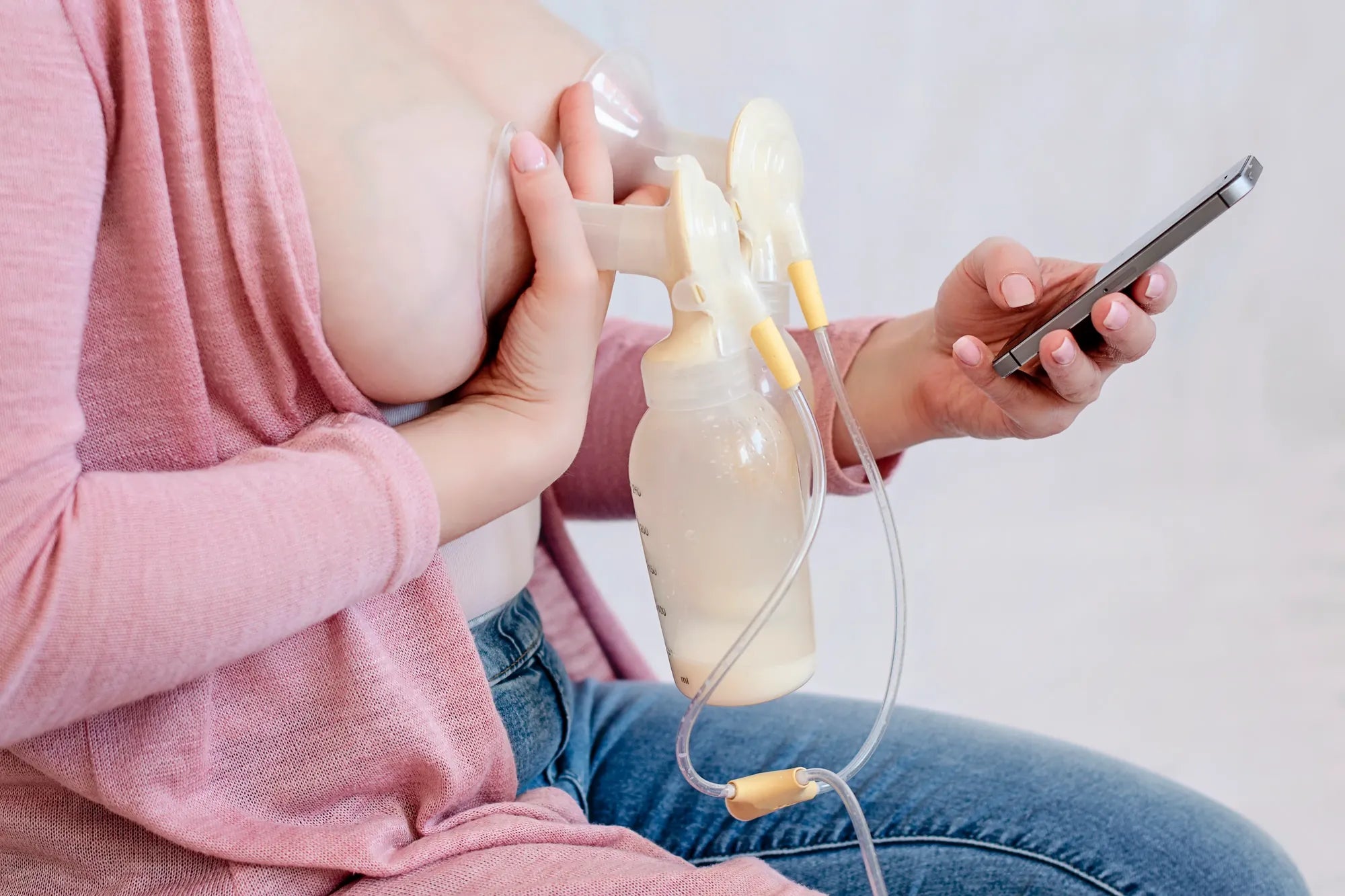
The workhorse for regular, daily pumping. A double electric pump allows you to express from both breasts simultaneously, cutting pumping time in half and supporting better milk supply through efficient, frequent removal. These are typically personal-use pumps with a rechargeable battery or AC adapter, offering a balance of power and some mobility.
Wearable/Hands-Free Pumps
This category represents a significant innovation, offering ultimate discretion and mobility. Wearable pumps fit completely inside your bra, with no external tubes or bottles, allowing you to pump while working, caring for other children, or doing household chores. They are a game-changer for maintaining a pumping schedule without being tethered to one spot.
Manual Pumps
Operated by hand, these are portable, inexpensive, and silent. They are best for occasional use, as a backup, or for quick relief from engorgement. However, they require manual effort and are less efficient for regular, full pumping sessions, making them unsuitable as a primary pump for most.
The Rise of Wearable Pumps: Why Mobility Matters
The evolution of wearable technology has transformed the pumping experience. For modern mothers, time is a precious commodity, and the ability to multitask is not a luxury but a necessity. Wearable pumps directly address this need by integrating seamlessly into a dynamic day.
Mobility directly supports breastfeeding longevity. The mental and logistical burden of being confined to a chair multiple times a day can lead to skipped sessions, which may impact supply. A wearable pump reduces this friction, making it easier to stick to a schedule while attending meetings, preparing meals, or even commuting.
Discretion and comfort are equally important. Advanced wearable pumps, like the MomMed S21, feature ultra-quiet motors that are virtually silent, allowing for private pumping in shared spaces. The in-bra design eliminates dangling bottles and tubes, providing a discreet and secure fit under loose clothing.
This freedom empowers mothers to maintain their identities and responsibilities while providing breast milk for their babies. It's a practical solution that acknowledges the multifaceted lives of parents, making it a top contender in any discussion about the best rated breast pump for active lifestyles.
Key Features to Compare When Evaluating Pumps
Beyond the pump type, specific functional details determine daily satisfaction and effectiveness. Use this checklist to compare models side-by-side.
Suction Patterns and Levels: The best pumps mimic a baby's natural nursing pattern. Look for a 'let-down' or stimulation mode (rapid, gentle suction) to trigger milk ejection, followed by an 'expression' mode (slower, deeper pulls). Multiple adjustable levels for each mode allow you to find your perfect, comfortable vacuum strength.
Cycle Speed: This refers to the number of suction cycles per minute. A wider range of adjustable speeds accommodates different preferences and can be more effective for some individuals than suction strength alone.
Noise Level: Measured in decibels (dB). A quiet pump (often below 45 dB) is crucial for discretion, night pumping without waking the baby, or use in open-plan offices. Wearable pumps typically excel in this area.
Portability and Battery Life: Consider weight, size, and whether it has a built-in rechargeable battery. For portable use, battery life per charge is critical—aim for enough power to cover at least 2-3 full pumping sessions.
Ease of Cleaning: Pumps with fewer parts, especially those dishwasher-safe (check manufacturer guidelines), save significant time and effort. Closed-system designs prevent milk from backing into the tubing and motor, which is more hygienic and easier to maintain.
Flange Fit and Options: This is arguably the most important feature for comfort and efficiency. An ill-fitting flange can cause pain, damage tissue, and reduce milk output. The best rated breast pumps offer multiple flange size options or are compatible with third-party fit kits to ensure a proper, comfortable seal.
MomMed's Award-Winning Innovation: The S21 Double Wearable Pump
As an example of a pump that meets rigorous 'best rated' criteria, consider the MomMed S21 Double Wearable Breast Pump. Its design directly responds to the key needs identified by pumping mothers: mobility, comfort, and performance.
The S21 has been recognized with multiple industry awards for innovation, a testament to its thoughtful engineering. Its fully wearable, in-bra design provides true hands-free operation, while maintaining a low profile for discretion. Each compact motor unit weighs just a few ounces, minimizing discomfort during use.
It delivers hospital-grade performance in a portable size, featuring multiple adjustable modes and suction levels to personalize your experience. The pump operates at a whisper-quiet volume, and its closed-system, BPA-free, food-grade silicone construction ensures both safety and easy cleaning. For mothers prioritizing a seamless integration of pumping into a busy life, this combination of features makes it a standout choice.
How to Match a Pump to Your Lifestyle and Goals
Your daily routine is the ultimate test for any pump. Use these profiles to guide your decision.
The Exclusive Pumper: You pump 100% of your baby's milk. You need a powerful, efficient, and durable primary pump. A hospital-grade rental or a robust double electric pump is ideal. Comfort and speed are paramount, as you'll use it 8-12 times per day. A wearable pump can be an excellent secondary option for added flexibility.
The Working Mom: You pump during work hours to maintain supply and create a milk stash. Discretion, portability, and efficiency are key. A double electric pump with a reliable battery or a high-performance wearable pump like the MomMed S21 is perfect. Consider noise level and ease of assembly for quick sessions in a lactation room or at your desk.
The On-the-Go Parent: You're frequently out with other children, running errands, or traveling. Your top priority is true hands-free, cordless operation. A wearable pump is likely your best, and perhaps only, practical choice for consistent pumping away from home. Battery life and discreet design are critical features.
The Occasional Pumper: You primarily nurse directly but need a pump for occasional bottles, relief from engorgement, or a small stash. A manual pump or a single electric pump may be sufficient and cost-effective. However, investing in a double electric or wearable can provide more comfort and efficiency if your needs evolve.
Breast Pump Feature Comparison Table
| Feature | Hospital-Grade | Double Electric | Wearable (e.g., MomMed S21) | Manual |
|---|---|---|---|---|
| Primary Use | Establishing supply, exclusive pumping, multi-user | Daily, regular pumping | Hands-free, on-the-go pumping | Occasional, backup, quick relief |
| Portability | Low (stationary) | Medium (often includes bag) | High (fits in bra) | High (fits in purse) |
| Hands-Free | No (requires hands or bra) | No (requires hands or bra) | Yes (fully in-bra) | No (requires hand operation) |
| Noise Level | Moderate to Loud | Moderate | Very Quiet (<45 dB) | Silent |
| Pumping Efficiency | Very High | High (double pumping) | Medium to High | Low to Medium |
| Price Point | High (rental fee or purchase) | Medium to High | Medium to High | Low |
Beyond the Pump: Essential Gear for a Successful Journey
The pump is the centerpiece, but a supportive ecosystem is crucial for comfort and efficiency. Investing in these items can dramatically improve your experience.
A hands-free pumping bra is non-negotiable if you're using a traditional electric pump. It holds the flanges in place, freeing your hands to work, read, or care for your baby. For wearable pumps, ensure you have well-fitting, supportive regular bras.
High-quality milk storage bags or bottles that are pre-sterilized and leak-proof are essential for building a stash. Label them clearly with date and volume. A cooler bag with ice packs is vital for transporting milk safely when away from home.
Comfort items like pure lanolin or hydrogel nipple pads can soothe and protect sensitive skin. Keep a spare parts kit (valves, membranes, duckbills) on hand, as these wear out and can cause a sudden loss of suction. Finally, having accessible resources—like a lactation consultant's contact information or a supportive online community—provides invaluable troubleshooting and emotional support.
Frequently Asked Questions (FAQ)
Is a hospital-grade pump necessary for everyone?
No. Hospital-grade pumps are powerful tools designed for specific situations: initiating milk supply, exclusively pumping for a preterm infant, or relactating. For most mothers with established, healthy supplies, a high-quality personal double electric or wearable pump is perfectly sufficient and more practical for daily use.
How do I know if my breast pump flange fits correctly?
Your nipple should move freely in the tunnel without rubbing the sides, and only a small amount of areola (if any) should be pulled in. After pumping, your nipple should not be blanched (white), compressed, or painful. Signs of a poor fit include pain during/after pumping, low output, and redness or swelling. Many brands, including MomMed, offer printable sizing guides or fit kits.
Can I use a wearable pump as my primary pump?
Yes, many mothers successfully use wearable pumps as their primary pump, especially models designed for performance, like the MomMed S21. The key is to ensure it effectively empties your breasts. Monitor your output and comfort. Some may find they need to use a traditional electric pump for one session a day to ensure complete drainage, but for many, a wearable is entirely effective for full-time use.
How do I clean and maintain my pump for optimal performance?
After each use, rinse all parts that contact milk (flanges, valves, membranes, bottles) in cool water. Wash daily with hot, soapy water or in a dishwasher (if approved by the manufacturer). Sterilize according to guidelines (usually daily for newborns, less often for older babies). Regularly inspect and replace soft parts like valves and duckbills every 4-8 weeks, as worn parts are the most common cause of suction loss.
What makes a pump 'hospital-grade'?
'Hospital-grade' is a FDA designation for a multi-user pump. It means the pump's motor is designed to be used by more than one person, with each user having their own personal accessory kit (flanges, tubing, bottles). These pumps are typically more powerful, durable, and have stronger motors to withstand continuous, long-term use by multiple people. It is not a guarantee of superior suction for a single user compared to a high-end personal pump.
Your Journey, Your Choice
The search for the best rated breast pump culminates in a simple, powerful truth: the highest-rated pump is the one that respects your time, aligns with your body's needs, and fits seamlessly into the life you lead. It is the tool that empowers you to meet your feeding goals without sacrificing your comfort or autonomy. By prioritizing evidence-based features, credible endorsements, and honest self-assessment of your routine, you can move beyond the hype to find a reliable partner in your breastfeeding journey.
Remember, your needs may evolve, and that's okay. What matters is choosing a solution that supports you today, with the quality and performance to adapt tomorrow. Trust in products designed with genuine insight into the challenges and triumphs of motherhood. Shop the MomMed collection at mommed.com for all your breastfeeding and pregnancy needs, from our award-winning S21 wearable pump to essential feeding gear and baby care essentials, all crafted to help you and your baby thrive.