


Home
Pregnancy, Breastfeeding, and Pumping: The Ultimate Guide for Moms
What to Store Breast Milk in After Pumping: The Ultimate Guide for Moms
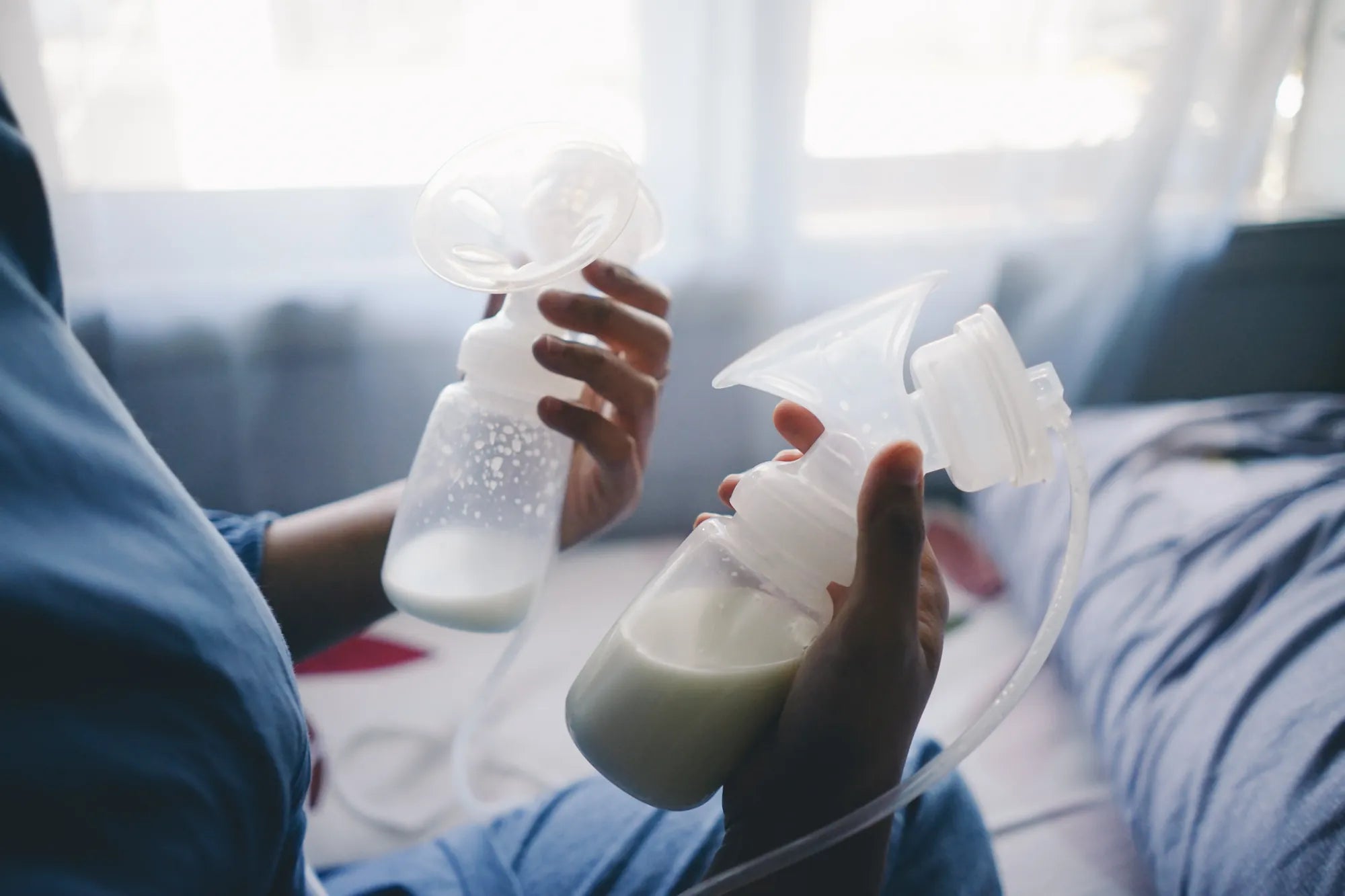
What to Store Breast Milk in After Pumping: The Ultimate Guide for Moms
Choosing the right container for your expressed breast milk isn't just about convenience—it's about preserving the living antibodies, essential nutrients, and hard-earned liquid gold you produce for your baby. The question of what to store breast milk in after pumping is fundamental to safe infant feeding. This guide provides a data-driven, step-by-step framework to help you navigate container options, storage timelines, and best practices, empowering you with confidence. We'll cover everything from material safety to workflow efficiency, referencing guidelines from the Centers for Disease Control (CDC) and the American Academy of Pediatrics (AAP). As a trusted maternal and baby care brand, MomMed specializes in innovative products like wearable breast pumps and feeding accessories designed to integrate seamlessly with safe storage practices, supporting moms at every stage.
The Critical Importance of Proper Breast Milk Storage
Breast milk is a dynamic, bioactive fluid. Proper storage directly impacts its nutritional quality and safety. Incorrect containers or temperatures can lead to bacterial growth, nutrient degradation, and contamination.
Using containers not designed for milk storage risks chemical leaching from plastics or inadequate seals causing leaks and spoilage. The goal is to maintain the milk's immunological properties, which help protect your baby from illness.
Establishing a correct storage protocol minimizes waste and ensures your baby receives the full benefit of your milk, whether you're pumping for a return to work, building a freezer stash, or offering an occasional bottle. It's the cornerstone of successful pumping.
This process begins the moment you finish pumping. Having your approved storage containers ready and labeled is a non-negotiable step in the journey.
The Essential Guide: Approved Breast Milk Storage Containers
Health authorities universally recommend two primary types of containers for storing expressed breast milk: bottles and bags. Each has distinct advantages, and the best choice often depends on whether you plan for short-term refrigeration or long-term freezing.
All containers must be made of food-grade materials, feature airtight seals, and be thoroughly cleaned or pre-sterilized. The container you choose directly answers the core question of what to store breast milk in after pumping.
Breast Milk Storage Bottles: Durability and Reusability
Storage bottles are ideal for milk destined to be used within a few days, typically stored in the refrigerator. They are reusable, environmentally friendly, and allow for easy feeding with minimal transfer.
Look for bottles made from glass or BPA-free, food-grade plastic. Glass is inert and doesn't retain odors or stains but can be heavier and breakable. High-quality plastics, like those used in all MomMed feeding products, are lightweight, shatterproof, and designed for baby's safety.
Key features include secure, leak-proof lids, clear measurement markings, and wide necks for easy cleaning. Many pumping systems, including MomMed pumps, allow you to pump directly into these bottles, reducing handling and contamination risk.
For freezing, leave about an inch of space at the top to allow for expansion. While bottles are space-inefficient in the freezer, they are perfect for organizing a rotating supply of refrigerated milk.
Breast Milk Storage Bags: Convenience for Freezing
Pre-sterilized, single-use breast milk storage bags are the gold standard for freezing large quantities of milk. They are space-efficient, designed for expansion, and created specifically for breast milk.
Critical factors when selecting bags include durability (double seams to prevent leaks), a secure double-zip seal, a self-standing design for easy filling, and a writable label area for date and volume. Never use ordinary plastic sandwich bags or disposable bottle liners; they are not sterile, are prone to tearing, and may leach chemicals.
To use bags safely, place them inside a secondary container in the freezer to protect against punctures. Always expel excess air before sealing to help preserve nutrients. Remember, bags are for single use only and should not be refilled after emptying.
Their convenience makes them indispensable for building a freezer stash, though they represent an ongoing cost compared to reusable bottles.
Specialized Containers and What to Absolutely Avoid
Beyond standard bottles and bags, some parents use silicone storage pouches or portioning trays designed for breast milk. These can be useful for specific needs, like storing small, ready-to-feed amounts.
However, the list of what to avoid is crucial. Never store breast milk in: disposable bottle liners not intended for storage, plastic sandwich or grocery bags, any container not made of food-grade materials, or containers with worn seals or cracks. These can compromise safety and lead to spoilage or contamination.
Always prioritize containers that are explicitly labeled for breast milk storage or food storage. When in doubt, stick to CDC-recommended options. The integrity of the container is your first line of defense in preserving your milk's quality.
Breast Milk Storage Guidelines: Duration, Temperatures, and Thawing
Once you've selected the right container, following evidence-based storage timelines is essential. These guidelines, based on the latest CDC recommendations, are designed for healthy, full-term infants. Always use the oldest stored milk first ("first in, first out").
| Storage Location | Temperature | Freshly Expressed Milk | Previously Frozen & Thawed (in fridge) |
|---|---|---|---|
| Room Temperature | Up to 77°F (25°C) | Up to 4 hours | 1-2 hours |
| Refrigerator | 40°F (4°C) or below | Up to 4 days | Up to 24 hours |
| Freezer (compartment inside fridge) | Varies | 2 weeks | Do not refreeze |
| Freezer (separate door) | 0°F (-18°C) or below | 6-12 months (ideal within 6) | Do not refreeze |
Label every container with the date and time of expression and the volume. Store milk in the back of the refrigerator or freezer, not in the door, where temperatures fluctuate. For freezing, smaller volumes (2-4 oz) reduce waste.
Safe Thawing and Warming Practices
Thawing must be done carefully to preserve nutrients and ensure safety. The safest method is to thaw frozen milk overnight in the refrigerator. For quicker thawing, hold the sealed container under cool running water, gradually increasing to warm.
Never thaw or warm breast milk in a microwave or on the stove. Microwaves create dangerous "hot spots" that can scald your baby and destroy vital proteins and immune factors. Similarly, avoid boiling water.
To warm refrigerated or thawed milk, swirl the sealed container in a bowl of warm water. Gently swirl the milk to mix the fat, which separates during storage. Test the temperature on your wrist before feeding. Once thawed, use within 24 hours and do not refreeze.
<The MomMed Method: Integrating Storage with Your Pumping Routine
Efficiency and hygiene are paramount when moving from pumping to storage. A streamlined workflow reduces mess, saves time, and minimizes the risk of contaminating your milk.
This process begins with clean hands and clean, sanitized pump parts. Using a pump with closed-system technology and hygienic materials, like MomMed pumps, provides an added layer of protection.
Step-by-Step: From Pump to Storage
First, ensure all pump parts that touch milk are clean. Assemble your pump and attach a clean, approved storage container directly to the pump flange if possible. After pumping, immediately seal the container with a tight lid.
Label the container with the date, time, and volume expressed before you do anything else. This prevents confusion later. If you need to combine milk from the same pumping session, cool the new milk in the refrigerator for about an hour before adding it to already chilled milk.
Place the sealed, labeled container promptly in the refrigerator or freezer. This immediate transfer is a key step in answering what to store breast milk in after pumping—it's not just the vessel, but the swift, safe process that surrounds it.
Maximizing Efficiency with a Wearable Pump
Wearable breast pumps, like the award-winning MomMed S21 Double Wearable Pump, revolutionize this workflow. They are designed to pump directly into secure, sealed collection cups or compatible bottles.
This design often eliminates the need for a separate transfer step, significantly reducing exposure to air and potential contaminants. You can pump, seal the integrated container, label it, and store it—all with minimal handling of the milk itself.
This seamless integration is a game-changer for busy moms, making it easier to adhere to safe storage practices consistently. The convenience of a wearable pump supports the disciplined routine required for successful milk storage.
Handling Common Storage Scenarios and Challenges
Real-world pumping often presents specific questions beyond basic guidelines. Understanding how to handle these situations ensures you're prepared.
For instance, milk stored in the refrigerator may separate into a milk-fat layer and a watery layer; this is normal. Gently swirl the container to mix it; avoid vigorous shaking, which some studies suggest may break down certain protein structures.
If you're transporting milk, use an insulated cooler bag with ice packs. Milk is safe in a cooler with frozen ice packs for up to 24 hours. Upon arrival, transfer it to a refrigerator or freezer immediately.
When dealing with power outages, keep the freezer and refrigerator doors closed. A full freezer will keep milk frozen for about 48 hours if unopened. If milk has partially thawed but still contains ice crystals, it can be refrozen, though quality may slightly diminish.
Frequently Asked Questions (FAQ) on Breast Milk Storage
Q1: Can I mix freshly pumped milk with already chilled or frozen milk?
Yes, but with a critical rule. Cool the freshly expressed milk in the refrigerator first (for about an hour). Then, you can add it to a container of already chilled milk from the same day. Never add warm milk directly to frozen milk, as it can partially thaw and promote bacterial growth.
Q2: How full should I fill a storage bag or bottle?
Leave space for expansion, especially for freezing. Fill bottles or bags to no more than 3/4 full. For bags, follow the manufacturer's fill line. Overfilling can cause bags to burst when frozen or prevent a proper seal.
Q3: Can I refreeze thawed breast milk?
The CDC advises against refreezing thawed breast milk. Once fully thawed (with no ice crystals remaining), it should be used within 24 hours if stored in the refrigerator and cannot be refrozen. This minimizes the risk of bacterial contamination.
Q4: Why does thawed milk sometimes smell or taste different?
This is often due to the action of an enzyme called lipase, which breaks down fats. Milk with high lipase activity may develop a soapy or metallic smell after thawing but is still safe for consumption. If your baby refuses it, scalding the milk (heating it to a simmer before storage) can deactivate the enzyme.
Q5: How do I clean storage containers properly?
Wash bottles and reusable parts in hot, soapy water or in the dishwasher (if dishwasher-safe) after each use. Use a bottle brush to clean all surfaces. For sanitizing, especially for newborns under 3 months, boil in water for 5 minutes, use a steam sanitizer, or follow CDC sanitization guidelines. Bags are single-use and should be discarded.
Building Confidence Through Knowledge and the Right Tools
Mastering breast milk storage transforms pumping from a task into a empowered part of your parenting journey. Knowing what to store breast milk in after pumping—and the science behind the timelines—gives you control and flexibility.
This knowledge, combined with reliable, thoughtfully designed products, removes guesswork and anxiety. It allows you to provide your baby with optimal nutrition whether you're present or apart, supporting both your breastfeeding goals and your baby's health.
The investment in proper containers and a pump that fits your lifestyle pays dividends in reduced waste, increased confidence, and more peaceful feedings. Your milk is precious, and its storage deserves careful attention.
You now have a comprehensive, evidence-based framework for storing your breast milk safely. From selecting the right container to thawing it gently, each step you take protects the incredible substance you create for your baby.
Shop the MomMed collection at mommed.com for all your breastfeeding and pregnancy needs, including our innovative S21 Wearable Pump designed for seamless integration with your storage routine, and explore our range of feeding accessories made with baby-safe, food-grade materials.