


Home
Pregnancy, Breastfeeding, and Pumping: The Ultimate Guide for Moms
How Long Can Freshly Pumped Breast Milk Stay Out: A Comprehensive Guide
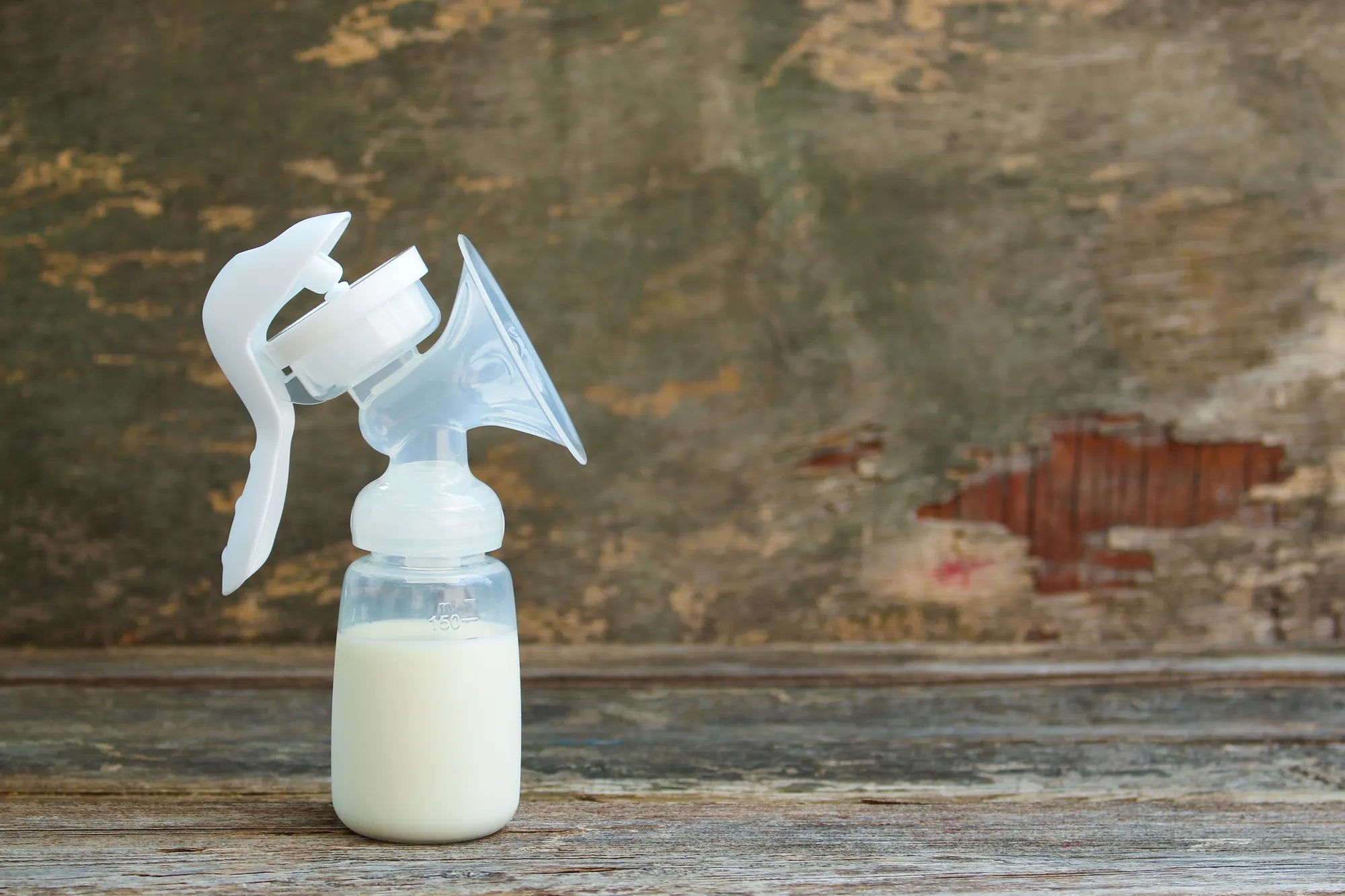
How Long Can Freshly Pumped Breast Milk Stay Out: A Comprehensive Guide
Introduction: Understanding the Importance of Safe Breast Milk Storage
You've just finished a pumping session, and the phone rings. Or your baby needs an immediate diaper change. Suddenly, the bottle of liquid gold is sitting on the counter, and a wave of anxiety hits: how long can freshly pumped breast milk stay out before it's no longer safe? This is one of the most common and crucial questions for pumping mothers. Following precise storage guidelines isn't just about preventing waste; it's about protecting your baby's vulnerable immune system and preserving the complex nutritional and immunological properties of your milk.
Every decision from pump to storage impacts the milk's safety and quality. This guide delivers the clear, evidence-based answers you need, transforming guidelines into confident daily practice. As a trusted maternal and baby care brand, MomMed is committed to supporting your journey with reliable products and the essential knowledge to use them safely, ensuring that your effort and your milk's incredible benefits are fully realized.
The Golden Rules: How Long is Freshly Pumped Milk Safe at Room Temperature?
The central question, how long can freshly pumped breast milk stay out, has a clear answer from leading health authorities like the CDC and the American Academy of Pediatrics. For typical room temperatures up to 77°F (25°C), freshly expressed breast milk is safe for up to 4 hours. This clock starts ticking the moment pumping is complete.
However, room temperature is the critical variable. In warmer environments, this window shrinks significantly. If the room is above 90°F (32°C), the safe time plummets to 1 hour or less. It's essential to consider the actual ambient temperature, not just a guess. A sunny kitchen counter or a warm car interior can quickly push temperatures beyond the safe zone.
This 4-hour rule is for milk that is intended to be fed soon. If you know you won't use the milk within that window, the safest practice is to refrigerate it immediately. Chilling milk promptly after expression slows bacterial growth and preserves its quality for much longer. The guideline serves as a maximum limit, not a recommended waiting period.
Understanding this timeline is the foundation of safe milk handling. It empowers you to plan your pumping sessions, manage feedings, and avoid the heartache of having to discard precious milk. The next sections will delve into why these rules exist and how other factors can influence your milk's personal "clock."
Factors That Influence Breast Milk's "Clock"
While the 4-hour rule is a vital benchmark, several practical factors can influence how long your specific batch of milk remains safe. The core science revolves around controlling bacterial growth. Breast milk is not sterile; it contains beneficial bacteria and antibodies, but it can also be contaminated with environmental bacteria during pumping and handling.
The initial cleanliness of your equipment and hands is paramount. Pumping with properly sanitized parts—like the BPA-free, food-grade silicone components in MomMed breast pumps—minimizes the introduction of harmful bacteria from the start. Conversely, milk expressed with contaminated flanges or bottles will have a shorter safe window at any temperature.
Your baby's health status is another critical factor. The standard guidelines are designed for healthy, full-term infants. For premature babies, newborns in the NICU, or infants with compromised immune systems, healthcare providers often recommend stricter protocols. This may include refrigerating milk immediately or using it within 1-2 hours at room temperature to eliminate any risk.
Finally, the milk's history matters. The 4-hour rule applies to freshly pumped milk that has never been cooled. If you take milk from the refrigerator, warm it for a feeding, and then don't use it, it should be used within 2 hours or discarded. Once the cooling process has been reversed, bacterial growth can accelerate. Similarly, never refreeze thawed milk.
From Pump to Storage: A Step-by-Step Safety Protocol
Turning guidelines into habit requires a clear, actionable routine. Follow this step-by-step protocol after every pumping session to ensure maximum safety and longevity for your expressed milk.
Step 1: The Right Start with a Clean Pump
Safety begins before you even start pumping. Always wash your hands thoroughly with soap and water. Assemble your pump using parts that have been cleaned according to manufacturer instructions—typically washing in hot, soapy water and air-drying on a clean towel or rack. For daily sanitizing, especially for younger infants, follow CDC guidelines. Using a pump with a closed-system design, like the MomMed S21, helps prevent milk from backing into tubing and motor, reducing contamination risks.
Step 2: Choosing the Right Container
Immediately transfer your milk into a clean storage container. The best options are purpose-made breast milk storage bags or food-grade hard-sided plastic or glass bottles with tight-fitting lids. Ensure containers are BPA-free. Avoid using disposable bottle liners or regular plastic bags not intended for storage, as they can tear, leak, and are not sterile. Label the container before you fill it to avoid smearing the ink.
Step 3: Labeling and the "First In, First Out" Method
Labeling is non-negotiable. Use a waterproof marker to note the date and time of expression and the volume (in ounces or milliliters). If you are pumping for a daycare that requires it, add your baby's name. This practice is crucial for implementing the "First In, First Out" (FIFO) method. Always place newly pumped milk behind older milk in the refrigerator or freezer, and consciously use the oldest dated milk first. This system prevents milk from being forgotten and exceeding safe storage times.
The Storage Journey: Room Temp, Fridge, Freezer, and Back
Understanding the full lifecycle of expressed milk—from fresh to frozen to fed—is key to managing your stash. Each storage environment buys you a different amount of time, but the transitions between them must be handled carefully.
Visual Guide: Breast Milk Storage Times at a Glance
This table consolidates recommendations from the CDC and AAP for healthy, full-term infants. It serves as your quick-reference cheat sheet.
| Storage Location | Temperature | Duration for Fresh Milk |
|---|---|---|
| Room Temperature (Counter) | Up to 77°F (25°C) | Up to 4 Hours |
| Room Temperature (Counter) | Above 90°F (32°C) | Up to 1 Hour |
| Refrigerator | 39°F (4°C) or colder | Up to 4 Days (Ideal within 3) |
| Freezer (inside refrigerator) | Varies (typically 5°F / -15°C) | 2 Weeks |
| Standalone Freezer | 0°F (-18°C) or colder | 6-12 Months (Ideal within 6) |
Navigating Thawing and Warming Safely
The safest way to thaw frozen milk is overnight in the refrigerator. You can also thaw it by holding the sealed container under lukewarm running water or placing it in a bowl of warm water. Never thaw or warm breast milk in a microwave, as it creates dangerous hot spots and can destroy precious nutrients and antibodies. Once thawed in the refrigerator, use it within 24 hours. Once a bottle is warmed or brought to room temperature and your baby has fed from it, the leftover milk must be used within 2 hours or discarded due to bacterial introduction from the baby's mouth.
MomMed Supports Your Safe Feeding Journey
Safe milk handling starts with a reliable, hygienic pumping experience. MomMed designs its products with your safety and convenience in mind. The award-winning S21 Double Wearable Breast Pump features a fully closed-system design, which acts as a barrier to prevent milk and moisture from entering the motor and tubing, a key feature for preventing contamination.
Its portable, hands-free nature allows you to pump directly into secure, sealed collection cups or compatible storage bottles, minimizing transfers and exposure. The use of soft, BPA-free, food-grade silicone in all parts that touch your skin or milk ensures safety and comfort. By providing an efficient and comfortable pumping session, MomMed pumps help you maintain your milk supply, creating the valuable liquid that these storage guidelines are designed to protect. It's a holistic approach to supporting your feeding goals.
FAQ: Your Top Breast Milk Storage Questions, Answered
Q: Can I add freshly pumped warm milk to already refrigerated cold milk?
A: Yes, but with caution. Cool the newly pumped milk in the refrigerator for about 30-60 minutes first. Then, you can add it to a container of already chilled milk from the same day. Avoid adding warm milk directly to cold, as it can raise the temperature of the stored milk and promote bacterial growth.
Q: How can I tell if breast milk has gone bad?
A> Spoiled breast milk often develops a distinctly sour or rancid smell, similar to cow's milk that has gone off. The taste will be noticeably sour. Visually, it may appear to have separated into layers that don't mix back together with gentle swirling. When in doubt, follow the mantra: "If in doubt, throw it out." Your baby's safety is paramount.
Q: What if my milk was out for 4 hours and 15 minutes? Is it automatically bad?
A> The guidelines are based on safety margins. While the 4-hour mark is the recommended limit, a slight exceedance like 15 minutes at a cool room temperature does not guarantee the milk is unsafe, but it does increase risk. For a healthy baby, many parents might still use it, but for the highest caution (or for a preterm/ill infant), it would be best to discard it. Consistency and caution are key.
Q: Does the storage time change for foremilk vs. hindmilk?
A> No. The storage guidelines are the same regardless of the fat content or composition of the milk. Both foremilk and hindmilk are subject to the same risks of bacterial growth and nutrient degradation over time.
Q: Can I store milk in the door of my refrigerator?
A> It's not ideal. The temperature in the door fluctuates more every time the refrigerator is opened. For the most consistent, cold temperature, store milk towards the back of the main compartment, on a shelf, not in the door.
Conclusion: Confidence in Every Drop
Mastering the guidelines for how long freshly pumped breast milk can stay out transforms uncertainty into confidence. You now know the critical timelines: the 4-hour rule for cool rooms, the immediate chill for longer storage, and the safe pathways for thawing and feeding. This knowledge, combined with diligent practices like using clean equipment, labeling meticulously, and following the "first in, first out" method, empowers you to provide the safest, most nutritious milk for your baby. It grants you the flexibility to manage feedings and a freezer stash without second-guessing. Your pumping journey is a labor of love, and protecting every ounce is a priority. MomMed is here to support that mission with innovative, reliable products and trustworthy, evidence-based guidance, helping you nurture your baby with peace of mind. Shop the MomMed collection at mommed.com for all your breastfeeding and pregnancy needs.